



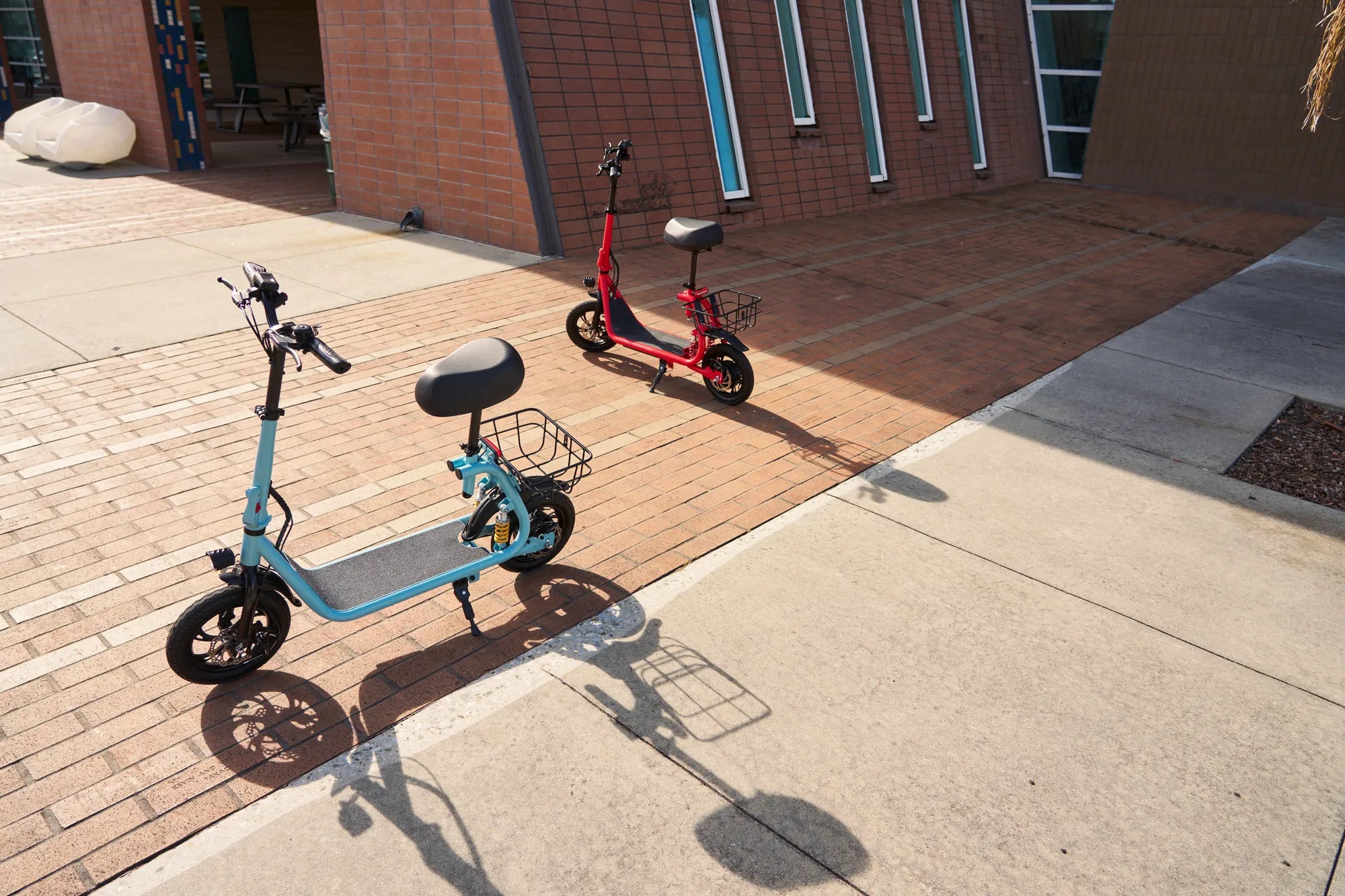
Introduction: The Electric Scooter Revolution
Electric scooters have moved beyond a fleeting trend to become a permanent fixture in the urban mobility landscape. For millions, they represent a pragmatic solution to congested roads and inefficient public transit. But are they the right choice for you? This comprehensive guide delivers a balanced, evidence-based examination of the advantages and disadvantages of electric scooters, empowering you to make an informed decision based on data, not just hype.
We will dissect the true cost savings, environmental impact, and unparalleled convenience against the very real concerns of safety, regulation, and practical limitations. By the end, you'll understand not just the pros and cons, but how to evaluate them against your daily commute, lifestyle, and local infrastructure.
The Advantages: Why Millions Are Choosing E-Scooters
The global adoption of electric scooters is driven by tangible benefits that address specific urban pain points. These advantages offer compelling reasons to consider integrating an e-scooter into your daily routine.
Unbeatable Cost-Efficiency and Savings
The financial argument for e-scooters is powerful. Compared to car ownership, the savings are staggering. The average American spends over $10,000 annually on car payments, insurance, fuel, maintenance, and parking. An electric scooter, in contrast, has a modest upfront cost and negligible ongoing expenses.
Charging a scooter typically costs between $0.15 and $0.30 for a full battery, translating to an annual electricity cost of under $50 for a daily commuter. Public transit fares, while lower than car costs, still add up. A $3 daily round-trip totals over $700 per year. A quality scooter from a brand like Gyroor, known for durable construction and UL-certified batteries, can pay for itself within a few months of replacing transit fares or short car trips.
Maintenance is also minimal. Beyond occasional tire inflation, brake adjustments, and keeping the scooter clean, there are no oil changes, smog checks, or complex engine repairs. This low total cost of ownership is a cornerstone of the advantages and disadvantages of electric scooters analysis, firmly placing cost-efficiency in the 'pro' column for most urban dwellers.
Ultimate Convenience and Time Savings
E-scooters excel at solving the "first and last mile" problem—the inconvenient distance between your home or office and a transit hub. They provide true door-to-door travel, eliminating waiting times for buses or trains and the walk from a distant parking spot.
In dense city traffic, a scooter's agility allows it to bypass gridlocked cars. A 3-mile trip that takes 20 minutes by car during rush hour can often be completed in under 10 minutes on a scooter. This time savings compounds daily, reclaiming hours per week. Furthermore, their portability means you can often bring them inside, avoiding parking fees and the risk of parking tickets entirely.
For quick errands, visiting friends, or exploring your city, the convenience is unmatched. The ability to fold and carry a model like the Gyroor F1 Pro means seamless transitions between riding and other modes of transport, like trains or rideshares, creating a highly efficient multimodal commute.
Environmental Impact: A Cleaner Commute
Electric scooters produce zero direct emissions, offering a clear air quality benefit over gasoline-powered vehicles. A 2021 study from North Carolina State University found that shared e-scooters, when replacing car trips, can lead to a net reduction in greenhouse gas emissions and other pollutants.
While their manufacturing and electricity sourcing have an environmental footprint, it is significantly lower than that of a car over its lifecycle. According to data from the European Environment Agency, the carbon footprint per passenger-kilometer for an e-scooter is a fraction of that for even a hybrid car. They also drastically reduce urban noise pollution, contributing to quieter, more pleasant city streets.
Choosing a scooter with a durable, long-lasting battery pack, such as those with UL certification used by Gyroor, maximizes this advantage by extending the vehicle's usable life and reducing the frequency of battery replacement and associated waste.
Health and Lifestyle Perks
While not a vigorous workout, riding an e-scooter is an active form of transportation. It requires constant engagement of your core and leg muscles for balance and stability, promoting better posture and coordination. It gets you outside, providing a mental health boost compared to the stress of driving in traffic or being crammed in a subway car.
This low-impact activity can be a gateway to a more active lifestyle, encouraging users to explore their cities and run errands without defaulting to a car. The expanded personal range—typically 15-25 miles on a single charge—turns a 30-minute walk into a quick 8-minute ride, making local businesses and parks more accessible.
The sheer fun factor cannot be overlooked. The sensation of gliding effortlessly through your neighborhood adds an element of enjoyment to daily chores, turning a mundane commute into a minor adventure. This psychological benefit is a significant but often underrated advantage in the advantages and disadvantages of electric scooters debate.
The Disadvantages: Important Considerations Before You Ride
For all their benefits, electric scooters come with a set of challenges and limitations that require serious consideration. A responsible rider must acknowledge and plan for these disadvantages.
Safety Concerns and Riding Risks
This is the most critical disadvantage. Riders are exposed and vulnerable. Data from the U.S. Consumer Product Safety Commission indicates a sharp rise in e-scooter related emergency room visits, with common injuries including fractures, head trauma, and lacerations.
Hazards include uneven pavement, potholes, wet leaves, gravel, and railroad tracks. Cars turning across bike lanes, opening car doors, and inattentive pedestrians also pose major risks. Rider inexperience, high speeds, and a lack of protective gear exponentially increase danger. A 2020 study in JAMA Surgery found that only about 4% of injured scooter riders were wearing a helmet at the time of their accident.
Safety is non-negotiable. It demands a commitment to defensive riding, always wearing a helmet, using lights day and night, and understanding your scooter's braking limits. Choosing a model with a robust frame, reliable dual braking systems, and wide, pneumatic tires can help mitigate some of these inherent risks.
Regulatory and Legal Grey Areas
The law has struggled to keep pace with micro-mobility. Regulations are a confusing patchwork that varies by city, state, and country. Key questions often lack clear answers: Is riding on the sidewalk legal? Is a helmet mandatory? Do you need a driver's license?
In many jurisdictions, e-scooters are banned from sidewalks but may not have dedicated bike lane infrastructure, forcing riders into traffic. Speed limits often cap between 15-20 mph. Some cities, like Paris, have implemented strict licensing and geo-fencing. The rider's burden is to know and follow local laws, which can change and may be enforced unevenly.
This legal uncertainty is a significant disadvantage, creating potential liability issues in the event of an accident. It can also limit where you can practically and legally use your investment, a crucial point to research before purchase.
Practical Limitations: Range, Weather, and Terrain
Advertised range is an optimistic figure achieved under ideal laboratory conditions: a light rider on flat, smooth pavement at low speed in mild weather. Real-world range is typically 20-30% less. Factors like rider weight, hills, frequent stops and starts, cold temperatures, and battery age all deplete range faster.
Weather is a major constraint. Riding in rain, snow, or on icy surfaces is dangerous and not recommended. While some scooters like those in the Gyroor lineup with IPX5 water-resistance ratings can handle light rain and wet roads, they are not waterproof or suitable for storms. Storage also becomes an issue if you lack a dry, secure place to keep it.
Terrain is another limit. Most entry-to-mid-level scooters are designed for paved surfaces. Rough roads, gravel paths, or steep, sustained hills can drain the battery rapidly, strain the motor, and provide an uncomfortable, potentially unsafe ride. Understanding these limitations is essential for setting realistic expectations.
Theft, Vandalism, and Security
The very portability that makes e-scooters convenient also makes them a target for theft. A lightweight, expensive device left locked to a bike rack is enticing. While a high-quality U-lock or heavy-duty chain is a deterrent, determined thieves with angle grinders can defeat most locks given enough time.
This creates a constant security anxiety. The safest practice is never to leave your scooter unattended in public for extended periods, which contradicts its use for all-day commuting or errands. Some riders opt for removable batteries or foldable designs they can take inside, but this isn't always feasible.
Insurance is rarely mandatory but is a wise consideration for theft or liability. Some homeowner's or renter's policies may offer coverage, or specialized micro-mobility insurance can be purchased. This adds to the total cost of ownership, a factor often overlooked in the advantages and disadvantages of electric scooters calculus.
Making an Informed Choice: Key Decision Factors
Evaluating the pros and cons requires a personal assessment. Your individual needs, local environment, and willingness to adapt will determine if the advantages outweigh the disadvantages.
Assessing Your Primary Use Case
Your decision hinges on how you plan to use the scooter. A daily commuter needs reliability, weather resistance, and sufficient range with a safety margin. A recreational rider might prioritize speed, comfort, and fun features. A mixed-use rider needs a balanced, durable all-rounder.
For commuting, advantages like cost savings and time efficiency are paramount, but disadvantages like theft risk and weather dependence must be actively managed. For recreation, the fun and exploration benefits are key, while range and terrain limitations become the primary constraints to consider.
The Specs That Matter: Battery, Motor, and Build
To mitigate disadvantages, focus on key specifications. The battery is the heart: look for UL-certification (like all Gyroor batteries) for safety, and ample capacity (measured in Watt-hours, Wh) for real-world range. A 500W-800W motor is a good sweet spot for handling moderate hills and providing stable acceleration.
Build quality is critical for safety and longevity. Look for a solid frame (aircraft-grade aluminum is excellent), pneumatic (air-filled) tires for better shock absorption, and a reliable braking system (disc brakes or electronic + mechanical). An IP water-resistance rating of at least IPX4 is advisable for all-weather resilience, with IPX5 offering better protection against water jets. A warranty of one year or more signals manufacturer confidence.
Total Cost of Ownership vs. Alternatives
To truly understand value, compare the e-scooter's total cost against other modes of transport for short urban trips (under 5 miles). The following table illustrates a simplified comparison.
| Transport Mode | Upfront Cost | Annual Operating Cost* | Convenience (Door-to-Door) | Environmental Impact |
|---|---|---|---|---|
| Electric Scooter | $500 - $1,500 | $30 - $100 | Very High | Very Low |
| Traditional Bicycle | $300 - $1,000 | ~$50 (maintenance) | High | Negligible |
| E-Bike | $1,500 - $3,000+ | $50 - $150 | Very High | Low |
| Public Transit | $0 (fare only) | $700 - $1,200+ | Low-Moderate | Low |
| Car (Short Trips) | $20,000+ | $5,000+ | High | Very High |
*Costs are estimated averages and vary widely by location and usage patterns.
This comparison shows that while an e-bike offers more power and range, a quality e-scooter provides the best balance of low upfront cost, minimal operating expense, and high convenience for the shortest trips.
Rider Safety and Best Practices
Since safety is the paramount disadvantage, proactive measures are your best defense. Adopting these practices transforms you from a vulnerable user into a confident, defensive rider.
Always wear a helmet. This single action dramatically reduces the risk of severe head injury. Consider additional gear like knee and elbow pads, especially when learning or riding in traffic. Use front and rear lights at all times, not just at night, to maximize your visibility to drivers and pedestrians.
Ride defensively. Assume cars do not see you. Avoid blind spots. Scan the road surface ahead for hazards. Keep both hands on the handlebars and maintain a safe speed for conditions, especially on wet pavement or in crowded areas. Never ride under the influence of alcohol or drugs.
Perform a pre-ride check: test brakes, ensure tires are properly inflated, and verify lights are functioning. Learn and obey all local traffic laws pertaining to e-scooters. By making safety a ritual, you directly address the most significant risk factor in the advantages and disadvantages of electric scooters equation.
Maintenance Essentials for Longevity
Proper maintenance preserves your investment, ensures safety, and maximizes performance. A well-cared-for scooter from a reputable brand can provide years of reliable service.
Regularly check and maintain correct tire pressure. Under-inflated tires increase rolling resistance (reducing range), wear faster, and make the scooter harder to control. Over-inflated tires provide a harsher ride and are more prone to punctures. Inspect brake pads for wear and adjust or replace them as needed. Keep the braking surfaces clean.
Keep the scooter clean, especially after riding in wet or dirty conditions. Wipe it down with a damp cloth, avoiding direct spray on electronic components unless it has a high IP rating. Store it in a dry, temperate place. Avoid leaving it in extreme heat or cold for prolonged periods.
Practice proper battery care. Use only the manufacturer-provided charger. Avoid draining the battery to 0% regularly; try to recharge when it reaches 20-30%. For long-term storage (over a month), charge the battery to about 60% and store it in a cool, dry place. Following these steps, as outlined in Gyroor's user manuals, will significantly extend your battery's lifespan.
Conclusion: Are Electric Scooters Right for You?
The decision boils down to a personal trade-off between transformative convenience and real-world responsibility. For the urban dweller with a short-to-moderate commute, good local infrastructure, and a commitment to safe riding practices, the advantages of cost savings, time efficiency, and environmental benefits can profoundly outweigh the disadvantages.
The key is to enter with eyes wide open. Acknowledge the risks and limitations, then choose a scooter engineered to mitigate them through safety certifications, robust construction, and reliable components. The advantages and disadvantages of electric scooters are not abstract; they are daily realities that you can manage with the right preparation and equipment.
If your lifestyle aligns with its strengths, an electric scooter is more than a gadget—it's a key to a simpler, more efficient, and enjoyable way to navigate your city. Ready to explore a reliable option built with safety and performance in mind? Browse the full Gyroor collection, featuring UL-certified batteries, IPX5 water-resistant designs, and a reliable 1-year warranty, at gyroorboard.com.
Frequently Asked Questions (FAQ)
Are electric scooters safe for beginners?
Yes, with critical precautions. Beginners should start in a safe, empty parking lot or quiet street to practice acceleration, braking, and turning. Always wear a helmet and protective gear. Begin at low speeds and gradually build confidence. Understanding your scooter's controls and limits before entering traffic is essential for safety.
How far can I really go on a single charge?
For a realistic estimate, take the manufacturer's advertised range and reduce it by 20-30%. A scooter advertised for 25 miles will typically achieve 17-20 miles for an average rider (~160 lbs) on a route with some hills and stops. Factors like cold weather, rider weight over 200 lbs, and hilly terrain can reduce range further.
What is the most important feature for safety?
Beyond the rider's behavior, the most critical hardware features are a reliable, responsive braking system (dual mechanical brakes are ideal) and bright, always-on lights for visibility. A sturdy frame from a trusted brand with quality components is the foundational safety feature that prevents mechanical failures.
Do I need a license or insurance to ride one?
Laws vary greatly. In most U.S. states and European countries, a driver's license is not required for lower-powered scooters (typically under 750W), but you must be a certain age (often 16+). Some cities may have their own licensing schemes. Insurance is rarely mandatory but is highly recommended for theft protection and liability coverage in case of an accident involving injury or property damage.
How do I maintain my electric scooter?
Regular maintenance is simple but crucial: 1) Check tire pressure weekly, 2) Inspect and test brakes regularly, 3) Keep the scooter clean and dry, 4) Listen for unusual noises from the motor or bearings, 5) Practice proper battery care by avoiding full discharges and using the correct charger, and 6) Tighten any bolts that may loosen from vibration. Refer to your specific model's manual for detailed guidance.
Most Reliable Electric Scooters 2024: Top Picks for Safety and Performance
Electric Scooters UK Cheap: Your Ultimate Guide to Affordable Rides