


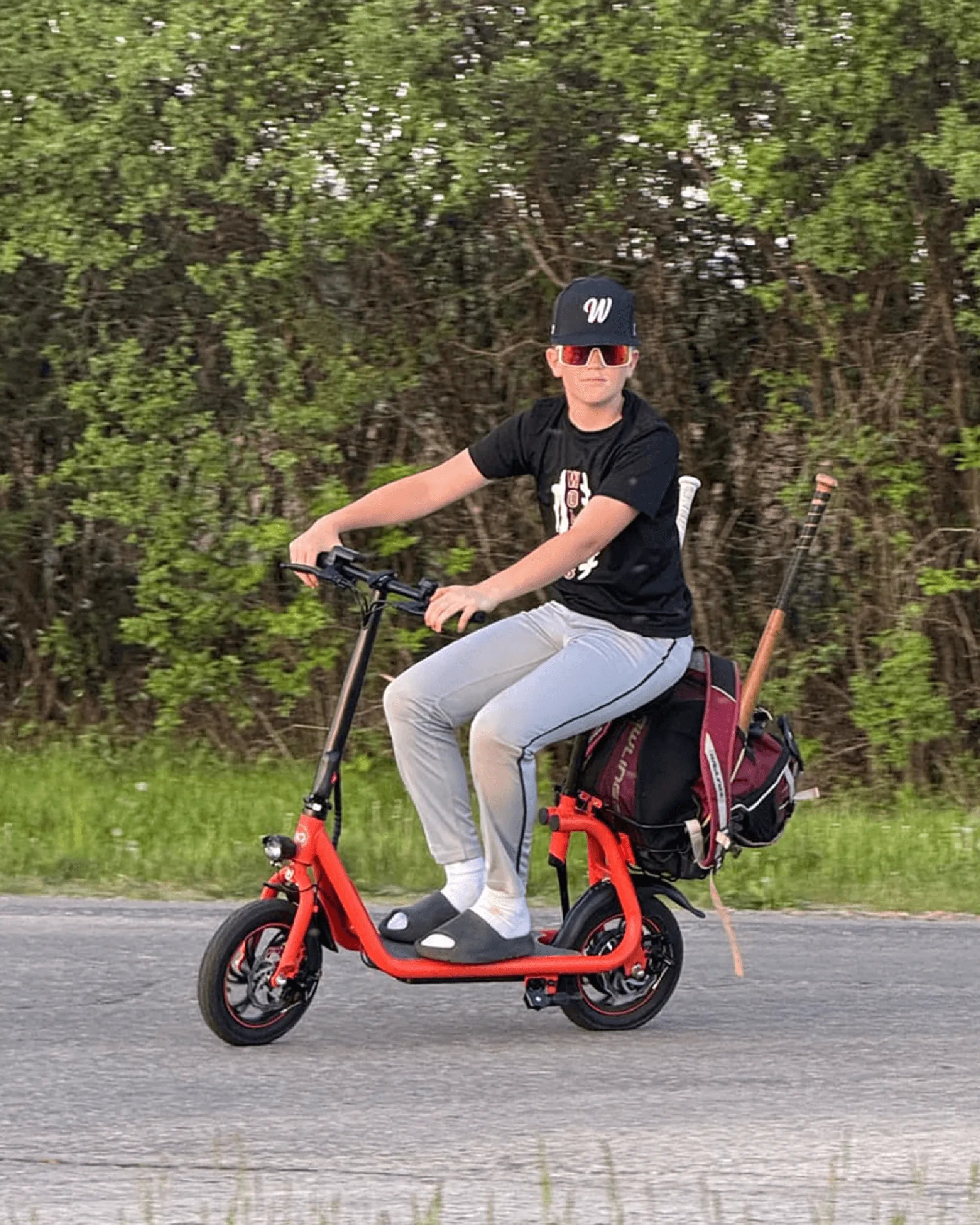
When it comes to urban commuting and eco-friendly transportation, the debate between electric scooters and bicycles is hotter than ever. Both offer unique benefits, but electric scooters are quickly gaining popularity for their speed, ease of use, and modern appeal. If you're torn between the two, this breakdown of the advantages of electric scooters vs bicycles will help you make an informed decision.
Speed and Efficiency
One of the most significant advantages of electric scooters over bicycles is speed. Electric scooters can reach speeds of up to 25 mph, depending on the model, while the average cyclist pedals at around 12-15 mph. This makes electric scooters a faster option for short to medium-distance commutes, especially in crowded urban areas where traffic congestion is a common issue.
Effortless Commuting
Unlike bicycles, which require physical exertion, electric scooters are powered by a motor. This means you can travel longer distances without breaking a sweat, making them ideal for those who want to arrive at their destination fresh and presentable. Whether you're heading to work or running errands, an electric scooter eliminates the need for strenuous pedaling.
Portability and Storage
Electric scooters are generally more compact and lightweight than bicycles, making them easier to carry and store. Many models are foldable, allowing you to tuck them under a desk or take them on public transportation. Bicycles, on the other hand, require dedicated parking spaces or bulky racks, which can be inconvenient in tight urban environments.
Cost-Effectiveness
While the upfront cost of an electric scooter may be higher than a basic bicycle, the long-term savings can be substantial. Electric scooters require minimal maintenance compared to bicycles, which often need tire replacements, chain lubrication, and brake adjustments. Additionally, electric scooters consume very little electricity, making them a cost-effective alternative to cars or public transit.
Environmental Impact
Both electric scooters and bicycles are eco-friendly options, but electric scooters have a slight edge in terms of energy efficiency. They produce zero emissions during operation and use rechargeable batteries, which have a lower environmental footprint than the manufacturing and disposal of bicycle components. However, bicycles still win in terms of pure sustainability since they rely solely on human power.
Safety Considerations
Electric scooters come with built-in safety features such as headlights, taillights, and sometimes even turn signals, making them more visible in low-light conditions. Bicycles can also be equipped with lights, but they often require additional purchases. That said, both options require responsible riding and adherence to traffic laws to ensure safety.
Accessibility
Electric scooters are more accessible to a wider range of people, including those with limited physical stamina or mobility issues. Bicycles demand a certain level of fitness and coordination, which may not be feasible for everyone. Electric scooters level the playing field, offering a convenient mode of transportation for all ages and abilities.
Fun Factor
Let's face it—riding an electric scooter is undeniably fun. The effortless glide and the thrill of speed make every commute an adventure. While cycling can also be enjoyable, it requires more effort, which may not appeal to everyone. Electric scooters combine practicality with a sense of excitement, making them a favorite among urban commuters.
Whether you prioritize speed, convenience, or sustainability, electric scooters offer compelling advantages over traditional bicycles. They’re faster, easier to use, and more adaptable to modern urban life. If you're ready to upgrade your commute, an electric scooter might just be the perfect choice for you.
High Standard Silver Electric Kick Scooters: The Future of Urban Commuting
Ecotric Electric Bike Parts: The Ultimate Guide to Upgrading Your Ride