


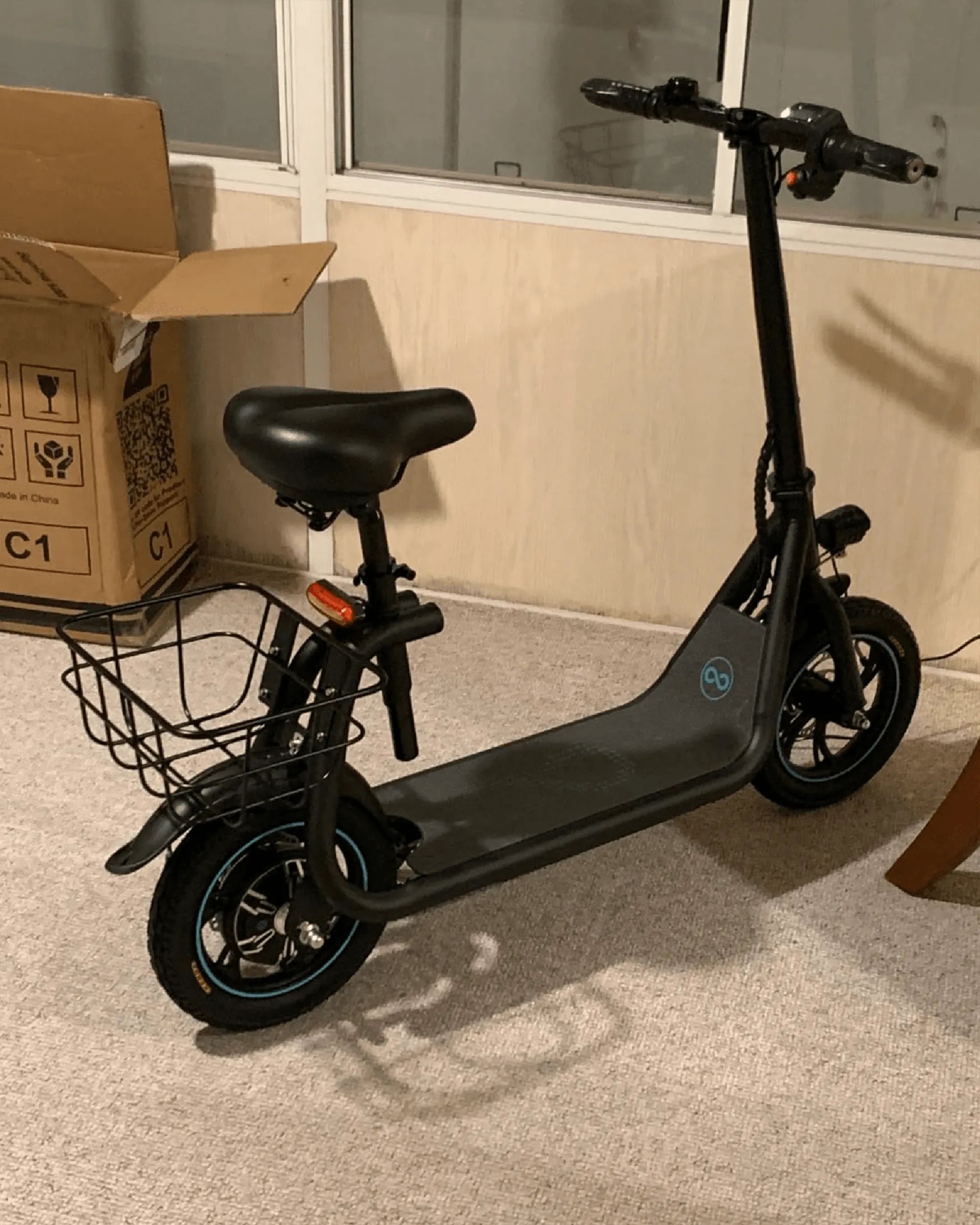
Forget the roar of gas engines and the hassle of maintenance—the era of accessible, electrified off-road adventure is here. An affordable e dirt bike represents a seismic shift, offering the thrill of trail riding without the traditional barriers of high cost, noise, and complexity. This guide will dissect what "affordable" truly means in today's market, explore the essential features you can expect, and reveal the long-term practical advantages of choosing electric. You'll learn how to identify exceptional value, avoid common pitfalls, and make an informed purchase that delivers years of reliable, exhilarating fun. Whether you're a first-time rider or a budget-conscious veteran, understanding this evolving segment is your first step toward sustainable adventure.
Introduction to the Affordable E-Dirt Bike Revolution
The term affordable e dirt bike no longer signifies a compromised toy. It defines a category of electric off-road motorcycles that balance capable performance with a price point accessible to most enthusiasts, typically ranging from $800 to $2,000. This contrasts sharply with premium electric motocross bikes that can cost over $10,000 and traditional gas-powered models that carry ongoing fuel and maintenance expenses.
The core appeal is a democratization of off-road riding. Electric power eliminates the steep learning curve of clutch and gear management, making it more approachable for beginners and younger riders. Simultaneously, the instant torque and quiet operation open up new riding possibilities in areas where noise would be prohibitive. The market has responded with models that offer legitimate suspension travel, durable frames, and batteries capable of delivering 20-40 miles of trail riding.
This revolution is driven by advancements in lithium-ion battery technology and brushless motor efficiency. As these core components have become more cost-effective to produce, manufacturers have been able to package them into robust platforms without sacrificing essential durability. The result is a new generation of affordable e dirt bike options that are redefining entry into the sport.
For families, this means being able to outfit multiple riders without breaking the bank. For adults seeking a new hobby, it lowers the barrier to entry significantly. The shift is not just about price; it's about practicality, accessibility, and embracing a cleaner, simpler form of outdoor recreation that prioritizes the riding experience itself.
Key Features to Expect in a Budget-Friendly E-Dirt Bike
When shopping for an affordable e dirt bike, managing expectations is crucial. You won't find race-level components, but you should demand a well-engineered package built for real-world use. The key is identifying where manufacturers have smartly allocated the budget to maximize performance and safety while hitting a competitive price point.
A quality budget model should feature a high-tensile steel or aluminum alloy frame, providing a solid foundation. Suspension is a critical differentiator; look for an adjustable front fork with at least 100mm of travel and a rear monoshock. Tires should be genuine knobby off-road tires, not street-oriented treads. These elements form the non-negotiable triad of off-road capability: a strong skeleton, proper bump absorption, and good traction.
Beyond the chassis, the electrical system's integration is paramount. Wiring should be neatly routed and protected, with a waterproof connector for the battery. The display console, while basic, should clearly show speed, battery level, and assist mode. A lack of attention to these details often indicates broader quality control issues, even in an affordable e dirt bike.
Motor Power and Performance: Finding the Sweet Spot
Motor performance in this segment is measured in watts and torque. Most affordable e dirt bike models feature hub motors or mid-drive systems ranging from 500W to 1000W of nominal power. A 500W motor is suitable for younger riders and flat, hard-packed trails, delivering speeds up to 20 mph. For teen and adult riders tackling varied terrain, a 750W or 1000W motor is the sweet spot, offering enough torque for moderate hills and top speeds between 24-28 mph.
Peak power output is often higher, sometimes reaching 1200W or more for short bursts to conquer obstacles. The type of motor matters: a geared hub motor provides excellent torque from a stop, ideal for technical trails, while a direct-drive hub motor can be more efficient on longer, faster runs. Mid-drive motors, which leverage the bike's gearing, are less common in budget models but offer superior hill-climbing efficiency.
Performance is also governed by the controller, which manages power delivery. A good controller provides smooth, predictable acceleration rather than a jarring, all-or-nothing response. Multiple riding modes (e.g., Eco, Normal, Sport) are a valuable feature, allowing riders to extend battery life or access full power as needed, making a single affordable e dirt bike adaptable for different skill levels and trail conditions.
Battery Life and Range on a Budget
The battery is the heart of the bike and the single most important component for value. In the affordable e dirt bike category, you'll commonly find 48V systems with capacities between 10Ah and 15Ah. This translates to a real-world range of 15 to 35 miles per charge, depending heavily on rider weight, terrain, assist level, and temperature.
Battery quality cannot be overstated. Look for packs using name-brand lithium-ion cells (like Samsung, LG, or Panasonic) assembled with a proper Battery Management System (BMS). The BMS protects against overcharge, over-discharge, and short circuits, critically extending pack life and ensuring safety. A quality battery should retain over 80% of its capacity after 500 full charge cycles.
Charging time is another practical consideration. Most budget bikes include a standard 2-amp charger, requiring 5-7 hours for a full charge. Some models may offer an optional faster charger. The placement of the battery—whether integrated into the frame or externally mounted—affects the bike's center of gravity and aesthetics. An integrated design typically offers better protection and a sleeker look but may complicate removal for charging.
Build Quality and Durability: What You Can't Compromise On
Durability is where a true affordable e dirt bike separates itself from a disposable toy. The frame welds should be clean and consistent, not globby or uneven. All bearings—in the headset, wheels, and pivot points—should be sealed to keep out dirt and water. The finish should be a durable powder coat, not thin paint that chips easily.
Component choices reveal a lot. Mechanical disc brakes are common and acceptable, but hydraulic disc brakes, while rarer in this price tier, offer superior stopping power and modulation with less maintenance. The chain or belt drive should be protected by a guard. Every bolt, especially those on critical components like the handlebar clamp and axles, should be grade-rated and properly torqued.
Finally, consider ingress protection. An IP rating for water and dust resistance is essential for off-road use. An IPX4 rating means it can withstand splashes from any direction, while IPX5 (found on brands like Gyroor) means it can handle low-pressure water jets, offering confidence when riding through puddles or light rain. This level of protection safeguards the motor, controller, and electrical connections, ensuring long-term reliability for your affordable e dirt bike.
The Practical Advantages of Choosing an Affordable Electric Model
Choosing an affordable e dirt bike extends far beyond the initial savings. The electric platform delivers a cascade of practical benefits that enhance the ownership experience from day one. The simplicity of the drivetrain—a motor, a battery, and a controller—replaces hundreds of moving parts found in a combustion engine, directly translating to fewer things that can wear out or break.
This simplicity reshapes the entire riding dynamic. There's no need to warm up the engine, no carburetor to adjust for altitude, and no fouled spark plugs. You simply turn the key, power on, and ride. The instant, silent power delivery allows riders to focus entirely on line choice and balance, accelerating skill development. It also makes the bike incredibly approachable for nervous first-timers who might be intimidated by a loud, vibrating gas bike.
From a community and access standpoint, the quiet operation is a game-changer. Many trails and riding areas face noise restrictions. An electric dirt bike's low-decibel output makes it a better neighbor, potentially preserving riding access in sensitive areas. This practical advantage means your affordable e dirt bike isn't just a purchase; it's a more sustainable and socially considerate way to enjoy the sport.
Lower Lifetime Cost: Beyond the Sticker Price
The total cost of ownership for an affordable e dirt bike is where the value proposition becomes undeniable. A comparative analysis over three years reveals dramatic savings.
| Cost Factor | Gas-Powered Dirt Bike | Affordable E Dirt Bike |
|---|---|---|
| Initial Purchase | $1,500 - $2,500 | $1,000 - $2,000 |
| Annual "Fuel" | $300 - $600 (Gas/Oil) | $20 - $40 (Electricity) |
| Annual Maintenance | $200 - $500 (Oil, filters, plugs, carb service) | $50 - $100 (Brake pads, tires, chain lube) |
| Major Service (Year 3) | $400+ (Top-end rebuild possible) | $0 - $150 (Battery health check) |
| Estimated 3-Year Total | $2,600 - $4,600 | $1,210 - $2,590 |
As the table shows, the ongoing costs are minimal. There are no engine oils to change, no air filters to clean, no spark plugs to replace, and no fuel system to maintain. The most significant future expense is the battery, but a quality pack from a reputable brand should last 3-5 years before a noticeable decline in range. Even then, replacement costs have fallen significantly.
This predictable, low running cost makes an affordable e dirt bike an excellent choice for families and individuals who want to allocate their budget to riding gear, travel to new trails, or simply ride more without financial anxiety. The savings compound over time, making the initial investment increasingly wise.
Eco-Friendly and Quiet Operation
The environmental benefit is straightforward: zero tailpipe emissions. An affordable e dirt bike produces no carbon monoxide, hydrocarbons, or nitrogen oxides during operation. When charged from a residential electrical grid, its overall carbon footprint is significantly lower than a gas bike's, and that footprint shrinks further if charged via renewable energy.
The lack of hydrocarbon-based lubricants and fluids also means no risk of soil or water contamination from leaks or spills in the riding environment. This allows riders to enjoy nature with a minimized impact, aligning the sport more closely with conservation values. The quiet operation, often below 70 decibels compared to a gas bike's 90-100+ decibels, drastically reduces noise pollution.
This low acoustic signature has profound practical effects. It reduces rider fatigue, allows for verbal communication on the trail, and lets riders hear their surroundings—from wildlife to other trail users. This heightened awareness increases safety. Furthermore, it makes practice sessions in suburban backyards or large properties a considerate possibility, greatly increasing riding opportunities without disturbing neighbors, a key advantage for any affordable e dirt bike owner.
Ease of Use and Low Maintenance
The user experience is remarkably simple. Operation involves a key, an on/off button, a mode selector, and a throttle. There's no clutch lever, no gear shifter, and no choke. This allows new riders to build confidence on controlling the bike's weight and balance before adding complex controls. For experienced riders, it reduces cognitive load, letting them focus on the trail.
Maintenance is reduced to a short, straightforward checklist. Regular tasks include checking and inflating tires to the correct PSI for terrain, inspecting and adjusting brake pads/cables, cleaning and lubricating the chain, and ensuring all bolts are tight. The electrical system requires virtually no maintenance beyond keeping connectors clean and dry and storing the battery in a moderate temperature when not in use.
This ease extends to storage and transportation. With no flammable fuel in the tank, indoor storage is safer and doesn't come with the smell of gasoline. There's no need to drain a carburetor for winter storage or use fuel stabilizer. You can park your affordable e dirt bike for months, plug in the battery when you're ready to ride again, and it will perform exactly as it did when you parked it.
How Gyroor Delivers Value and Reliability in the Affordable Segment
In a market filled with generic options, Gyroor stands out by applying its extensive experience in personal electric transportation to the off-road category. The brand's philosophy for an affordable e dirt bike is not about cutting corners but about intelligent engineering and leveraging scale to deliver premium features at an accessible price. This is achieved through vertical integration, stringent supply chain management, and a direct-to-consumer model that removes middleman markups.
Gyroor's commitment begins with core safety. Every model is equipped with a UL-certified lithium-ion battery pack. This third-party certification is not just a marketing term; it verifies the battery has passed rigorous tests for electrical, mechanical, and environmental safety, drastically reducing risks of thermal runaway. These packs are rated for 500+ charge cycles, ensuring the heart of your affordable e dirt bike is built for longevity, not just a low sticker price.
Understanding that off-road means exposure, Gyroor builds its bikes to an IPX5 water-resistant rating. This engineering provides certified protection against low-pressure water jets from any direction, safeguarding the motor, controller, and wiring against dust, mud, and puddle splashes. This level of ingress protection is often reserved for higher-priced models, but Gyroor includes it as standard, recognizing it as essential for real-world durability.
Finally, Gyroor backs its products with a 1-year comprehensive warranty and accessible U.S.-based customer support. This warranty covers the frame, motor, battery, and controller, providing genuine peace of mind. For a rider investing in an affordable e dirt bike, this support network is invaluable, ensuring that any issues are resolved promptly and that the bike remains a source of joy, not frustration. It's this combination of certified safety, robust construction, and strong post-purchase support that defines true value in this segment.
Making the Right Choice: A Buyer's Checklist
Before purchasing, use this actionable checklist to evaluate specific models. This turns research into a confident decision. First, define your primary use case: tight wooded trails, open fire roads, motocross-style tracks, or backyard play. This will dictate necessary power, suspension travel, and tire aggressiveness.
Next, match the bike to the rider. Check the manufacturer's stated rider weight and height capacity. An undersized bike for a large rider will wear out quickly and perform poorly. Ensure the seat height is manageable for the intended rider to stop safely. Adjustable handlebars and seat positions can extend the bike's usable life as a younger rider grows.
Scrutinize the specifications and build. Prioritize a known battery cell brand and a clear IP water resistance rating. Examine product photos for build quality: clean welds, sealed bearings, and protected wiring. Prefer hydraulic disc brakes over mechanical if available. Calculate the watt-hours (Volts x Amp-hours) of the battery for a true comparison of energy capacity between different affordable e dirt bike models.
Finally, research the brand's support ecosystem. Is the warranty clearly stated and comprehensive? Are replacement parts (brake pads, tires, batteries) readily available for purchase? Are there tutorial videos or detailed manuals? Can you speak to a human for support? A brand that invests in these areas, like Gyroor, is investing in your long-term satisfaction, making your affordable e dirt bike a sustainable investment.
Frequently Asked Questions About Affordable E-Dirt Bikes
Q: How fast can an affordable e dirt bike go, and is that speed safe for beginners?
A: Most models in this category have a top speed between 20-28 mph, often adjustable via settings or a governor key. This speed is more than enough for trail riding and learning. Safety is determined more by rider judgment, protective gear, and a bike with capable brakes and suspension than by top speed alone. Beginners should start in lower power modes.
Q: Is an affordable e dirt bike powerful enough for hills and varied terrain?
A> Yes, models with 750W-1000W motors and adequate torque (≥80 Nm) can handle moderate to steep hills, especially with a mid-drive system that uses the bike's gearing. Performance depends on rider weight, battery charge, and tire traction. For very technical, hilly terrain, prioritizing torque over top speed is key when selecting your bike.
Q: How long does the battery truly last, and what does replacement cost?
A> Real-world range is 15-35 miles. Battery lifespan is measured in charge cycles (a full 0-100% charge). A quality battery retains 80% capacity after 500+ cycles. With regular use, this equates to 3-5 years. Replacement battery costs typically range from $200-$500, a worthwhile investment to rejuvenate a well-loved bike.
Q: Can adults ride these bikes, or are they just for kids and teens?
A> Absolutely. Many affordable e dirt bike models are designed for adult riders, with weight capacities of 220-300 lbs, larger frame sizes, and longer-range batteries. They offer a fantastic, low-impact way for adults to explore trails, practice skills, or simply enjoy the outdoors. Always verify the manufacturer's recommended age and weight limits.
Q: What's the real difference between a $800 model and a $1,500 model?
A> The differences are substantial. The $1,500 model typically features: a larger battery with name-brand cells (e.g., 48V15Ah vs. 48V10Ah), a more powerful motor (1000W vs. 500W), hydraulic instead of mechanical disc brakes, better suspension components with more travel, an IPX5 vs. IPX4 rating, and a longer warranty. These upgrades directly enhance performance, safety, durability, and longevity.
Conclusion: Your Path to Off-Road Adventure Starts Here
The journey to owning an affordable e dirt bike is now clearer. You've seen that affordability does not mean a sacrifice in fun or fundamental quality. It means smart engineering focused on reliability, safety, and the core riding experience. The long-term savings on maintenance and operation, combined with the environmental and social benefits of quiet, clean power, make a compelling case for going electric.
Your decision hinges on aligning a bike's capabilities with your riding goals and choosing a brand that stands behind its product with robust components and reliable support. By prioritizing certified battery safety, legitimate water resistance, and a clear warranty, you protect your investment and ensure countless hours of adventure. The trail is calling—and it's quieter, cleaner, and more accessible than ever before.
Ready to explore models that blend performance, durability, and value? Browse the full Gyroor collection at gyroorboard.com to find an affordable e dirt bike engineered for real-world adventure and backed by a brand trusted by over 100,000 riders.
Tricycle Adult Black: The Complete Guide to Stability, Style & Utility
Can You Drive a 150cc Scooter Without a License? The Definitive Legal Guide