



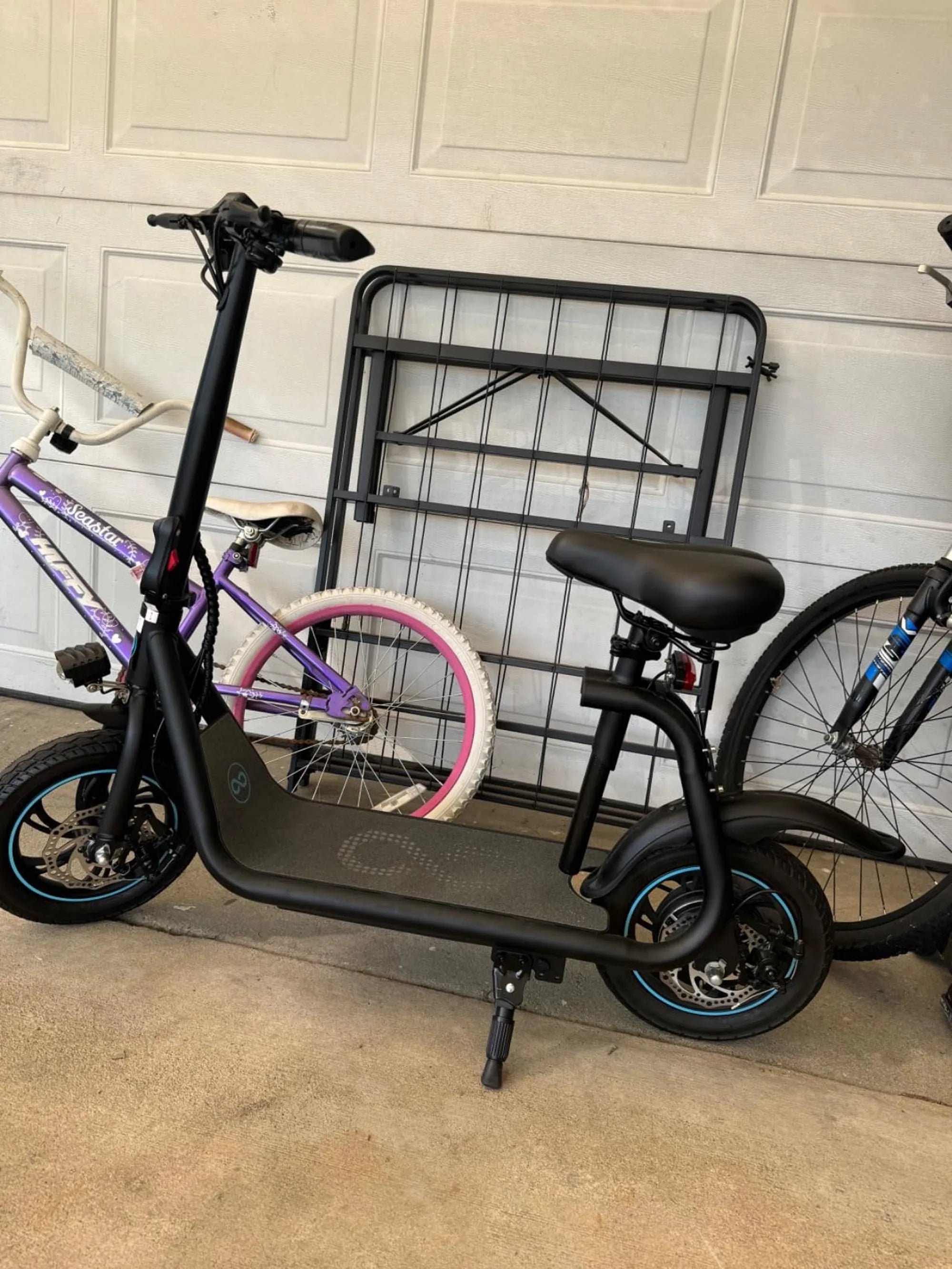
National parks are treasured for their pristine landscapes and untouched beauty, but as technology evolves, so do the ways we explore them. One question many adventurers ask is: Are electric scooters allowed in national parks? The answer isn't straightforward, as policies vary by location and purpose. Let's dive into the rules, the reasoning behind them, and how you can enjoy these natural wonders responsibly.
Understanding National Park Regulations
National parks are governed by strict regulations designed to protect wildlife, ecosystems, and visitor safety. While some parks embrace modern transportation methods, others restrict them to preserve the environment. Electric scooters fall into a gray area, as they are neither traditional bicycles nor motor vehicles.
Federal vs. Local Rules
The National Park Service (NPS) provides overarching guidelines, but individual parks can impose additional restrictions. Generally, electric scooters are classified as "motorized vehicles," which means they are often prohibited on trails and natural surfaces. However, some parks allow them on paved roads or designated bike paths.
Why the Restrictions Exist
Electric scooters, while eco-friendly compared to cars, can still disturb wildlife, erode trails, and create noise pollution. Parks prioritize minimizing human impact, which is why non-motorized options like hiking and cycling are often encouraged.
Where Are Electric Scooters Permitted?
Some national parks have started pilot programs to test the integration of electric scooters. These programs typically limit scooters to specific areas, such as:
- Paved roads open to public vehicles
- Designated bike lanes
- Parking areas and visitor centers
Before bringing an electric scooter, always check the park's official website or contact rangers for the latest updates.
Eco-Friendly Alternatives to Electric Scooters
If electric scooters aren't allowed in your chosen park, consider these sustainable alternatives:
Bicycles
Many parks have bike-friendly trails and rental options. Cycling is a quiet, low-impact way to cover more ground without harming the environment.
Shuttle Services
Several national parks offer free or low-cost shuttle buses to reduce traffic congestion and emissions.
Walking or Hiking
Nothing beats exploring on foot! Hiking allows you to immerse yourself in nature at a slower, more mindful pace.
Tips for Responsible Park Visits
Whether you're on a scooter, bike, or foot, follow these guidelines to protect national parks:
- Stay on designated trails to prevent soil erosion.
- Respect wildlife by keeping a safe distance.
- Pack out all trash and leave no trace.
- Follow posted speed limits and yield to pedestrians.
By adhering to these principles, you help ensure these natural treasures remain unspoiled for future generations.
The Future of Electric Scooters in National Parks
As technology advances and sustainability becomes a greater priority, national parks may revisit their policies on electric scooters. Some advocates argue that scooters can reduce car traffic and carbon emissions, while others emphasize the importance of preserving the parks' natural serenity.
For now, the best approach is to research ahead of your visit, respect the rules, and choose the most eco-friendly transportation available. National parks are a gift to us all—let's explore them thoughtfully and leave only footprints behind.
Ready to plan your next adventure? Check your park's regulations, pack your gear, and get ready to experience the great outdoors—sustainably and responsibly!
Two Wheel Electric Scooters for Adults: Ultimate Urban Commuting Solution
Electric Scooters 120km 150km Per Charge: The Future of Urban Mobility