



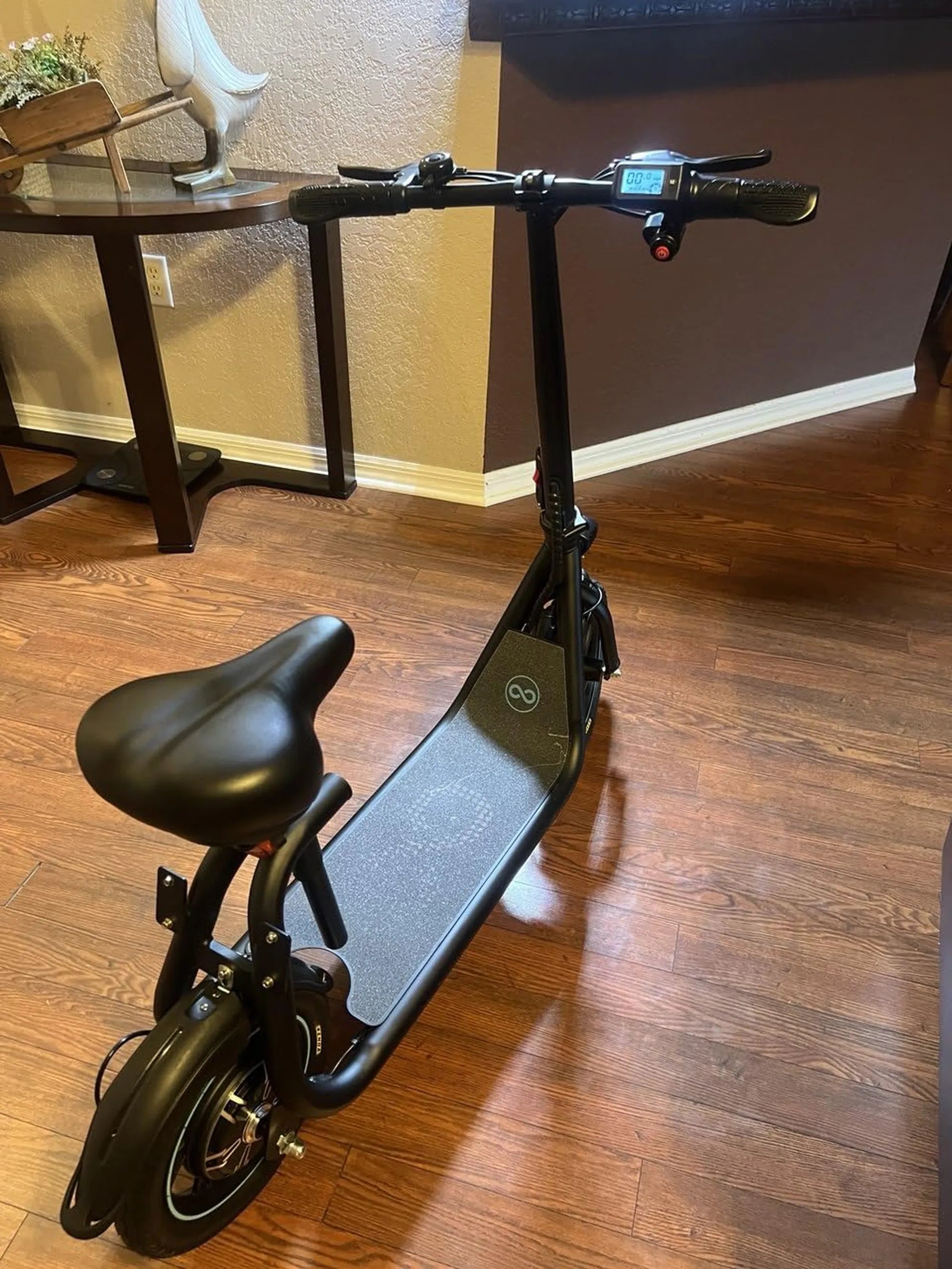
Are electric scooters banned in NSW? The short answer is nuanced: privately owned e-scooters capable of going faster than 10km/h are effectively banned from all public roads, footpaths, and shared paths. Their use is restricted almost entirely to private property. This comprehensive guide cuts through the confusion, providing a detailed, up-to-date analysis of NSW's complex e-scooter laws. You will learn the critical distinction between private and trial e-scooters, understand the technical rules that define a legal device, and grasp the significant fines and risks of illegal riding. We'll also explore the future of e-scooter regulation and how to ride responsibly within the current legal framework.
Navigating NSW's E-Scooter Legal Landscape
The legal status of electric scooters in New South Wales is defined by a strict regulatory framework that many riders find surprising. Under the Road Transport Act 2013 and related regulations, an e-scooter is classified based on its motor power and capability. The central pillar of NSW law states that any electric scooter with a motor over 200 watts or capable of exceeding 10km/h on level ground is considered a motor vehicle.
This classification triggers a cascade of legal requirements. As a motor vehicle, the e-scooter would need to be registered, insured, and the rider would need a valid driver's licence. Furthermore, the vehicle itself would need to comply with the Australian Design Rules (ADRs) for safety. No mass-market electric scooter on the market today meets these ADRs for registration.
Consequently, these devices cannot be registered. Riding an unregistered and uninsured motor vehicle on a public road or road-related area (including footpaths, bicycle paths, and shared paths) is illegal. This creates the effective ban that confounds many new owners. The law creates a clear dichotomy: ultra-low-powered devices under the thresholds are treated as wheeled recreational devices, while everything else falls into a prohibited category for public use.
It is crucial to understand that this law applies to privately owned e-scooters. Parallel to this, the NSW government has sanctioned rental e-scooter trials in specific local government areas. These trials operate under a separate, special set of rules, creating a two-tier system that is a primary source of public confusion.
The Current Legal Status: Private Ownership vs. Government Trials
The core of NSW's e-scooter regulation hinges on the distinction between private ownership and participation in an official government trial. For the vast majority of residents who purchase an e-scooter from a retailer, the rules are prohibitive. For those in trial zones using a sanctioned rental scooter, a controlled, legal framework exists.
For private e-scooters, the law is unambiguous. Riding a device that can exceed 10km/h on any public land is illegal. This includes all roads, bicycle lanes, footpaths, parks, and shared pathways. The only place you can legally ride a private e-scooter that falls under the motor vehicle classification is on private property with the explicit consent of the landowner.
In contrast, approved rental trials operate in designated zones within certain council areas, such as parts of the City of Sydney, City of Parramatta, and the City of Newcastle. Companies like Neuron and Beam operate these fleets under strict conditions set by Transport for NSW. These conditions include geofencing to control where scooters can be ridden and parked, mandatory helmet use, and speed limits that can dynamically adjust in pedestrian-heavy areas.
Where Can You Legally Ride a Private E-Scooter?
The legal venues for using a privately owned, non-compliant e-scooter (i.e., one that can go faster than 10km/h) are extremely limited. The primary legal location is on private property. This could be your own backyard, a private driveway, or a friend's large private land, provided you have permission.
Public land is almost entirely off-limits. A common misconception is that bicycle lanes or shared paths are permissible. They are not. Under NSW law, these are considered road-related areas, and the same rules against unregistered motor vehicles apply. Riding on footpaths is also illegal and poses significant safety risks to pedestrians, potentially leading to substantial fines.
Some ask about beach paths or park trails. Unless it is explicitly marked as a closed, private venue (like a specific skate park or BMX track that permits such devices), these are public areas where the ban applies. The enforcement risk may be lower in some remote areas, but the legal liability and lack of insurance coverage remain critical issues.
Official E-Scooter Trial Schemes in NSW
The government-sanctioned trials are designed to gather data on safety, public amenity, and transport integration. In trial zones, riders can use the designated rental apps to hire e-scooters that are legally permitted on specific paths and roads within the geofenced area. These scooters are technologically limited to comply with trial rules, typically capped at 20km/h on bike lanes and lower speeds on footpaths.
Key trial rules include: riders must be 18+ with a valid driver's licence or learner permit, helmets are mandatory, riding on footpaths is permitted in some trial areas but with reduced speed limits (often 10km/h), and riding is prohibited outside the trial zone. Parking is also restricted to designated corrals to prevent clutter. The success and data from these trials will directly inform future permanent legislation for both rental and potentially private e-scooters.
Understanding the Technical Rules: What Defines a Legal Device?
The technical specifications that determine an e-scooter's legality in NSW are precise and non-negotiable. According to the NSW legislation, for a device to be considered a wheeled recreational device (like a non-motorised scooter or skateboard) and thus exempt from registration, it must meet all of the following criteria:
- Have a maximum power output of 200 watts or less.
- Be incapable of exceeding 10km/h on level ground.
- Not be fitted with a seat designed to be sat on by the rider.
A device meeting these specs can be used on footpaths and shared paths, with the rider subject to the same road rules as pedestrians. However, the commercial reality is that virtually no adult-oriented electric scooter is manufactured to these specifications. Even basic entry-level models from reputable brands have minimum speeds of 15-20km/h and motors starting at 250W.
This creates a significant market gap. The legally compliant devices are typically toys designed for very young children, not viable transport options for adults. Therefore, any adult seeking an e-scooter for practical use is immediately looking at devices that are illegal for public use under current NSW law.
The 10km/h Speed Limit: Why It's a Deal-Breaker
The 10km/h speed limit is the most impactful and arguably outdated specification. Ten kilometres per hour is only marginally faster than a brisk walking pace. It negates the core utility of an e-scooter: efficient, low-effort personal mobility. A commute that takes 30 minutes on a 25km/h e-scooter would take over an hour at 10km/h.
This limit effectively bans the entire mainstream e-scooter market. Brands like Gyroor engineer their scooters for safe, reliable performance at speeds appropriate for keeping up with urban bicycle traffic (typically 25-30km/h), which is why their models start at 350W motors. The NSW law, as it stands, does not acknowledge e-scooters as a distinct vehicle class with appropriate, safe speed tiers, instead forcing them into outdated categories.
Safety Standards and the Importance of UL-Certification
Even when riding on private property, safety should be the paramount concern. Investing in a scooter from a brand that prioritizes certified safety standards is non-negotiable. The most critical component is the battery system. Lithium-ion batteries, if poorly manufactured, pose a serious fire risk.
This is where certifications like UL (Underwriters Laboratories) become essential. A UL-certified battery pack, like those used in all Gyroor models, has undergone rigorous independent testing for electrical, mechanical, and fire safety. It is tested for over 500 charge cycles, ensuring long-term reliability. For riders in NSW, choosing a scooter with such certifications is not just about quality; it's about future-proofing. When laws eventually change to allow private e-scooters, compliance with high safety standards will likely be a prerequisite.
Risks, Penalties, and Insurance Implications
Ignoring NSW's e-scooter laws carries substantial and concrete consequences. Enforcement by NSW Police is active, particularly in areas where illegal scooter use conflicts with pedestrians or traffic. The penalties are severe because you are technically operating an unregistered and uninsured motor vehicle.
The primary fines are staggering. You can be issued an on-the-spot fine for: Using an unregistered vehicle on a road – a fine of $723 (as of 2023). Using an uninsured vehicle on a road – a fine of $723. Furthermore, the rider can be fined for not holding a valid licence for that class of vehicle. Police also have the power to confiscate the e-scooter.
The insurance implications are perhaps the most severe risk. If you cause an accident while illegally riding your e-scooter on a public road, you have no third-party liability insurance. You would be personally liable for all property damage and, critically, for any injuries you cause to another person—potentially amounting to hundreds of thousands or millions of dollars in medical and compensation costs. Your personal home or contents insurance is highly unlikely to cover this liability for an illegal activity.
The Future of E-Scooter Laws in NSW
Pressure is mounting for reform. The disparity between the popular rental trials and the ban on private devices is unsustainable. Transport for NSW has conducted extensive consultations on personal mobility devices (PMDs), with a view to modernising the legislation. A future regulatory model is likely to include several key elements.
First, the creation of a new vehicle category for e-scooters and similar devices, with appropriate speed and power limits. Many stakeholders advocate for a top speed of 25km/h for use on bicycle paths and lower speeds on footpaths. Second, a mandatory safety standard, likely requiring compliance with specific international standards (like UL or CE) for batteries and electronics. Third, potential requirements for safety equipment, such as compulsory helmet use, front and rear lights, and a bell.
A registration or licensing scheme is less likely for low-powered devices but may be considered for higher-speed models. The outcome of the ongoing rental trials will be pivotal in shaping this future framework. For riders, the best course is to stay informed through official channels like the Transport for NSW website and to advocate for sensible, safety-focused reforms that recognise e-scooters as a legitimate part of the transport mix.
E-Scooter vs. E-Bike Laws in NSW: A Crucial Comparison
A common point of confusion is the difference between e-scooter and e-bike laws. In NSW, electric bicycles (pedalecs) that meet the EPAC (Electrically Power Assisted Cycle) standard are treated as regular bicycles. This provides a clear, legal pathway for personal electric mobility.
| Feature | Private E-Scooter (Current NSW Law) | E-Bike (EPAC Compliant) | Rental E-Scooter (Trial Zone) |
|---|---|---|---|
| Legal Status on Public Paths/Roads | Illegal (if >10km/h capable) | Legal, treated as a bicycle | Legal within designated trial zones only |
| Max Legal Speed (Public Use) | 10 km/h | 25 km/h (motor assist cuts out) | 20 km/h (varies by zone) |
| Motor Power Limit | 200W | 250W | Set by trial operator |
| Registration Required | Yes (but impossible to get) | No | No (covered by trial scheme) |
| Helmet Required | Yes (if illegally on road) | Yes (mandatory for all cyclists) | Yes (mandatory for trial) |
| Where to Ride | Private property only | Bike lanes, roads, shared paths | Designated paths in trial area |
This table highlights the regulatory asymmetry. An e-bike rider can legally commute on roads and paths, while an e-scooter rider with a similarly powered device cannot. This discrepancy is a key driver for legal reform.
FAQ: Your NSW E-Scooter Questions Answered
1. Can I ride my private e-scooter to the train station or local shops?
No. Unless your entire journey is on private property, riding a private e-scooter capable of exceeding 10km/h to a train station, shop, or any public destination is illegal. You risk fines, demerit points, and confiscation of your scooter.
2. Are the police actually enforcing these laws?
Yes. NSW Police have issued numerous fines, particularly in metropolitan areas like Sydney CBD where conflicts with pedestrians occur. Enforcement campaigns are periodic, and the financial risk is significant.
3. What if I modify my scooter to limit its speed to 10km/h?
If you can permanently and verifiably modify a scooter so it is incapable of exceeding 10km/h and its motor is 200W or less, it would technically comply. However, this renders it impractical for most adults, and proving compliance to an officer would be difficult.
4. Does my home insurance cover my e-scooter if it's stolen or if I cause an accident?
You must check your specific policy. Most home contents policies may cover theft from your home. However, liability coverage for causing injury or damage while illegally riding in public is almost certainly excluded. You should contact your insurer for clarification.
5. Are e-scooters legal in other Australian states?
Laws vary significantly. Queensland, Tasmania, and the ACT have more progressive laws allowing private e-scooters with speed limits around 25km/h on certain paths. Victoria and South Australia have rules similar to NSW. Always check the local state transport authority website.
Riding Responsibly and Staying Informed
The current legal framework for electric scooters in NSW is restrictive, but it is not the final word. The key takeaway is clear: for now, riding a privately owned, performance-capable e-scooter on NSW public paths and roads is illegal and carries serious penalties. Your legal options are to participate in an official rental trial within its strict boundaries or to enjoy your device on private property.
If you choose to ride on private land or are preparing for future law changes, prioritising safety is paramount. Invest in a reputable brand like Gyroor, which builds its scooters with UL-certified batteries, IPX5 water-resistant designs, and robust construction backed by a reliable 1-year warranty. These features are not just about performance; they are about risk management and responsible ownership.
The landscape is evolving. Stay updated on law reforms by monitoring announcements from Transport for NSW. Advocate for sensible regulations that balance innovation with safety. For those seeking a legal, electric-powered commute today, a compliant e-bike remains the most straightforward alternative. For the latest in UL-certified, reliable personal electric mobility, browse the full Gyroor collection at gyroorboard.com.
Is It Illegal to Ride Electric Scooters? What You Need to Know
Best Electric Scooters for 7 Year Olds: A Parent's Guide to Safety and Fun