



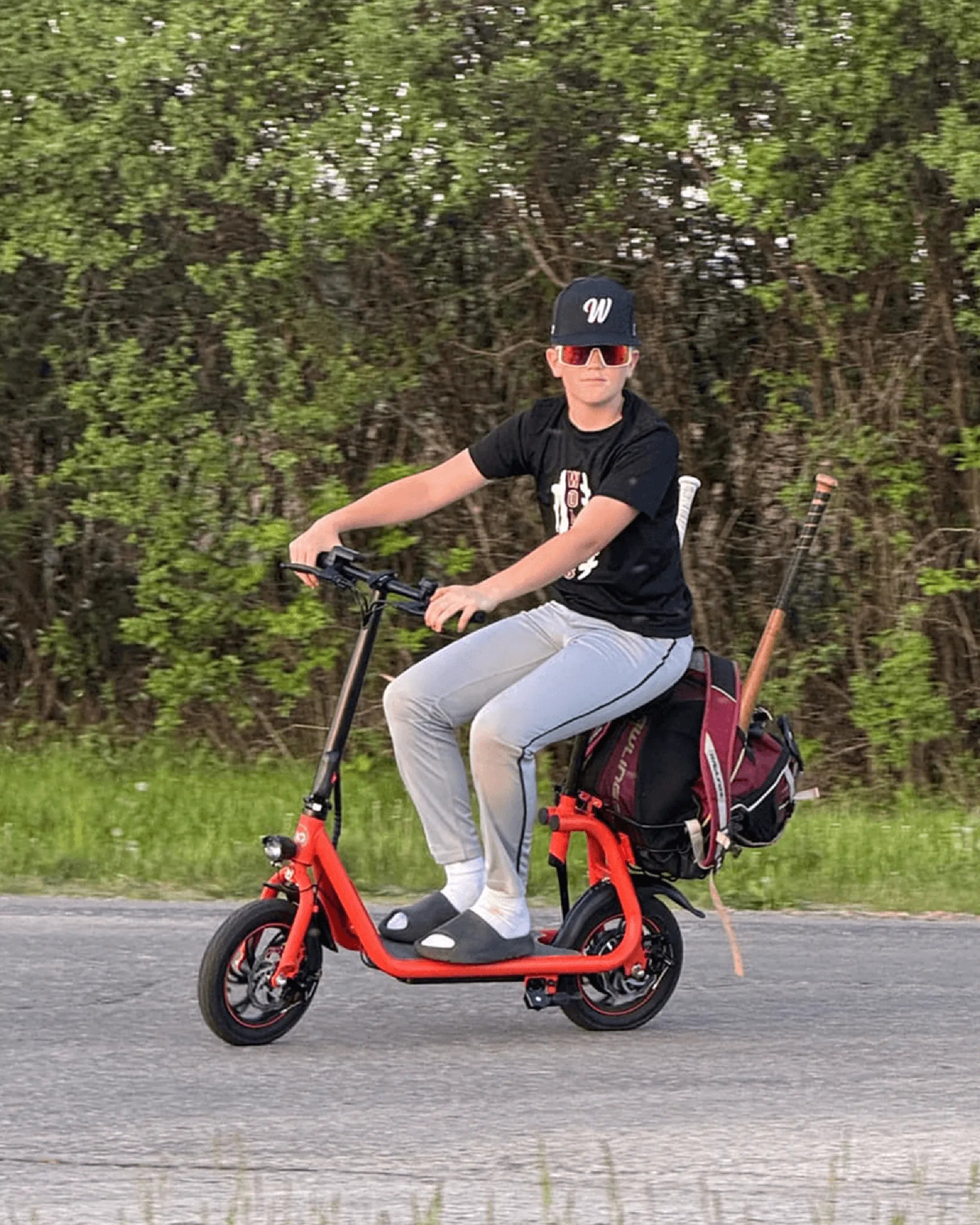
Imagine zipping through Manhattan's bustling streets on a quiet, emission-free ride—no traffic jams, no subway delays, just the wind in your hair. The question on every urban commuter's mind: are electric scooters coming to NYC? While other global cities have welcomed e-scooters with open arms, New York's complex transportation ecosystem presents unique hurdles. Let's dive into what's holding them back—and why their arrival might be inevitable.
The Current State of Micromobility in New York
New York City's relationship with micromobility has been cautious yet evolving. While bike-sharing programs have flourished, electric scooters remain conspicuously absent from most boroughs. A 2021 pilot program in the Bronx marked the city's first official foray into shared e-scooters, but expansion plans have moved slower than a rush-hour F train.
Legal Landscape
The New York State Vehicle and Traffic Law currently classifies e-scooters as "limited-use vehicles," subject to specific restrictions:
- Maximum speed of 15 mph on roads
- Prohibited on sidewalks
- Helmet requirements for riders under 16
- No operation in Manhattan below 96th Street
Why NYC Needs Electric Scooters
With congestion pricing looming and subway reliability concerns persisting, e-scooters could fill critical gaps in New York's transportation network:
Last-Mile Solutions
Over 60% of subway riders walk more than 10 minutes to reach stations. Lightweight e-scooters could bridge these "transit deserts," particularly in outer boroughs with less robust public transit options.
Environmental Impact
Transportation accounts for 30% of NYC's greenhouse gas emissions. A modal shift to electric scooters for short trips could significantly reduce the city's carbon footprint—if charged using renewable energy sources.
Economic Accessibility
At $2-3 per ride, shared e-scooters could prove more affordable than ride-hailing services for budget-conscious New Yorkers, while creating new green jobs in maintenance and operations.
Challenges to Widespread Adoption
Infrastructure Limitations
NYC's legendary potholes and narrow streets weren't designed for micromobility. Without dedicated lanes and parking corrals, e-scooters risk becoming sidewalk hazards or traffic obstacles.
Safety Concerns
Pedestrian advocates worry about reckless riding behavior, while data from other cities shows e-scooter-related ER visits increasing. Proper education and enforcement will be crucial.
Regulatory Hurdles
Unlike cities that rapidly legalized e-scooters, New York's multilayered governance requires coordination between city and state agencies—a process slower than a Coney Island-bound N train on weekends.
What Other Cities Can Teach NYC
From Paris to Portland, global cities offer valuable lessons for New York's potential e-scooter rollout:
| City | Key Takeaway |
|---|---|
| Paris | Strict parking zones reduced sidewalk clutter by 40% |
| Los Angeles | Geofencing technology minimized riding in prohibited areas |
| Chicago | Equity requirements ensured service in underserved neighborhoods |
The Road Ahead
Recent signals suggest change may be coming:
- The City Council has proposed expanding the Bronx pilot citywide
- New DOT commissioner has expressed openness to micromobility solutions
- Federal infrastructure funds could support dedicated lanes
As New Yorkers grow increasingly frustrated with transit delays and rising costs, the pressure to embrace e-scooters will only intensify. The real question isn't if electric scooters are coming to NYC—but how soon we'll see them weaving through yellow cabs and food delivery bikes. One thing's certain: when they arrive, the city that never sleeps will give them the ultimate stress test.
Who Is the Best Electric Scooter Brand? A Comprehensive Guide to Top Choices
Best Electric Scooter Under $300 Canada 2025: Top Affordable Picks