

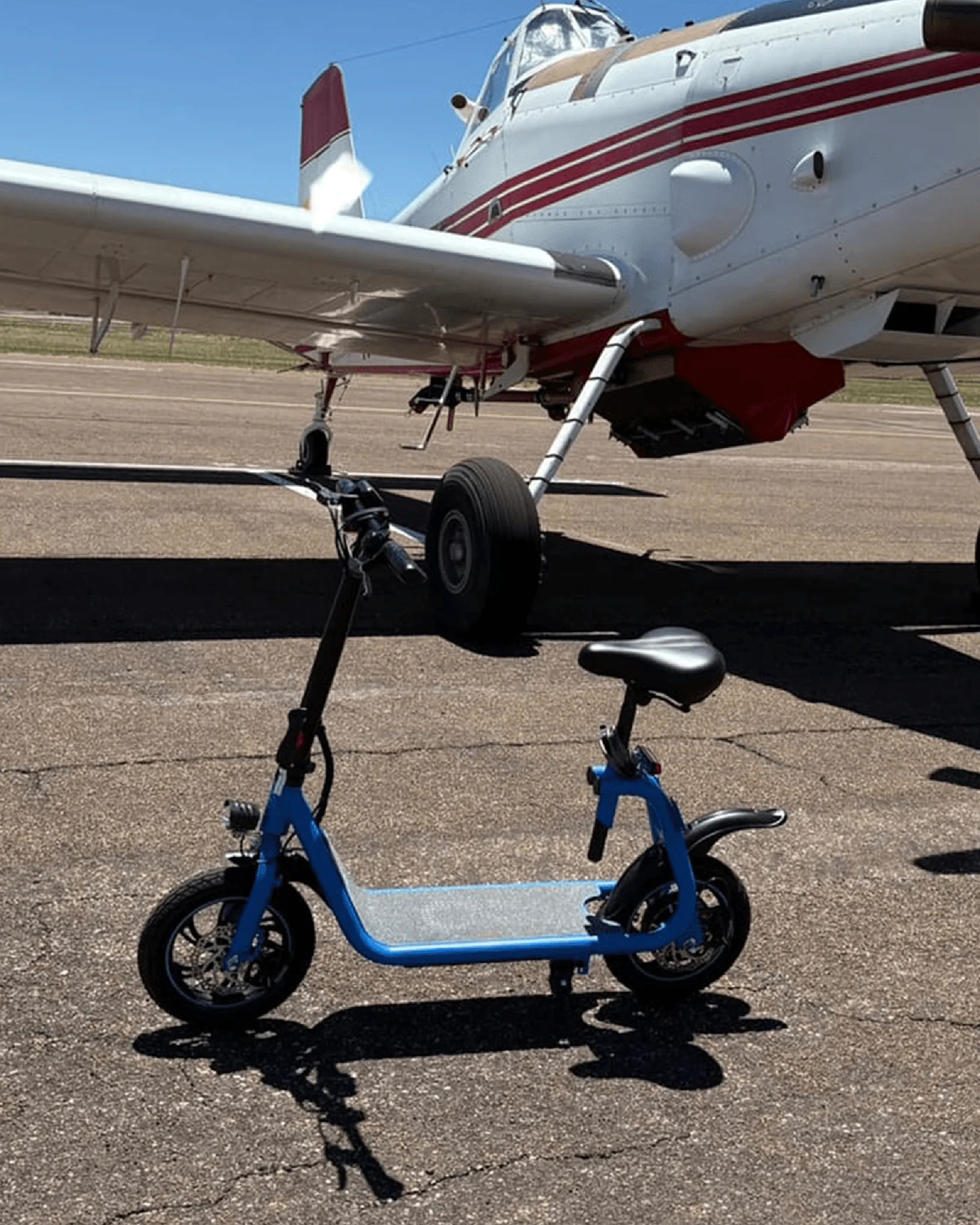
Electric scooters have zipped their way into urban landscapes worldwide, offering a convenient and eco-friendly alternative to traditional transportation. But as their popularity grows, so does the debate: are electric scooters considered vehicles? The answer isn’t as straightforward as you might think, blending legal definitions, safety concerns, and practical usage into a complex discussion.
Legal Definitions of Electric Scooters
Different jurisdictions have varying rules about whether electric scooters qualify as vehicles. In some places, they’re treated similarly to bicycles, while others classify them as motor vehicles, requiring registration, insurance, or even a license to operate.
- United States: Laws vary by state, with some treating e-scooters as motor vehicles and others as "personal mobility devices."
- European Union: Many countries categorize e-scooters as motorized vehicles, subject to speed limits and road restrictions.
- Asia: Some nations require licenses and helmets, while others have no specific regulations.
Safety and Infrastructure Concerns
One reason for the legal ambiguity is the safety risks associated with electric scooters. Unlike cars, they lack protective structures, and riders often share roads with much larger vehicles. Cities are grappling with how to integrate e-scooters into existing infrastructure—should they ride on sidewalks, bike lanes, or roads?
Studies show that accidents involving e-scooters are on the rise, prompting calls for stricter regulations. Helmets, speed limits, and designated lanes are among the proposed solutions to mitigate risks.
Practical Implications for Riders
If electric scooters are classified as vehicles, riders may face new obligations:
- Licensing requirements
- Insurance mandates
- Traffic law compliance
On the flip side, such classification could also grant riders more rights, like access to bike lanes or legal protections in accidents.
The Future of Electric Scooter Regulations
As urban mobility evolves, so will the laws governing electric scooters. Policymakers must balance innovation with safety, ensuring that e-scooters remain a viable transportation option without compromising public welfare.
Whether you’re a daily commuter or an occasional rider, understanding how your local laws define electric scooters can save you from fines—or worse. The next time you hop on an e-scooter, ask yourself: is this a vehicle, or something else entirely? The answer might just change how you ride.
Best Commuter Kick Scooter: The Ultimate Guide to Urban Mobility
Best E Scooter with Removable Battery: Top Picks for Convenient Commuting