



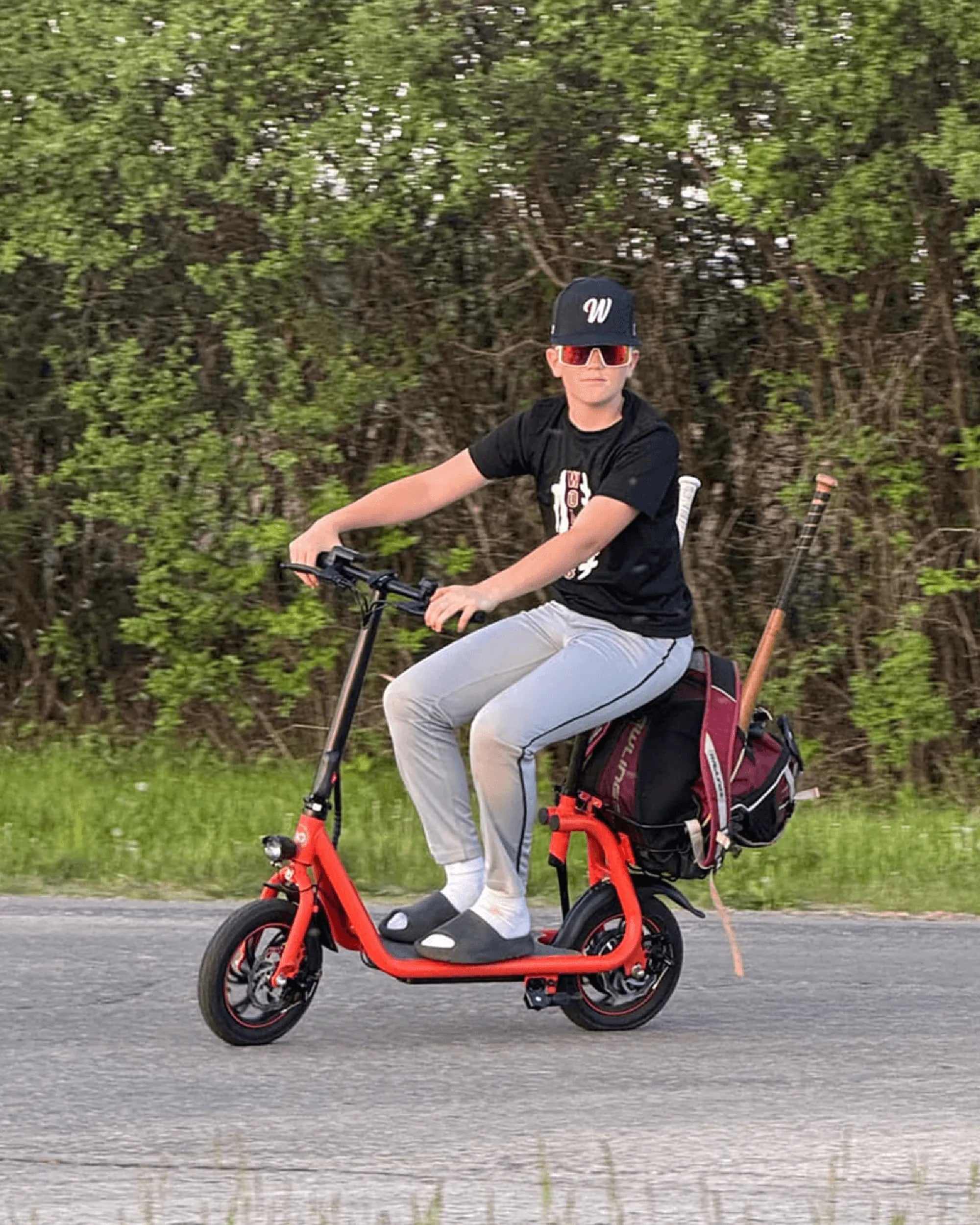
Electric scooters have become a ubiquitous sight in cities worldwide, offering a convenient and eco-friendly mode of transportation. But as their popularity grows, so do concerns about their safety. Are electric scooters dangerous to ride? The answer isn't straightforward—while they provide an efficient way to navigate urban landscapes, they also come with inherent risks. From collisions with vehicles to uneven terrain, riders face numerous hazards. This article delves into the dangers of electric scooters, the most common injuries, and how to mitigate risks for a safer ride.
The Rising Popularity of Electric Scooters
Electric scooters have exploded in popularity over the last decade, particularly in urban areas where traffic congestion and environmental concerns are high. They offer a quick, affordable, and low-emission alternative to cars and public transport. However, their rapid adoption has outpaced regulations and infrastructure, leading to safety challenges. Many cities struggle to accommodate the sudden influx of scooters, resulting in crowded sidewalks, unsafe riding conditions, and conflicts with pedestrians and drivers.
Common Dangers of Riding Electric Scooters
While electric scooters are fun and practical, they are not without risks. Some of the most common dangers include:
- Collisions with Vehicles: Sharing the road with cars, trucks, and buses can be hazardous, especially in areas without dedicated bike lanes.
- Uneven or Poor Road Conditions: Potholes, cracks, and debris can cause riders to lose control and crash.
- High Speeds: Many electric scooters can reach speeds of 15-20 mph, increasing the risk of severe injuries in accidents.
- Lack of Protective Gear: Riders often forego helmets and pads, leaving them vulnerable to head injuries and fractures.
- Pedestrian Conflicts: Scooters zipping through sidewalks can lead to collisions with pedestrians, particularly in crowded areas.
Statistics on Electric Scooter Injuries
Research highlights the growing number of injuries associated with electric scooters. Emergency room visits related to scooter accidents have surged, with common injuries including fractures, sprains, and traumatic brain injuries. A significant percentage of these incidents involve riders under the influence of alcohol or distracted by their phones. These statistics underscore the need for greater awareness and stricter safety measures.
How to Ride Electric Scooters Safely
While electric scooters pose risks, many accidents can be prevented with proper precautions. Here are essential safety tips for riders:
- Wear a Helmet: A properly fitted helmet can significantly reduce the risk of head injuries.
- Follow Traffic Laws: Obey speed limits, stop at red lights, and use hand signals when turning.
- Stay Alert: Avoid distractions like phones and headphones, and always watch for obstacles.
- Ride in Designated Areas: Stick to bike lanes or roads where scooters are permitted, avoiding sidewalks when possible.
- Check the Scooter Before Riding: Ensure brakes, lights, and tires are in good condition.
The Role of Infrastructure and Regulations
Improving scooter safety isn't just the responsibility of riders—cities must also play a role. Better infrastructure, such as dedicated scooter lanes and smoother road surfaces, can reduce accidents. Additionally, stricter regulations, including mandatory helmet laws and speed restrictions, could help curb reckless riding. Some cities have already implemented these measures with positive results.
Are Electric Scooters Worth the Risk?
Despite the dangers, electric scooters offer undeniable benefits, from reducing carbon footprints to easing traffic congestion. The key is balancing convenience with safety. By adopting responsible riding habits and advocating for better infrastructure, riders can minimize risks while enjoying the perks of this modern transportation option.
Electric scooters aren't inherently dangerous, but how they're used makes all the difference. Whether you're a daily commuter or an occasional rider, prioritizing safety can help you avoid becoming another statistic. So before you hop on your next ride, ask yourself: are you doing everything possible to stay safe?
Are Electric Scooters Street Legal in Delaware? What You Need to Know
Electric Scooter for Adults Price in India: A Comprehensive Buying Guide