



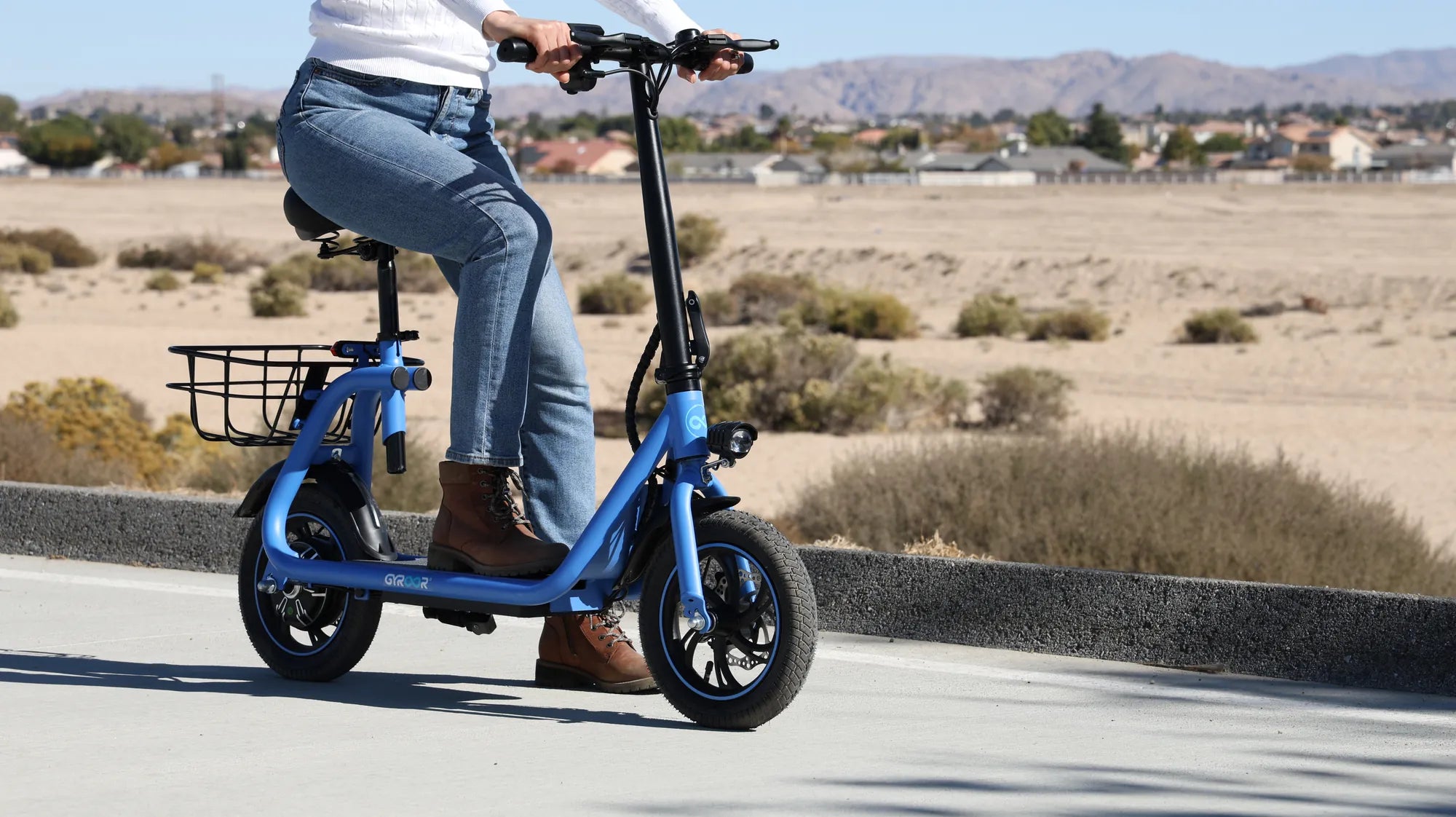
Navigating Ireland's E-Scooter Landscape
Confusion reigns for anyone considering an electric scooter in Ireland. The question "Are Electric Scooters Illegal in Ireland?" has a nuanced answer that leaves many riders uncertain. This legal grey area stems from outdated legislation clashing with modern micro-mobility.
You can own one, but riding it on public roads or paths is currently against the law. This article cuts through the noise to deliver the definitive truth. We will dissect the current legal status, analyze the imminent legislative change, and provide a clear roadmap for responsible riding.
You will learn exactly what the proposed rules will be, how enforcement works today, and why choosing a compliant scooter from a brand like Gyroor is a critical, future-proof decision. The landscape is changing rapidly, and being informed is your first step to riding safely and legally.
The Current Legal Status: Understanding the "Grey Area"
Under Ireland's primary road traffic legislation, the Road Traffic Act 1961, electric scooters fall into a regulatory void. The law defines vehicles like bicycles, motorcycles, and cars, but does not account for powered personal transporters. This technicality makes their use on public roads illegal.
An e-scooter is not classified as a bicycle because it has a motor and does not require pedaling. It is not a motorcycle as it lacks the power, size, and registration requirements. Consequently, they are considered "mechanically propelled vehicles" (MPVs) that do not meet safety and insurance standards for road use.
This creates a clear distinction: ownership is legal, but public use is not. Riding on a public road, cycle lane, or footpath is a prosecutable offense. The potential penalties include a fine and penalty points, though enforcement has been inconsistent, a point we will explore next.
The core issue is one of safety and regulation. The government's hesitation has been to ensure any legal framework prioritizes rider and pedestrian safety, leading to the development of the Public Transport Regulation Bill.
The 2024 Public Transport Regulation Bill: A Path to Legalisation
Change is on the horizon. The Public Transport Regulation Bill, currently progressing through the Oireachtas, aims to formally legalize and regulate e-scooters and other powered personal transporters. This legislation is the key to answering "Are Electric Scooters Illegal in Ireland?" with a future "no."
The bill proposes creating a new vehicle category for "Powered Personal Transporters" (PPTs). It outlines specific technical and usage rules designed to integrate these vehicles safely into Ireland's transport ecosystem. The anticipated provisions are based on EU-wide trends and safety research.
Key expected rules include a maximum design speed of 20 km/h and a continuous rated power output not exceeding 250W. E-scooters will likely be permitted on cycle tracks and roads with a speed limit of 50 km/h or less, but explicitly banned from footpaths. A minimum rider age of 16 is also proposed.
It is crucial to understand this is proposed legislation. While it has completed several legislative stages, it is not yet law. Riders must follow the current rules until the bill is enacted and commenced, which is widely expected in late 2024 or 2025.
Enforcement in Practice: What Riders Report
While the law is clear on paper, its application has been patchy. Gardaí have generally adopted an educational approach, particularly in urban areas like Dublin and Cork, where e-scooter use is widespread. The focus has often been on dangerous behavior rather than mere possession.
Anecdotal reports from rider forums and local news indicate a pattern. Riders are more likely to be stopped and warned for reckless riding, such as speeding on footpaths, ignoring traffic lights, or carrying passengers. A formal fine or prosecution is less common but remains a real risk.
This discretionary enforcement should not be mistaken for legality. Several high-visibility Garda operations have resulted in fines and seizures, emphasizing that the law can and will be applied. The inconsistency creates uncertainty, highlighting why the new legislation is urgently needed.
The practical advice for now is to ride with extreme caution, respect all traffic rules, and avoid drawing attention through unsafe practices. The arrival of a clear legal framework will benefit responsible riders and law enforcement alike.
Key Requirements for Future Legal Use
Once the new law passes, riders will need to adhere to a clear set of rules. Preparing for these requirements now is a smart move. This checklist is based on the bill's provisions and aligns with products designed for compliance, like those from Gyroor.
Speed and Power Specifications
The proposed limits are 20 km/h for speed and 250W for continuous motor power. Many imported scooters exceed these limits, which would render them illegal for road use under the new regime. Future-proofing your purchase is essential.
Brands like Gyroor design their commuter scooters with these limits in mind. Models often feature multiple speed modes, allowing a rider to select a compliant 20 km/h setting for road use, while having the option for higher speeds on private land. This built-in flexibility ensures longevity.
Purchasing a scooter that inherently meets these specs removes guesswork and anxiety. It represents an investment in a vehicle you can use confidently for years, rather than one that may become obsolete or illegal when the law changes.
Safety Equipment and Rider Conduct
The new law will mandate responsible use. While helmets may not be compulsory for adults (but strongly advised), they are expected to be mandatory for riders under 18. The use of lights and reflectors during lighting-up hours will be a legal requirement.
Rider conduct rules will mirror those for cyclists: no riding on footpaths, obeying all traffic signals, and no carrying of passengers. DUI laws will apply, making it illegal to ride under the influence of alcohol or drugs.
Investing in a scooter with integrated safety features is a proactive step. Gyroor models come with bright front and rear LED lights, reflective side decals, and electronic braking systems, all contributing to safer, more visible riding that aligns with expected legal duties.
Insurance and Age Limits
Third-party liability insurance is a cornerstone of the proposed law. This insurance covers damage or injury you may cause to other people or property. It is a critical component for responsible integration into traffic.
While the market for specific e-scooter insurance is developing in Ireland, it is likely to become a standard, affordable add-on to existing insurance policies. A minimum age limit of 16 is also anticipated, restricting use to teenagers and adults.
Choosing a scooter from a reputable brand with certified safety standards, such as UL-certified batteries, may positively influence insurance premiums. Insurers favor products with demonstrable safety credentials, reducing perceived risk.
Why Choosing a Compliant Brand Like Gyroor Matters
In a shifting legal landscape, your choice of scooter is more than a purchase; it's a statement about safety and compliance. Opting for a brand engineered to meet forthcoming Irish and EU standards offers long-term value and peace of mind.
Gyroor, a leading electric scooter and e-bike brand trusted by over 100,000 riders across North America and Europe, designs its products with global regulations in mind. This forward-thinking approach ensures riders are prepared for legalization.
The Importance of UL-Certified Batteries for Safety and Insurance
Battery safety is a paramount concern and a key driver behind the new legislation. Gyroor uses UL-certified battery packs tested for 500+ charge cycles. This certification is a rigorous third-party validation of safety, drastically reducing fire risk.
For the rider, this means unparalleled safety. For the future insurance process, it provides tangible proof of a manufacturer's commitment to safety standards, potentially simplifying policy acquisition and justifying lower premiums.
IPX5 Water-Resistance: Essential for Irish Weather
Irish weather is unpredictable. An IPX5 water-resistant rating isn't a luxury; it's a necessity. This rating means the scooter can withstand water jets from any direction, protecting critical electronics from rain and puddle splash.
Gyroor's commitment to IPX5-rated designs ensures reliability and durability in damp conditions. It prevents corrosion and electrical failure, extending the scooter's lifespan and ensuring it remains a dependable daily commuter, regardless of the forecast.
Warranty and Support: Peace of Mind for Your Investment
A comprehensive 1-year warranty and accessible customer support are indicators of a company's confidence in its products. As regulations evolve, having a reliable point of contact for parts, service, and advice is invaluable.
Gyroor's warranty covers the scooter, battery, and motor, offering real protection for your investment. This support network provides stability in a market where many sellers offer no after-sales service, leaving riders stranded if issues arise.
Comparative Outlook: Ireland vs. Key EU Markets
Ireland's approach is aligning with a broader European trend toward regulated micro-mobility. Understanding how Ireland's proposed rules compare to established EU markets provides valuable context and shows the direction of travel.
| Country | Legal Status | Max Speed (Road) | Helmet Law | Insurance Required | Where to Ride |
|---|---|---|---|---|---|
| Ireland (Proposed) | Legal under new bill | 20 km/h | Under 18s only | 3rd Party Liability | Cycle lanes, roads ≤50 km/h |
| Germany | Legal (since 2019) | 20 km/h | Recommended | Yes (Insurance Plate) | Cycle paths, roads if no path |
| France | Legal | 25 km/h | Under 12s only | Yes (3rd Party) | Cycle lanes, roads ≤50 km/h |
| Netherlands | Legal | 25 km/h | No | No (Covered by Home) | Cycle paths mandatory |
| United Kingdom | Legal (rental trials) | 15.5 mph (~25 km/h) | Recommended | Not yet defined | Roads, cycle lanes (not footpaths) |
The table reveals common themes: speed limits between 20-25 km/h, a strong preference for cycle infrastructure, and a move toward mandatory insurance. Ireland's cautious 20 km/h limit and focus on insurance place it at the stricter, safety-first end of the spectrum.
Frequently Asked Questions (FAQ)
1. Can I be fined for riding an e-scooter in public today?
Yes. Under current law, using an e-scooter on any public road, path, or cycle lane is illegal. You can be issued a fixed charge notice (fine) and receive penalty points. Enforcement varies, but the risk exists.
2. Where can I legally ride an e-scooter right now?
The only fully legal place to ride is on private property with the explicit permission of the landowner. Public spaces, including parks (unless specifically designated), are off-limits until the law changes.
3. When will the new e-scooter law come into effect?
The Public Transport Regulation Bill is advancing. While not guaranteed, informed observers expect it to be enacted and commenced in late 2024 or 2025. Always check the latest updates from the Department of Transport.
4. Will I need a license or registration for my e-scooter?
Based on the bill, no. Standard e-scooters meeting the 250W/20 km/h criteria will not require a driver's license, vehicle registration, or road tax. They will be treated similarly to bicycles in this regard.
5. Are e-bikes treated the same way as e-scooters?
No. Pedal-assist e-bikes (EPACs) that have a motor under 250W and only provide assistance up to 25 km/h are already fully legal in Ireland. They are classified as bicycles and can be used anywhere a bicycle can, with no age limit or insurance requirement.
Riding Responsibly Into the Future
The truth about whether electric scooters are illegal in Ireland is evolving. Today, public use remains prohibited, but a clear, sensible legal framework is within sight. The impending legislation will transform e-scooters from a grey-area novelty into a regulated, legitimate transport option.
Your actions now set the stage for safe, legal riding tomorrow. Stay informed by monitoring official government announcements. Prioritize safety by choosing a scooter built to the highest standards, with certified batteries, robust water resistance, and compliant speed settings.
Brands like Gyroor design for this future, offering the reliability, safety features, and warranty support that responsible riders need. As Ireland prepares to welcome e-scooters onto its roads legally, ensure your ride is ready too.
Explore a range of future-proof, compliant electric scooters designed for safety and durability. Browse the full Gyroor collection at gyroorboard.com and make an informed choice for the journey ahead.
Electric Scooters Turkey: The Future of Urban Mobility
Best Electric Scooters for Tall Adults: Top Picks for Comfort and Performance