



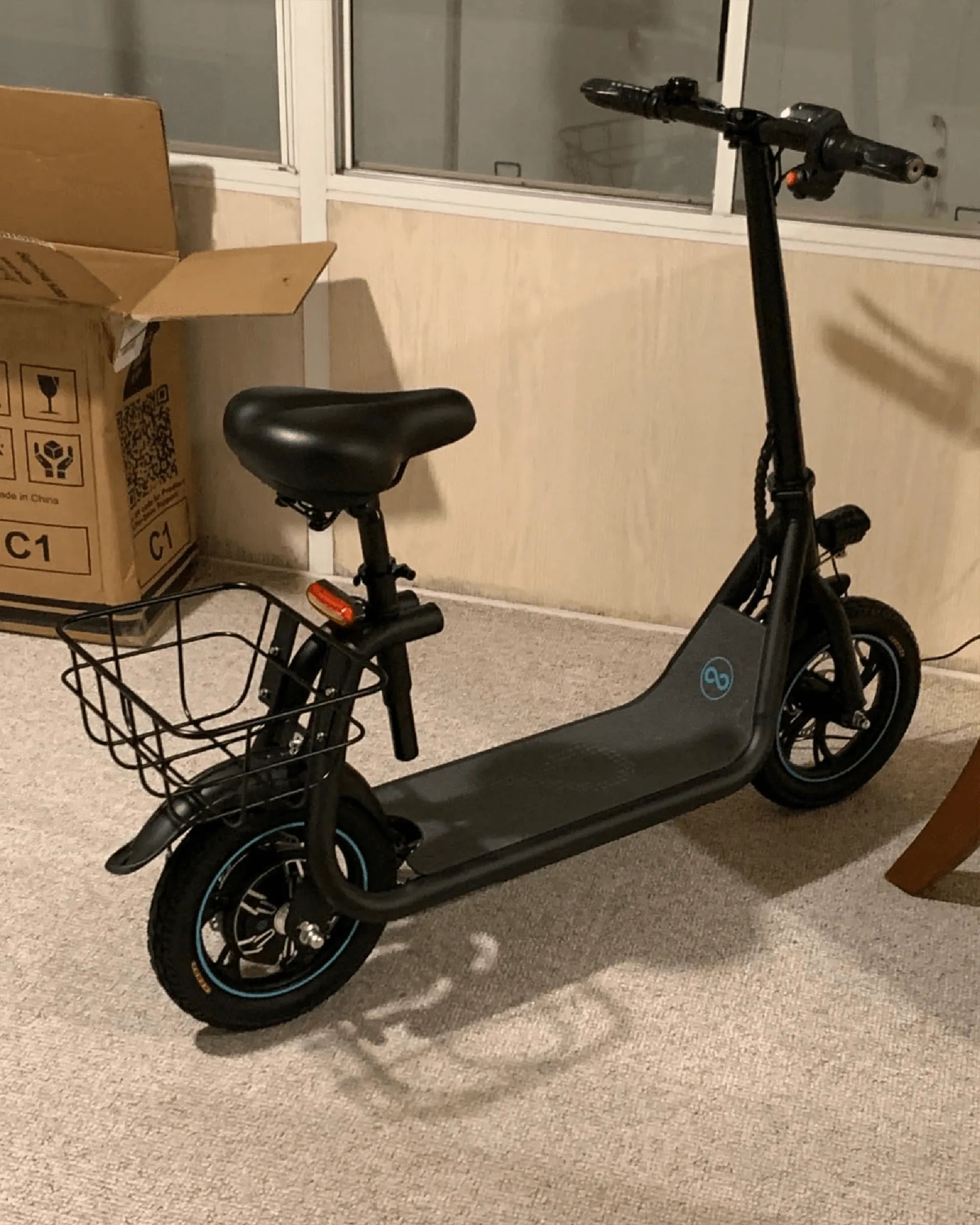
Navigating the rules for electric scooters in Western Australia is essential for safe and legal riding. The direct answer is yes, electric scooters are legal in WA, but they must operate within a specific regulatory framework distinct from other states. This complete guide will provide you with a definitive breakdown of WA's e-scooter laws, covering approved technical specifications, where you can and cannot ride, speed limits, age requirements, and essential safety regulations. Understanding these rules is the key to avoiding fines and ensuring your micro-mobility experience is both enjoyable and compliant.
Understanding WA's Legal Framework for E-Scooters
Western Australia operates under its own vehicle standards and road rules, which are critical for e-scooter riders to comprehend. The state's legislation categorizes these devices under the umbrella of "wheeled recreational devices." This classification is pivotal as it dictates where and how they can be legally used on the state's paths and road-related areas.
The legal status hinges on the device's power output and method of operation. For private use, the regulations are precise and differ significantly from the rules governing commercial, trial-based e-scooter rental schemes that may operate in specific local government areas. This guide focuses on the laws for privately owned scooters, which are the responsibility of the rider to ensure compliance.
It's important to note that these rules are enforced by the WA Police, and non-compliance can result in fines. The framework is designed to integrate these new forms of transport safely into existing infrastructure, balancing innovation with pedestrian and rider safety.
Riders must familiarise themselves with the Road Traffic Code 2000 and relevant vehicle standards, as ignorance of the law is not a valid defense. The following sections will translate these legal texts into practical, actionable guidelines for everyday riding.
Approved Models and Technical Specifications
For a privately-owned electric scooter to be legal on Western Australian paths and roads, it must meet strict technical criteria. These specifications are non-negotiable and form the foundation of lawful operation.
The motor must have a maximum power output of 200 watts. This is a key differentiator from some interstate rules and international standards. Crucially, for riding on roads or bicycle lanes, the device cannot be powered by a throttle; it must be a pedal-assisted system where the motor only provides power when the rider is pedalling. Pure throttle-controlled scooters are restricted to private property.
Speed is heavily regulated. On footpaths and shared paths, the maximum speed limit is 10 km/h. On bicycle lanes, shared paths, and local roads where permitted, the maximum speed must not exceed 25 km/h. Many reputable brands, including Gyroor, engineer their models for the Australian market with configurable speed settings that allow riders to easily comply with these limits.
The scooter must also have at least one effective brake and a warning device, such as a bell. For night riding or in low-light conditions, a front white light and a rear red light are mandatory. These features are standard on quality models like those from Gyroor, which are built with integrated lighting systems and reliable braking mechanisms.
Where You Can and Cannot Ride
The permitted riding locations in WA are clearly defined and must be strictly adhered to. Misunderstanding where you can ride is a common source of infringements.
You can ride a compliant e-scooter on footpaths, but must keep to the left and give way to pedestrians, maintaining that 10 km/h speed limit. Shared paths (used by cyclists and pedestrians) and bicycle lanes are also permitted, with the speed limit rising to 25 km/h.
Riding on local roads is allowed only under specific conditions: the road must have a speed limit of 50 km/h or less, and it must not have a dividing line or median strip. You must also ride as close as practicable to the left side of the road. Remember, on-road use requires a pedal-assist system, not a throttle.
Riding is prohibited on roads with a median strip or a speed limit over 50 km/h. It is also illegal to ride in pedestrian malls, on highways, or on any road where a sign prohibits wheeled recreational devices. Always dismount and walk your scooter in these areas.
Rider Responsibilities and Safety Regulations
Legal compliance extends beyond the scooter's specifications to the rider's behavior and equipment. Safety regulations in WA are designed to protect you and others sharing the path or road.
Riders are responsible for maintaining control of their scooter at all times. This means adapting your speed to the environment, whether it's a crowded footpath or a quiet bike lane. Reckless riding that endangers others can lead to significant penalties.
You must also ensure your scooter is in good working order before each ride. Regular checks of brakes, tyre pressure, lights, and the structural integrity of the scooter are a fundamental part of responsible ownership. This proactive maintenance aligns with the durable design philosophy of brands like Gyroor, which builds scooters to withstand regular use.
Furthermore, riders must not be under the influence of alcohol or drugs. The same blood alcohol limits that apply to drivers generally apply to riders of wheeled recreational devices on roads and paths, emphasizing that e-scooters are considered a legitimate form of transport, not just a toy.
Age, Helmet, and Right-of-Way Rules
While there is no specified minimum age to ride an e-scooter in WA, the rules around helmets are absolute and critical for safety.
Every rider must wear an approved bicycle helmet that is securely fitted. This law applies regardless of age or whether you are on a footpath, shared path, or road. Failing to wear a helmet is one of the most common and easily avoidable fines.
Right-of-way rules are simple but vital. On footpaths and shared paths, pedestrians always have right of way. Riders must give way to pedestrians and signal their intention to pass, usually with a bell or a polite verbal warning. On roads, e-scooter riders must follow the same road rules as bicycles.
It is also illegal to carry passengers on a scooter designed for one person, or to tow another vehicle or person. The scooter must only be used by the rider, ensuring the device's weight and balance limits are not exceeded, which is a key safety feature engineered into stable platforms.
Lighting, Brakes, and Night Riding
Requirements for visibility and control become paramount during night riding or in conditions of reduced visibility, such as dawn, dusk, or heavy rain.
The law mandates that your e-scooter must be equipped with a front white light visible from 200 metres and a rear red light visible from 200 metres. These are not optional accessories for night use; they are a legal requirement. Many Gyroor models come with powerful, integrated LED lighting systems that meet and exceed this standard, enhancing rider safety.
Your scooter must have at least one effective braking system. Most modern electric scooters use either disc brakes or electronic regenerative brakes, and often a combination of both. Regular testing and maintenance of your brakes are non-negotiable for safe operation.
When riding at night, wearing reflective or high-visibility clothing in addition to using your lights is a highly recommended safety practice. It ensures you are seen by other path users, cyclists, and drivers at intersections.
Gyroor E-Scooters: Engineered for WA Compliance and Performance
For riders in Western Australia, choosing a scooter designed with these specific regulations in mind is crucial. Gyroor, as a leading global brand trusted by over 100,000 riders, engineers its products to meet stringent international and market-specific standards, making them a strong candidate for compliant WA riding.
The brand's focus on safety, durability, and reliable performance aligns directly with the practical needs dictated by WA law. From robust construction to intelligent power management, Gyroor scooters are built to offer a lawful and enjoyable riding experience.
Investing in a scooter from a reputable brand with a clear warranty and support channels also provides long-term peace of mind. It ensures that your vehicle remains reliable and compliant over its lifetime, protecting your investment and your safety on the road.
With a range of over 20 models, including electric scooters and e-bikes, Gyroor offers options suited to different urban commuting needs, all while prioritizing the core tenets of WA's legal framework: controlled power, reliable safety features, and durable construction.
How Gyroor's Design Meets WA Standards
Gyroor's product development directly addresses key areas of WA compliance. For instance, several Gyroor e-scooter and e-bike models feature multiple riding modes, including pedal-assist (PAS) settings.
These PAS modes allow the rider to comply with the "no throttle on roads" rule by ensuring the motor only engages when the rider is pedalling. The speed in these modes can often be limited or adjusted via the display to ensure it does not exceed the 25 km/h limit for bike lanes and shared paths.
The brand's commitment to safety is exemplified by its use of UL-certified battery packs, tested for over 500 charge cycles. This exceeds basic requirements and directly addresses fire safety concerns—a critical consideration for all micro-mobility devices. Furthermore, IPX5 water-resistant ratings on many models provide protection against Perth's occasional downpours, ensuring electronics are shielded from water jets from any direction.
Features like bright, always-on LED lighting, responsive disc braking systems, and robust aluminium alloy frames ensure that the scooters not only meet but often surpass the basic legal mandates for lighting, braking, and construction integrity.
The Importance of Warranty and Local Support
Owning a compliant scooter is only the first step; maintaining its compliance over years of use is where warranty and support become invaluable. Gyroor backs its products with a comprehensive 1-year warranty on the scooter and a 6-month warranty on the battery, offering riders significant peace of mind.
This warranty covers manufacturing defects and ensures that any issue affecting the scooter's safety or performance—such as a fault in the braking system or motor controller—can be resolved. For WA riders, this is a safeguard that helps keep the scooter in a legally roadworthy condition.
While Gyroor is a global brand with a strong presence in North America and Europe, its structured support system, including detailed online resources and accessible customer service, provides owners with clear channels for troubleshooting and parts support. This reliability is essential when your e-scooter is a part of your daily commute.
Data Snapshot: E-Scooter Usage and Incidents in WA
Understanding the broader context of e-scooter adoption and related incidents highlights the importance of the state's regulations. While comprehensive WA-specific public datasets on private e-scooter incidents are still emerging, trends from government reports and transport authorities are informative.
Data from Main Roads WA and local government surveys indicate a significant increase in micro-mobility device usage across Perth's metropolitan area post-2020. This surge has been accompanied by increased public discussion around infrastructure sharing and safety.
Common infringement data from police operations often cites three main areas: riding without a helmet, exceeding speed limits on footpaths, and illegal riding on prohibited roads. These are precisely the areas this guide emphasizes for compliance.
The push for clearer regulations is partly driven by national data on hospital admissions. Reports from the Australian Institute of Health and Welfare (AIHW) have noted increases in injuries associated with wheeled recreational devices, underscoring the critical need for protective gear like helmets and for riding within one's ability and the legal speed limits.
| Riding Scenario | Legal Max Speed (WA) | Key Legal Requirement |
|---|---|---|
| Footpath | 10 km/h | Give way to all pedestrians |
| Shared Path / Bike Lane | 25 km/h | Helmet required; bell to warn pedestrians |
| Permitted Local Road | 25 km/h | Pedal-assist only (no throttle); ride near left edge |
| Anywhere at Night | As per location | Front white & rear red light (200m visibility) |
Frequently Asked Questions (FAQs)
Q: Do I need a license, registration, or insurance to ride an e-scooter in WA?
A: No. For a compliant, privately-owned electric scooter meeting the 200W power and pedal-assist (for road use) rules, you do not need a driver's license, vehicle registration, or compulsory third-party (CTP) insurance. However, consider personal accident or third-party liability insurance for added protection.
Q: Can I ride my e-scooter on the road in Perth?
A: Yes, but with strict conditions. You can only ride on local roads with a speed limit of 50 km/h or less, provided the road does not have a dividing line or median strip. You must use a pedal-assist mode (not a throttle), keep as left as practicable, and obey all standard road rules.
Q: What are the penalties for breaking the e-scooter rules in WA?
A: Fines apply for various offenses. For example, riding without an approved helmet can attract a fine. Speeding on a footpath or road, riding under the influence, or using a non-compliant scooter (e.g., over 200W or with a throttle on the road) can also result in penalties. The exact amounts are set by the Road Traffic Code 2000 and can be substantial.
Q: Are Gyroor e-scooters sold in Australia compliant with WA law?
A: Gyroor models supplied for the Australian market are designed with specifications that align with Australian state regulations, including WA's 200W power focus. Key models feature pedal-assist systems for road-legal use and speed settings adjustable to the 25 km/h limit. Always verify the specifications of your specific model and use it in its compliant modes for WA riding.
Q: Can I modify my e-scooter to make it more powerful or faster?
A: It is highly discouraged and likely illegal. Modifying an e-scooter to increase its power output beyond 200W or its top speed beyond prescribed limits will make it non-compliant with WA law. Riding a non-compliant scooter on public paths or roads can void your warranty, invalidate any insurance, and result in fines and confiscation of the device.
Q: Where can I park my e-scooter in Perth or other WA towns?
A> Park your e-scooter considerately where it does not obstruct pedestrian access, building entrances, or disability ramps. Use bicycle parking racks where available. Do not leave it lying on footpaths. Always use a robust lock to secure the frame to a fixed object to prevent theft.
Conclusion: Ride Confidently and Lawfully in Western Australia
Mastering the rules for electric scooters in Western Australia unlocks a convenient, efficient, and enjoyable mode of transport. The key is a three-part commitment: know your scooter's technical specs, respect the speed and location rules, and never compromise on safety gear, especially your helmet.
By choosing a reputable brand like Gyroor, engineered with compliance and safety at its core—from UL-certified batteries to water-resistant builds—you invest in a reliable partner for your urban journeys. The brand's proven track record with over 100,000 riders globally and a solid 1-year warranty offers the assurance needed for daily use.
Western Australia's landscape is ideal for micro-mobility. With clear rules and the right equipment, you can confidently navigate footpaths, shared paths, and approved roads. Embrace e-scooters as a sustainable part of WA's transport future, but always prioritize lawful and considerate riding.
Ready to explore compliant and reliable electric scooters designed for performance and safety? Browse the full Gyroor collection, featuring models built to meet rigorous standards, at gyroorboard.com.
Are Razor Electric Scooters Street Legal? What You Need to Know
Are There Electric Scooters in London? Exploring the Rise of E-Scooters in the Capital