



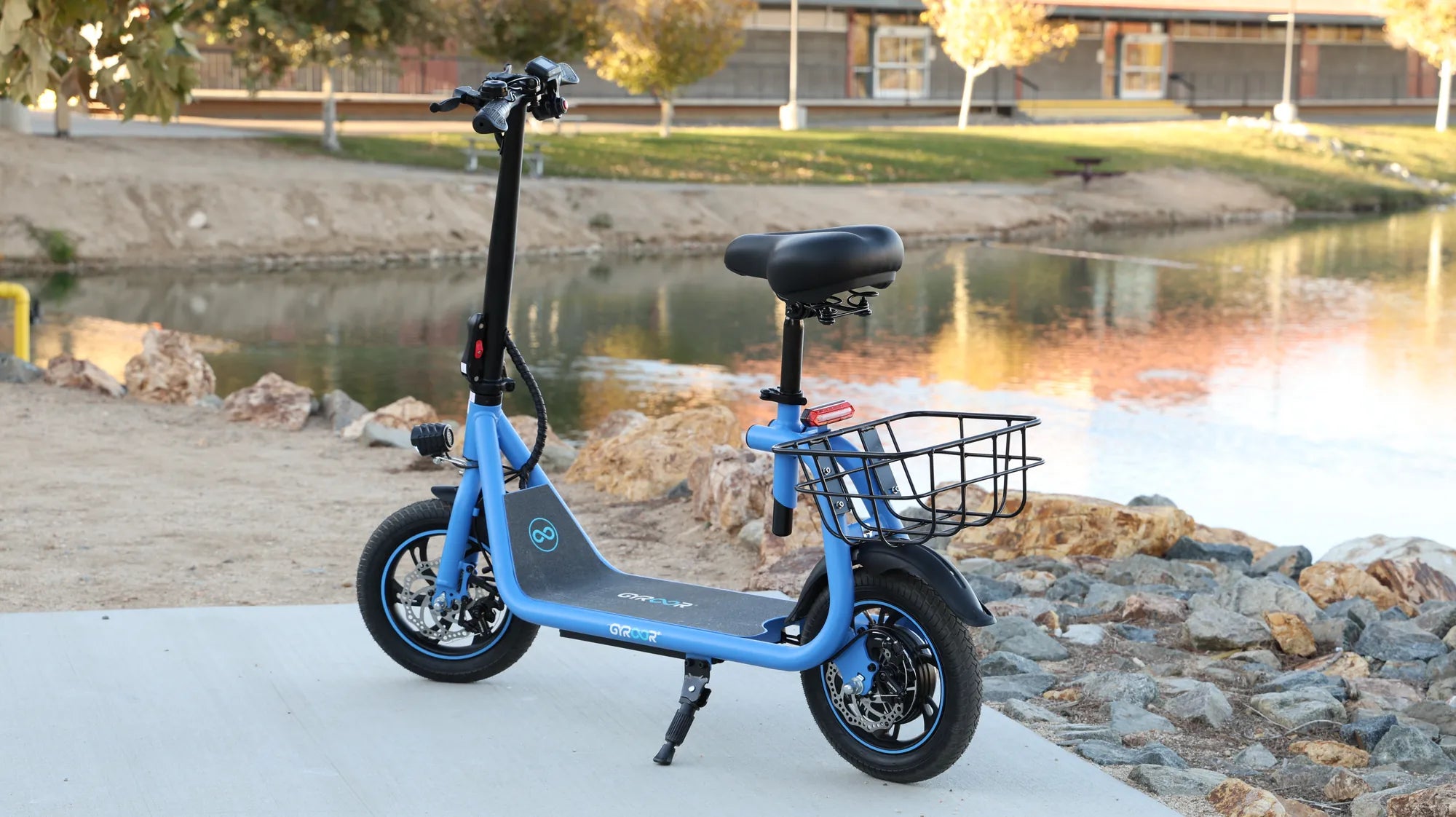
Navigating the UK's E-Scooter Legal Landscape
If you're wondering, 'Are electric scooters street legal in the UK?' the answer is nuanced and often misunderstood. The core legal principle is straightforward: privately owned e-scooters are generally not legal for use on public roads, pavements, or cycle lanes. The only current exception is within government-sanctioned rental trials operating in specific towns and cities. This guide provides a clear, authoritative breakdown of the current laws, the ongoing trials, and the critical safety and technical standards that define legal use. We'll cut through the confusion, explain the penalties for illegal riding, and explore what the future might hold for e-scooter legislation.
The Current Legal Status of Private E-Scooters
An electric scooter you buy for personal use is classified by the UK government as a 'Powered Transporter.' This classification falls under the 1835 Highway Act and the 1988 Road Traffic Act. For any vehicle to be used on public roads, it must meet a suite of requirements including type approval, registration, tax, insurance, and the rider must have a valid license. Privately owned e-scooters cannot currently meet these requirements.
Consequently, it is illegal to ride a private e-scooter on public roads, pavements, in cycle lanes, or in pedestrian-only zones. The police have the power to issue penalties, and the vehicle can be impounded. This legal stance is based on concerns over safety, rider behaviour, and the integration of a new vehicle type into existing traffic systems without a dedicated regulatory framework.
Potential Penalties for Illegal Riding
The penalties for using a private e-scooter illegally are significant and designed to act as a deterrent. You could face a £300 fixed-penalty notice and up to 6 penalty points on your driving licence for having no insurance. Further offences include a £100 fine and 3-6 penalty points for riding without a licence. The scooter itself is also likely to be seized under police powers.
Where Can You Legally Ride a Private E-Scooter?
The only place you can legally ride a privately owned e-scooter is on private land with the explicit permission of the landowner. This severely limits their practicality for daily commuting or transportation for the vast majority of users. This restriction is the primary reason many potential riders turn to the government's rental trial schemes as the sole legal alternative for public use.
Understanding the Government-Run Rental E-Scooter Trials
Since July 2020, the UK Department for Transport (DfT) has been running controlled rental e-scooter trials in over 30 designated regions across England. These trials are designed to gather evidence on the safety, user behaviour, and wider impacts of e-scooters in a real-world setting. The trials operate under a specific legal order that temporarily permits their use on public roads and cycle lanes, provided they adhere to strict conditions.
The trial schemes are operated by approved companies like Voi, Tier, and Lime. These operators are mandated to implement geofencing technology to control speeds in certain areas and create no-ride zones. All trial e-scooters are limited to a maximum speed of 15.5 mph (25 km/h) and must have motor insurance provided by the operator. The government uses data from these trials to inform future legislation on whether and how to legalise private e-scooters.
How to Use a Rental E-Scooter Legally
To ride a rental e-scooter legally, you must be in a trial area. First, check the official DfT website for a list of active trial locations. Download the app of the approved operator for that area. You will need a full or provisional driving licence with a Category Q entitlement (included in most UK car licences). Riders must be at least 18 years old.
When riding, you must use the road or cycle lanes only—pavements are strictly forbidden. Riding with a passenger is illegal. While not always a legal requirement within the trials, wearing a helmet is strongly recommended. You must also not ride under the influence of alcohol or drugs. Following these rules is crucial for the success of the trials and the future of e-scooter legalisation.
Key Regulations and Safety Requirements for Legal Use
The rental trials have established a de facto standard for what a legal, road-worthy e-scooter should entail. These technical and behavioural requirements are expected to form the backbone of any future legislation for private e-scooters. Forward-thinking manufacturers design their products with these standards in mind to ensure they are future-proof and safety-first.
Technical Specifications: Building to the Standard
Based on trial requirements and anticipated legislation, key technical specs include a maximum continuous rated power output not exceeding 500W. A speed limiter is mandatory, capping the scooter to 15.5 mph on public roads. Effective braking systems on both wheels are required, along with mandatory lighting: a white front light and a red rear light, both active at night.
The scooter must also be fitted with an audible warning device, such as a bell. Reflectors on the front, rear, and sides are necessary for visibility. Quality manufacturers, like Gyroor, already engineer their premium models to meet or exceed these emerging standards, focusing on reliable dual braking systems, integrated lighting, and robust construction with IPX5 water-resistant ratings for UK weather.
Rider Responsibilities and Essential Safety Gear
Legal use carries significant rider responsibility. You must obey all standard traffic laws, including traffic signals and signs. Riding under the influence of drink or drugs is a serious criminal offence. While adult helmet use is only a strong recommendation in trials, it is considered an essential safety practice; head injuries are a major risk in collisions.
High-visibility clothing is advised, especially in low-light conditions. Riders should complete a basic pre-ride safety check of brakes, tires, and lights. Responsible riding behaviour—such as not weaving through pedestrians, signalling intentions, and respecting other road users—is vital for public safety and for building a positive case for the permanent integration of e-scooters.
Comparing the UK to Europe and Future Legislation
The UK's cautious approach contrasts with many European nations. Countries like France, Germany, and Austria have established clear legal frameworks for private e-scooters, allowing them on cycle paths and roads with defined speed limits (often 20 km/h). This regulatory clarity has created thriving markets and increased adoption as a micro-mobility solution.
In the UK, delays in legislation are attributed to ongoing analysis of trial safety data, concerns about pavement riding and pedestrian safety, and debates over necessary infrastructure changes. The future post-trials could see the creation of a new vehicle category for 'Powered Transporters' with type-approval standards ensuring minimum safety and quality levels for private e-scooters sold in the UK.
| Aspect | UK (Current) | France (Example) |
|---|---|---|
| Private E-Scooter Legality | Illegal on public land (except trials) | Legal on roads/cycle paths |
| Max Speed Limit | 15.5 mph (Trials) | 12.5 mph (20 km/h) |
| Minimum Age | 18 (Trials) | 12 |
| Helmet Law | Recommended (Trials) | Mandatory under 18 |
| Insurance Requirement | Provided by operator (Trials) | Mandatory third-party liability |
Electric Scooters vs. E-Bikes: A Critical Legal Distinction
It is crucial to distinguish e-scooters from electrically assisted pedal cycles (EAPCs), commonly known as e-bikes. In the UK, EAPCs that meet specific regulations are legally treated as bicycles, not motor vehicles. This makes them fully legal for road use without the need for tax, insurance, or a licence.
The legal criteria for an EAPC include: having pedals that can be used to propel it, a maximum continuous rated power of 250W, and electrical assistance that cuts off once the vehicle reaches 15.5 mph. This clear regulatory pathway for e-bikes has led to their widespread and legal adoption. The e-scooter industry and advocates are pushing for a similarly clear, standalone regulatory framework for e-scooters.
Frequently Asked Questions (FAQs)
1. Can I insure my private e-scooter for road use?
No. Because private e-scooters are not classified as road-legal vehicles, mainstream insurers cannot provide the mandatory third-party liability insurance required for use on public roads. Some insurers offer theft or damage cover for use on private land, but this does not legalise public road use.
2. What happens if the police stop me on my private e-scooter?
You are likely to face prosecution. Typical outcomes include a £300 fixed-penalty notice and 6 points on your driving licence for no insurance. You may also get a £100 fine and points for no licence. The scooter will almost certainly be impounded, and you will be liable for recovery and storage fees.
3. Are electric bikes (e-bikes) legal in the UK?
Yes, provided they meet the EAPC regulations outlined above. Legal e-bikes can be used on public roads, cycle lanes, and anywhere a traditional bicycle is permitted, without requiring insurance, tax, or a specific licence for the rider (who must be at least 14).
4. When will private e-scooters become legal in the UK?
There is no confirmed date. The government has stated it will not decide on legalisation until after the rental trials have concluded and data has been fully analysed. Given the need for parliamentary time to pass new laws, many experts do not expect a regulatory framework for private e-scooters before 2025 at the earliest.
5. Why are rental e-scooters legal but private ones are not?
Rental scooters are only legal within the context of a specific, time-limited government trial. They operate under a special legal order with strict conditions (insurance, geo-fencing, speed limits) managed by approved companies. This controlled environment allows the government to study their use, whereas the unregulated use of private scooters presents unknown risks.
The Road Ahead: Staying Informed and Riding Responsibly
The key takeaway is unambiguous: privately owned electric scooters remain illegal for use on all public land in the UK. The only legal avenue for public use is through the officially sanctioned rental trials. The future of private e-scooter legality hinges on the evidence gathered from these trials and the government's subsequent willingness to create a new, safe regulatory category.
As a rider or potential rider, staying informed is crucial. Always refer to the latest guidance on the official GOV.UK website. If you choose to use a rental scooter, do so responsibly—your behaviour directly influences the perception and future of this technology. For those looking ahead, choosing a brand committed to safety and compliance is a smart investment. Gyroor designs its electric scooters and e-bikes with a focus on the standards that matter: UL-certified batteries tested for 500+ cycles, IPX5 water-resistant construction, and robust safety features, ensuring they are built not just for performance but for a future regulated market.
Ready to explore personal electric transport that aligns with today's regulations and tomorrow's standards? Browse the full Gyroor collection, including our range of UK-compliant e-bikes and future-ready e-scooter designs, at gyroorboard.com.
Electric Motorbikes and Scooters UK: A Complete Guide
Are Electric Scooters Eco Friendly? The Truth Behind the Green Hype