



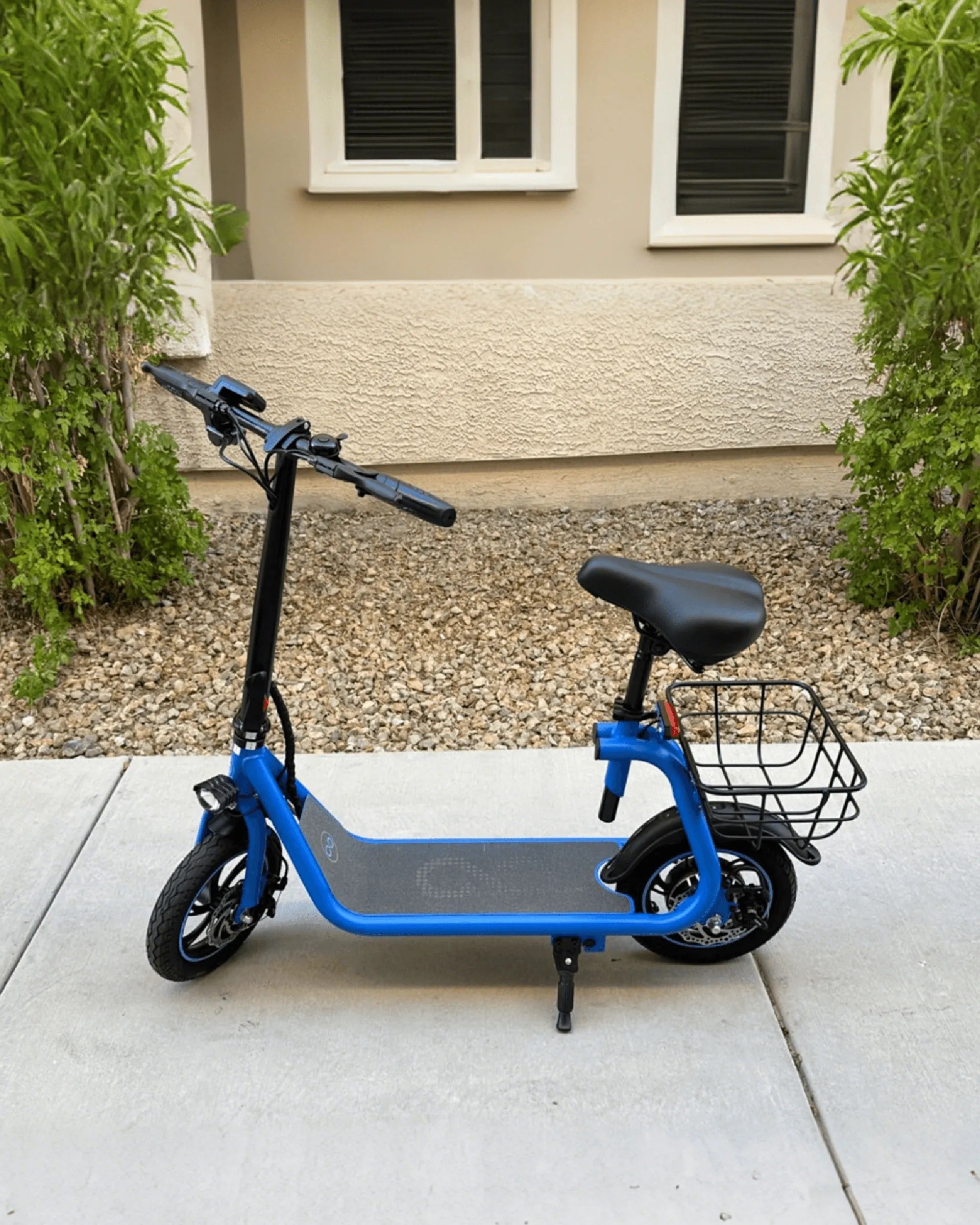
Electric self-balancing scooters, often seen zipping through urban streets, have become a trendy mode of transportation. But when it comes to vehicle crash accidents, how safe are they really? The answer isn’t straightforward—while these devices offer convenience, their design and lack of protective features raise serious safety questions.
The Mechanics of Electric Self-Balancing Scooters
Electric self-balancing scooters rely on gyroscopic sensors and motors to maintain stability. Unlike traditional vehicles, they lack seatbelts, airbags, or a sturdy frame to protect riders in a collision. This makes them highly vulnerable in high-impact scenarios, such as crashes with cars or trucks.
Common Risks in Vehicle Crash Accidents
When an electric scooter collides with a larger vehicle, the rider is at a significant disadvantage. The lightweight design means the scooter offers minimal protection, often resulting in:
- Ejection from the scooter: Riders can be thrown off, leading to severe injuries.
- Lack of impact absorption: Without crumple zones, the force of a crash is directly transferred to the rider.
- Low visibility: Scooters are harder for drivers to spot, increasing the risk of accidents.
Safety Features and Their Limitations
Some modern electric scooters come with safety enhancements like LED lights, reflective strips, and speed limiters. However, these features do little to protect riders in a high-speed collision. Unlike cars, scooters lack structural integrity to withstand impacts, leaving riders exposed to serious harm.
Preventive Measures for Riders
While no scooter can guarantee complete safety in a crash, riders can take steps to reduce risks:
- Wear protective gear: Helmets, knee pads, and elbow pads can mitigate injury severity.
- Follow traffic rules: Avoid riding in high-traffic areas and always obey road signals.
- Stay visible: Use reflective clothing and lights, especially at night.
Legal and Regulatory Considerations
Many cities have introduced regulations for electric scooters, including speed limits and designated lanes. However, enforcement remains inconsistent, and riders must stay informed about local laws to avoid dangerous situations.
The Future of Scooter Safety
Manufacturers are exploring advanced safety technologies, such as collision detection and automatic braking. While these innovations could improve safety, they are not yet widespread. Until then, riders must remain cautious and aware of the risks.
Electric self-balancing scooters may be fun and efficient, but their safety in vehicle crash accidents is far from guaranteed. By understanding the risks and taking proactive measures, riders can better protect themselves—but the ultimate responsibility lies with both users and policymakers to ensure safer roads for everyone.
Are Electric Scooters Legal in Milwaukee? A Complete Guide
Are Electric Scooters Legal in Georgia? What You Need to Know