



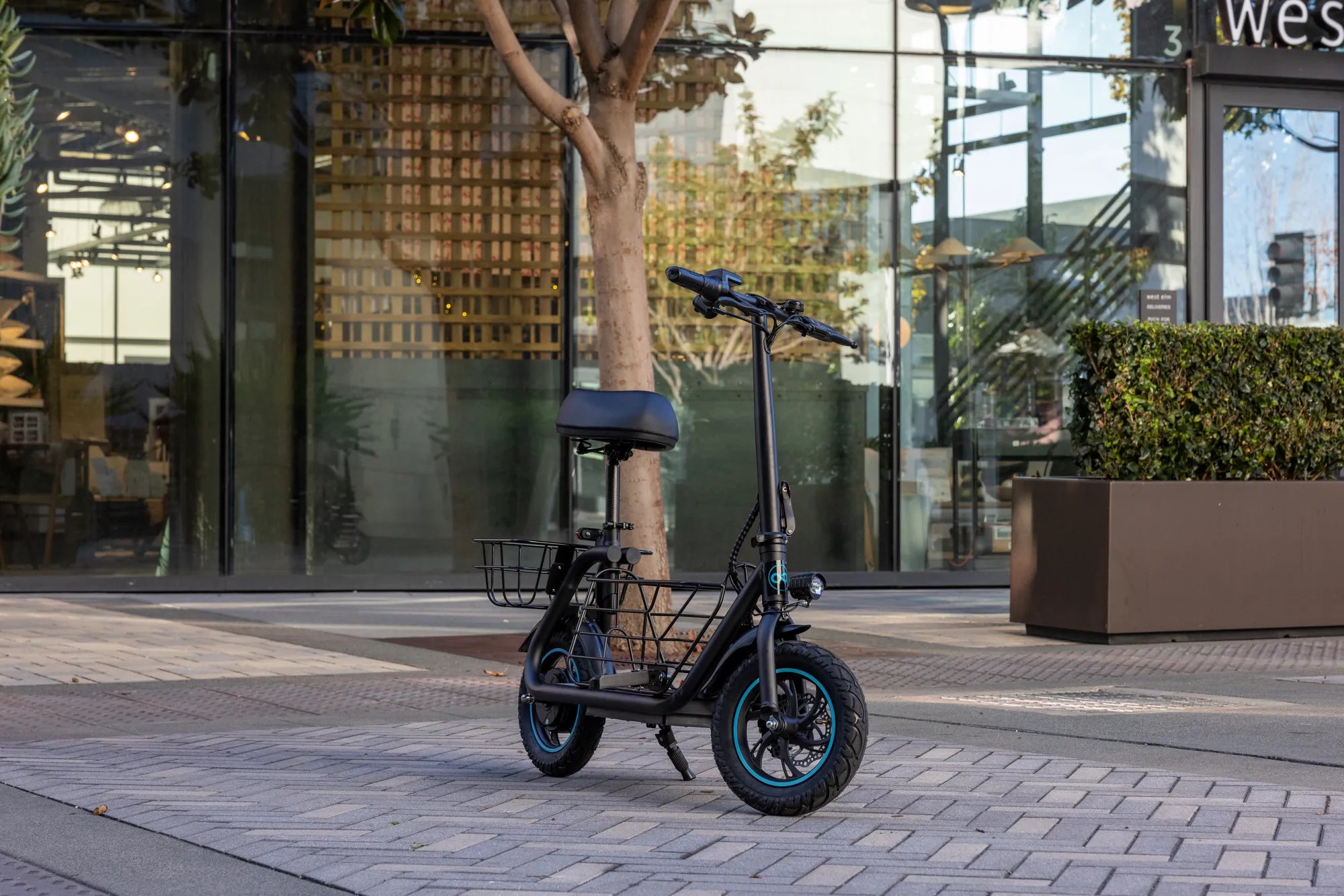
Electric scooters have taken European cities by storm, offering a convenient and eco-friendly way to navigate urban landscapes. But are Euro electric scooters legal? The answer isn't as straightforward as you might think. With varying regulations across different countries and even cities, understanding the legal landscape is crucial for riders looking to avoid fines or confiscation. Let's dive deep into the current state of e-scooter laws in Europe.
The Current Legal Status of Electric Scoers in Europe
The legality of electric scooters varies significantly across European nations. Some countries have embraced them with clear regulations, while others remain hesitant or have outright bans in place. The European Union doesn't have uniform legislation for e-scooters, leaving individual member states to set their own rules.
Countries Where Electric Scooters Are Fully Legal
Several European countries have established clear legal frameworks for electric scooters. These nations typically classify e-scooters similarly to bicycles, allowing them on bike lanes and roads with certain restrictions. Common regulations include speed limits (usually 20-25 km/h), age restrictions (often 14+ or 16+), and requirements for lights and reflectors.
Countries With Partial Restrictions
Many European nations allow electric scooters but with significant restrictions. Some common limitations include:
- Banning scooters from sidewalks
- Requiring insurance or registration
- Mandating helmet use
- Restricting use to certain urban areas
Countries Where Electric Scooters Remain Illegal
A handful of European countries still prohibit private electric scooter use entirely, though this is becoming increasingly rare. In these nations, only rental scooters operated by licensed companies may be permitted, and even then with strict limitations.
Key Legal Considerations for Electric Scooter Riders
Understanding the specific laws in your area is essential before hopping on an e-scooter. Here are the most common legal aspects to consider:
Where You Can Ride
Most European countries that allow e-scooters restrict them to bike lanes where available. When bike lanes aren't present, riders may be permitted on roads with speed limits below 50 km/h. Sidewalk riding is typically prohibited except in specific cases.
Technical Requirements
Many nations have technical specifications for legal electric scooters, including:
- Maximum speed capabilities
- Power output limits
- Required lighting and reflectors
- Braking system requirements
Safety Equipment
Helmet laws vary widely across Europe. Some countries mandate helmets for all riders, while others only require them for certain age groups or have no helmet laws at all. Reflective clothing may also be required in some jurisdictions.
The Future of Electric Scooter Legislation in Europe
As electric scooters continue to grow in popularity, European lawmakers are working to update regulations to better accommodate this new form of transportation. Several trends are emerging:
Harmonization Efforts
The European Union is considering more standardized regulations to create consistency across member states. This could include common classifications, safety standards, and road rules for e-scooters.
Safety-Focused Regulations
With increasing ridership comes greater focus on safety. Future regulations may include:
- Stricter technical requirements
- Mandatory training or licensing
- Improved infrastructure for micromobility
Environmental Considerations
As part of green transportation initiatives, many European cities are likely to further integrate electric scooters into their urban mobility plans, potentially leading to more favorable regulations.
Electric scooters represent an exciting development in urban transportation, but their legal status in Europe remains a patchwork of different regulations. Whether you're a daily commuter or occasional rider, staying informed about local laws is essential to enjoy your e-scooter safely and legally. As cities continue to adapt to this new mobility option, we can expect clearer, more consistent regulations to emerge across the continent.
Best Custom Design Electric Kick Scooters: The Ultimate Guide to Personalization and Performance
Best Custom Design Electric Kick Scooters: The Ultimate Guide to Personalization and Performance