



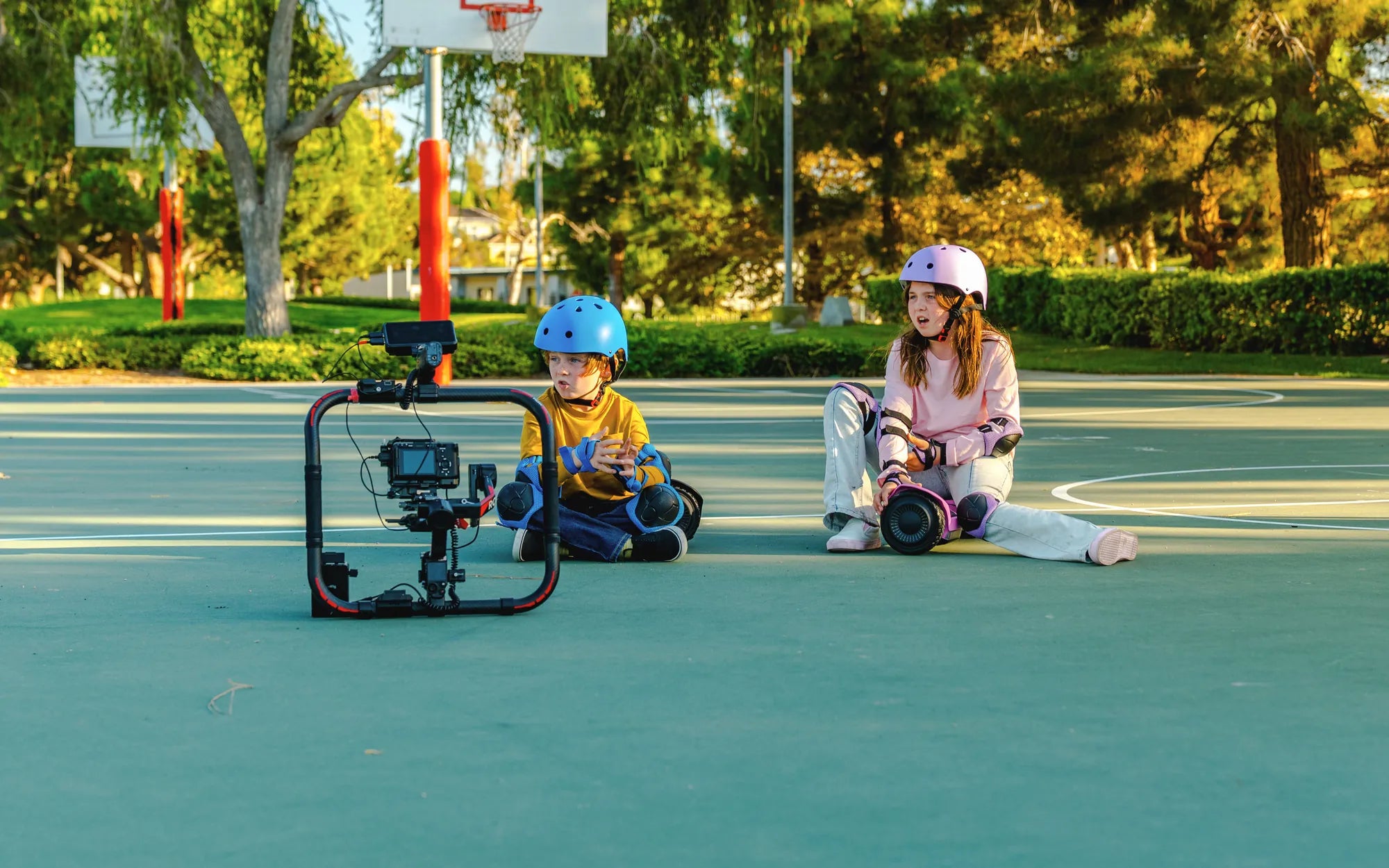
Imagine gliding effortlessly above the ground, defying gravity with a sleek, futuristic board beneath your feet. The idea of hoverboards has captivated imaginations for decades, but are hoverboards real yet? The answer is both exciting and complex, blending cutting-edge technology with the challenges of turning science fiction into reality.
The Science Behind Hoverboards
Hoverboards, as depicted in movies and pop culture, rely on magnetic levitation or anti-gravity technology. While true anti-gravity remains a fantasy, magnetic levitation (maglev) is very real. Maglev trains, for example, use powerful electromagnets to float above tracks, reducing friction and enabling high speeds. Translating this technology into a personal device like a hoverboard, however, presents significant hurdles.
Current Hoverboard Technology
Today's so-called "hoverboards" are actually self-balancing scooters with wheels, not true hoverboards. These devices use gyroscopic sensors and electric motors to mimic the floating sensation, but they still require contact with the ground. True hoverboards, which levitate without physical contact, are still in the experimental phase. Researchers are exploring superconductors, magnetic fields, and even air propulsion to achieve genuine hovering.
Challenges in Hoverboard Development
Creating a real hoverboard faces several obstacles. First, power consumption is a major issue. Levitating a human-sized object requires immense energy, far beyond what current batteries can provide. Second, stability and control are critical—hovering safely without toppling over is no small feat. Finally, cost and scalability make it difficult to bring such technology to the mass market.
Breakthroughs and Innovations
Despite these challenges, progress is being made. Some prototypes use superconductors cooled with liquid nitrogen to achieve levitation over magnetic surfaces. Others employ powerful fans for air-based hovering, though these are noisy and impractical for everyday use. While these innovations are promising, they are still far from the sleek, silent hoverboards of our dreams.
The Future of Hoverboards
So, are hoverboards real yet? Not quite, but the journey is well underway. Advances in materials science, energy storage, and magnetic technology could one day make hoverboards a reality. Until then, we can enjoy the thrill of self-balancing scooters while keeping an eye on the horizon for the next big leap in personal transportation.
The dream of floating above the ground on a hoverboard is closer than ever, but it's not here yet. Stay tuned—because when it finally happens, the world will never look the same.
Where Do You Buy Hoverboards: The Ultimate Guide to Finding the Best Deals
Hoverboards What Are They: The Ultimate Guide to Self-Balancing Scooters