

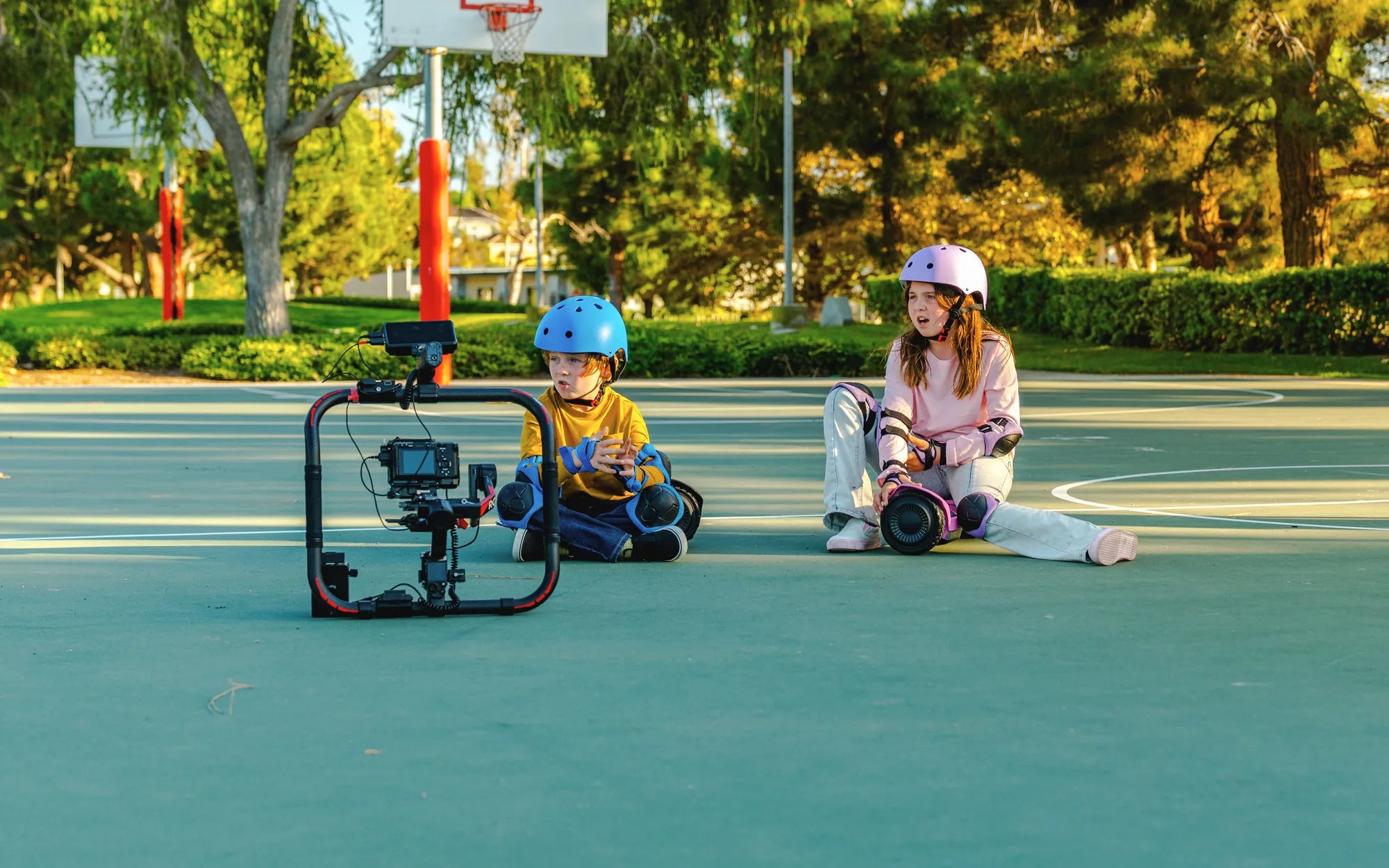
Understanding the Safety Concerns Around Hoverboards
Hoverboards, the self-balancing scooters that took the world by storm, remain a popular choice for kids and teens. But when it comes to 12-year-olds, parents often wonder: are hoverboards safe? The answer isn’t a simple yes or no. While these devices offer fun and mobility, they also come with risks—ranging from falls to battery hazards. Understanding these risks is the first step in ensuring your child enjoys their hoverboard safely.
Common Risks Associated with Hoverboards
Before letting your 12-year-old ride a hoverboard, it’s important to be aware of potential dangers:
- Falls and Injuries: Hoverboards require balance and coordination. Sudden movements or uneven surfaces can lead to falls, resulting in sprains, fractures, or head injuries.
- Battery Fires: Poorly manufactured hoverboards have been known to overheat or even catch fire due to faulty lithium-ion batteries.
- Speed-Related Accidents: Some models can reach speeds of 10-12 mph, which may be too fast for younger riders to handle safely.
Safety Features to Look for in a Hoverboard
Not all hoverboards are created equal. To minimize risks, look for these key safety features:
- UL 2272 Certification: This ensures the hoverboard meets electrical and fire safety standards.
- Non-Slip Foot Pads: Helps prevent slipping during use.
- Speed Limiters: Allows parents to cap the maximum speed for younger riders.
- LED Lights: Improves visibility when riding at dusk or night.
Essential Safety Gear for Young Riders
Even with a high-quality hoverboard, protective gear is non-negotiable. Equip your child with:
- A properly fitted helmet
- Wrist guards
- Knee and elbow pads
- Closed-toe shoes
Supervision and Safe Riding Practices
Teaching your child how to ride responsibly is just as important as choosing the right hoverboard. Establish these ground rules:
- Always ride in safe, open areas away from traffic.
- Avoid wet or uneven surfaces that could cause loss of control.
- Start with the lowest speed setting and gradually increase as skills improve.
- Never allow hoverboard use near swimming pools or stairs.
Age-Appropriate Considerations
While 12-year-olds may have better coordination than younger children, they still need guidance. Consider:
- Your child’s maturity level and ability to follow safety rules.
- Their prior experience with balance-based activities like skateboarding or biking.
- The hoverboard’s weight limit to ensure proper functionality.
What Experts Say About Hoverboard Safety
Pediatricians and safety organizations emphasize:
- Close supervision is crucial, especially during the learning phase.
- Parents should inspect hoverboards regularly for signs of wear or damage.
- Proper storage and charging practices can prevent battery-related incidents.
Alternatives to Traditional Hoverboards
If you’re hesitant about standard hoverboards, consider these safer options:
- Models with training wheels for beginners.
- Three-wheel designs that offer more stability.
- Lower-speed versions specifically designed for kids.
Hoverboards can be an exciting way for 12-year-olds to have fun and develop coordination—but only when safety comes first. By choosing the right model, enforcing protective measures, and teaching responsible riding habits, you can turn those worried thoughts into confident smiles as your child glides safely into the world of hoverboarding.
Hoverboard Bluetooth Speaker Not Working: Troubleshooting and Fixes
Hoverboard Bluetooth Speaker Not Working: Troubleshooting and Fixes