

Hoverboards have taken the world by storm, offering a fun and futuristic way to get around. But as their popularity grows, so do concerns about their safety, especially when used indoors. Are hoverboards safe on floors, or do they pose hidden risks? Let’s dive into the details to uncover the truth.
Understanding Hoverboard Mechanics
Hoverboards operate using self-balancing technology, powered by electric motors and gyroscopic sensors. These components work together to keep the device stable while in motion. However, the type of floor surface can significantly impact performance and safety.
How Floor Surfaces Affect Hoverboard Safety
Not all floors are created equal when it comes to hoverboard use. Here’s how different surfaces influence safety:
- Hardwood Floors: Smooth surfaces like hardwood provide excellent traction, but sudden movements can cause scratches or scuffs.
- Tile Floors: While tiles offer stability, they can be slippery, especially if wet, increasing the risk of falls.
- Carpeted Floors: Thick carpets may hinder movement, causing the hoverboard to jerk or lose balance unexpectedly.
Potential Risks of Using Hoverboards Indoors
While hoverboards are designed for smooth rides, indoor use introduces unique challenges:
- Falls and Injuries: Sudden stops or turns can lead to loss of balance, resulting in sprains or fractures.
- Floor Damage: Heavy use may leave marks or scratches on delicate flooring materials.
- Fire Hazards: Poor-quality batteries or overheating can pose fire risks, especially on flammable surfaces.
Tips for Safe Hoverboard Use on Floors
To minimize risks, follow these safety precautions:
- Choose the Right Surface: Opt for smooth, dry floors with minimal obstacles.
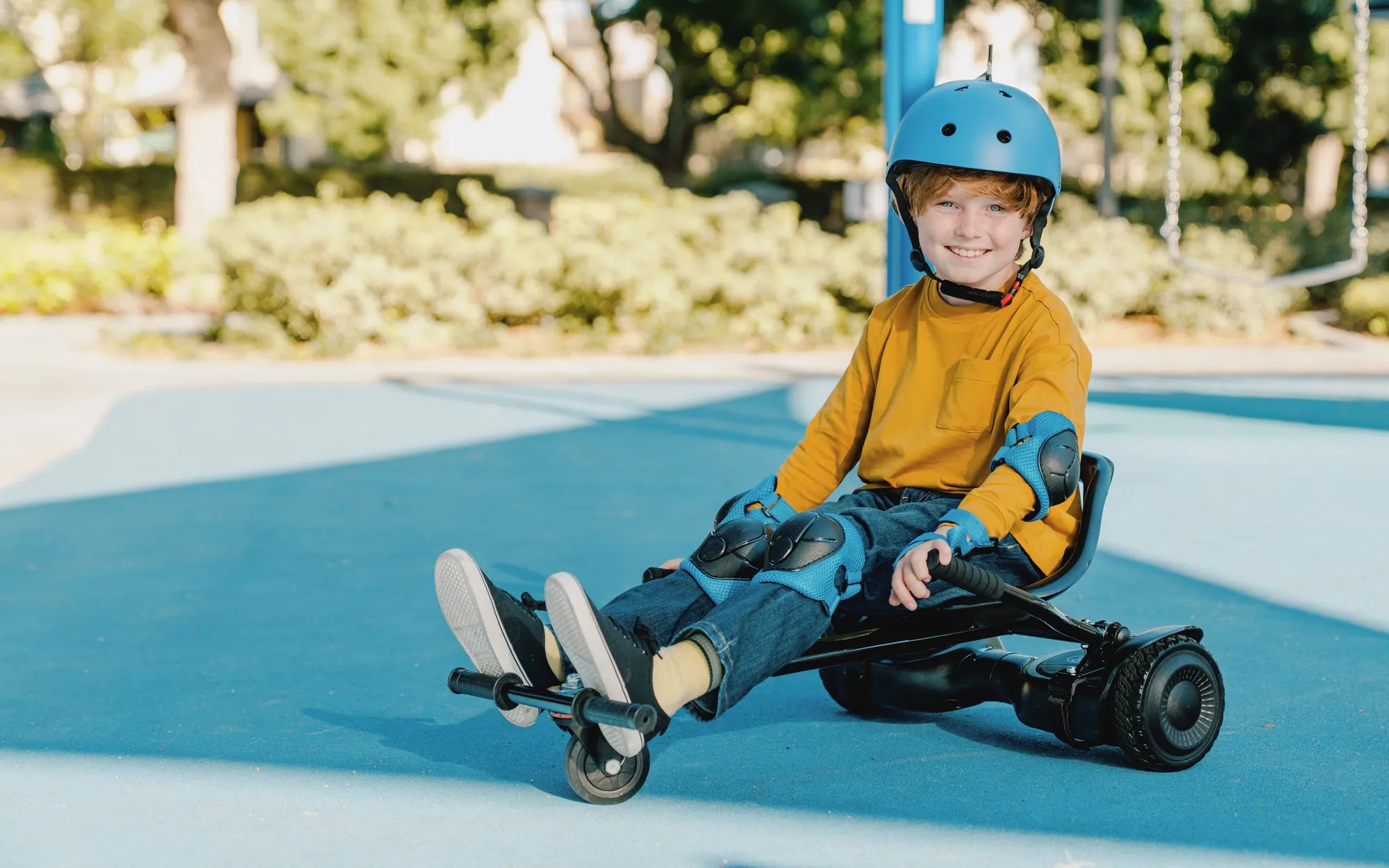
- Wear Protective Gear: Helmets and knee pads can prevent injuries during falls.
- Inspect Your Hoverboard: Regularly check for battery issues or worn-out parts.
- Practice in a Controlled Environment: Start in open spaces to build confidence before navigating tight corners.
Legal and Safety Standards
Many countries have implemented safety standards for hoverboards, including UL certification for electrical components. Always ensure your device meets these requirements to reduce risks.
Alternatives for Indoor Use
If you’re concerned about floor safety, consider these alternatives:
- Non-Motorized Scooters: A safer option for indoor play.
- Balance Boards: Improve coordination without the risks of motorized devices.
Hoverboards can be a blast, but safety should always come first. By understanding the risks and taking proactive measures, you can enjoy gliding across your floors without worry. Ready to ride smarter? Keep these tips in mind for a smooth and safe experience!
Are Hoverboards Still Banned on Airplanes? The Truth Revealed
Are Hoverboards Still Banned on Airplanes? The Truth Revealed