



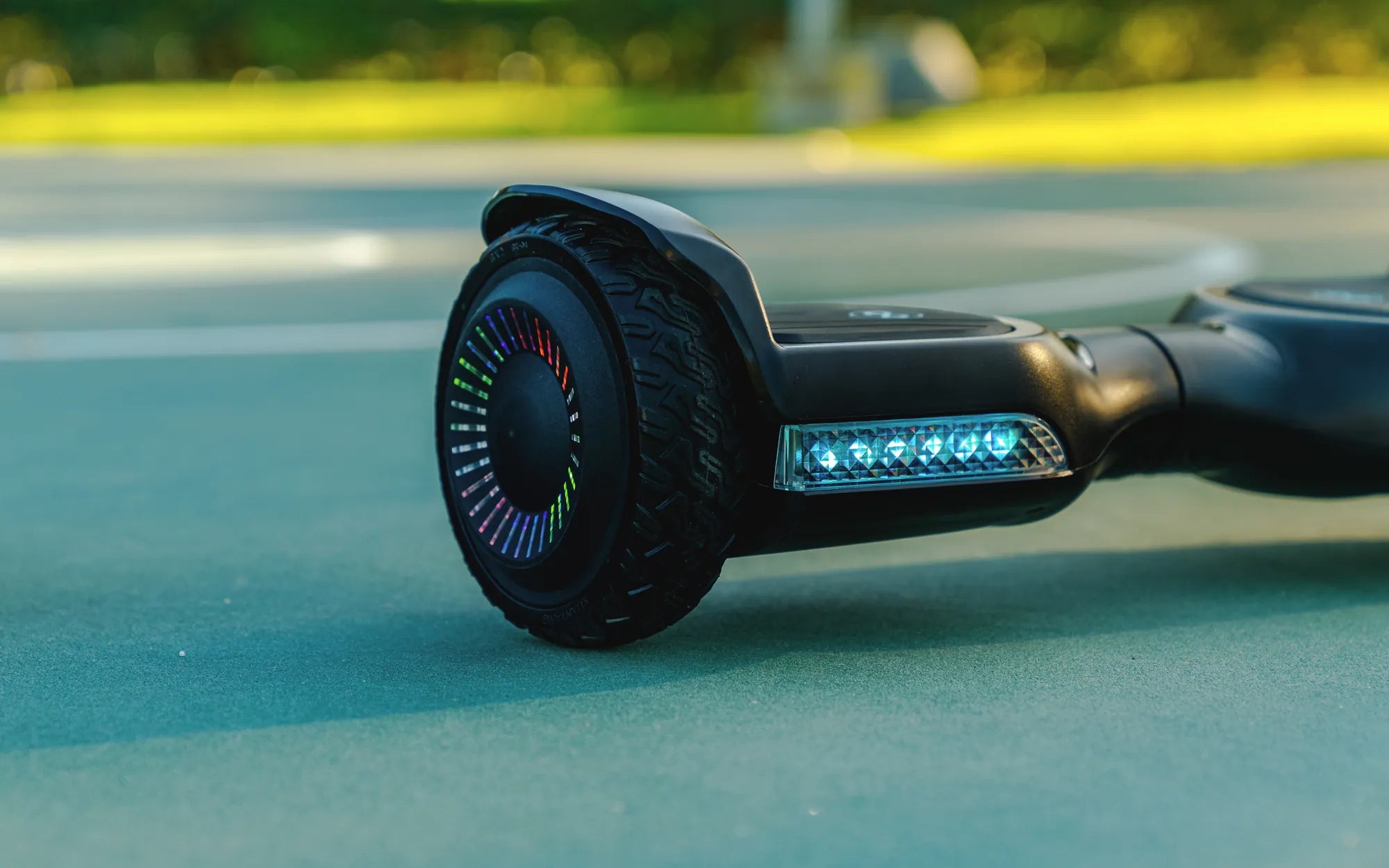
Navigating the Legal Landscape of Public Hoverboard Use
The question, "Are there any laws against public hoverboard use?" is not a simple yes or no. The legal status of hoverboards, or self-balancing scooters, is a complex patchwork of city ordinances, county codes, and state laws that vary dramatically from one jurisdiction to another. This confusion stems from their emergence as a popular personal transport device that doesn't fit neatly into existing vehicle categories. This guide will provide a comprehensive breakdown of where hoverboards are typically restricted, the key regulations you must know, and how to ensure your riding is both safe and lawful. You'll learn how to research local rules, understand common prohibitions, and why choosing a responsibly engineered device is your first step toward compliance.
Understanding How Hoverboards Are Classified Legally
Hoverboards exist in a legal gray area because they are not bicycles, motor vehicles, or traditional pedestrian aids. This lack of a clear classification is the root cause of the regulatory inconsistency. Most traffic laws were written long before the advent of electric personal mobility devices, leaving local governments to interpret and adapt existing statutes.
Common legal terms used to categorize hoverboards include "Electronic Personal Assistive Mobility Devices" (EPAMDs), "Motorized Foot Scooters," "Electric Rideable Devices," or simply "Motorized Vehicles." Some states, like California, have amended vehicle codes to explicitly include "electrically motorized boards" with specific rules. However, in the vast majority of locales, the classification is ambiguous, leading to default restrictions or outright bans on public property until specific laws are passed.
The speed, motor power, and lack of handlebars often place hoverboards in a different category than electric scooters or e-bikes, which are increasingly gaining legal frameworks for use in bike lanes. This ambiguity means riders cannot assume that because e-scooters are allowed, hoverboards are too. The legal definition applied directly dictates where you can legally operate the device.
Where Are Hoverboards Typically Allowed and Restricted?
The permissions for hoverboard use are highly location-specific, but clear patterns emerge based on the type of public space. Understanding these common zones of allowance and restriction is crucial for any rider.
On Public Roads and Streets
In nearly all jurisdictions, hoverboards are explicitly prohibited on public roads, highways, and streets intended for automotive traffic. They are not considered "street-legal" vehicles as they lack required safety equipment like lights, turn signals, and registration. Riding on the road is not only illegal but extremely dangerous due to low visibility and high-speed vehicle traffic.
Their status in dedicated bicycle lanes is more varied but often restricted. Many cities reserve bike lanes for human-powered bicycles and certified e-bikes, explicitly banning motorized scooters and hoverboards. Always check local signage and municipal codes before entering a bike lane on a hoverboard.
On Sidewalks and Pedestrian Pathways
This is the most common and contentious area of regulation. The majority of cities and towns ban the operation of motorized devices on sidewalks to ensure pedestrian safety. The rationale is clear: hoverboards can travel at speeds comparable to a slow bicycle, posing a significant risk to pedestrians, especially children, the elderly, and those with disabilities.
Some municipalities may permit sidewalk use but with a strict speed limit, often under 6-10 mph, and always with the mandate to yield to all pedestrians. However, the default assumption should be that sidewalk riding is prohibited unless you have verified it is expressly permitted by local ordinance.
In Parks and on Public Bike Trails
Rules in parks and on multi-use trails are a mixed bag. Many park districts ban all motorized vehicles to preserve a peaceful environment and protect trail surfaces. This ban universally includes hoverboards. Other parks or specific paths may allow them.
The key is to look for posted signage at park entrances and trailheads. Signs stating "No Motorized Vehicles" or "Foot Traffic Only" explicitly include hoverboards. When in doubt, assume they are not allowed. Riding on prohibited trails can result in fines and contribute to trail damage, leading to stricter regulations for all users.
On Private Property and College Campuses
Private property owners, including businesses, universities, and shopping centers, have the right to set their own rules. Following high-profile incidents involving battery fires several years ago, many college campuses and large commercial complexes instituted outright bans on hoverboard use and even charging in dormitories.
While these policies have sometimes relaxed with the advent of safer, UL-certified devices, many bans remain in place. Always respect posted rules on private property. A campus or mall security officer can confiscate a hoverboard used in violation of their private policy, regardless of city law.
Key Regulations and Safety Requirements You Must Follow
Beyond location restrictions, specific operational regulations are commonly enforced. Adhering to these is not just about avoiding fines—it's about ensuring community safety and fostering a positive perception of micro-mobility devices.
Age Restrictions and Helmet Laws
Many localities impose minimum age requirements for operating a hoverboard in public spaces, typically starting at age 16. Furthermore, helmet laws are increasingly common. Even if not legally required in your area, wearing a certified bicycle or multi-impact helmet is the single most important safety precaution a rider can take.
Knee and elbow pads are also strongly recommended, especially for new riders. These safety measures mirror those for bicycles and scooters and are a fundamental aspect of responsible riding that lawmakers look upon favorably.
Speed and Power Limitations
Some jurisdictions that do permit hoverboard use on certain paths impose speed limits, often capping them at 10-15 mph. This is to ensure compatibility with pedestrian traffic and other path users. Responsible brands engineer their devices with these considerations in mind.
For example, Gyroor hoverboards are designed with multiple speed modes, allowing riders—especially beginners—to select a safe, manageable speed appropriate for their environment. This built-in flexibility helps riders comply with unwritten rules of shared pathways and demonstrate responsible use.
The Critical Importance of Battery Certification
This is a non-negotiable safety and compliance issue. The widespread bans in 2015-2016 were primarily driven by safety concerns over uncertified lithium-ion batteries that posed a fire risk. Today, using a hoverboard without a UL 2272 certification (for the entire device) or at least a UL-certified battery pack is irresponsible and may even violate local fire codes, especially in multi-unit dwellings.
Gyroor addresses this critical concern head-on by using only UL-certified battery packs in all its products, tested for over 500 charge cycles. This certification is a direct response to the safety failures that triggered the initial legal crackdowns. Choosing a certified device is the first step in being a lawful rider.
Insurance and Registration Requirements
Currently, hoverboards do not require vehicle registration, licensing, or mandatory insurance in any U.S. jurisdiction, as they are not classified as motor vehicles. However, this could change as regulations evolve.
It is wise to check with your homeowner's or renter's insurance provider to see if personal liability coverage extends to incidents involving your hoverboard. If you frequently ride in public, this due diligence is part of being a fully informed and responsible owner.
Comparison of Personal Electric Transport Device Regulations
Understanding how hoverboard rules compare to other devices clarifies their unique legal standing. The table below outlines typical regulatory treatments, though local laws always supersede these general patterns.
| Device Type | Typical Road Use | Typical Sidewalk Use | Bike Lane Use | Common Age/Helmet Laws | Registration Required |
|---|---|---|---|---|---|
| Hoverboard | Almost Always Prohibited | Often Prohibited; Sometimes Allowed with Yield | Frequently Prohibited | Often 16+; Helmet Common | No |
| Electric Scooter (Kick-Scooter Style) | Prohibited (but changing in some cities) | Often Prohibited | Increasingly Permitted | Often 16+; Helmet Common | No (but rental apps require agreement) |
| E-Bike (Class 1, 2, & 3) | Permitted where bikes are allowed | Prohibited | Generally Permitted | Varies by class & state; Helmet often required for minors/Class 3 | No (in most states) |
| Traditional Bicycle | Permitted (follow vehicle rules) | Prohibited (except for young children) | Permitted | Helmet laws often for minors | No |
Practical Checklist for Lawful and Safe Hoverboard Use
Follow this actionable checklist before every ride to ensure you are operating within the law and prioritizing safety.
- Research Local Ordinances: Search your city or county website for codes regarding "motorized scooters," "EPAMDs," or "electric rideables." Don't rely on state law alone.
- Gear Up: Always wear a helmet. Use knee and elbow pads, especially while learning or riding in busy areas.
- Ride Defensively: Assume pedestrians and drivers cannot see you. Yield to all pedestrians, signal your intentions, and maintain a safe, controllable speed.
- Respect Zone Prohibitions: Avoid public roads, highways, and any sidewalk or path with a "No Motorized Vehicles" sign. Never ride in crowded pedestrian areas.
- Use a Certified Device: Only ride a hoverboard with UL 2272 certification or a UL-certified battery pack, like those from Gyroor. This is a core safety and compliance issue.
- Inspect Your Equipment: Check tire pressure, battery charge, and overall condition before riding. A well-maintained device is safer and more reliable.
- Know Private Property Rules: Obey all rules at colleges, malls, and business parks. When in doubt, walk your device.
FAQ: Common Questions About Hoverboard Laws
Q: Can I ride my hoverboard to work or the store?
A: It depends entirely on your local sidewalk laws and the specific route. If your city permits sidewalk use and you can travel safely while yielding to pedestrians, it may be possible. However, you cannot ride on the road. You must also dismount and walk your hoverboard inside any store or building, as indoor use is almost always prohibited.
Q: What happens if I'm caught breaking a hoverboard law?
A> Penalties vary but typically include fines. In some cases, law enforcement may issue a warning for a first offense. In areas with strict bans, they may have the authority to confiscate the device. The severity often depends on the context—riding recklessly in a crowded area will be treated more seriously than a technical violation on an empty path.
Q: Does my homeowner's or renter's insurance cover a hoverboard accident?
A> You must contact your insurance provider directly. Some policies may include personal liability coverage that extends to incidents involving your hoverboard, especially if it causes injury to someone else or damages property. Others may exclude motorized devices. Never assume you are covered.
Q: Are hoverboard laws different for children?
A> Yes, often significantly. Many areas that have any allowance for hoverboards set a minimum age, commonly 16. Even if not illegal, it is strongly discouraged to allow young children to operate them in public spaces due to safety concerns. Supervision on private property is essential.
Q: How can I advocate for clearer or more permissive hoverboard laws in my community?
A> Start by demonstrating responsible riding. Obey existing laws, wear safety gear, and be courteous to pedestrians. Attend city council or transportation committee meetings to ask about the process for reviewing micro-mobility regulations. Presenting data on safe devices (like those with UL certification) and their role in reducing car trips for short distances can be persuasive.
Ride Informed, Prioritize Safety, and Choose Wisely
The legality of public hoverboard use is unequivocally a local issue, defined by a mosaic of city codes and park rules. The core answer to "Are there any laws against public hoverboard use?" is yes—there are many, and they are specific and enforceable. Responsible riding begins with knowing and respecting these regulations. It is equally defined by a commitment to safety through proper gear and defensive operation. Ultimately, your choice of equipment lays the foundation for compliance. Opting for a brand like Gyroor, which prioritizes UL-certified batteries, robust construction, and reliable performance, means you start from a position of safety and responsibility. By riding an intelligently engineered device and following local laws, you contribute to a safer environment for everyone and help shape the future of personal electric mobility.
Ready to ride with confidence? Choose a hoverboard built for safety and durability. Browse the full Gyroor collection, featuring UL-certified battery packs and a reliable 1-year warranty, at gyroorboard.com.
Top Rated Kids Scooter: The Ultimate Guide for Parents
Top Rated Kids Scooter: The Ultimate Guide for Parents