



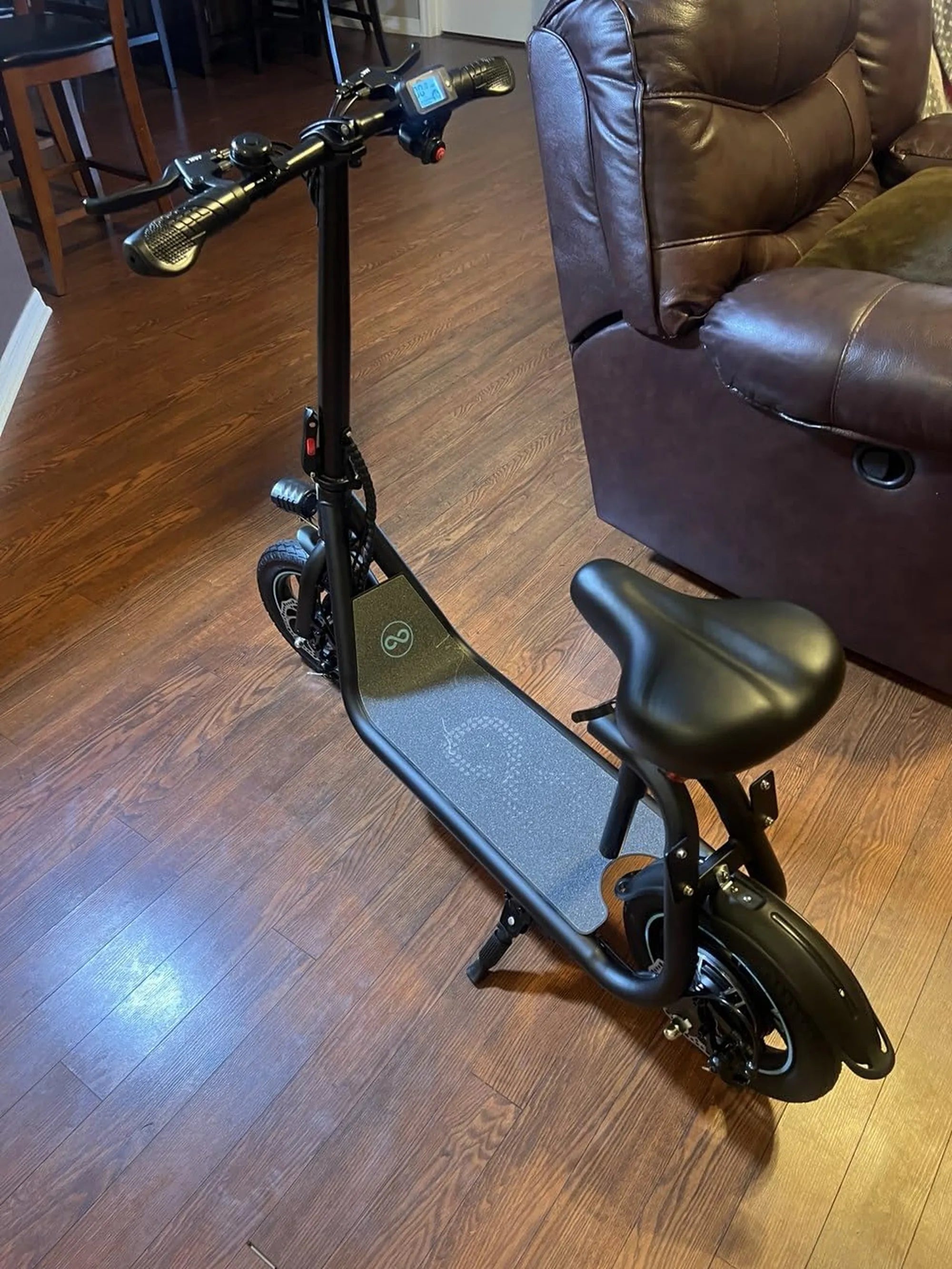
Navigating the rules for electric scooters in the UK can feel like a legal maze. The simple answer to the core question, Are you allowed to ride electric scooters in the UK?, is: it depends entirely on where and how you ride. This ultimate guide cuts through the confusion with factual clarity. You will learn the precise legal status of privately owned e-scooters on public roads, the only legal ways to ride, crucial safety protocols, and how to choose a scooter that prioritises safety and compliance for use on private land or future regulation.
The Current Legal Landscape: Public Roads and Pavements
Under UK law, a privately owned electric scooter is classified as a ‘Powered Transporter’. This classification falls under existing legislation, primarily the Highway Act 1835 and the Road Traffic Act 1988. For any vehicle to be used legally on public roads (including cycle lanes), it must meet several key requirements: it must have type approval, the user must have a valid driving license, the vehicle must be registered with the DVLA, and it must be insured.
Currently, no mass-market, privately owned e-scooter model available for public purchase meets the type approval standards required for road use. Consequently, they cannot be registered or insured for the public highway. This makes riding a privately owned e-scooter on public roads, pavements, footpaths, or in parks illegal.
The penalties for breaking this law are significant. Police can issue a £300 fixed-penalty notice and six penalty points on your driving license. Your scooter can also be impounded. Riding on the pavement additionally risks a £50 fine for ‘driving on a footway’. Understanding this fundamental legal position is the first step to responsible e-scooter ownership and use in the UK.
Where Can You Legally Ride? Understanding the Exceptions
Given the public road ban, where does that leave riders? There are two primary legal avenues: government-approved rental trials and private land. The rental trials, discussed in detail next, are a specific, sanctioned exception. For individuals who purchase an e-scooter, the only unequivocally legal place to use it is on private land with the explicit permission of the landowner.
This includes private driveways, closed-off car parks, large private estates, or farmland. The permission must be granted; you cannot assume it. This exception is crucial for those who wish to enjoy the convenience and fun of an e-scooter, such as models from Gyroor, for recreational use or commuting within a private property boundary. It is the legal foundation for owning a personal e-scooter today.
It is a common misconception that cycle paths or bridleways are legal alternatives. Unless a specific path is on private land and the landowner permits it, most public rights of way are covered by the same road traffic laws, making e-scooter use on them illegal. Always verify the land status before riding.
Official Rental Trials: How They Work and Where to Find Them
The UK government has been running controlled rental e-scooter trials since July 2020. These trials, now extended to March 2026, are the only legal way to ride an e-scooter on public roads. They operate in over 30 designated regions across England. Key trial areas include parts of London (participating boroughs only), Bristol, Bath, Birmingham, Liverpool, Manchester, Newcastle, and Southampton.
These schemes involve specific, identifiable scooters managed by approved rental companies like Tier, Voi, and Lime. The scooters are insured for public road use as part of the trial. To use one, you must download the relevant operator’s app, hold a full or provisional car, motorcycle, or moped license (category Q is insufficient), and be at least 18 years old.
Rental scooters are geofenced to adhere to trial rules: a maximum speed of 15.5 mph (20 mph in some trial areas), no riding on pavements, and mandatory use of designated parking zones. Riders are strongly encouraged to wear a helmet. This regulated environment provides valuable data on safety and integration while offering a legal riding experience.
Choosing a Scooter for Private Land & Future-Proofing
If you are purchasing an e-scooter for use on private land or in anticipation of future legalisation, selecting a model built to high safety and quality standards is paramount. Future regulations will likely mandate specific safety features. Investing in a reputable brand like Gyroor, trusted by over 100,000 riders, ensures your scooter is designed with compliance and durability in mind.
Three critical features to prioritise are battery certification, weather resistance, and warranty. A UL-certified battery, like those used in all Gyroor models, is non-negotiable. This certification means the battery pack has passed rigorous independent safety tests for electrical, fire, and mechanical hazards, offering crucial peace of mind. Secondly, the UK’s climate demands an IPX5 water-resistant rating or higher to protect the scooter’s electronics from rain and spray.
Finally, a comprehensive 1-year warranty signals the manufacturer’s confidence in its product’s reliability. It protects your investment against manufacturing defects. Choosing a scooter with these features means you are selecting a vehicle designed for real-world use and potential future legal standards, rather than just the lowest price point.
Safety, Etiquette, and Preparing for Legal Change
Safety is paramount, whether on private land or in a future where road use is permitted. Always wear a certified bicycle or multi-impact helmet. Use scooters with bright front and rear lights, even in daylight, and consider reflective clothing. Familiarise yourself with the controls, brakes, and acceleration in a safe, private area before your first proper ride.
On private land, practice good etiquette. Be mindful of other users—pedestrians, children, or pets. Keep your speed moderate and predictable. Basic maintenance, such as checking tyre pressure, ensuring brakes function correctly, and keeping the scooter clean and dry, will prolong its life and ensure safe operation.
The government is actively consulting on new legislation to create a regulatory framework for low-speed, zero-emission vehicles. While the timeline is uncertain, any new law will likely include an age limit (potentially 16+), power and speed caps (aligning with the 15.5 mph rental limit), and requirements for insurance, indicators, and lighting. Owning a well-built scooter from a responsible brand positions you well for this transition.
E-Scooter vs. E-Bike: A Legal and Practical Comparison
Understanding how e-scooter law differs from e-bike regulation is essential. E-bikes that meet the ‘Electrically Assisted Pedal Cycle’ (EAPC) rules are treated as bicycles, not motor vehicles. This grants them full legal access to roads and cycle paths without the need for license, tax, or insurance.
| Feature | Privately Owned E-Scooter (Current Law) | EAPC E-Bike (e.g., Gyroor E-Bikes) | Rental Trial E-Scooter |
|---|---|---|---|
| Legal on Public Roads/Cycle Lanes | No | Yes | Yes (in trial zones only) |
| Legal on Pavements | No | No | No |
| License Required | N/A (Illegal) | No | Yes (Provisional minimum) |
| Insurance Required | N/A (Illegal) | No (Recommended) | Yes (Provided by operator) |
| Age Restriction | N/A (Illegal) | 14+ | 18+ |
| Max Speed (Assisted) | Varies by model | 15.5 mph | 15.5 mph (typically) |
| Ideal Use Case | Private land recreation | Legal road commuting & leisure | Short urban trips in trial areas |
This table highlights a key alternative: if your primary need is legal road commuting, a compliant e-bike offers a ready-made, unrestricted solution today. Brands like Gyroor offer a range of UL-certified e-bikes that provide a similar benefits of electric assistance without the legal grey area.
Frequently Asked Questions (FAQ)
Can I ride my Gyroor scooter on the pavement or in the park?
No. It is illegal to ride any privately owned e-scooter on pavements, footpaths, or in public parks. These areas are covered by road traffic laws when it comes to motorised vehicles. The only legal public space use is within official rental trials.
Do I need insurance to ride a rental e-scooter?
Third-party liability insurance is included as part of the rental agreement with the trial operator. This is a key benefit of the trial scheme. You do not need to arrange separate insurance, but you must have a valid driving license to access the app.
What are the penalties if I'm caught riding my own scooter on the road?
You could face a £300 fixed-penalty notice and six penalty points on your driving license. The police also have the power to seize the scooter. There is no separate offense for not having insurance, as the vehicle itself is not legal for road use.
If the law changes, will my current e-scooter be legal?
It depends on the final legislation. Any new law will set technical standards for construction, maximum power, and speed. Scooters from reputable brands with UL-certified batteries, robust construction, and adjustable speed limits (e.g., many Gyroor models) are more likely to be compliant or adaptable than uncertified, generic models.
Are e-scooters and e-bikes treated the same way?
No, they are fundamentally different in law. E-bikes that are EAPC-compliant are treated as bicycles. Privately owned e-scooters are classified as Powered Transporters, which are currently illegal on public roads. This distinction is critical when choosing a personal electric vehicle.
Can I modify a rental scooter or my own scooter to go faster?
Modifying any e-scooter to exceed speed limits is dangerous, will void the warranty, and for rental scooters, is a breach of terms. For private scooters, it would make any future compliance with UK law even less likely. Always use the vehicle as intended by the manufacturer.
The Responsible Path Forward
The landscape for electric scooters in the UK is defined by a clear legal boundary today and the potential for change tomorrow. Privately owned e-scooters remain illegal for use on all public land, with the singular exception of participating in an official, government-backed rental trial. Your legal option for personal ownership is confined to private land with permission.
This reality makes informed purchasing decisions critical. Prioritising certified safety features like UL-certified batteries, weather-resistant builds, and strong warranties from established brands is not just about quality—it’s about responsibility and preparedness. As consultations continue, choosing a scooter designed to meet high standards positions you for a smoother transition should the law evolve.
Whether you’re exploring options for private land use or considering an e-bike for today’s roads, investing in reliable, safe technology is paramount. For a range of electric scooters built with UL-certified safety and IPX5 water resistance, and fully road-legal e-bikes, explore the engineering and reliability trusted by a global community. Browse the full Gyroor collection at gyroorboard.com to find the right electric ride for your needs.
Do Electric Scooters Need a License Plate? Exploring the Rules and Regulations
Electric Scooters in Puerto Vallarta: The Ultimate Guide to Eco-Friendly Travel