



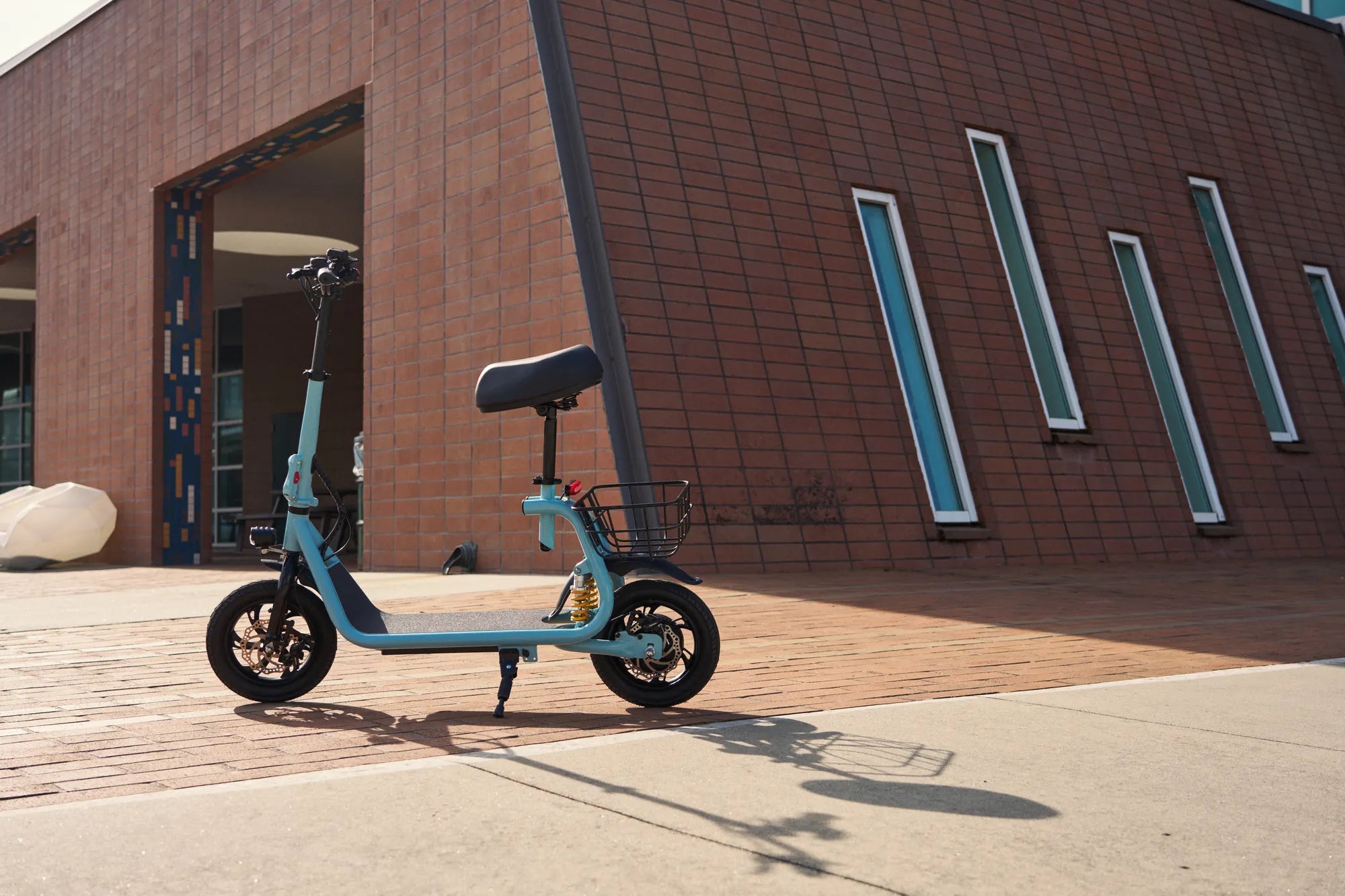
Electric scooters have become a popular mode of transportation, offering convenience and eco-friendly travel. But when it comes to taking them on trains, many riders are left wondering: are you allowed to take electric scooters on trains? The answer isn’t always straightforward, as policies vary by region, train operator, and even the type of scooter you own. This guide will break down everything you need to know to navigate the rules and ensure a smooth journey.
Understanding the Policies
Train operators often have specific guidelines regarding electric scooters. Some allow them without restrictions, while others impose strict rules or outright bans. The key factors influencing these policies include battery size, scooter dimensions, and safety concerns. Always check with your local train service provider before heading to the station.
Battery Regulations
One of the biggest concerns for train operators is the lithium-ion batteries used in electric scooters. These batteries can pose a fire risk if damaged or improperly stored. Many train companies limit the battery capacity allowed on board, typically capping it at 160Wh or less. If your scooter’s battery exceeds this limit, you may need to seek alternative transportation.
Size and Weight Restrictions
Even if your scooter’s battery complies with regulations, its size and weight might still be an issue. Most trains have limited space for bulky items, and folding scooters are often preferred. Ensure your scooter can fit in designated storage areas or under seats to avoid conflicts with staff or other passengers.
Folding vs. Non-Folding Scooters
Folding electric scooters are generally more accepted on trains due to their compact design. Non-folding models may be prohibited, especially during peak hours when space is at a premium. If you frequently rely on trains, investing in a foldable scooter could save you time and hassle.
Peak Hour Restrictions
Some train operators impose additional restrictions during rush hours. Even if scooters are usually permitted, they may be banned when trains are crowded. Always verify the rules for your specific travel times to avoid surprises.
Safety Tips for Traveling with Electric Scooters
If your scooter is allowed on the train, follow these safety tips to ensure a smooth ride:
- Turn off the scooter and fold it if possible.
- Secure the scooter to prevent it from rolling or tipping.
- Avoid blocking aisles or doors to maintain passenger flow.
- Carry a fireproof bag for the battery if required.
International Travel Considerations
Planning to take your electric scooter on a train abroad? Policies can vary significantly between countries. Research the regulations of your destination in advance, and be prepared for additional checks or fees at international borders.
Alternatives to Train Travel
If trains aren’t an option, consider other ways to transport your scooter. Buses, rideshares, or even bike lanes might offer viable alternatives. Some cities also have scooter-sharing programs, eliminating the need to bring your own.
Advocating for Change
If you’re frustrated by restrictive policies, consider joining advocacy groups pushing for clearer and more scooter-friendly train regulations. Public transportation should adapt to modern mobility trends, and collective action can drive positive change.
Navigating the rules for taking electric scooters on trains doesn’t have to be a headache. With the right knowledge and preparation, you can enjoy seamless commutes while staying compliant. Whether you’re a daily rider or an occasional traveler, staying informed ensures your journey is as smooth as your ride.
Parts for Electric Mobility Scooters: Essential Components for Smooth Rides
Are Electric Scooters Motorized? Exploring the Mechanics and Benefits