

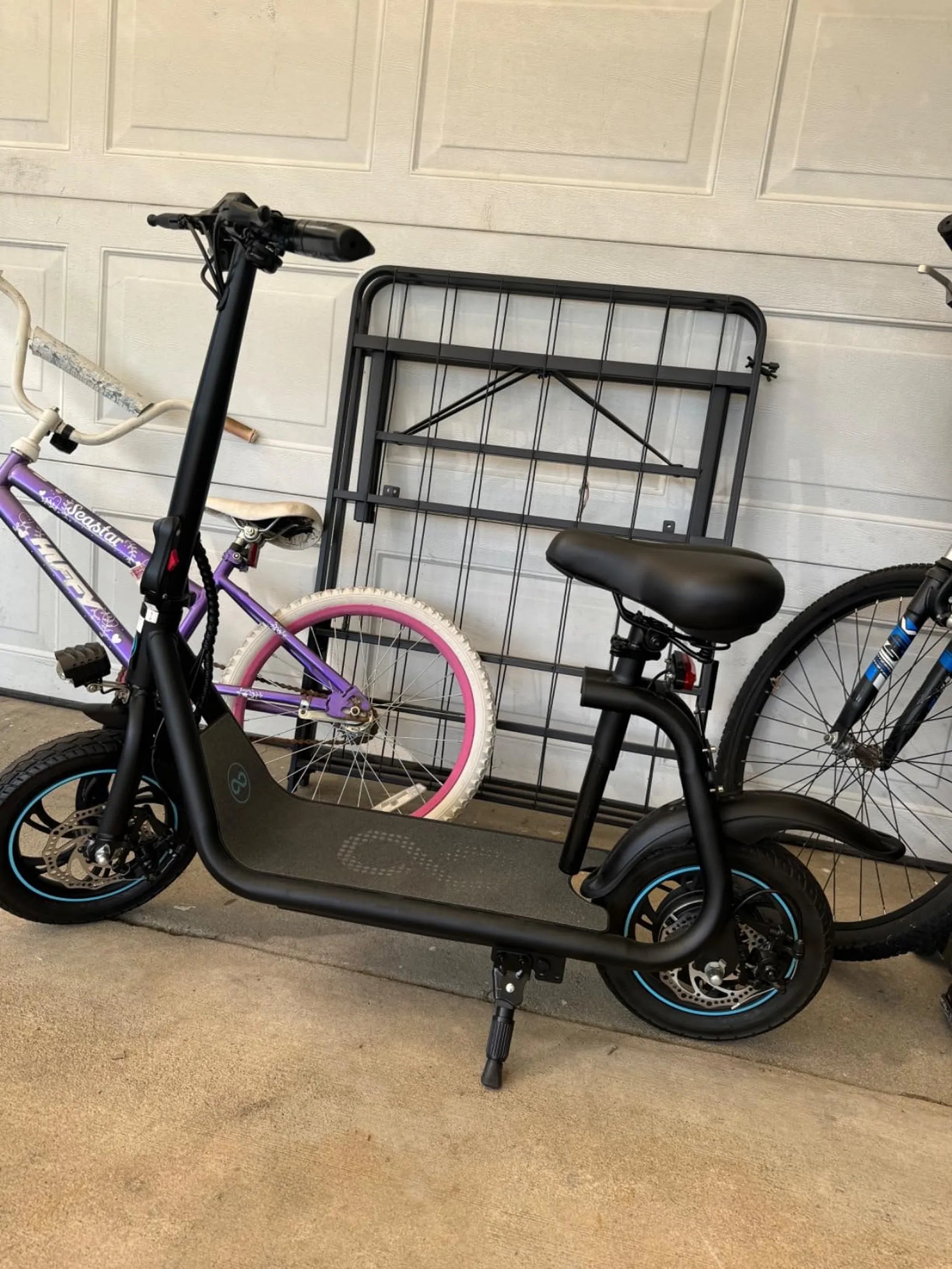
Imagine leaving your garage, navigating city streets to the highway, then veering onto a forest service road without ever changing vehicles. This is the promise of the automatic street legal dirt bike, a machine engineered for ultimate versatility. This guide provides a complete, data-driven breakdown of this growing vehicle category. You will learn the precise legal requirements, the engineering behind automatic transmissions, key purchase considerations, and a practical roadmap for registration and insurance.
The Rise of the Automatic Street Legal Dirt Bike
The automatic street legal dirt bike represents a significant evolution in personal mobility. It merges the lightweight, agile, and suspension-rich platform of a traditional dirt bike with the convenience of an automatic transmission and the necessary equipment for lawful on-road operation. This hybrid appeals to a broad audience: urban commuters seeking a nimble and efficient alternative, adventure riders who despise trailering, and new riders intimidated by manual clutch operation.
Market data indicates a steady increase in demand for dual-sport and adventure-style motorcycles, with a notable subset seeking simpler operation. The automatic transmission removes a significant skill barrier, making the freedom of two-wheeled exploration accessible to more people. This trend mirrors the broader shift in consumer preference toward user-friendly, multi-purpose transportation solutions.
For brands committed to innovation in personal electric transport, like Gyroor, the principles behind this category are familiar. Engineering a vehicle for diverse conditions—smooth asphalt, rough trails, and variable weather—requires a focus on core durability, battery safety, and rider-centric design. These same principles of reliability and performance underpin the ideal automatic street legal dirt bike.
What Makes a Dirt Bike "Street Legal"? The Legal Checklist
"Street legal" is a specific certification, not a marketing term. It means a vehicle meets the minimum federal and state requirements for operation on public roads. For a dirt bike, this requires adding or confirming a suite of equipment. The core federal standards, often adopted by states, are found in FMVSS (Federal Motor Vehicle Safety Standards).
The mandatory equipment list is non-negotiable. It includes a headlight with high and low beams, a taillight and brake light, front and rear turn signals, at least one rearview mirror (often two), a horn audible from a specific distance, and DOT (Department of Transportation)-approved tires with adequate tread depth. The bike must also have a valid Vehicle Identification Number (VIN) assigned by the manufacturer.
It is critical to understand that there are two paths to legality. The first is purchasing a factory-built dual-sport or enduro model that comes with this equipment from the manufacturer and includes a Manufacturer's Certificate of Origin (MCO) stating it is for on-road use. The second, more complex path involves converting an off-road-only dirt bike, which requires sourcing all parts, ensuring they meet standards, and passing a state inspection.
State laws vary significantly. Some states, like California, have stringent emissions (CARB) requirements in addition to safety equipment. Others have simpler processes. Always check with your local Department of Motor Vehicles (DMV) for the exact checklist before purchasing or beginning a conversion project for an automatic street legal dirt bike.
The Gyroor Advantage: Engineering Principles for Dual-Duty Use
While Gyroor is a leader in electric scooters and e-bikes, the company's engineering philosophy is directly applicable to the demands of a dual-purpose vehicle. A true automatic street legal dirt bike must be built to endure the constant vibration of off-road use, exposure to the elements, and the reliability demands of daily commuting.
Core brand pillars translate directly. UL-certified battery packs, a standard across Gyroor's lineup, represent a commitment to proven electrical safety—a critical consideration for any modern vehicle with complex lighting and ignition systems. An IPX5 water-resistant design ensures that riding in rain or through puddles won't lead to electrical failure. A comprehensive 1-year warranty provides peace of mind, reflecting confidence in the product's durability across varied use cases.
This focus on robust construction and user safety is what separates quality manufacturers from budget options. When evaluating any automatic street legal dirt bike, prioritize brands that are transparent about their components, safety certifications, and post-purchase support, much like the trusted reputation Gyroor has built with over 100,000 riders.
Why Automatic Transmission is a Non-Negotiable Game-Changer
The automatic transmission, typically a Continuously Variable Transmission (CVT) or a modern Dual-Clutch Transmission (DCT), fundamentally changes the riding experience. It eliminates the clutch lever and gear shifter, allowing the rider to focus entirely on throttle, brakes, and balance.
In urban environments, this means no stalling in traffic or frantic downshifting at stoplights. Power delivery is smooth and predictable, reducing rider fatigue during commutes. For off-road novices, it removes the intimidating coordination of clutch modulation on steep, loose hills or technical sections, preventing engine stalls at critical moments.
Modern automatic transmissions in this category are engineered for performance. They provide seamless power transfer, often optimizing the powerband for both low-end torque for crawling over obstacles and higher-speed efficiency for pavement cruising. This technology makes the automatic street legal dirt bike arguably the most accessible gateway to true dual-sport adventure riding.
Key Features to Evaluate Before You Buy
Selecting the right model requires a careful analysis of specifications against your intended use. Displacement is a primary differentiator. A 250cc automatic street legal dirt bike offers excellent fuel efficiency, lighter weight for trail handling, and is often sufficient for beginner to intermediate riders. A 450cc or larger model provides more power for highway travel and carrying gear, but adds weight and complexity.
Suspension is paramount for off-road capability. Look for ample front and rear travel (often 10+ inches) and adjustable preload, compression, and rebound damping. Inverted (upside-down) forks are a sign of a more serious off-road chassis. Seat height is a practical concern; ensure you can comfortably reach the ground, as these bikes are typically taller than street motorcycles.
Examine the lighting kit thoroughly. Are the turn signals integrated and durable, or fragile add-ons? Is the headlight bright enough for night trail riding? Check the availability of essential accessories like luggage racks, skid plates, and handguards from the manufacturer or aftermarket. Finally, verify the manufacturer's support for the registration process. A clear, road-use MCO is essential.
Data Comparison: On-Road Efficiency vs. Off-Road Prowess
The dual nature of these bikes creates a trade-off in performance metrics. The following table illustrates typical data points for a mid-range 300cc automatic street legal dirt bike, highlighting how use case affects outcomes.
| Performance Metric | On-Road (Pavement) Use | Off-Road (Trail) Use | Notes & Implications |
|---|---|---|---|
| Fuel Economy / Range | ~ 70 MPG / 200-mile range | ~ 35 MPG / 100-mile range | Higher RPMs and load off-road drastically reduce efficiency. Plan fuel stops accordingly. |
| Tire Wear Rate | Low to Moderate | Very High | Aggressive off-road knobby tires wear quickly on pavement. Dual-sport tires offer a compromise. |
| Scheduled Maintenance Interval | Every 3,000-4,000 miles | Every 15-20 hours of operation | Off-road use is harder on oil, air filters, and suspension. Follow the more frequent service schedule. |
| Noise Output (dB) | ~ 82 dB (at cruising speed) | ~ 92 dB (under hard acceleration) | Most states have a 96 dB limit. A quality spark arrestor/muffler is crucial for trail access and neighborhood peace. |
| Effective Top Speed | 75-85 MPH (sustainable) | N/A (Terrain dependent) | Gearing and power should match your highway needs. Smaller bikes may struggle at sustained high speed. |
Navigating Registration and Insurance: A State-by-State Guide
The process of making your bike legal is as important as the purchase itself. For a factory-built street-legal model, the process is straightforward. The dealer provides the MCO and a bill of sale. You take these to your DMV, pay sales tax and registration fees, get a license plate, and you're done. Always confirm the bike is 50-state legal if you plan to move or travel.
For a conversion, the process is meticulous. First, acquire all required equipment from reputable suppliers, ensuring they are DOT or SAE certified. Install everything professionally. Then, you must schedule a state vehicle inspection (where required) to verify the equipment. After passing, you will receive a form to take to the DMV along with the off-road MCO, application for title, and proof of insurance.
Insurance is mandatory and generally affordable for this category. Liability insurance is the minimum legal requirement. Comprehensive and collision coverage are highly recommended, especially for a bike used off-road where damage is more likely. Shop around, as some insurers specialize in motorcycles and dual-sports. Provide the VIN and the exact model description to get an accurate quote for your automatic street legal dirt bike.
Safety and Maintenance for the Dual-Sport Rider
Operating a vehicle in two vastly different environments demands heightened safety awareness. On-road, you are vulnerable traffic. Always wear a DOT-approved full-face helmet, armored jacket, gloves, and over-ankle boots. Use your lights and signals proactively. Assume you are invisible to car drivers.
Off-road safety focuses on terrain and body protection. A motocross-style helmet, goggles, chest protector, knee/shin guards, and dedicated off-road boots are essential. Learn proper standing riding technique for control over rough ground. Always ride within your skill limit and inform someone of your route when exploring remote areas. The automatic transmission helps manage the bike, but it does not replace skill development.
Maintenance is more intensive than for a street-only motorcycle. After every off-road ride, clean the air filter, check tire pressure, and lubricate the chain. Adhere to the "severe service" schedule in your manual, which dictates more frequent oil and filter changes. Regularly inspect brake pads, suspension seals, and all lighting connections for damage caused by vibration and impacts.
FAQ: Your Automatic Street Legal Dirt Bike Questions Answered
Can I make any dirt bike street legal?
Technically, perhaps, but practically, it is often prohibitively difficult and expensive. The bike must have a VIN that can be titled, and you must source every piece of compliant equipment. Some states outright ban titling off-road-only vehicles. It is almost always easier and more cost-effective to start with a factory-built dual-sport model.
Is an automatic street legal dirt bike good for beginners?
Yes, it can be an excellent choice. The automatic transmission significantly reduces the initial complexity of learning to ride. However, beginners must respect the power and weight of the machine, and the added challenge of learning both street riding etiquette and off-road techniques. A training course (like the MSF) is highly recommended.
How does highway performance compare to a standard motorcycle?
It is different. A street-legal dirt bike is lighter and has more suspension travel, which can feel less stable in crosswinds and over pavement imperfections. The seating position is taller and more upright. While capable of highway speeds, they are not designed for all-day, high-speed cruising comfort like a touring bike. They excel at shorter commutes and backroad travel.
What are the top brands or models to consider?
Several established motorcycle manufacturers offer models in this space. Honda with its CRF250L and DCT-equipped Africa Twin, Yamaha with the XT250, and Kawasaki with the KLX230 are prominent examples. It's crucial to research each model's specific features, weight, and dealer support network in your area.
What is the typical cost range?
Prices vary widely. A new, entry-level 250cc factory model can start around $5,000 to $6,000. Larger, more capable models with advanced features can range from $8,000 to over $12,000. Remember to budget for gear, insurance, registration, and essential accessories like luggage or a skid plate.
Unleashing a New Kind of Transportation Freedom
The automatic street legal dirt bike is more than a motorcycle; it's a key to unlocked terrain and simplified commuting. It represents a smart investment in versatile mobility, eliminating the need for multiple vehicles or trailers. By choosing a model built with an emphasis on durability, compliant equipment, and reliable engineering—principles championed by brands like Gyroor in their electric vehicle categories—you invest in countless adventures and practical daily journeys.
This machine transforms "either/or" into "and." It's for the commute and the canyon, the errand and the exploration. Your journey toward this freedom starts with research, a clear understanding of the legal landscape, and a commitment to ongoing skill development. The road, and the trail, await.
Ready to explore a new category of versatile, rider-focused transportation? While Gyroor specializes in premium electric scooters and e-bikes, the same engineering ethos of safety, reliability, and performance applies to your search for the perfect ride. For those seeking electric urban mobility, browse the full Gyroor collection at gyroorboard.com to see innovation in action.
When Was the First Scooter Made? A Journey from 1817 to E-Scooters
When Was the First Scooter Made? A Journey from 1817 to E-Scooters