



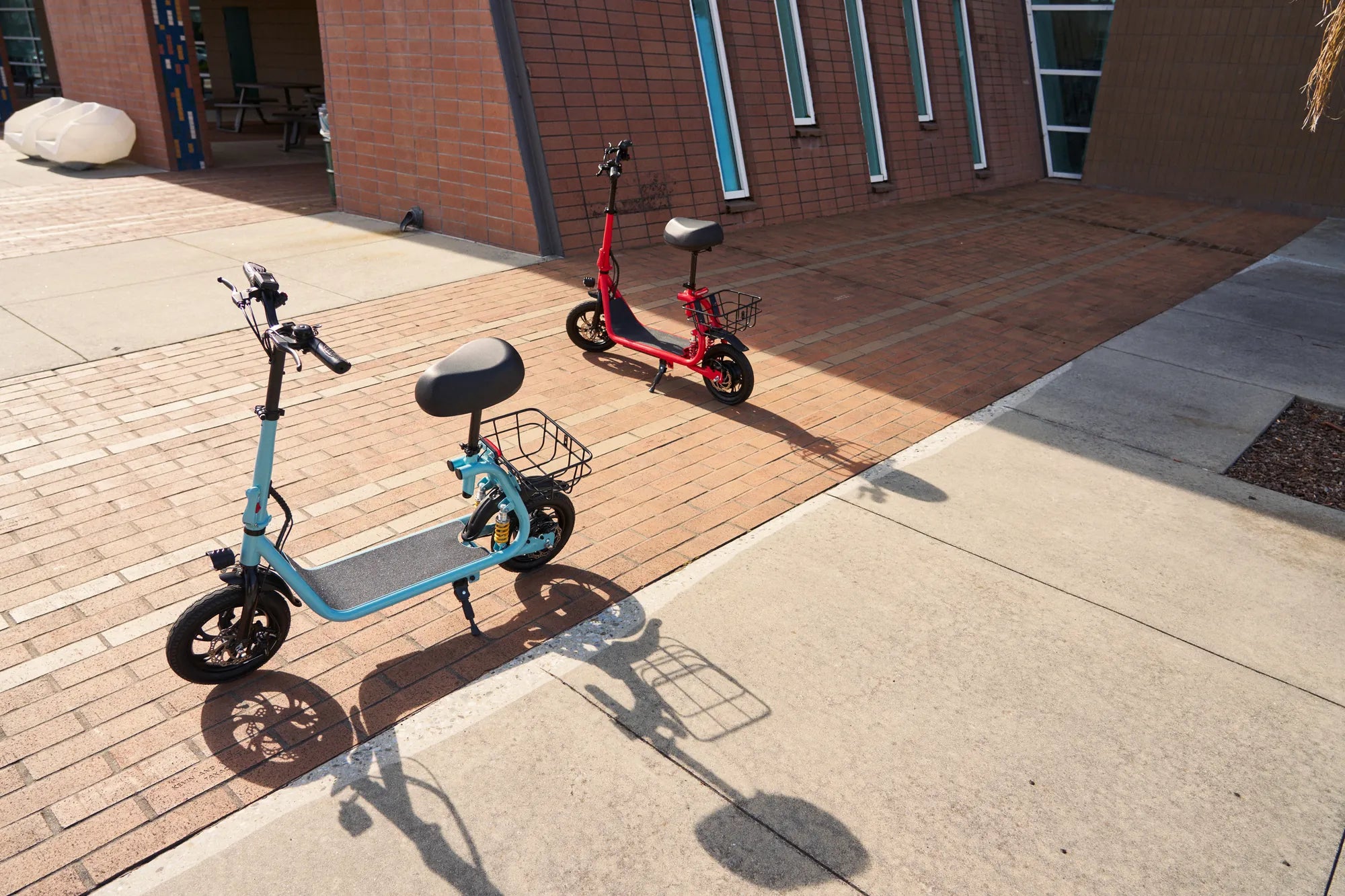
What is your average bike ride speed? This simple question is a key metric for cyclists of all levels, from commuters timing their trips to fitness riders tracking progress. The average bike ride speed is not a single number but a range influenced by rider, machine, and environment. Understanding this benchmark and the factors behind it empowers you to set realistic goals, plan efficient commutes, and enhance your riding experience. This guide will provide comprehensive data, actionable analysis, and practical advice to help you master your pace on two wheels.
What is the Average Bike Ride Speed? Breaking Down the Numbers
The average bike ride speed for a casual, recreational rider on flat terrain typically falls between 10 and 14 miles per hour (mph), or 16 to 22.5 kilometers per hour (km/h). However, this broad average masks significant variation. A beginner on a heavy hybrid bike will differ greatly from an experienced road cyclist on a lightweight machine. For commuters in urban environments, the average speed often drops to 8-12 mph (13-19 km/h) due to traffic lights, signs, and pedestrian traffic.
Fitness-oriented road cyclists can sustain averages of 15-18 mph (24-29 km/h) on moderate rides, with stronger riders exceeding 20 mph (32 km/h). Mountain bikers see averages drop significantly to 8-12 mph (13-19 km/h) due to technical terrain and elevation changes. The most transformative category is electric bikes, which consistently boost the average bike ride speed. Riders on e-bikes and electric scooters commonly maintain speeds of 15-20 mph (24-32 km/h) with considerably less physical exertion, effectively flattening hills and negating headwinds.
| Rider Category | Typical Bike Type | Average Speed (mph) | Average Speed (km/h) | Key Influences |
|---|---|---|---|---|
| Casual / Recreational | Hybrid, Comfort Bike | 10 - 14 | 16 - 22.5 | Fitness, bike weight, stops |
| Urban Commuter | Hybrid, City Bike, Folding Bike | 8 - 12 | 13 - 19 | Traffic density, signal stops |
| Fitness / Road Cyclist | Road Bike | 15 - 20+ | 24 - 32+ | Fitness, aerodynamics, route |
| Mountain Biker | Mountain Bike | 8 - 12 | 13 - 19 | Trail technicality, elevation |
| E-Bike / E-Scooter Rider | Electric Bike, Electric Scooter | 15 - 20 | 24 - 32 | Motor assist level, battery, regulations |
Key Factors That Determine Your Riding Speed
Your average bike ride speed is the product of a complex equation. It's not just about how hard you pedal. Three primary categories of factors interact: the rider, the bike, and the environment. Optimizing elements within your control is the most direct path to a faster, more consistent average.
Rider-Specific Factors
Your physical condition is paramount. Cardiovascular fitness, muscular strength, and endurance directly determine your power output. An experienced rider also possesses better pedaling efficiency, knowing how to maintain a smooth, high cadence. Aerodynamic body position is another critical, often overlooked factor. Dropping from an upright posture to a more aggressive, bent-elbow stance can reduce wind resistance significantly, boosting speed by 1-3 mph with the same effort. Rider weight also plays a role, especially on climbs where gravity is the dominant force.
Bike and Equipment Factors
The machine matters. A lightweight road bike with narrow, high-pressure tires and an efficient drivetrain will always be faster on pavement than a heavy mountain bike with knobby, low-pressure tires. Tire pressure alone is a major lever; under-inflated tires create excessive rolling resistance. Regular maintenance is non-negotiable. A dirty, dry chain can waste over 5% of your pedaling power, while dragging brake pads create constant resistance. For e-bikes and scooters, motor power (wattage), battery health, and assist level settings are the primary determinants of sustained speed.
Environmental and Route Factors
Terrain is the most obvious environmental factor. A hilly route will drastically lower your average speed compared to a flat one. Wind is a silent speed thief; a 10 mph headwind can feel like a continuous hill. Road surface quality matters—rough chip-seal or gravel is slower than smooth asphalt. Urban riding introduces the variable of "stop density." The frequency of traffic lights, stop signs, and pedestrian crossings is the single biggest factor reducing a commuter's average speed, as accelerating from a stop repeatedly consumes massive energy.
How to Measure and Track Your Average Speed Accurately
To improve your average bike ride speed, you must first measure it consistently. The most accessible tool is a smartphone cycling app like Strava, MapMyRide, or Ride with GPS. These use your phone's GPS to track distance, time, and calculate average and maximum speed. For greater accuracy and real-time data, a dedicated bike computer paired with speed and cadence sensors is the gold standard. These devices provide instant feedback and are not affected by phone signal issues.
Manual calculation is simple: divide your total trip distance by your total moving time. Ensure you use *moving time*, not total elapsed time, to get a true reflection of your riding pace, excluding breaks. Consistency in tracking is key. Use the same device and app, and try to ride similar routes under comparable conditions when benchmarking progress. This isolates the variable of your own fitness and technique improvements.
Boosting Your Average Speed: Actionable Tips for Every Rider
Improving your pace doesn't require becoming a professional athlete. Strategic adjustments to technique, equipment, and planning yield significant gains. These tips are organized by the level of effort and investment required.
Low-Effort, High-Impact Adjustments
Start with the simplest fixes. First, check your tire pressure before every ride. Inflate to the maximum recommended pressure on the tire sidewall for minimal rolling resistance. Second, optimize your riding posture. On a traditional bike, practice bending your elbows, lowering your torso, and looking ahead, not down. On an e-scooter, keep your knees slightly bent and weight centered. Third, plan your route strategically. Use apps to find routes with fewer stops and less traffic, even if slightly longer. A steady 15 mph is faster than a stop-and-go 18 mph.
Investments in Performance
For those ready to invest, component upgrades offer excellent returns. The best value upgrade is a set of high-quality, low-rolling-resistance tires. Swapping heavy stock tires for performance models can feel like a free gear. Next, ensure your bike is impeccably maintained. A professional tune-up to clean and lubricate the drivetrain, true the wheels, and adjust bearings can restore lost efficiency. For fitness gains, incorporate interval training: alternate between short, high-intensity efforts and recovery periods. This builds the cardiovascular engine that drives higher sustained speeds.
The Gyroor Advantage: How E-Bikes Redefine "Average"
Electric bikes and scooters fundamentally change the average bike ride speed equation. By providing consistent pedal-assist or throttle-powered acceleration, they minimize the factors that slow traditional riders. A Gyroor e-bike, powered by a reliable UL-certified battery pack and robust motor, allows riders to easily maintain speeds of 18-20 mph. Hills become manageable, headwinds are negated, and stop-and-go traffic is less draining because the motor provides instant torque for acceleration.
This technological advantage makes higher average speeds accessible to a much wider range of riders, regardless of fitness level or terrain. The Gyroor H30 electric scooter, for example, with its IPX5 water-resistant design and powerful motor, is engineered for reliable, consistent performance that translates directly to a faster, more predictable commute. The brand's focus on safety and durability, backed by a 1-year warranty, means riders can focus on enjoying the ride and arriving faster, without mechanical worries.
Comparing Scooter and Bike Types for Different Use Cases
Choosing the right vehicle is the first step to achieving your target average speed. For pure urban commuting under 5 miles with heavy traffic and storage constraints, a compact, agile electric scooter like the Gyroor F1 Pro is ideal. Its quick acceleration and portability help maximize average speed in dense stop-and-go environments. For longer commutes (5-15 miles) or mixed-terrain paths, an electric bike offers greater comfort, stability, and range, sustaining a higher average speed over distance.
For fitness and recreation on paved roads, a traditional road or lightweight hybrid bike is optimal, as the rider's effort directly translates to speed gains. For off-road trails, a mountain bike's geometry and suspension are essential, accepting a lower average for control and capability. The key is aligning the vehicle's strengths—portability, assist power, efficiency, or ruggedness—with your primary use case and route profile.
Safety and Maintenance: The Foundation of Sustainable Speed
Pursuing a higher average bike ride speed must be grounded in safety. Always wear a helmet. Use lights and reflective gear to be visible. Obey traffic laws and signal your intentions. On an e-bike or scooter, be mindful of your increased speed relative to pedestrians and traditional cyclists; ride predictably. Regular maintenance is safety. For e-vehicles, this means regularly checking tire pressure, brake pad wear, and ensuring all bolts are tight.
For Gyroor products, the UL-certified battery requires specific care: avoid extreme temperatures, don't fully deplete it regularly, and use only the provided charger. A well-maintained vehicle is not only safer but also more efficient. Clean brakes don't drag, a lubricated chain transfers power effectively, and properly inflated tires roll smoothly—all contributing to a better average speed and a more reliable ride.
Frequently Asked Questions (FAQ)
What's a good average speed for a beginner cyclist?
A very respectable average speed for a beginner on a hybrid or mountain bike on flat ground is 10-12 mph (16-19 km/h). The goal should be consistency and comfort, not a specific number. Focus on enjoying the ride and gradually increasing your distance; speed will naturally follow as your fitness improves.
How much faster is an e-bike compared to a regular bike?
For the same rider on the same route, an e-bike typically increases the average bike ride speed by 3-8 mph (5-13 km/h). The difference is most pronounced on hills, into headwinds, and when accelerating from stops. An e-bike rider often arrives less fatigued, making the effective speed gain even greater for commuting purposes.
Does a lighter bike make you significantly faster?
Yes, but the effect is most noticeable during acceleration and climbing. On flat terrain at a steady speed, aerodynamics and rolling resistance are more important. Shedding 5 pounds from your bike weight is beneficial, but shedding 5 pounds from your body weight plus improving your aerodynamics is often more impactful for flat-land average speed.
How does speed affect battery life on an e-bike like a Gyroor?
Higher sustained speeds drain the battery faster. Aerodynamic drag increases exponentially with speed, so riding at 20 mph consumes battery power much faster than riding at 15 mph. Using a lower level of pedal assist on flat sections and reserving maximum power for hills is the best strategy to maximize range while maintaining a good average speed.
Can I improve my average speed without getting fitter?
Absolutely. The most effective ways are equipment and strategy: inflate your tires properly, clean and lube your chain, wear more aerodynamic clothing, draft behind another rider (safely), and choose a route with fewer stops and headwinds. Switching to an e-bike is the most dramatic way to increase your average bike ride speed without increased physical exertion.
Ride Your Own Ride: Defining Your Personal Average
The pursuit of a higher average bike ride speed is a personal journey, not a competition. Your "average" is a valuable benchmark for tracking your own progress, planning your commute, or setting fitness goals. Whether you're pushing your limits on a road bike or enjoying the assisted breeze on a reliable Gyroor e-scooter, the true metric of success is consistent, enjoyable, and safe riding. Understand the factors you can control, make smart adjustments, and choose the right tool for your journey.
Ready to experience a new kind of average? Explore how Gyroor's range of UL-certified, high-performance electric scooters and e-bikes can transform your commute and redefine your ride. Browse the full Gyroor collection at gyroorboard.com and find the perfect vehicle to match your pace.
How Fast Does a 250cc Scooter Go? Top Speed & Performance Guide
E-Bike Charge Cost: Your Complete Guide to Calculating and Minimizing Expenses