

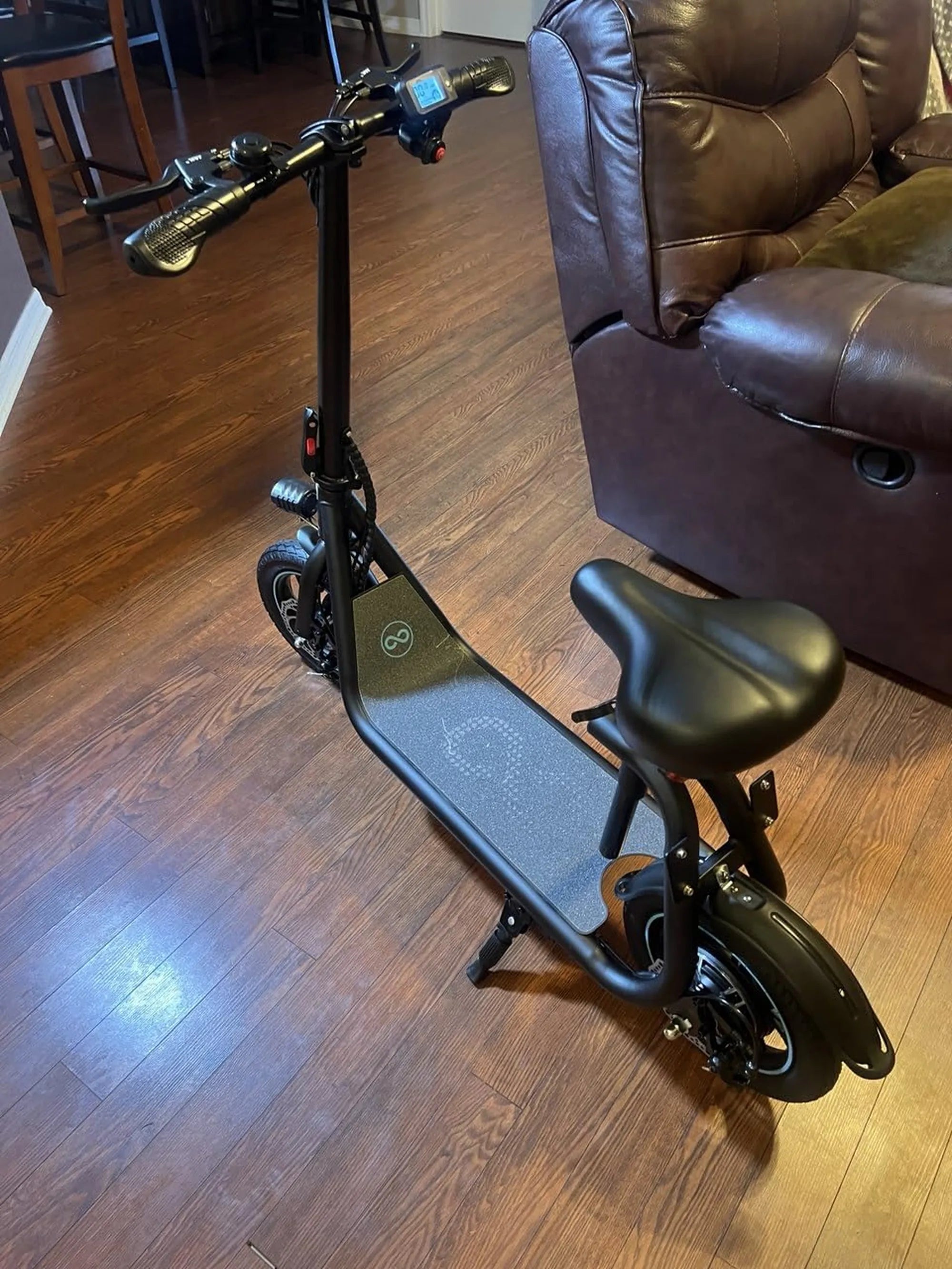
Electric bikes, or e-bikes, have revolutionized the way we commute and explore. But one question often lingers in the minds of potential buyers: how much does an average e-bike weigh? The answer isn't as straightforward as you might think, and understanding this metric can make or break your riding experience.
Factors Influencing Average E Bike Weight
The weight of an e-bike is determined by several key components. Here's a breakdown of the most significant factors:
- Frame Material: Aluminum frames are lighter than steel but may sacrifice some durability.
- Battery Size: Larger batteries provide longer range but add considerable weight.
- Motor Type: Hub motors are generally heavier than mid-drive systems.
- Accessories: Racks, fenders, and other add-ons contribute to the overall weight.
Why E Bike Weight Matters
The average e-bike weight plays a critical role in performance. A heavier bike may offer stability but can be challenging to maneuver, especially when the battery dies. On the other hand, lighter models are easier to handle but may lack the power needed for steep inclines.
Tips for Choosing the Right E Bike Weight
Consider your primary use case. For urban commuting, a lighter e-bike might be ideal. For off-road adventures, a sturdier, heavier model could be more suitable. Always test ride before making a decision.
E-bikes are here to stay, and knowing the average e-bike weight can help you find the perfect match for your lifestyle. Whether you're a daily commuter or a weekend explorer, the right weight can make all the difference in your riding experience.
Adult Scooter Adults Kick: The Ultimate Guide to Fun and Fitness
Adult Scooter Adults Kick: The Ultimate Guide to Fun and Fitness