



Introduction: Why Average Speed Matters More Than Top Speed
When choosing an electric scooter, the advertised top speed grabs headlines, but it's the average speed that defines your daily experience. The average speed of electric scooters is the true measure of real-world performance, accounting for stops, starts, hills, and traffic. For commuters and leisure riders alike, understanding this metric is crucial for accurate trip planning and setting realistic expectations.
Top speed is a peak figure achieved under ideal, often unrealistic conditions. Your actual riding speed is a dynamic average, constantly influenced by rider weight, terrain grade, battery charge, and local regulations. This article will dissect these variables, providing a data-driven framework to help you predict and maximize the performance you'll get on the road.
We'll move beyond marketing specs to explore what speeds you can genuinely maintain. You'll learn how different scooter categories perform, how to ride more efficiently, and how to select a model that matches your speed needs for a reliable, enjoyable ride every time.
Understanding Electric Scooter Speed Specifications
Manufacturers typically promote a scooter's maximum or top speed. This figure represents the highest velocity the scooter can attain, usually with a lightweight rider on a flat, smooth surface with a full battery. It's a useful benchmark for motor capability but a poor predictor of daily use.
The average speed of electric scooters is a more practical specification, though less commonly advertised. It refers to the mean speed maintained over a typical journey, incorporating acceleration, deceleration, and cruising. Reputable brands like Gyroor design and test their scooters to deliver consistent average performance, not just peak bursts, using robust components like UL-certified batteries.
Discrepancy between these figures is normal. A scooter with a 19 mph top speed might average 12-15 mph in city traffic. This gap is influenced by engineering priorities—such as motor torque for hill climbing versus pure top-end speed—and the quality of the electronic speed controller (ESC) that manages power delivery.
Key Factors That Determine Your Actual Average Speed
Your real-world pace is a function of multiple interacting variables. Rider weight is paramount; every additional pound requires more energy from the motor to accelerate and maintain speed, directly lowering your average. Most scooters are rated for a specific weight capacity, and performance degrades as you approach that limit.
Terrain and incline are critical. A flat bike path allows for higher sustained speeds, while even a moderate hill can cut your average speed significantly as the motor works harder. Road surface quality matters too; rough pavement or gravel creates rolling resistance that slows you down compared to smooth asphalt.
Environmental conditions play a role. Headwinds act as a constant brake, while optimal tire pressure (often overlooked) ensures minimal rolling resistance. Scooter mechanics are fundamental: motor wattage defines potential power, but torque determines acceleration and hill-climbing ability, both crucial for maintaining a good average.
The Impact of Battery Life and Scooter Mode on Speed
Battery charge level has a direct, non-linear relationship with speed. With a full charge, voltage is high, allowing the motor to deliver peak performance. As the battery depletes, voltage drops, and most scooters experience a gradual reduction in power and top speed, thereby lowering the achievable average over a long ride.
Modern scooters feature selectable riding modes—commonly Eco, Standard, and Sport. These modes cap the scooter's maximum output and acceleration curve. Riding in Eco mode maximizes range by limiting speed, while Sport mode unlocks full power for a higher average pace at the expense of battery life. Smart use of these modes is key to managing your speed and range expectations.
Average Speed Ranges by Scooter Category
Electric scooters can be grouped by design intent, which correlates strongly with realistic average speed ranges. The following table provides a clear comparison of what to expect from each category, helping you match a scooter to your primary use case.
| Scooter Category | Typical Motor Power | Real-World Avg. Speed Range | Primary Use Case | Key Features for Speed |
|---|---|---|---|---|
| Commuter & City | 250W - 350W | 10 - 15 mph | Urban errands, short commutes | Lightweight, portable, efficient |
| Performance & Long-Range | 350W - 500W | 15 - 22 mph | Longer commutes, faster travel | Larger battery, higher torque |
| Off-Road & High-Performance | 500W+ (Dual Motor) | 18 - 25+ mph* | Trails, rugged terrain, thrill-seeking | High torque, suspension, knobby tires |
*Speed on off-road terrain is highly variable and often lower than on pavement.
Understanding these categories demystifies performance claims. A commuter scooter prioritizing portability will naturally have a lower average speed than a performance model built for sustained power. The average speed of electric scooters is thus a direct reflection of their engineering design philosophy.
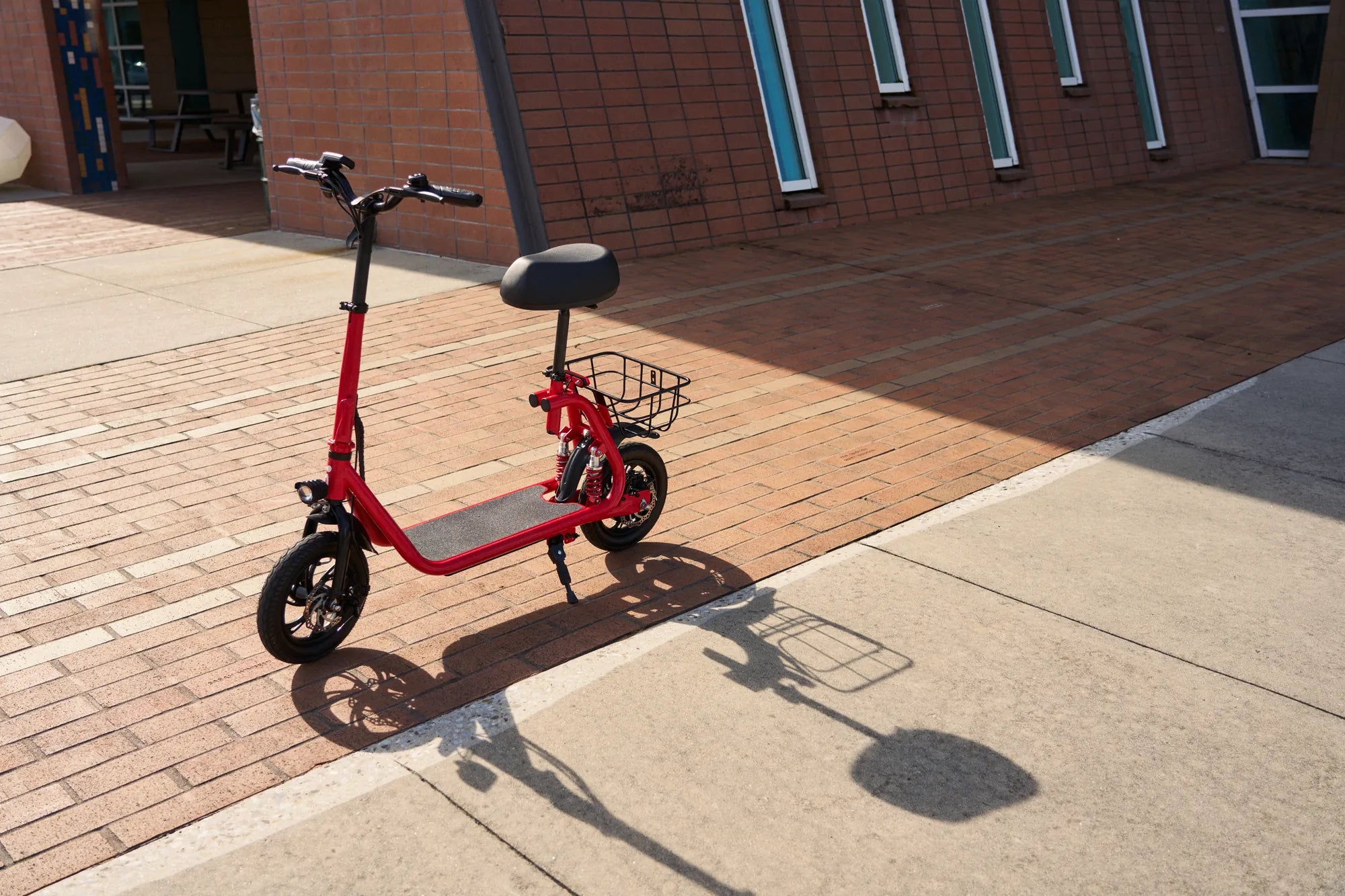
Commuter & City Scooters (e.g., Gyroor C1 Series)
These models balance portability, cost, and efficiency. With average speeds between 10-15 mph, they are ideal for navigating bike lanes, crowded sidewalks at safe speeds, and completing last-mile journeys. Their performance is tailored for stop-and-go urban environments rather than high-speed cruising.
Models like the Gyroor C1 series exemplify this category. They focus on reliable, everyday performance with features like IPX5 water resistance to maintain that average speed in light rain, and UL-certified batteries that ensure consistent power delivery from full charge to empty, supporting a stable average pace.
Performance & Long-Range Scooters (e.g., Gyroor F1 Series)
Built for riders with longer or faster commutes, these scooters feature more powerful motors and larger battery packs. They achieve higher average speeds, typically in the 15-22 mph range, allowing for quicker transit times while still being manageable on urban infrastructure.
The Gyroor F1 series, for instance, is engineered for this sustained performance. The larger battery capacity not only extends range but also helps maintain voltage for longer, preserving a higher average speed throughout the ride. This makes the average speed of electric scooters in this class more consistent over distance.
Safety, Regulations, and Riding at Your Average Speed
Your scooter's average speed must be considered within legal and safety frameworks. Many cities impose speed limits on electric scoototers, often capping them at 15-20 mph on bike paths and roads. Riding at a responsible average speed that complies with local laws is essential for your safety and legal protection.
Protective gear is non-negotiable. At higher average speeds, the risk and potential severity of a fall increase significantly. A helmet is essential; knee and elbow pads are highly recommended, especially for performance riders. Your gear should match the realistic pace you maintain.
Safe riding practices directly influence average speed. Smooth acceleration and braking conserve battery and maintain control, allowing for a safer, more consistent pace. Being aware of pedestrians, cyclists, and vehicles ensures you can adapt your speed appropriately, making the overall riding environment safer for everyone.
How to Maximize and Monitor Your Electric Scooter's Average Speed
You can optimize your scooter's performance through maintenance and technique. First, ensure tires are inflated to the manufacturer's recommended PSI. Properly inflated air-filled tires drastically reduce rolling resistance compared to under-inflated ones, making it easier to maintain speed.
Ride smart. Use a crouched stance to reduce wind resistance at higher speeds. Accelerate smoothly from stops instead of jamming the throttle, which wastes energy. Plan your route to minimize steep hills and stop signs, creating a path that allows for more consistent cruising.
Utilize your scooter's technology. Most modern displays, like those on Gyroor models, show both real-time and sometimes trip-average speed. Monitoring this feedback helps you understand how your riding style affects efficiency. Use Eco mode for congested areas and Sport mode only when you need the higher average speed on open paths.
Frequently Asked Questions (FAQ)
Q: What is a good average speed for a commuter electric scooter?
A: For most urban commutes, a consistent average speed of 12-15 mph is ideal. It's fast enough to reduce travel time significantly compared to walking, yet slow enough to be safe on bike lanes and manageable in traffic. Scooters like the Gyroor C1 are designed to hit this sweet spot reliably.
Q: Does my weight significantly reduce the average speed?
A> Yes, rider weight is one of the most significant factors. Heavier riders will experience slower acceleration and a lower top speed, which directly lowers the overall average. Scooters perform best when the total load (rider + cargo) is well within the specified weight limit.
Q: How does Gyroor's 1-year warranty cover speed or performance issues?
A> Gyroor's warranty covers defects in materials and workmanship. If a scooter fails to perform to its specified average speed capabilities under normal use due to a motor or battery defect, it would be eligible for repair or replacement. The use of UL-certified components is central to this performance guarantee.
Q: Can I increase my scooter's average speed with modifications?
A> We strongly advise against modifying your scooter. Tampering with the controller or motor can void the warranty, create serious safety hazards from overheating or component failure, and may make the scooter illegal for road use. The designed average speed of electric scooters from reputable brands balances performance, safety, and battery life.
Q: How does cold weather affect my scooter's average speed?
A> Cold temperatures reduce battery chemical efficiency, leading to voltage sag. This results in noticeably reduced power, range, and achievable average speed. Storing the scooter indoors and allowing the battery to warm up before riding can help mitigate this effect.
Choosing the Right Scooter for Your Speed Needs
Selecting an electric scooter should be a decision grounded in the reality of average speed, not the fantasy of top speed. Assess your primary use case: short city trips, longer commutes, or recreational trail riding. Match that need to the corresponding scooter category and its realistic speed range.
Prioritize quality and safety features that ensure consistent performance. A scooter with a UL-certified battery, like those from Gyroor, will maintain its average speed more reliably over the battery's lifespan and across thousands of charge cycles. A robust warranty protects your investment in that performance.
Ultimately, the best electric scooter is the one that delivers a dependable, safe, and enjoyable average speed for your daily life. By focusing on this practical metric and choosing a trusted brand engineered for real-world conditions, you invest in seamless mobility and lasting riding satisfaction.
Ready to find a scooter that matches your pace? Explore Gyroor's full range of UL-certified, performance-engineered electric scooters and e-bikes designed for real-world reliability. Browse the full Gyroor collection at gyroorboard.com to discover your perfect ride.
Best Electric Scooters for Adults Commuting: Top Picks for 2024
Electric Scooters Free Shipping: The Ultimate Guide to Affordable and Convenient Rides