

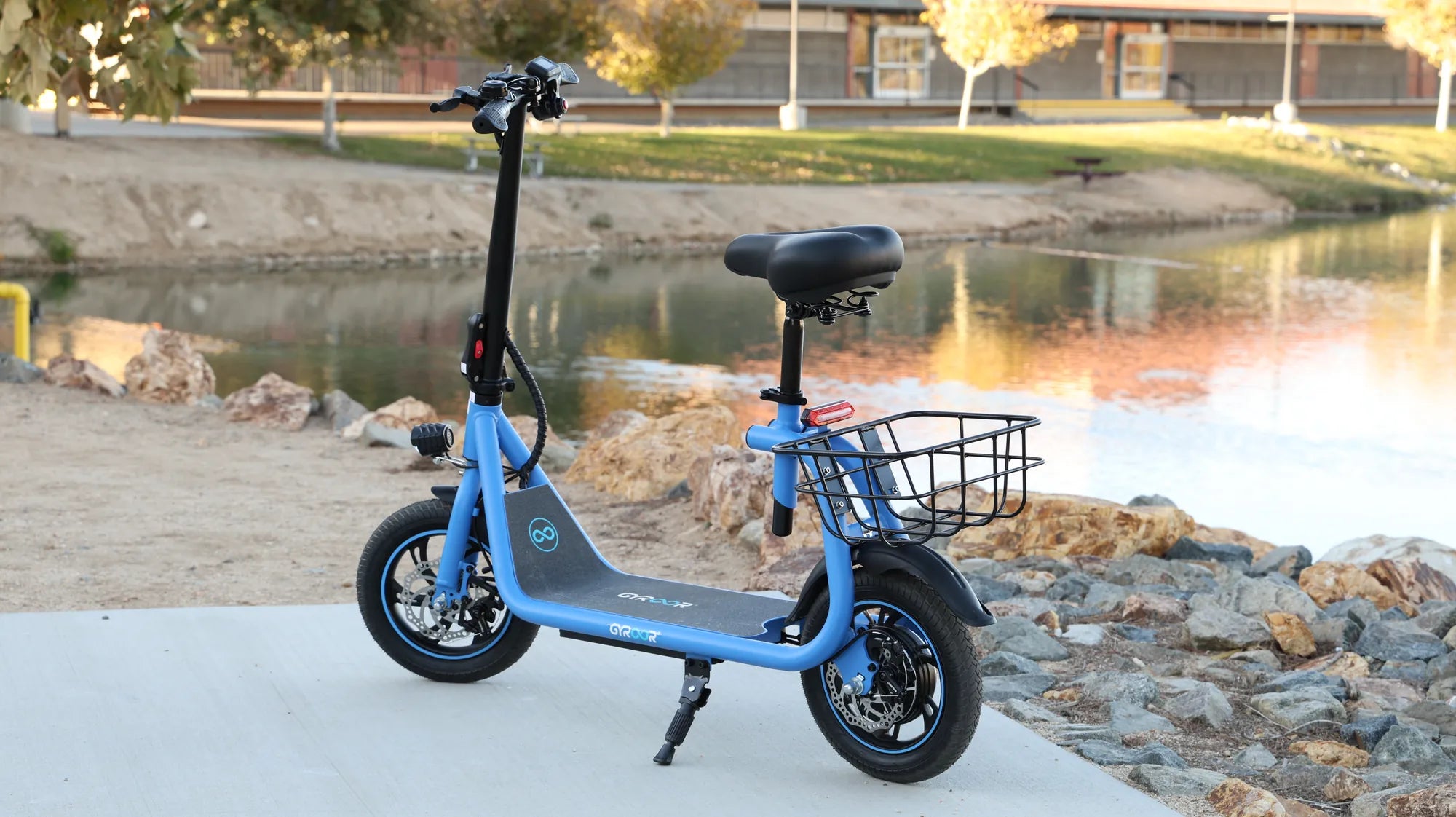
Finding the right first wheeled vehicle for your toddler can be overwhelming. The balance tricycle for 2 year old stands out as the perfect first ride, uniquely designed to match a toddler's developmental stage. This article will detail why this hybrid vehicle is superior to traditional options, break down the essential features for safety and longevity, and provide practical tips to ensure your child's first riding experience builds confidence and foundational motor skills.
Understanding the Balance Tricycle: More Than Just a Toy
A balance tricycle, often called a balance trike, merges the stability of a traditional tricycle with the skill-building philosophy of a balance bike. Unlike a pedal trike, it has no pedals or drivetrain. The child propels themselves by pushing off the ground with their feet.
This design has one core purpose: to develop gross motor skills, coordination, and balance in a safe, controlled manner. It serves as the foundational step towards pedaling, teaching steering, braking with their feet, and weight distribution without the complexity of managing pedals. The balance tricycle for 2 year old is engineered for this specific learning phase.
Why a 2-Year-Old is the Perfect Age for a Balance Trike
The developmental milestones of a typical two-year-old align perfectly with a balance trike's capabilities. Most children at this age are confident walkers, beginning to run, and have a strong desire for independence and exploration.
Their leg strength is sufficient for propulsion, and their cognitive curiosity drives them to master new skills. A balance trike caters to this by offering a safe, stable platform where the focus is on coordination and confidence, not speed. It transforms their natural push-and-go movement into a structured, skill-building activity.
Key Features to Look for in the Best Balance Tricycle
Choosing the right model involves more than color preference. A data-driven approach focusing on safety, adjustability, and build quality ensures a worthwhile investment that grows with your child.
Stability & Safety Design
The geometry is paramount. Look for a low center of gravity and a wide wheelbase (the distance between the rear wheels) to prevent tipping. A limited steering angle is a critical safety feature that stops the handlebars from turning too sharply, which is a common cause of falls on traditional tricycles. This design prioritizes stable, predictable handling for a novice rider.
Adjustability for Growth
An adjustable seat is non-negotiable. To accommodate growth spurts and ensure proper posture—knees slightly bent when feet are flat on the ground—the seat should offer a range of at least 3-4 inches of height adjustment. Some premium models also feature adjustable handlebars. This adjustability extends the useful life of the trike to 2-3 years, providing excellent long-term value.
Build Quality & Materials
Frame material dictates weight and durability. Lightweight aluminum frames (approx. 6-8 lbs) are easier for toddlers to maneuver and more resistant to rust than heavier steel. For wheels, air-filled (pneumatic) tires offer better shock absorption on uneven surfaces, while EVA foam wheels are maintenance-free and suitable for smooth indoor/outdoor use.
Parental Control Features
For younger two-year-olds or use in busy areas, parental controls are invaluable. A removable push handle allows an adult to steer and push. A front-wheel lock mode converts the trike into a passive stroller. A safety harness can provide extra security for early riders, making the initial experience stress-free for both parent and child.
The Gyroor ToddlerTrike Advantage: Engineered for First Rides
As a leading mobility brand trusted by over 100,000 riders, Gyroor applies its engineering expertise in stability and safety to toddler products. The Gyroor balance tricycle for 2 year old is built with the same principled approach as their electric scooters and e-bikes.
It features a reinforced aluminum alloy frame for a lightweight yet sturdy ride, a wide-stance wheelbase for ultimate stability, and a multi-position adjustable seat to grow with your child. The inclusion of a parent push handle, a lockable front wheel, and a safety harness reflects a deep understanding of real-world parenting needs, ensuring the first ride is both safe and joyful.
Balance Trike vs. Other Ride-Ons: An Objective Comparison
| Vehicle Type | Best For Skill Development | Safety & Stability for a 2-Year-Old | Ease of Use | Longevity |
|---|---|---|---|---|
| Balance Tricycle | Balance, Coordination, Steering | Excellent (3-point stability) | Very Easy (no pedals to coordinate) | High (1-3 years with adjustability) |
| Traditional Pedal Trike | Pedaling Motion | Moderate (higher center of gravity, can tip) | Difficult (requires pedal/steer coordination) | Moderate |
| Balance Bike (2 wheels) | Advanced Balance | Lower (requires initial balancing skill) | Challenging for beginners | High |
| Battery-Powered Ride-On Car | None (passive operation) | High (but limited physical activity) | Very Easy (button operation) | Low (outgrown quickly) |
This comparison shows the balance tricycle for 2 year old provides the optimal blend of safety, skill development, and age-appropriate challenge.
Getting Started: Tips for Your Toddler's First Trike Adventure
1. Choose the Right Location: Start on a flat, smooth, paved surface like a driveway or empty parking lot. Avoid slopes and gravel initially.
2. Safety First: Always use a properly fitted CPSC-certified bicycle helmet. Closed-toe shoes are essential.
3. Initial Setup: Adjust the seat height so your child's feet sit flat on the ground with a slight bend in the knee.
4. Supervised Exploration: Let them explore the trike stationary first. Then, encourage them to walk while sitting on it, using their feet to move. Avoid lifting or pushing them; let them self-discover.
5. Focus on Fun: Keep sessions short (10-15 minutes) and pressure-free. Praise effort, not just success, to build a positive association with riding.
Frequently Asked Questions (FAQs)
Q: What is the main benefit of a balance tricycle over a traditional one?
A: The core benefit is skill progression. A balance trike teaches fundamental balance and steering separately from pedaling, creating a more confident and capable rider who can transition directly to a pedal bike without training wheels.
Q: Is my child too small or too big for a balance trike?
A> The key metric is inseam height. If your child can sit comfortably on the seat with their feet flat on the ground, they are ready. Most models fit an inseam range of 12 to 18 inches, typically covering ages 18 months to 4 years.
Q: Can it be used indoors?
A> Yes, models with EVA foam or rubber wheels are suitable for indoor use on hard floors without causing damage. Always ensure a clear path to avoid collisions.
Q: How does the Gyroor warranty and support work for toddler products?
A> Gyroor stands behind the durability of its products. Their toddler trikes come with a comprehensive warranty against manufacturing defects, backed by a customer support team known for responsive service, ensuring your investment is protected.
Investing in Confidence and Fun
Selecting a well-designed balance tricycle for 2 year old is an investment in your child's physical development and independent confidence. It's the perfect first ride that transforms playful pushing into critical lessons in coordination and control. By choosing a trike engineered with safety, adjustability, and quality—like those from Gyroor—you provide a tool that nurtures growth, ensures safety, and sparks a lifelong love for active, outdoor play. Ready to find the perfect first ride? Browse the full Gyroor collection at gyroorboard.com.
E Bike 350 lb Capacity: The Ultimate Guide to Heavy-Duty Electric Bikes
600 Dollar Ebike: The Ultimate Budget-Friendly Electric Ride