


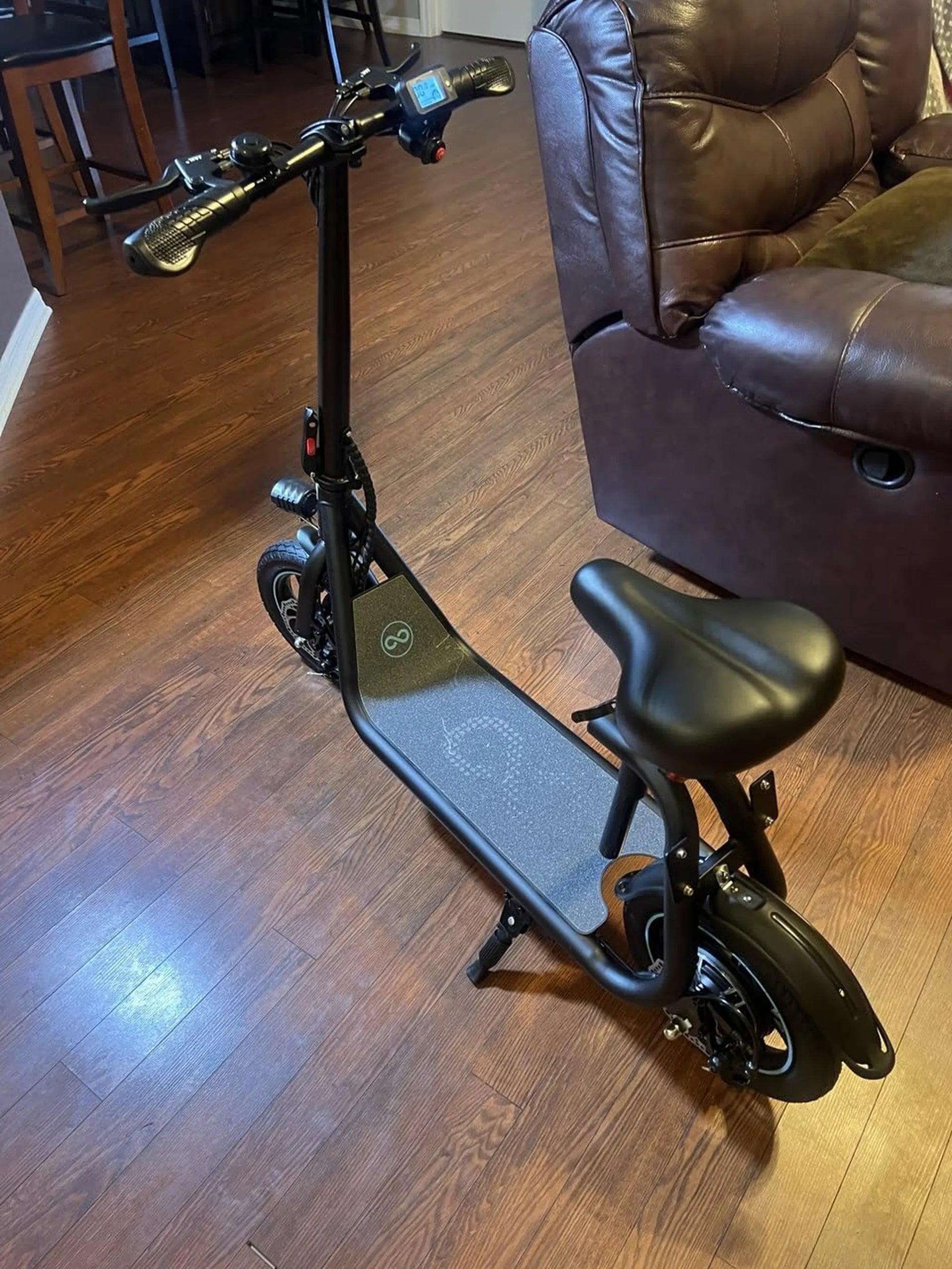
Introduction to Battery Trikes: The Future of Three-Wheeled Mobility
A battery trike, or electric tricycle, is a three-wheeled vehicle powered by a rechargeable battery and electric motor, offering a stable, accessible, and practical form of personal transport. Unlike traditional e-bikes or scooters, its triangular footprint eliminates the need for balancing, making it an instantly confident ride. This guide will provide a data-driven analysis of the electric trike market, its core advantages, essential features, and how to select the right model for your needs, whether for urban errands, leisurely exploration, or as a primary mobility solution.
The appeal of the battery trike is growing rapidly, driven by demand for eco-friendly alternatives to cars for short trips and a need for inclusive mobility options. Market data indicates the global e-bike and e-trike sector is expanding at a compound annual growth rate of over 10%, with three-wheeled variants capturing a significant share due to their utility. They represent a convergence of cycling simplicity with the cargo capacity and stability of a small vehicle.
This article will dissect the key components that define a quality battery trike, from motor specifications and battery safety to build quality and practical design. We will also explore specific user profiles that benefit most from this technology and provide a clear framework for comparison. By the end, you will understand why a well-engineered electric trike is more than a novelty—it's a versatile tool for sustainable living.
Key Advantages of Choosing a Battery Trike Over Other E-Transport
The primary advantage of a battery trike is inherent stability. With two wheels at the rear (or less commonly, the front), the rider does not need to maintain balance at stops or low speeds. This fundamental difference opens up electric mobility to a much broader demographic, including seniors, individuals with balance concerns, or those simply seeking a more confident ride in traffic. Compared to a two-wheeled electric scooter, the learning curve is virtually non-existent.
Cargo and passenger capacity is another significant benefit. Most battery trikes are designed with utility in mind, featuring large rear racks, integrated baskets, or even passenger seats. This makes them ideal for grocery runs, transporting work tools, or school pickups. The stable platform can easily handle loads of 50kg (110 lbs) or more on the rack, in addition to the rider's weight, a task that is challenging and potentially unsafe on a standard e-bike.
Ease of use extends beyond balance. Many models feature step-through frames for easy mounting and dismounting, twist-grip or thumb throttles for intuitive acceleration, and pedal-assist systems that require minimal effort. The riding position is typically upright and comfortable, reducing strain on the back, neck, and wrists. This inclusivity makes the battery trike a true multi-generational vehicle.
From an environmental and economic standpoint, battery trikes offer the same benefits as other electric micro-mobility options: zero direct emissions, very low operating costs (pennies per charge), and reduced traffic congestion. However, their practical utility often allows them to replace car trips more effectively than a standard e-bike, amplifying their positive impact.
Critical Features to Evaluate in an Electric Trike
Selecting a battery trike requires careful evaluation of its specifications. Performance, safety, and longevity are determined by the quality of its core components. A focus on verifiable data and certified parts is crucial for a reliable investment.
Motor Power & Performance
Motor wattage is the key metric for performance. Common ranges for battery trikes are 500W, 750W, and 1000W. A 500W motor is sufficient for flat terrain and moderate loads, reaching speeds of 15-20 mph (24-32 km/h). A 750W or 1000W motor provides significantly better hill-climbing ability and acceleration, essential for hilly cities or carrying heavy cargo. Motor placement is also important: rear-hub motors are common and provide direct drive, while some advanced models may use mid-drive motors that leverage the trike's gearing for superior efficiency on steep inclines.
Battery Range & Charging
Battery capacity, measured in Amp-hours (Ah) or Watt-hours (Wh), dictates range. A typical battery trike might feature a 48V 15Ah (720Wh) battery. Advertised ranges often cite optimal conditions (flat terrain, light rider, minimal assist); real-world range is usually 60-70% of that figure. Factors like rider weight, cargo, wind, terrain, and use of throttle versus pedal-assist drastically affect mileage. Charging times generally range from 4 to 8 hours for a full charge. The most critical aspect is battery safety. UL-certified battery packs, like those used by Gyroor, undergo rigorous testing for overcharge protection, temperature management, and durability across 500+ charge cycles, mitigating fire risk.
Build Quality & Safety Systems
Frame material—typically aluminum for lightness or steel for strength—affects weight and durability. The weight capacity of the entire system (frame, wheels, axles) must be checked against your intended use. Braking systems are paramount for a potentially heavier vehicle; hydraulic disc brakes offer superior stopping power and modulation compared to mechanical discs or rim brakes. Lighting (front, rear, brake lights) is essential for visibility. An Ingress Protection (IP) rating for water and dust resistance is non-negotiable for all-weather usability. An IPX5 rating, as found on Gyroor models, means the trike can withstand low-pressure water jets from any direction, making it safe to ride in rain or through puddles.
Comfort & Practical Design
Comfort features directly impact ride enjoyment. A wide, padded saddle, adjustable handlebars and seat, and front suspension (or even full suspension on premium models) absorb road vibrations. Practical design elements include step-through frames, large platform baskets, lockable storage compartments, and integrated rear cargo racks with high weight limits. Some models offer convertible designs, allowing the cargo area to be fitted with a passenger seat. These features transform the battery trike from a mere vehicle into a practical daily tool.
Gyroor's Approach to Reliable Battery Trike Design
As a leading brand in personal electric mobility, Gyroor applies its core engineering principles directly to the demands of the battery trike segment. Trusted by over 100,000 riders, the brand's philosophy centers on safety, reliability, and rider peace of mind, which are especially critical for a vehicle often used by those valuing stability and utility.
The foundation of this approach is the use of UL-certified battery packs across its potential trike lineup. This certification is not merely a marketing point; it represents independent verification that the battery's management system, cells, and construction meet stringent safety standards for electrical and fire hazards. For a trike that may be stored indoors or used for family errands, this is an indispensable feature.
Durability is ensured through robust frame design and an IPX5 water-resistant rating. This level of protection guards the electrical components against rain, splashes, and road spray, ensuring the trike remains reliable in various weather conditions. Combined with quality mechanical components like responsive brakes and puncture-resistant tires, it builds a vehicle designed for daily use.
Finally, Gyroor supports its products with a clear 1-year comprehensive warranty and accessible U.S.-based customer support. For a battery trike rider—who may depend on the vehicle for daily tasks—this support network provides long-term confidence. It ensures that any questions or concerns about performance, maintenance, or parts can be resolved promptly, protecting the rider's investment.
Battery Trike Use Cases: Who Are They Perfect For?
The battery trike is not a one-size-fits-all solution, but it is a uniquely perfect fit for several specific user profiles. Its versatility stems from its stable platform and cargo capacity.
The Urban Commuter & Errand-Runner
For city dwellers, a battery trike is a car alternative for trips under 10 miles. It can navigate bike lanes, avoid traffic, and park effortlessly. Its key utility shines for errands: the large basket or rear rack can easily hold multiple grocery bags, a week's shopping, or even a pet carrier. For parents, it can serve as a stable school-run vehicle. By replacing short car trips, it saves on fuel, parking costs, and reduces urban congestion and emissions.
The Leisure & Recreational Rider
For those who enjoy scenic trails, beach boardwalks, or park paths, a battery trike offers a comfortable, leisurely experience. The pedal-assist allows riders to cover longer distances and tackle gentle hills without exertion, making group rides inclusive for varying fitness levels. The stable platform is ideal for photography or simply enjoying the view without worrying about balance. It opens up outdoor exploration to those who might find a traditional bicycle too physically demanding.
Riders Seeking Accessibility & Stability
This is perhaps the most transformative use case. The battery trike is an excellent mobility aid for seniors who want to maintain independence and activity without the strain or balance requirements of a standard bicycle. It's also ideal for individuals recovering from injury or with conditions that affect balance or stamina. The simple operation and secure feel provide a confidence that two-wheeled vehicles cannot, promoting an active, engaged lifestyle.
Making the Right Choice: A Practical Comparison Guide
Choosing the right battery trike requires aligning specifications with your primary use case. Use this framework to prioritize features. First, define your main purpose: cargo hauling, comfortable recreation, or all-terrain capability. Next, assess your typical route—is it flat or hilly? Finally, consider storage space and your budget.
The table below provides a conceptual comparison of three common tiers of battery trikes based on core specifications. This data is illustrative, based on common market configurations.
| Feature / Trike Tier | Light Utility / Leisure | All-Terrain / Commuter | High-Capacity Cargo |
|---|---|---|---|
| Typical Motor Power | 350W - 500W | 750W - 1000W | 750W - 1000W (High Torque) |
| Estimated Real-World Range | 20-30 miles | 25-40 miles | 20-35 miles (load dependent) |
| Max Load Capacity (Rider + Cargo) | 250 - 300 lbs | 300 - 350 lbs | 400 - 500 lbs |
| Key Features | Front basket, comfortable seat, basic suspension | Hydraulic disc brakes, full suspension, IPX5 rating, brighter lights | Heavy-duty frame & axles, oversized cargo deck, dual battery option |
| Ideal For | Park rides, light groceries, flat neighborhood use | Daily commuting on varied roads, moderate hills, light trail use | Commercial delivery, hauling heavy tools, large shopping trips |
For most personal users, the "All-Terrain / Commuter" tier offers the best balance of performance, safety, and utility. Always verify the manufacturer's claims regarding weight capacity and range, and prioritize models with reputable battery certifications and robust warranty terms.
Frequently Asked Questions About Battery Trikes
1. Do I need a license or insurance to ride a battery trike?
In most U.S. states and regions, low-speed electric bicycles and tricycles (with a maximum assisted speed of 20 mph or 28 mph, depending on class) are regulated as bicycles, not motor vehicles. This typically means no driver's license, vehicle registration, or insurance is required. However, local laws vary, especially for higher-power models. Always check your specific state and municipal regulations before riding.
2. How does an electric trike handle hills and rough pavement?
Handling depends on motor power and gearing. A 750W+ motor provides ample torque for moderate hills. Models with multi-speed pedal-assist gearing allow you to shift down for steep climbs, making them very capable. For rough pavement, front suspension significantly improves comfort, and wider, air-filled tires absorb bumps better than solid tires. A robust frame is also crucial for handling stresses from uneven terrain.
3. What is the typical maintenance required?
Maintenance is similar to a bicycle but with attention to electrical components. Regularly check tire pressure and for wear, ensure brakes are adjusted and pads are not worn, and keep the chain (if present) clean and lubricated. For the electrical system, keep battery contacts clean, store the battery in a cool, dry place, and avoid complete discharges. Periodically check all wiring connections and lights. A professional tune-up once a year is recommended.
4. Can I ride it in the rain?
Yes, if the trike has an appropriate IP rating. An IPX5 rating, like those on Gyroor models, certifies protection against water jets, making it safe for riding in rain and through wet conditions. However, you should avoid submerging the trike in deep water (e.g., flooding). Always ride more cautiously in wet weather, as braking distances increase, and smooth surfaces like metal manhole covers become slippery.
5. How long does the battery last before needing replacement?
Battery lifespan is measured in charge cycles. A quality lithium-ion battery, like a UL-certified pack, is typically rated for 500 to 800 full charge cycles before its capacity diminishes to about 80% of its original state. With regular use (e.g., 3 charges per week), this translates to 3-5 years of useful life. Proper care—avoiding extreme temperatures, not leaving it fully discharged for long periods—can extend this lifespan.
Conclusion: Embracing Confident and Sustainable Travel
The battery trike stands out as a uniquely practical and accessible pillar of modern micro-mobility. It successfully bridges the gap between the efficiency of a bicycle and the stable utility of a small vehicle, all while operating with zero direct emissions and minimal cost. Whether your goal is to replace car trips, regain the joy of cycling without balance concerns, or simply find a reliable way to transport goods, an electric trike offers a compelling solution.
Your choice should be guided by a clear assessment of your primary needs, matched against the critical features of motor power, battery safety, build quality, and practical design. Prioritizing models from reputable brands that invest in certified safety components, durable construction, and strong customer support is the surest path to a satisfying and long-lasting ownership experience. This is where established brands like Gyroor, with their focus on UL-certified batteries, weather-resistant engineering, and comprehensive warranty, provide significant long-term value and peace of mind.
Ready to explore a new dimension of stable, electric mobility? Assess your needs against the features discussed, and begin your search with reliable, well-supported options. Browse the full Gyroor collection at gyroorboard.com to see how thoughtful design creates confidence on three wheels.
Dual Motor E-Bike Kit: The Ultimate DIY Conversion for Extreme Performance
8 Inch Scooter Tires: The Complete Guide for Urban Commuters