


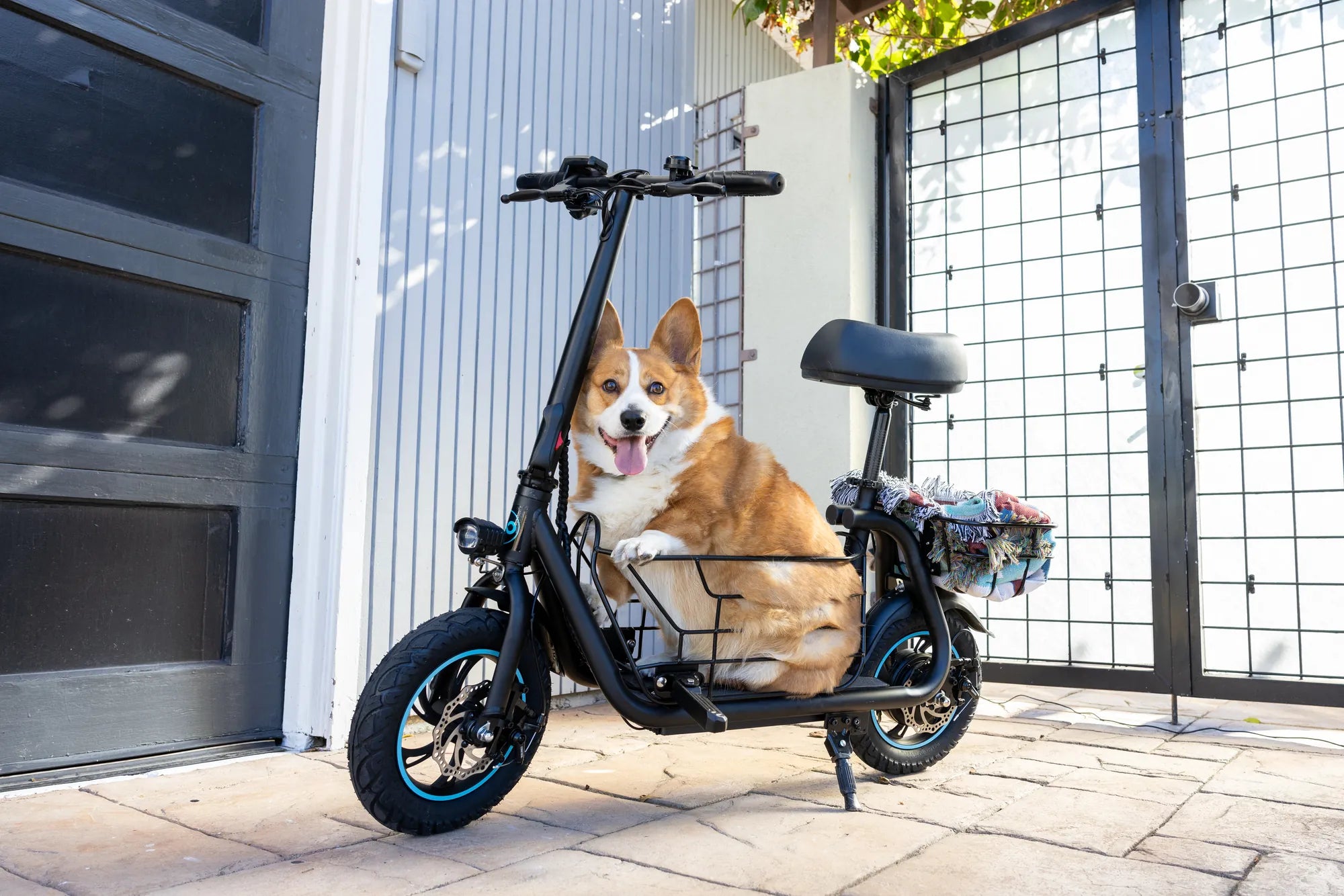
Introduction to the 150cc Scooter Segment
The search for the best 150 cc scooter leads to a category that masterfully balances capability and convenience. These machines occupy a critical sweet spot in the two-wheeled world. They offer significantly more power and highway competence than 50cc or 125cc models, yet remain far more manageable, fuel-efficient, and affordable than larger 250cc+ motorcycles or maxi-scooters.
This guide will dissect what makes a 150cc scooter an exceptional choice. You will learn about the key performance and practical benefits, review leading models with a detailed comparison table, and understand the essential features for safety and comfort. We will also explore the rising electric alternative, providing a complete framework to choose the ideal urban commuter for your needs.
The 150cc scooter is engineered for real-world use. Its primary domain is the urban and suburban landscape, handling daily commutes, errands, and weekend leisure rides with equal aplomb. For many riders, it represents the perfect intersection of getting there quickly, cheaply, and enjoyably.
Understanding this segment is the first step to finding your ideal match. Whether you prioritize Italian style, Japanese reliability, or cutting-edge electric efficiency, the options are compelling. Let's delve into the specific advantages that make the best 150 cc scooter a top contender for personal mobility.
Key Advantages of Choosing a 150cc Scooter
Selecting the best 150 cc scooter brings a host of tangible benefits that directly impact your daily ride and wallet. The core appeal lies in its balanced formula: adequate power for diverse roads, outstanding fuel economy, nimble handling, and built-in practicality. This combination is difficult to beat for cost-effective, enjoyable transportation.
First, consider the financial advantage. With fuel efficiency typically ranging from 70 to over 100 miles per gallon, operating costs are a fraction of any car. Insurance premiums are generally lower than for larger motorcycles, and maintenance schedules are often simpler and less frequent. The total cost of ownership makes a compelling economic case.
From a practical standpoint, the step-through design and automatic transmission (CVT) offer unmatched ease of use. There's no clutch to manage or gears to shift, allowing you to focus entirely on the road. Combined with a lightweight frame compared to cars and larger bikes, this makes for stress-free navigation through congested city streets and tight parking spots.
Finally, don't underestimate the utility. Modern 150cc scooters come with generous under-seat storage, often enough for a full-face helmet and a bag of groceries. Many models support the addition of a top case or front storage compartment. This transforms the scooter from a mere vehicle into a practical tool for daily life, seamlessly blending function with fun.
Power Meets Practicality
The 150cc engine is where theory meets the road. This displacement provides a significant boost in torque over smaller engines, translating to confident acceleration from a stoplight and the ability to climb hills without strain. This makes merging into city traffic or keeping pace on arterial roads feel secure and effortless.
For highway travel, a modern 150cc scooter is fully capable. Most can achieve and sustain speeds of 65-75 mph, allowing for safe travel on interstates when needed. While overtaking large trucks may require planning compared to a 300cc model, the available power is sufficient for most riders' occasional highway needs, expanding your viable travel radius.
This power is delivered with remarkable smoothness thanks to the Continuously Variable Transmission (CVT). The system automatically adjusts the gear ratio to keep the engine in its optimal power band, providing seamless acceleration without any jerky shifts. It's the epitome of user-friendly performance, making the riding experience accessible to beginners yet satisfying for experienced riders.
Ultimately, the 150cc platform proves that you don't need excessive displacement for effective transportation. It delivers power where it's most useful—in the low-to-mid range for city riding—while maintaining the lightweight, agile character that makes scooters so enjoyable to ride daily. It's a textbook example of intelligent engineering for specific use cases.
Top Contenders: Reviewing Popular 150cc Models
The market for the best 150 cc scooter is competitive, with several established manufacturers offering outstanding models. Each brand brings its own philosophy to the table, focusing on reliability, style, technology, or value. Here is an overview of some of the most respected and popular models that consistently top expert and rider lists.
The Honda PCX150 is often hailed as the benchmark for the segment. It embodies Honda's reputation for reliability, frugality, and thoughtful design. Its liquid-cooled engine is both peppy and efficient, while its styling is sleek and modern. With ample storage and optional features, it's a rational, all-around choice that rarely disappoints.
For those where style is paramount, the Vespa Primavera 150 and Sprint 150 are iconic. Built on a steel monocoque frame rather than a tubular underbone, Vespas offer a unique, solid feel and timeless aesthetics. They come with a premium price tag but deliver unmatched pedigree, build quality, and a sense of occasion every time you ride.
The Yamaha NMAX 155 brings sporty aggression and advanced technology to the segment. It often features a slightly larger engine for a bit more power, along with sportbike-inspired styling. It's a common choice for riders who want their scooter to have a more dynamic, performance-oriented character without stepping up to a maxi-scooter.
Value-focused riders often look to brands like Kymco. The Kymco Like 150i offers classic, Vespa-inspired styling at a more accessible price point. It packs modern features like fuel injection and disc brakes, proving that you don't have to sacrifice capability for cost. It's a strong contender for budget-conscious buyers who don't want to compromise on style.
Head-to-Head Comparison Chart
To objectively compare these top contenders, the following table breaks down their key specifications. This data-driven approach highlights the differences in performance, size, and features, helping you narrow your search for the best 150 cc scooter based on hard numbers.
| Model | Engine & Power | Claimed Fuel Economy | Seat Height | Weight (Curb) | Storage (Under-seat) | Key Features |
|---|---|---|---|---|---|---|
| Honda PCX150 | 149cc, ~13.5 HP | 100+ MPG | 30.1 in | 286 lbs | 28 Liters | LED lighting, Idle Stop, Smart Key (optional) |
| Vespa Primavera 150 | 155cc, ~12.9 HP | 75-85 MPG | 31.1 in | 253 lbs | 16.6 Liters | Steel monocoque, ABS, LED lights, Connectivity |
| Yamaha NMAX 155 | 155cc, ~15 HP | 90+ MPG | 30.7 in | 292 lbs | 23.5 Liters | Variable Valve Actuation (VVA), ABS, Traction Control |
| Kymco Like 150i | 150cc, ~12.5 HP | 85+ MPG | 30.7 in | 265 lbs | N/A | Classic design, Fuel Injection, Dual Disc Brakes |
This comparison reveals clear trade-offs. The Honda excels in fuel economy and storage, the Vespa offers premium build and style, the Yamaha leads in engine technology and power, and the Kymco presents a compelling value proposition. Your personal priority—be it cost-per-mile, aesthetic appeal, or technical innovation—will guide you toward the right column in this table.
Essential Features to Look For in Your 150cc Scooter
Beyond brand and displacement, the specific features of a scooter define your daily ownership experience. When evaluating the best 150 cc scooter for you, pay close attention to these elements that impact safety, comfort, convenience, and long-term satisfaction. An informed buyer looks past the surface to the components that matter most.
Start with the fundamentals: braking and suspension. A front disc brake is virtually mandatory for confident stopping power. The rear can be a disc or drum, but the quality of the brake system is critical. Similarly, consider the suspension travel and adjustability. Good suspension smooths out potholes and improves control, directly affecting ride quality and fatigue.
Lighting is a major safety feature often overlooked. Full LED lighting packages are becoming standard on higher-end models. LEDs offer brighter illumination, faster illumination time for brake lights, and much longer lifespan compared to traditional halogen bulbs. This increases your visibility to other drivers, a crucial factor in urban riding.
Modern convenience features also add significant value. A digital instrument cluster provides more accurate information than analog gauges. A built-in USB charging port is invaluable for keeping your phone or GPS powered on longer rides. Consider the type of ignition as well; a smart key system with remote locking adds security and a touch of luxury to the daily routine.
Safety First: Braking and Stability Systems
The most critical feature set on any vehicle is its ability to stop safely. On a scooter, understanding braking systems is non-negotiable. Most models come with either a Combined Braking System (CBS) or an Anti-lock Braking System (ABS), and the difference is substantial.
A Combined Braking System links the front and rear brake controls. When you apply the rear brake lever, the system automatically applies a calculated amount of force to the front brake as well. This helps prevent the rear wheel from locking up and improves overall stopping distance, especially for novice riders who may rely too heavily on the rear brake alone.
Anti-lock Braking System (ABS) is a more advanced and highly recommended safety feature. ABS uses sensors to detect when a wheel is about to lock up during hard braking. It then rapidly pulses the brake pressure to that wheel, preventing lock-up and allowing you to maintain steering control. This is invaluable in panic-stop situations or on slippery surfaces like wet pavement or gravel.
For the best 150 cc scooter, prioritizing a model with ABS, even if it costs slightly more, is one of the smartest investments you can make in your safety. It provides an electronic safety net that can prevent a loss of control, making it a feature that aligns perfectly with the scooter's role as a practical, everyday safety-conscious vehicle.
Comfort and Convenience Considerations
Comfort directly correlates with how often and how far you'll enjoy riding your scooter. Begin with ergonomics. The seat should be wide and well-padded, with a shape that supports you for the duration of your typical commute. The seat height and floorboard layout should allow for a natural, relaxed riding posture without cramped knees or an awkward reach to the handlebars.
Wind protection is another key comfort factor. Even a small fixed windscreen can dramatically reduce wind blast on your chest and helmet at speeds over 40 mph, reducing rider fatigue and noise. Some models offer taller or adjustable screens. Consider your typical riding speed and whether an accessory windscreen might be a worthwhile addition.
Storage solutions are part of daily convenience. Measure the under-seat compartment with your helmet to ensure a fit. Check for utility hooks on the floorboard or behind the leg shield for hanging a bag or helmet. The availability and cost of genuine accessory top cases or front storage boxes from the manufacturer can also extend your scooter's cargo capacity significantly.
Finally, examine the fit and finish. Panel gaps should be even, switches should feel robust, and materials should withstand sun and weather exposure. A well-built scooter not only looks better but will also rattle less, last longer, and provide a more premium feeling every time you ride it, enhancing the overall ownership experience.
The Electric Alternative: Gyroor's Perspective on Urban Mobility
The conversation about the best 150 cc scooter is evolving with the rapid advancement of electric two-wheelers. As a leading brand in personal electric transport, Gyroor sees electric scooters and e-bikes as powerful alternatives that address modern urban challenges. They offer a different value proposition centered on simplicity, sustainability, and smart technology.
Electric mobility represents a paradigm shift. It moves the focus from engine displacement and fuel economy to battery capacity, motor wattage, and range. For many urban commuters whose daily travel falls within a predictable radius, an electric model can fulfill all their needs while eliminating trips to the gas station and reducing their environmental footprint.
Gyroor's approach is built on addressing the core concerns of new electric vehicle adopters: safety, reliability, and support. By integrating UL-certified battery packs, IPX5 water-resistant designs, and robust warranties, the brand provides the confidence needed to make the switch from traditional gasoline power. This foundation is crucial for a positive ownership experience.
Exploring the electric alternative is not about declaring one technology the winner, but about expanding your options. For the right rider, an electric scooter can be the most logical and satisfying form of the best 150 cc scooter concept—a nimble, efficient, and practical tool designed explicitly for the modern urban environment.
Why Consider an E-Scooter or E-Bike?
The case for electric is compelling on several fronts. The most obvious is operational cost. "Refueling" with electricity costs a fraction of gasoline—often just pennies per charge. Maintenance is dramatically simpler and less frequent; there are no oil changes, air filters, spark plugs, or complex transmissions to service. This translates to lower long-term running costs and more time riding, less time maintaining.
Performance characteristics are also different and often advantageous in cities. Electric motors deliver maximum torque instantly from a stop, providing brisk, silent acceleration that excels in stop-and-go traffic. The near-silent operation reduces noise pollution and creates a uniquely serene riding experience. Furthermore, with fewer moving parts, electric drivetrains are inherently reliable.
Of course, trade-offs exist. The primary consideration is range and charging time. You must match the vehicle's range to your daily needs and have a practical place to recharge it, typically a standard wall outlet. While charging takes longer than filling a gas tank, the ability to "refuel" at home overnight is a significant convenience that many owners come to prefer.
For many urban dwellers, the electric scooter or e-bike isn't just an alternative; it's an optimization. It strips away the complexities of internal combustion and delivers pure, efficient, point-to-point transportation. When your daily commute is within its range, it becomes arguably the most sensible version of the personal urban vehicle.
Gyroor's Commitment to Reliable Electric Transport
Gyroor has built its reputation by directly tackling the hurdles to electric vehicle adoption. The cornerstone of this commitment is battery safety. Every Gyroor model uses UL-certified battery packs, rigorously tested for over 500 charge cycles. This certification is a critical benchmark, ensuring the battery meets stringent safety standards for electrical, mechanical, and environmental stress, giving riders peace of mind.
Durability is engineered into the design. An IPX5 water-resistance rating means the scooter can withstand low-pressure water jets from any direction. This makes it capable of handling rain-soaked streets and routine cleaning without concern for electrical damage, ensuring reliability in real-world weather conditions that a fair-weather vehicle cannot match.
Supporting over 100,000 riders across North America and Europe requires a robust support system. Gyroor backs its products with a clear and reliable 1-year warranty, demonstrating confidence in its build quality. This network of trust is essential, as is the brand's focus on creating a seamless ownership journey from unboxing to daily riding and beyond.
This commitment translates into products that are not just novel, but genuinely practical and trustworthy. For a rider considering the shift from gasoline, these factors—proven safety, environmental resilience, and strong warranty support—are often the decisive elements that make an electric scooter a viable and attractive choice for daily transportation.
Making the Right Choice: Gas vs. Electric & Final Tips
Choosing between a traditional gasoline-powered best 150 cc scooter and a modern electric model is a personal decision based on your specific lifestyle, infrastructure, and priorities. There is no universally correct answer, only the best answer for you. A clear evaluation framework will lead you to the optimal choice.
Start by analyzing your typical usage. Map your daily commute, errand routes, and longest frequent trip. If the total distance is consistently within the range of a quality electric scooter (with a safety margin), and you have secure overnight charging at home or work, electric becomes a very strong candidate. If your trips are longer, more variable, or you lack reliable charging, the flexibility and rapid refueling of a gas model may be essential.
Calculate the total cost of ownership, not just the sticker price. For gas: include fuel, insurance, routine maintenance (oil, filters, belts), and potential major service. For electric: include the cost of electricity, insurance, and occasional brake/tire maintenance. While electric often wins on long-term operational cost, ensure the upfront investment aligns with your budget.
Finally, consider the experiential and regulatory factors. Do you enjoy the character and sound of a gasoline engine, or do you prefer the silent, instant torque of electric? Check local and state incentives for electric vehicle purchases, which can significantly offset the initial cost. Your personal preference and the external support structure are valid parts of the equation.
Test Ride and Ownership Checklist
Before finalizing your decision, take these actionable steps. First, always test ride. A spec sheet cannot tell you how the scooter feels. Pay attention to ergonomics: can you flat-foot it at a stop? Is the seat comfortable? Does the suspension handle bumps well? Test the acceleration and brakes in a safe area. Your physical comfort and confidence are paramount.
Research the dealer or brand support network. For gas models, is there an authorized dealer nearby for service? For direct-to-consumer electric brands like Gyroor, understand the warranty claim process and the availability of replacement parts. Reliable support is crucial for long-term satisfaction, regardless of powertrain type.
Understand the full financial picture. Get insurance quotes for specific models. For gas scooters, ask the dealer for a schedule of recommended maintenance and estimated costs for the first few years. For electric, verify the battery warranty terms (years and charge cycles) and the cost of a replacement battery, as this is the single most expensive component.
Prepare for ownership. Budget for essential safety gear: a DOT/ECE-certified helmet, gloves, jacket, and sturdy shoes at a minimum. Plan for secure parking at home and work. Whether you choose gas or electric, being a prepared rider ensures you get the maximum safety, enjoyment, and value from your new scooter for years to come.
Frequently Asked Questions (FAQ)
Q: Is a 150cc scooter powerful enough for the highway?
A: Yes, most modern 150cc scooters are highway-capable. They can typically reach and maintain speeds of 65-75 mph, which is sufficient for most interstate travel. However, acceleration for passing maneuvers will be more gradual compared to larger displacement motorcycles, so planning is advised.
Q: What's the typical fuel economy of a 150cc scooter?
A: Fuel efficiency is a major strength. You can generally expect between 70 and 100 miles per gallon (MPG), with some models exceeding 100 MPG under ideal conditions. This makes them one of the most fuel-efficient motorized vehicles on the road, drastically reducing commuting costs compared to a car.
Q: Do I need a motorcycle license for a 150cc scooter?
A> In the vast majority of U.S. states and countries worldwide, yes. Since 150cc exceeds the 50cc threshold typical for "moped" classification, a full motorcycle license or a motorcycle endorsement on your regular driver's license is required. You must pass a written and skills test specific to motorcycles. Always verify the exact requirements with your local Department of Motor Vehicles (DMV).
Q: How does the cost of owning an electric scooter compare to a gas 150cc model?
A: The cost structure differs. Electric models often have a comparable or slightly higher upfront purchase price. However, their "fuel" (electricity) costs are significantly lower—often 80-90% less per mile. Maintenance costs are also much lower due to fewer moving parts (no oil changes, spark plugs, or transmission belts). Over 2-3 years, the total cost of ownership for an electric scooter can be very competitive or even lower than a gas model.
Q: What is the most important safety feature to look for on a 150cc scooter?
A: While good tires and lights are vital, the most critical modern safety feature is the braking system. An Anti-lock Braking System (ABS) is highly recommended. ABS prevents wheel lock-up during hard braking, allowing you to maintain steering control and drastically reducing the risk of a skid and fall, especially on wet or uneven surfaces. Prioritize models with ABS for the best active safety.
Conclusion
The quest for the best 150 cc scooter reveals a class of vehicle engineered for real-world efficiency and enjoyment. Whether you choose a refined gasoline model from a legacy manufacturer or a clean-sheet electric design from an innovator like Gyroor, you are selecting a smart tool for modern life. The core virtues remain: agility in traffic, minimal operating costs, and the pure fun of two-wheeled freedom.
Your perfect match depends on honestly assessing your daily patterns, budget, and local infrastructure. Use the comparison data and feature checklist to guide your research, but let a test ride make the final argument. Feel the ergonomics, experience the acceleration, and judge the build quality firsthand.
As urban mobility continues to evolve, the principles of the best 150 cc scooter—practicality, efficiency, and accessibility—are more relevant than ever. Embrace the journey of finding the right ride. It’s an investment that pays dividends in saved time, reduced stress, and rediscovered joy in your daily commute.
Ready to explore a new kind of urban freedom? Discover Gyroor's range of UL-certified, reliable electric scooters and e-bikes designed for the modern rider. Browse the full Gyroor collection at gyroorboard.com and find the electric vehicle that fits your life.
Trike Motorized: The Ultimate Guide to Stable, Practical Electric Mobility
Trike Motorized: The Ultimate Guide to Stable, Practical Electric Mobility