


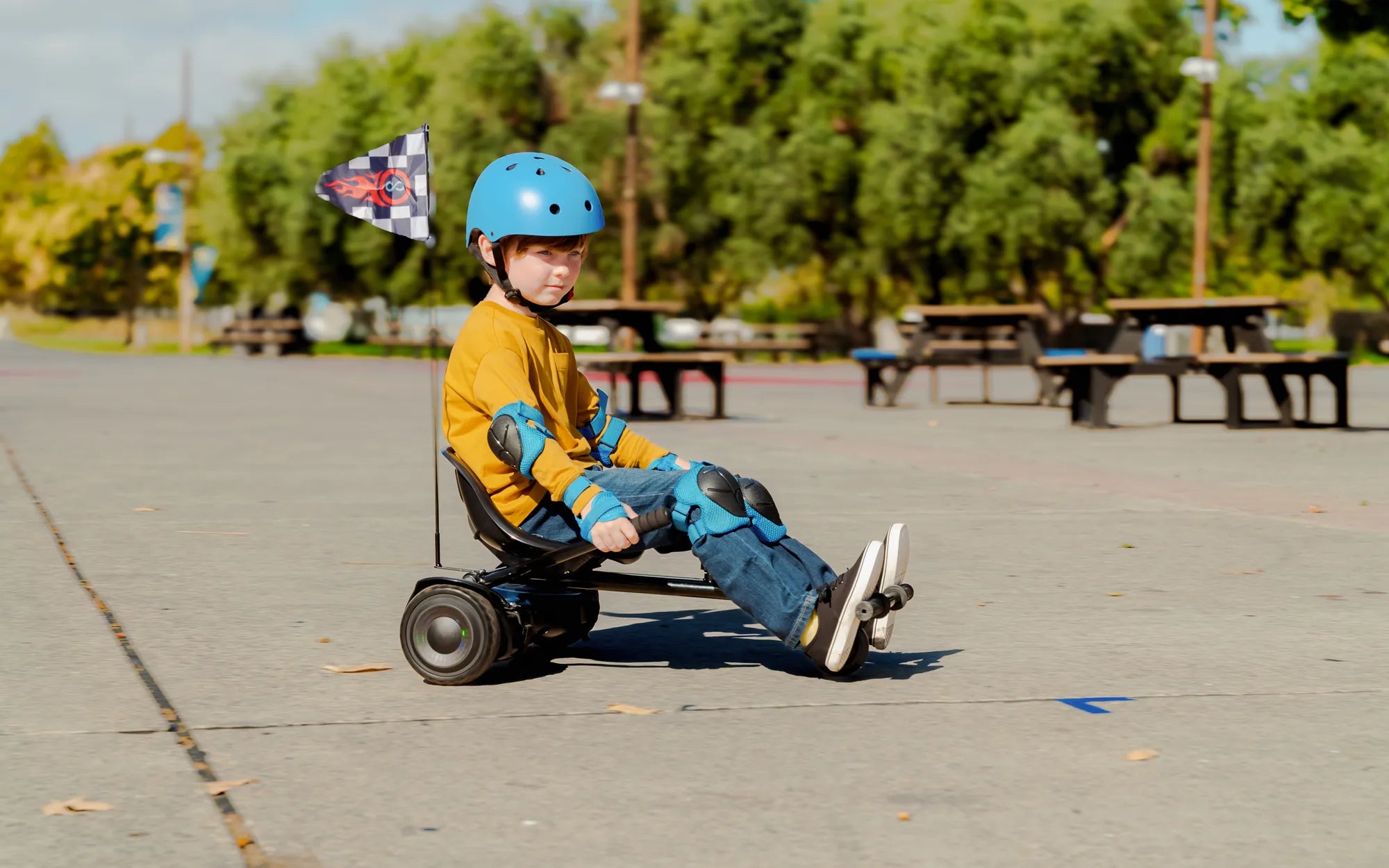
Introduction: The Rise of Self-Balancing Electric Scooters
Personal electric mobility has evolved from a novelty to a legitimate transportation solution. At the forefront are self-balancing electric scooters, which have matured significantly in design, safety, and capability. For 2024, the market demands more than just a fun gadget; it requires reliable, safe, and high-performance vehicles for daily use.
Choosing the best brand of self-balancing electric scooter is crucial for safety and satisfaction. This guide cuts through the marketing to focus on the technical specifications, certifications, and build quality that truly matter. We will evaluate top brands against a rigorous set of criteria to help you make an informed investment.
The landscape is defined by advancements in battery technology, robust motor systems, and smart connectivity. Riders now expect models that can handle diverse terrains, offer substantial range, and come with the backing of strong customer support. Our analysis is built on these foundational expectations for modern personal transport.
What Makes a Top-Tier Self-Balancing Scooter in 2024?
Identifying the best brand requires a clear framework. Superior models distinguish themselves through a combination of verified safety, tangible performance, and proven durability. These are not just features but essential pillars that protect your investment and ensure a reliable riding experience.
Price alone is a poor indicator of quality. A truly top-tier scooter invests in certified components, high-grade materials, and rigorous testing protocols. The following criteria form the basis for our evaluation of every brand and model discussed in this guide, setting the standard for what you should demand.
Non-Negotiable Safety Standards: UL 2272 Certification
The single most important feature of any electric personal transporter is its safety certification. UL 2272 is a comprehensive standard developed by Underwriters Laboratories specifically for self-balancing scooters. It tests the electrical drive train system, including the battery, for overcharge, short circuit, and mechanical abuse.
Models without this certification pose a significant fire risk due to potentially unstable lithium-ion battery packs. The best brand of self-balancing electric scooter will not only have UL 2272 certification but will often highlight it as a core selling point. This should be the first filter in your search, eliminating any brand that cannot provide proof of compliance.
Beyond the base certification, leading brands implement additional safety layers. These can include battery management systems (BMS) for cell balancing, temperature monitoring, and reinforced casing. When evaluating options, prioritize safety engineering as the non-negotiable foundation of your purchase.
Performance Metrics: Motor Power, Range & Terrain
Performance is quantified by three key metrics: motor power, range, and terrain capability. A dual-motor system, common in high-performance models, typically ranges from 300W to 700W per motor. Higher wattage translates to better acceleration, higher top speeds (usually capped between 10-15 mph for safety), and, crucially, improved hill-climbing ability.
Advertised range is often an ideal-world figure. Real-world range depends on rider weight, terrain, temperature, and riding style. A quality scooter with a 36V, 4.4Ah battery may claim 10-12 miles, but expect 7-9 miles under normal conditions. For longer commutes, seek models with larger capacity batteries, often 5Ah or higher.
Terrain handling is dictated by wheel size and type. Standard 6.5-inch solid tires are fine for smooth pavement. For grass, gravel, or uneven surfaces, look for "all-terrain" models with 8-inch or 10-inch air-filled (pneumatic) tires. These provide crucial shock absorption and traction, making the ride safer and more comfortable on varied surfaces.
Build Quality & Durability: IP Ratings and Warranty
Your scooter will encounter puddles, dust, and daily wear. An Ingress Protection (IP) rating indicates resistance to solids and liquids. A rating of IPX4 or higher means it can withstand splashing water from any direction, making it suitable for damp conditions. IPX5, found on more rugged models, means it can handle low-pressure water jets.
The physical construction—frame material, wheel hub quality, and deck strength—determines longevity. Aluminum alloy frames offer a good balance of strength and weight. The warranty is a direct reflection of the manufacturer's confidence. A comprehensive 1-year warranty on parts and labor is standard for reputable brands, with some offering extended coverage for the battery.
Customer support accessibility is part of build quality. A brand with responsive, U.S.-based support can drastically simplify maintenance and repair processes. This holistic view of durability—from water resistance to post-purchase support—separates premium brands from the rest.
Top Contender Spotlight: Why Gyroor is a Leader in 2024
In the search for the best brand of self balancing electric scooter, Gyroor consistently ranks highly due to its engineering-first philosophy. Trusted by over 100,000 riders across North America and Europe, the brand has built its reputation on a foundation of verified safety and user-centric design. Their approach prioritizes reliable performance for everyday riders.
Gyroor's product development focuses on integrating professional-grade components into accessible personal mobility solutions. This is evident across their lineup of 20+ models, which includes options tailored for urban commuting, off-road exploration, and recreational use. Their consistent high customer ratings stem from delivering on core promises of durability and performance.
The brand's commitment extends beyond the initial sale. With a clear 1-year warranty and accessible customer service, Gyroor supports the long-term ownership experience. This end-to-end focus on quality, from UL-certified batteries to post-purchase support, establishes them as a benchmark in the market. Their models serve as a practical reference point for what a well-rounded scooter should offer.
Engineered for Confidence: Gyroor's Safety-First Approach
Gyroor's foundational safety principle is the use of UL 2272 certified lithium-ion battery packs across its entire self-balancing scooter range. These batteries are tested for over 500 charge cycles, ensuring stable performance and significantly reducing any risk of thermal issues. This certification is not an afterthought but a core design requirement.
Further engineering safeguards include advanced Battery Management Systems (BMS) that monitor voltage, current, and temperature in real-time. This system prevents overcharging, over-discharging, and short circuits, proactively protecting both the rider and the scooter's components. Such multi-layered protection is a hallmark of responsible manufacturing in this category.
The electrical systems are housed in rugged, fire-resistant enclosures. This physical protection, combined with the certified electronic safeguards, creates a robust safety ecosystem. For riders, this translates to peace of mind, knowing their vehicle is built to the highest recognized safety standards in the industry.
Built for the Real World: Durability and Support
Gyroor designs its scooters for actual daily use. A key feature is the IPX5 water-resistant rating on many models, allowing riders to confidently navigate wet pavement or light rain without fear of internal damage. This practical durability consideration is essential for a vehicle meant for urban environments.
The construction utilizes reinforced aluminum alloy frames and high-tensile strength wheel hubs to withstand the impacts of regular riding. Components are selected for their longevity, not just their initial cost, which contributes to the scooter's overall lifespan and reduces the need for frequent repairs.
This durability is backed by a straightforward 1-year warranty, covering manufacturing defects in materials and workmanship. The brand's established presence means support and replacement parts are readily accessible. This combination of rugged design and strong warranty support minimizes downtime and protects the rider's investment.
2024 Market Comparison: How Top Brands Stack Up
To identify the best brand of self balancing electric scooter, a direct comparison of leading contenders is essential. The table below evaluates key brands based on the critical criteria established earlier: safety, performance, durability, and value. This data-driven view helps contextualize where each brand excels.
| Brand | Key Model Example | Motor Power (Dual) | Max Range | Safety Cert. | IP Rating | Warranty | Best For |
|---|---|---|---|---|---|---|---|
| Gyroor | Gyroor C1 Pro | 700W | 12 mi | UL 2272 | IPX5 | 1 Year | All-Round Performance & Durability |
| Swagtron | T6 | 600W | 12 mi | UL 2272 | IPX4 | 90 Days | Brand Recognition & Entry-Level |
| Hover-1 | Journey | 500W | 10 mi | UL 2272 | IPX4 | 90 Days | Budget-Conscious Riders |
| EPIKGO | Sport | 800W | 14 mi | UL 2272 | IP56 | 1 Year | Off-Road & High-Torque Use |
Analysis of the data reveals clear differentiators. Gyroor offers a strong balance of high motor power, good water resistance (IPX5), and a full-year warranty, positioning it as a comprehensive choice for daily riders. The UL 2272 certification is a common and essential thread among all reputable brands listed.
Brands like EPIKGO specialize in extreme performance with higher wattage and superior ingress protection, but often at a premium price point. Swagtron and Hover-1 provide accessible entry points with proper safety certification, though their shorter warranties may indicate a different expectation for component longevity. The best brand for you depends on which column priorities—power, protection, or warranty length—align with your primary use case.
Choosing Your Perfect Ride: A Buyer's Guide
With the technical landscape mapped, the next step is applying this knowledge to your specific needs. The ideal scooter for a college student navigating campus differs vastly from one suited for trail riding. This guide segment translates specifications into practical recommendations for distinct rider profiles.
Consider your primary use case, typical travel distance, and the environments you'll encounter most frequently. Your weight is also a critical factor, as it directly impacts range, hill-climbing ability, and overall stress on the scooter's frame and motors. Matching the vehicle's capabilities to your personal requirements is the key to satisfaction.
For the Urban Commuter: Prioritizing Portability & Reliability
The urban commuter needs a scooter that is reliable for short-to-medium daily trips. Prioritize models with a proven track record of durability and good water resistance (IPX4 or higher) to handle unexpected puddles. A range of 8-10 real-world miles is usually sufficient for most city commutes.
Portability is key. Look for a model with a manageable weight (under 30 lbs) and, if possible, a carrying handle integrated into the design. While speed is less critical in crowded areas, good torque from a 400W+ motor system is valuable for getting away from intersections smoothly and navigating gentle inclines on city streets.
Gyroor's urban-focused models exemplify this balance, offering UL-certified safety, IPX5 resistance, and enough power for city hills. The reliability afforded by a full 1-year warranty ensures the scooter remains a dependable part of your daily routine without unexpected repair costs.
For the Off-Road Enthusiast: Seeking Power & Rugged Tires
Off-road riding demands specific engineering. The absolute priority is large, air-filled (pneumatic) tires, typically 8.5 inches or larger. These provide necessary traction and shock absorption on dirt, grass, and gravel. Solid rubber tires are unsuitable for anything beyond perfectly smooth pavement.
Motor power is paramount. Seek dual-motor systems rated at 700W or higher to provide the torque needed for steep, uneven inclines. A robust frame construction is also critical to withstand the additional vibrations and impacts of off-road terrain. These models will be heavier but are built for the task.
High levels of water and dust resistance (IP56 or similar) are advisable. Brands that cater to this niche, like EPIKGO or Gyroor's all-terrain series, build their models with reinforced shells and superior sealing to protect internal components from the elements encountered on trails.
For the Eco-Conscious Rider: Evaluating Battery Life & Sustainability
The eco-friendly appeal of electric transport is enhanced by choosing a product built to last. Evaluate the battery's lifespan, often indicated by its cycle rating (e.g., 500+ cycles). A longer-lasting battery means fewer replacements and less environmental waste over the scooter's lifetime.
Investigate the brand's policies on battery recycling or responsible disposal. Reputable companies often provide guidance or programs for end-of-life battery handling. Purchasing from a brand with a strong warranty also supports sustainability, as it suggests the product is designed for longevity, not planned obsolescence.
Efficiency matters. A scooter with a well-managed battery system that delivers consistent range per charge maximizes the utility of the energy consumed. Supporting brands that invest in high-quality, certified components and offer repairable products is a sustainable choice that reduces the overall carbon footprint of your mobility.
Frequently Asked Questions (FAQ)
Q1: Are self-balancing scooters still legal to ride in cities and on sidewalks?
Laws vary significantly by municipality. Generally, they are permitted on private property. For public use, many cities classify them similarly to electric scooters, allowing them in bike lanes or on roads with speed limits under 25 mph. Riding on sidewalks is often prohibited. Always check your local and state regulations before riding in public areas.
Q2: How long does it typically take to learn to ride a self-balancing scooter safely?
Most adults can learn the basic balancing and movement controls within 30-60 minutes of practice in a safe, open area like an empty parking lot. Mastering confident turns, stopping, and mounting/dismounting smoothly usually takes a few days of short practice sessions. Always use protective gear during the learning phase.
Q3: What is the real-world range I can expect, and what factors reduce it?
Assume real-world range is 20-30% less than the manufacturer's advertised maximum. Key factors that reduce range include: rider weight over 180 lbs, frequent stopping and starting, riding on inclines, cold temperatures (below 50°F), and under-inflated tires (on pneumatic models). Maintaining a steady, moderate speed maximizes range.
Q4: Can these scooters handle slight rain or wet pavement?
Models with an IPX4 rating or higher can handle wet pavement and light rain. IPX4 means protection from water splashes from any direction. IPX5 (like many Gyroor models) offers higher protection against low-pressure water jets. However, no consumer scooter is designed for submersion or heavy downpours. Always dry the scooter after riding in wet conditions.
Q5: What is the most important maintenance tip for extending the scooter's life?
The single most important practice is proper battery care. Avoid draining the battery to 0% regularly; try to recharge when it drops to 20-30%. Do not leave the scooter plugged in for extended periods after it reaches 100%. Store it in a cool, dry place, and for models with air tires, check tire pressure monthly. Regular cleaning to remove dirt and debris from the wheels and chassis also prevents premature wear.
Conclusion: Balancing Innovation with Practicality in 2024
The quest for the best brand of self balancing electric scooter culminates in a focus on verified safety, matched performance, and tangible durability. The 2024 market offers sophisticated options, but the core principles of a wise purchase remain unchanged. UL 2272 certification is the non-negotiable starting point, ensuring fundamental electrical safety.
Your choice must align with your lifestyle. Urban commuters benefit from water-resistant designs and reliable warranties, while off-road adventurers need high-torque motors and pneumatic tires. Across all use cases, a brand's commitment to quality components and customer support is a critical indicator of long-term value and riding satisfaction.
The best brand of self balancing electric scooter is one that delivers consistent, safe performance where you need it most. It balances innovative features with the practical realities of daily use. By prioritizing certified safety, honest performance specs, and robust construction, you invest in a vehicle that offers freedom, fun, and reliable transportation.
Ready to explore a range of models built to these rigorous standards? Browse the full Gyroor collection, featuring UL-certified batteries, IPX5 water-resistant designs, and a reliable 1-year warranty, at gyroorboard.com.
Christmas Gift for Boys Age 12: Top Ideas to Delight Any Young Man
Kids Scooter 7 Years: The Ultimate Guide to Choosing the Perfect Ride