


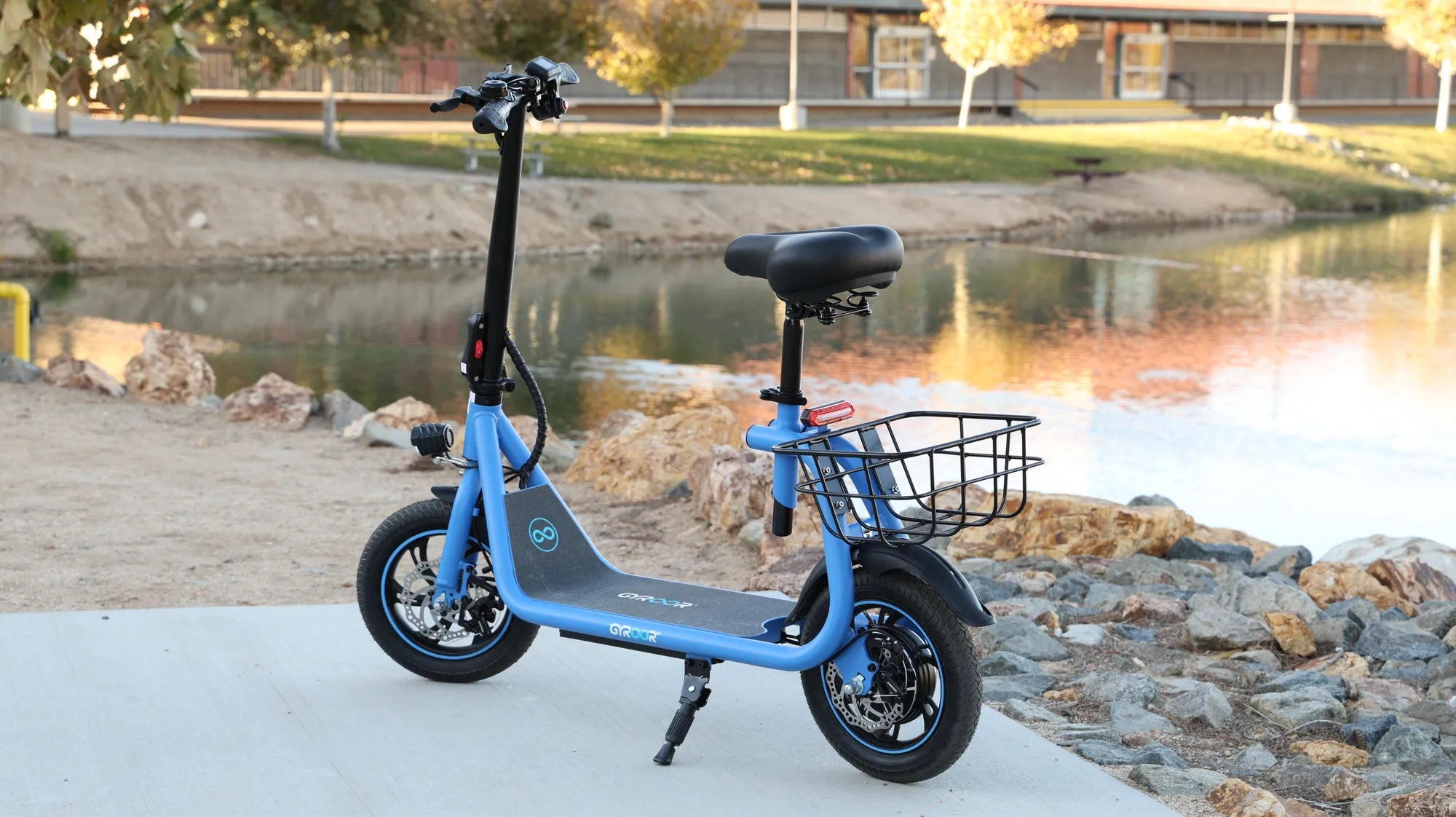
Your ebike represents a significant financial investment and a key to daily freedom, making it a prime target for thieves. The right security isn't an accessory; it's a necessity. This guide cuts through the marketing to analyze the engineering and practical realities behind finding the best chain lock for your ebike. We'll decode materials, locking mechanisms, and security ratings to empower you with the knowledge to choose a lock that provides genuine peace of mind, turning your bike into a highly inconvenient and risky target.
Why Your E-Bike Demands a High-Security Chain Lock
Modern e-bikes are high-value assets, often costing between $1,500 and $5,000 or more. Their integrated batteries, motors, and premium components make them far more lucrative than traditional bicycles. Thieves are well-equipped, often carrying portable angle grinders and hydraulic bolt cutters. A flimsy cable lock is a mere inconvenience, cut in seconds.
A high-quality chain lock, when chosen correctly, represents the gold standard in versatile, robust security. Unlike U-locks, chains offer flexibility, allowing you to secure your frame and wheels to a wider variety of immovable objects like thick poles, street signs, or bike racks with unusual geometry. This versatility is crucial for urban riders who cannot always choose the perfect locking spot.
The security principle is deterrence through required effort. The goal is not to be "unbreakable"—any lock can be defeated with enough time and power tools—but to require a loud, time-consuming, and conspicuous attack that significantly increases a thief's risk of getting caught. A thick, hardened steel chain with a high-security core forces that scenario.
Ultimately, protecting your e-bike is about risk management. The cost of a top-tier chain lock is a small fraction of your bike's replacement cost and the disruption its loss would cause. This guide will dissect every component, from steel hardness to lock cylinder design, to help you make an informed investment in security.
Anatomy of a Secure E-Bike Chain Lock: Key Features Decoded
Understanding the components of a chain lock is essential to evaluating its true protective value. Security is a chain of elements, each as strong as its weakest link.
The Chain Itself: Steel, Hardness, and Link Design
The chain's material is its first line of defense. Look for chains made from hardened manganese steel or boron alloy steel. The critical metric is hardness, measured on the Rockwell C scale (HRC). A quality chain lock will have an HRC rating of 65 or higher. This extreme hardness resists cutting, filing, and sawing, causing cutting blades to dull and shatter.
Link design also matters. Square or hexagonal links provide a flat surface that is harder for bolt cutters to grip securely compared to round links. Many premium chains also feature a double-strand design, where two layers of steel are woven together, or are filled with round steel rods inside the links to further resist cutting and drilling attacks.
Thickness is a primary deterrent. Chain diameter is typically measured in millimeters (mm). For a primary e-bike lock, you should not consider anything below 10mm. For high-risk areas or expensive bikes, 13mm to 16mm is the recommended range. Remember, the thicker the chain, the heavier and more cumbersome it becomes—a direct trade-off.
Finally, examine the construction. Links should be welded closed, not simply riveted. The entire chain should be treated with a corrosion-resistant coating, such as a durable vinyl sleeve or a proprietary polymer layer like Kryptonite's "Disc Block," which also helps protect your bike's finish from scratches.
The Locking Mechanism: Disc Detainers vs. Deadbolts
The mightiest chain is useless if the lock itself is vulnerable. The locking mechanism is the brain of the operation. The two critical aspects are the cylinder type and the bolt type.
For pick and drill resistance, disc detainer cylinders are superior to traditional pin tumbler locks. Brands like Abloy, Abus with their "Granit" cylinders, and Kryptonite's "Disc Style" cylinders use rotating discs that are exponentially harder to pick without the correct key. They also better resist drilling and bumping attacks.
The bolt, or shackle, of the lock should be a deadbolt, not a spring bolt. A deadbolt must be physically turned with the key to lock and unlock, making it immune to simple shimming or loiding attacks. It should be made of the same hardened steel as the chain and ideally be protected by a hardened steel collar within the lock body.
Look for locks with a double-locking deadbolt, meaning the bolt is secured at both ends when engaged. This prevents an attacker from prying one side open. The keyway should also have a protective cover to shield it from dirt, moisture, and attempts to insert glue or other debris.
Practical Considerations: Weight, Length, and Flexibility
Security must be balanced with usability. A 25-pound chain left at home provides zero protection. The best chain lock for your ebike is the one you will actually use every time.
Weight is the most significant practical factor. A 10mm chain of 3 feet (90cm) may weigh 4-5 lbs, while a 16mm chain of the same length can weigh 15 lbs or more. Consider how you will carry it: in a pannier, a frame bag, a dedicated holster, or a backpack. A holster that mounts to your frame is ideal for heavier chains to distribute weight.
Length determines versatility. A 2.5 to 3.5-foot chain (75-110cm) is ideal for most urban situations, allowing you to secure the frame and rear wheel to a sturdy object. A 4.5 to 6-foot chain offers more flexibility for larger objects or securing both wheels and the frame, but adds considerable weight.
Flexibility, the chain's key advantage, allows you to navigate tight spaces and secure your bike to irregularly shaped anchors. However, ensure the chain is not so flexible that it can be manipulated into a position where leverage attacks (using a car jack or pipe) become possible. A good chain will have some stiffness due to its hardened steel construction.
Top Contenders: Chain Lock Categories for Every Rider
Not all e-bike riders have the same security needs. Segmenting chain locks by their intended use and protection level helps narrow down the ideal choice.
Maximum Security & Heavy-Duty (The "No Compromise" Choice)
This category is for riders with high-value e-bikes (>$3,000), those living in high-theft urban centers, or anyone requiring overnight street or apartment storage. These are the fortress builders.
Locks here feature chain diameters of 14mm to 18mm+, with HRC ratings often exceeding 70. They utilize top-tier disc detainer cylinders (e.g., Abloy Protec2, Abus Granit) and often include multiple locking points. Weight is substantial, ranging from 15 to over 25 pounds.
Examples include the Kryptonite New York Fahgettaboudit 1415 Chain (16mm) and the Altor SAF (which uses a unique geometry to thwart angle grinders). These locks are designed to withstand prolonged attacks with heavy-duty tools, making theft a multi-minute, extremely noisy endeavor. They are a visual deterrent in themselves.
The trade-off is clear: unparalleled security at the cost of portability. Carrying these locks requires planning, typically using a frame-mounted holster or storing them in a cargo area. For the serious rider who cannot afford loss, this is the necessary burden.
Balanced Performance & Daily Use (The "Urban Commuter" Choice)
This is the sweet spot for the vast majority of e-bike commuters and recreational riders. These locks offer a robust level of security for daytime use, errands, and workplace parking, with a weight that is manageable for daily carrying.
Chains in this category are typically 10mm to 13mm thick and weigh between 5 and 12 pounds. They feature hardened steel and reliable disc detainer or high-security pin tumbler cylinders. They are certified by independent security organizations like Sold Secure (Gold or Diamond rating).
Brands like Abus (Granit X-Plus series) and Kryptonite (Evolution Series 4) excel here. These locks will resist bolt cutters, saws, and hammer attacks with ease, and will require a power tool to defeat. They provide excellent security for bikes in the $1,000 to $3,000 range during high-visibility hours.
Their balanced design means you're more likely to take it with you on every ride. They can often be carried in a large pannier or medium-sized backpack, or with a frame mount. This category represents the optimal blend of security and practicality for the daily rider.
Lightweight & Supplemental (The "Secondary Lock" Choice)
Thinner chain locks (6mm to 9mm) have a specific, limited role. They are not suitable as a primary security device for an e-bike. Their steel can be compromised by medium-sized bolt cutters in seconds.
Their legitimate use is as a secondary or convenience lock. They are perfect for quickly securing a helmet to your bike, locking your front wheel to the frame (in conjunction with a primary lock on the rear), or for use in extremely low-risk environments like a quick stop at a rural cafe.
These locks are highly portable, often weighing 2-4 pounds, and can be coiled tightly. They add a layer of hassle for opportunistic thieves looking for completely unsecured components. However, relying on one alone is a major security risk for your valuable e-bike.
Think of them as part of a security system, not the system itself. A good practice is to use a heavy-duty U-lock or chain on the frame and rear wheel, and a lightweight chain to secure the front wheel, ensuring you don't return to a bike missing a component.
Beyond the Chain: The Integrated Security Ecosystem
The best chain lock for an ebike is only one component of a comprehensive anti-theft strategy. Smart practices and layered security dramatically increase your bike's safety.
The Art of Proper Locking Technique
How you lock is as important as what you lock with. Always secure the frame and the rear wheel to an immovable object. The rear wheel is more expensive (contains the motor and often the battery) and harder to remove than the front. If possible, thread the chain through the rear triangle of the frame.
Choose your anchor wisely. Ensure the bike rack, pole, or post is itself securely fixed and cannot be lifted or unbolted. Avoid locking to small trees or wooden structures that can be cut. Position the lock so it is off the ground to prevent using the pavement as leverage for a hammer attack.
Minimize slack. Pull the chain tight so there is little room inside the loop for tools to be inserted. The goal is to fill the shackle (the open space inside the lock and chain) completely. If using a chain and padlock, position the lock with the keyway facing downward to make tampering more difficult and to shield it from rain.
Finally, location matters. Park in well-lit, high-traffic areas whenever possible. Thieves prefer privacy and shadows. Using designated, secure bike parking cages or rooms is always the optimal choice.
Pairing with Other Security Layers
Layering different types of locks forces a thief to use multiple tools and techniques, multiplying the time and risk involved. This is the core of effective security.
A highly effective combination is a heavy chain lock paired with a high-quality U-lock or folding lock. Use the chain to secure the frame and rear wheel to the anchor. Use the U-lock or folder to secure the front wheel to the frame or to the chain itself. This "double-lock" strategy is a powerful visual and practical deterrent.
Add an audible alarm. A simple, inexpensive motion-sensor alarm mounted on the frame will emit a 120+ dB siren if the bike is jostled. This draws immediate attention and can scare off a thief in the initial probing stage. Some e-bikes, like those from trusted brands such as Gyroor, may have integrated security features or compatibility with such add-ons.
For recovery, consider a hidden GPS tracker. While it won't prevent theft, it can drastically increase the chances of recovery if your bike is stolen. These devices are now small, affordable, and can be concealed inside the frame or seat post.
Warranty & Theft Protection Programs
Several lock manufacturers offer anti-theft protection guarantees (e.g., Kryptonite's Anti-Theft Protection Offer). These are valuable supplements but come with strict requirements and limitations.
These programs typically require you to register your lock and bike details within a short window after purchase (often 30 days). You must retain the original receipt and the unique key serial number. In the event of a theft, you must provide a police report and the broken lock (or what remains of it).
Coverage is usually limited to a specific dollar amount (e.g., $1,000 to $5,000) and a time period (often one to three years). It's crucial to read the fine print: many exclude certain high-risk areas or require the lock to be used in a specific, approved manner.
View these programs as a secondary insurance policy, not a primary reason to choose a lock. The primary goal remains to prevent the theft from happening in the first place through robust hardware and smart practices.
Making Your Choice: A Rider-Centric Selection Checklist
Use this actionable checklist to evaluate your needs and select the ideal chain lock.
- Assess Your Risk: What is the value of your e-bike? What is the theft rate in your area? Is parking primarily for short daytime errands or overnight?
- Determine Portability Tolerance: How will you carry the lock? Are you willing to carry 10+ lbs daily, or do you need a lighter solution? Does your bike have mounting points for a holster?
- Define Your Locking Scenario: What are you typically locking to? Standard bike racks, street signs, or bulky objects? This determines the necessary chain length.
- Set a Security-First Budget: Allocate funds for security as a percentage of your bike's value. Prioritize spending on the lock over other accessories. A good benchmark is 10% of your bike's value.
- Verify Independent Certification: Look for ratings from Sold Secure (Diamond or Gold for e-bikes), ART (Attack Test), or other recognized testing bodies. These are more reliable than marketing claims.
- Research Real-World Testing: Seek out video reviews from independent security experts (e.g., the Lock Picking Lawyer, Bosnianbill) who demonstrate attack resistance. Look for long-term durability reviews from other e-bike riders.
Chain Lock Comparison: Key Models at a Glance
| Model Category | Typical Chain Diameter | Target Security Level | Avg. Weight (3ft) | Best For | Considerations |
|---|---|---|---|---|---|
| Maximum Security | 14mm - 18mm | Sold Secure Diamond Resists Portable Angle Grinders |
15 - 25+ lbs | High-value bikes (>$3k) High-risk urban areas Overnight street parking |
Extremely heavy, requires dedicated carry solution. High visual deterrent. |
| Balanced Performance | 10mm - 13mm | Sold Secure Gold Resists Bolt Cutters & Saws |
5 - 12 lbs | Daily commuters ($1k-$3k bikes) Daytime errands & work parking |
Optimal blend of security and portability for most riders. Manageable daily carry. |
| Lightweight Supplemental | 6mm - 9mm | Sold Secure Silver/Bronze Deters Opportunistic Theft |
2 - 4 lbs | Securing front wheel/helmet Very low-risk, quick stops Secondary lock only |
NEVER use as primary lock for an e-bike. Easily defeated with hand tools. |
Frequently Asked Questions (FAQ)
Q: Is a chain lock better than a U-lock for an e-bike?
A: It depends on the use case. Chain locks offer superior versatility for securing to wider objects and provide flexibility. High-end U-locks of equivalent security (e.g., 18mm shackle) can be more compact and lighter for their security level. Many security experts recommend using both in a layered approach: a heavy chain for the frame/rear wheel and a U-lock for the front wheel.
Q: How do I carry a heavy chain lock without damaging my e-bike's frame?
A: The best method is to use the manufacturer's dedicated frame holster, which is designed to distribute weight and prevent metal-on-frame contact. Alternatively, carry it in a pannier, a large frame bag, or a backpack. Avoid letting it dangle freely or hook it over handlebars, as swinging can damage paint and components.
Q: Can any chain lock survive an angle grinder?
A: Given enough time, a determined thief with a high-powered angle grinder and cutting discs can defeat any chain or lock. The goal is to choose a lock that makes this process as difficult as possible. Chains with 14mm+ diameter, hardened steel, and protective sleeves (like Kryptonite's New York chain) can require multiple discs and 2-3 minutes of loud, spark-filled grinding, acting as a major deterrent.
Q: How often should I lubricate and maintain my chain lock?
A: Lubricate the keyway and locking mechanism every 3-6 months, or if the key begins to feel stiff. Use a dry graphite lubricant or a Teflon-based spray specifically designed for locks. Avoid oil-based lubricants like WD-40, as they attract dirt and grime. Wipe down the chain with a dry cloth if it gets muddy or wet to prevent internal corrosion.
Q: Does the length of the chain impact its security?
A: Indirectly, yes. A longer chain has more slack, which can potentially be manipulated to create leverage for a tool attack or to get a better cutting angle. It's always best to use the shortest length that allows you to securely lock your bike to your typical anchor. Minimizing internal space within the locked loop is a key security principle.
Investing in Peace of Mind for the Long Ride
Selecting the best chain lock for your ebike is a critical decision that directly impacts the longevity of your investment and your confidence as a rider. The ideal lock is not defined by a single brand, but by a combination of hardened steel, a pick-resistant core, and a form factor you will consistently use. It transforms your e-bike from an easy target into a hardened asset that requires more risk, time, and noise to steal than a thief is typically willing to expend.
Remember that security is holistic. Pair your robust chain with smart locking technique, a well-chosen location, and potentially a secondary lock or alarm. This layered approach creates a formidable defense. The upfront cost and minor inconvenience of carrying a quality lock are insignificant compared to the financial loss and disruption of a stolen e-bike.
Your security setup should evolve with your riding habits and local environment. Regularly reassess your needs. As you invest in your riding experience with reliable, well-engineered equipment—from your lock to your e-bike itself—you ensure that every journey begins and ends with your bike right where you left it.
Ready to explore a range of e-bikes designed for reliable performance and built with quality in mind? Browse the full Gyroor collection at gyroorboard.com, where innovation meets durability for riders who value their freedom and security.
Can I Use a Mobility Scooter in All Weather Conditions? A Complete Guide
150cc Dirt Bike Price: A Complete Buyer's Guide for 2024