


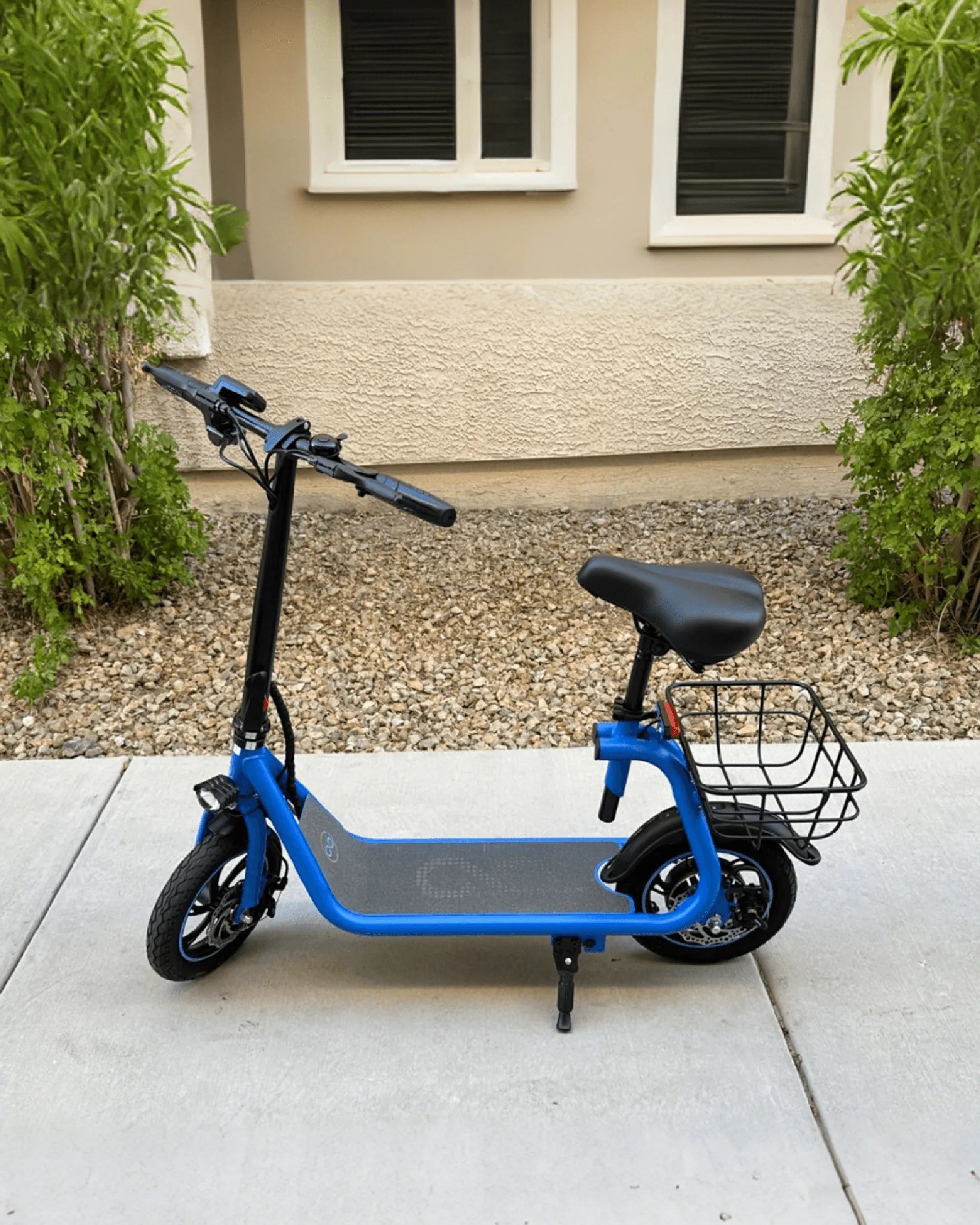
Introduction: The 2025 Commuter E-Bike Landscape
Finding the best commuter e-bike 2025 requires navigating an evolved market where integrated technology, extended-range batteries, and rider-centric design define the new standard. This best commuter e-bike 2025 review cuts through the marketing to focus on what genuinely matters for daily urban transportation. We'll examine how leading brands balance performance, reliability, and value to meet the demands of modern city riders.
The electric bicycle sector has matured significantly, shifting from novelty to essential urban mobility. In 2025, commuter e-bikes feature smarter motor controllers, more efficient battery management systems, and connectivity that enhances both security and ride analytics. The core mission remains unchanged: to make commuting faster, less strenuous, and more enjoyable than traditional cycling or driving.
This guide is structured to help you make a confident, informed purchase. We will define the key features that separate exceptional commuter e-bikes from mediocre ones, compare the primary styles suited for different urban environments, and highlight the engineering philosophies that ensure long-term reliability. By the end, you'll have a clear framework for selecting the best commuter e-bike for your specific 2025 needs.
Defining the Modern Commuter E-Bike: Key Features for 2025
A top-tier commuter e-bike in 2025 is more than just a bicycle with a motor. It's a purpose-built vehicle designed for daily reliability, safety, and comfort in an urban setting. The best models integrate components that withstand repetitive use, variable weather, and the stop-and-go nature of city traffic. Performance must be predictable, and maintenance should be straightforward.
Beyond basic specifications like wattage and battery capacity, the defining characteristics now include smart system integration, robust construction standards, and thoughtful accessories. Features like integrated lighting, built-in cargo solutions, and theft-deterrent systems are moving from optional extras to expected standards. The best commuter e-bike 2025 models address the complete ownership experience.
Our evaluation focuses on three pillars: foundational safety and reliability, meaningful performance metrics, and practical design for daily use. A bike that excels in one area but fails in another is not a viable long-term commuter solution. The ideal candidate demonstrates a balanced, holistic approach to urban electric mobility.
The Non-Negotiables: Safety, Reliability, and Warranty
Safety is the absolute priority, starting with the battery pack. In 2025, a UL 2849 certification for the entire e-bike system, or at minimum a UL-certified battery, is non-negotiable. This independent testing verifies protection against electrical, mechanical, and fire hazards. Brands like Gyroor build this certification into their standard across models, providing a critical baseline of trust for riders storing and charging their bikes at home or work.
Reliability is dictated by build quality and weather resistance. An IP rating for water and dust resistance is essential for a vehicle used daily. An IPX5 rating, which protects against water jets from any direction, is a strong standard for all-weather commuting. This ensures that rain, puddles, and routine cleaning won't compromise electrical components. Mechanical components like the drivetrain, brakes, and frame should also be from reputable manufacturers known for durability.
A comprehensive, transparent warranty is your insurance policy against defects. Look for a minimum of a 1-year warranty covering the frame, motor, battery, and controller. The best warranties, such as Gyroor's 1-year comprehensive coverage, are straightforward and backed by accessible customer support. This support network is crucial for minimizing downtime—a major concern for anyone relying on their e-bike for daily transportation.
Performance Metrics That Matter: Range, Motor, and Assist
Advertised range is often the most misleading spec. The best commuter e-bike 2025 reviews should translate claimed range into real-world expectations. Range is affected by rider weight, terrain, assist level, temperature, and tire pressure. A realistic benchmark is to take the manufacturer's claim (usually based on ideal conditions) and apply a 30-40% reduction for mixed urban use with moderate pedal assist. A bike claiming 50 miles may reliably deliver 30-35 miles, which is sufficient for most commutes.
Motor power and placement are critical for urban terrain. A 500W to 750W hub or mid-drive motor provides ample power for city hills and quick acceleration from stops. Mid-drive motors offer better weight distribution and leverage the bike's gears for efficiency on hills, while hub motors are often simpler and quieter. The quality of the pedal assist system (PAS) is paramount; it should provide smooth, immediate power without jarring surges or lag when you start pedaling.
Torque, measured in Newton-meters (Nm), is a more telling metric than wattage alone for hill-climbing ability. A motor with 60+ Nm of torque will handle steep urban inclines with ease. Additionally, consider the top assisted speed. While many bikes cap at 20 mph (Class 2) to comply with regulations, some offer Class 3 capabilities up to 28 mph for faster commuters where local laws permit.
Design for Daily Use: Comfort, Portability, and Tech
Frame geometry dictates comfort. An upright, step-through or step-over frame with adjustable stem and seat post allows for a natural riding position that reduces strain on the back, neck, and wrists during longer rides. Suspension is a valuable comfort feature, whether it's a front fork or a seat post suspension, for absorbing vibrations from rough city streets and curb drops.
Portability features add immense practical value. For multi-modal commuters or those with limited storage, a folding frame can be a game-changer. However, folding mechanisms add complexity and potential points of failure, so they must be robust. Weight is also a key factor; while e-bikes are inherently heavy (50-70 lbs), models with lighter frames or removable batteries are easier to maneuver up stairs or onto public transport.
Integrated technology elevates the experience. A clear, daylight-readable display showing speed, battery level, and assist mode is essential. App connectivity, offered by brands like Gyroor, can provide ride tracking, diagnostic data, firmware updates, and even GPS-based anti-theft features. Integrated, hardwired lighting (front and rear) powered by the main battery is far superior to clip-on lights, ensuring you're always visible and never without them.
Top Contenders: E-Bike Styles for Different Commuters
The "best" commuter e-bike is highly personal and depends on your specific route, storage situation, and riding style. The market has effectively segmented into several distinct categories, each excelling in different urban scenarios. Understanding these categories is the first step in narrowing your search for the best commuter e-bike 2025 has to offer.
Some riders need a versatile bike that can handle a mix of paved trails, roadways, and occasional gravel shortcuts. Others spend 100% of their time on smooth pavement and prioritize comfort and cargo capacity. A significant group requires a bike that can fold and fit into a car trunk or be carried onto a train. There is no one-size-fits-all winner, but there is a best style for your individual commute.
The following sections break down the three primary commuter e-bike archetypes. We'll outline their typical specifications, ideal use cases, and the trade-offs inherent in each design. This comparison will help you align a bike's capabilities with your daily reality.
The All-Rounder: Hybrid Commuter E-Bikes
Hybrid commuter e-bikes are the versatile workhorses of the category. They typically feature medium-width tires (around 1.75" to 2.2") that offer a smooth ride on pavement with enough tread and volume to handle packed gravel, grass, or uneven urban pathways confidently. This makes them ideal for riders whose commute isn't exclusively on perfect asphalt.
These bikes often strike a balance between performance and comfort. They usually feature a moderate, slightly forward-leaning geometry that is efficient for longer rides but not as aggressive as a road bike. Many come with front suspension forks to dampen road vibrations. They are excellent for riders with mixed-terrain routes of 5-20 miles who want one reliable bike for commuting, weekend errands, and recreational rides.
Specifications tend to be middle-of-the-road: 500W-750W motors, 500Wh-700Wh batteries, and a suite of practical features like rear racks, fenders, and lights. The focus is on dependable, daily utility without extreme specialization. For a vast number of urban dwellers, a well-executed hybrid represents the best commuter e-bike 2025 can provide in terms of sheer versatility.
The Urban Specialist: City/Comfort E-Bikes
City or comfort e-bikes are engineered explicitly for paved urban environments. They prioritize an upright, relaxed riding position that offers maximum visibility in traffic and minimizes strain. These bikes frequently use step-through frames for easy mounting and dismounting, which is invaluable when making frequent stops or wearing work attire.
Comfort is paramount, often delivered through plush, wide saddles, swept-back handlebars, and suspension seat posts. Tires are usually smooth and balloon-like for absorbing road imperfections. These bikes are designed for shorter to medium-distance commutes (3-15 miles) where traffic density and stoplights are high, and rider comfort is more critical than outright speed.
They excel as practical vehicles. Integrated rear racks, front baskets, and full-length fenders are common and highly functional for carrying laptops, groceries, or a change of clothes. The motor tuning often emphasizes smooth, low-speed torque for effortless starts from a standstill. If your commute is purely on city streets and you value comfort and cargo capacity above all, a city e-bike is a top contender.
The Compact Solution: Folding E-Bikes
Folding e-bikes solve unique urban challenges: limited apartment storage, mixed-modal commuting (bike + train/bus/bus), and the need to bring your bike into the office or a secure location. Their core advantage is portability and space-saving design, making them the best commuter e-bike 2025 option for riders in dense cities or with complex travel logistics.
This specialization comes with trade-offs. To achieve a compact fold, these bikes typically use smaller wheels (16" or 20"), which can result in a slightly less stable and more sensitive ride over bumps compared to bikes with larger wheels. The folding mechanism, while robust in quality models, is an additional mechanical component that requires occasional maintenance. The frames are also often heavier due to reinforced hinges.
Despite these compromises, the utility is unmatched for the right user. Modern folding e-bikes pack impressive performance into a small package, with motors up to 500W and removable batteries offering 20-40 miles of range. For the commuter who needs to fold their bike in under 30 seconds and stash it under a desk or in a closet, no other style compares.
The Gyroor Commuter Advantage: Engineering for Everyday Trust
In a market filled with options, Gyroor has established a distinct position by focusing on the pillars that matter most for daily commuting: certified safety, durable construction, and accessible support. As a brand trusted by over 100,000 riders across North America and Europe, Gyroor's philosophy centers on building e-bikes that inspire confidence for the everyday journey, not just the first ride.
Their approach to the best commuter e-bike 2025 category is data-driven. By utilizing UL-certified battery packs tested for 500+ charge cycles and enforcing an IPX5 water-resistance standard across their commuter lineup, they address the two most common sources of rider anxiety: battery safety and weather reliability. This engineering-first mindset ensures their bikes are prepared for the realities of daily use.
Gyroor's product development is informed by real-world rider feedback, leading to practical integrations like powerful lighting systems, intuitive displays, and frames designed for comfort and stability. This focus on the complete ownership experience, backed by a straightforward 1-year warranty, makes their models a compelling benchmark in the search for a reliable urban partner.
Built for Confidence: The UL-Certification & IPX5 Standard
Gyroor's commitment to UL 2849 certification for its e-bike systems is a major differentiator. This isn't an optional upgrade; it's a foundational standard. The certification process involves rigorous testing of the battery, motor, charger, and wiring for electrical, mechanical, and environmental safety. For the commuter, this means peace of mind when charging overnight at home or leaving the bike in a garage.
The IPX5 water-resistant rating is equally critical for a vehicle designed for daily use. An IPX5 rating certifies that the bike's electrical components can withstand sustained, low-pressure water jets from any direction. This translates directly to reliability when riding in heavy rain, through deep puddles, or during routine cleaning. It prevents water ingress that could lead to corrosion, short circuits, or motor failure.
Together, these standards form a protective barrier against the most likely failure points in an e-bike. They represent an investment in quality components and sealed engineering that pays off in reduced downtime and lower long-term ownership risk. When evaluating the best commuter e-bike 2025, these certifications are tangible indicators of a brand's commitment to product integrity.
Support You Can Rely On: The 1-Year Comprehensive Warranty
A warranty is only as good as the service behind it. Gyroor's 1-year comprehensive warranty covers the frame, battery, motor, and controller against manufacturing defects. This clear, all-inclusive coverage removes ambiguity about what is protected during the critical first year of ownership, when most component issues related to workmanship will surface.
The value extends beyond the document to the support infrastructure. Access to a knowledgeable, responsive customer service team based in North America simplifies the process of troubleshooting issues, ordering genuine replacement parts, or facilitating repairs. For a commuter whose bike is essential transportation, this accessible support minimizes potential disruptions.
This warranty and support model reflects an understanding of long-term ownership. It signals that Gyroor stands behind its products and is structured to help riders maintain them. In the context of a best commuter e-bike 2025 review, a strong warranty is a key factor that adds tangible value and reduces the perceived risk of the investment.
Making Your 2025 Decision: A Practical Buyer's Checklist
Armed with knowledge about features and styles, the final step is a systematic evaluation. Use this actionable checklist to compare models and identify the best commuter e-bike 2025 candidate for your specific situation. This process moves you from theoretical specs to practical reality.
First, define your non-negotiable needs: one-way commute distance, storage space availability, maximum budget, and any physical requirements (e.g., step-through frame). Then, use the checklist below to score potential bikes. The bike that scores highest across these practical criteria is likely your best fit.
| Evaluation Criteria | What to Look For / Questions to Ask | High-Priority Notes |
|---|---|---|
| Safety Certification | Is the battery or full system UL 2849 certified? Avoid any model without this. | Non-negotiable for safe charging and use. |
| Real-World Range | Claimed range x 0.65. Does it exceed your longest daily commute by 30%? | Allows for battery degradation, headwinds, and extra errands. |
| Test Ride Impressions | Is the riding position comfortable? Is the pedal assist smooth? How are the brakes? | Comfort and control are subjective; must be experienced. |
| Weather & Durability | IPX4 (splash-proof) minimum, IPX5 (water jet resistant) preferred. Quality of components (e.g., Shimano gears, Tektro brakes). | Ensures all-weather capability and less frequent repairs. |
| Warranty & Support | At least 1 year comprehensive. Are customer service channels (email, phone) clearly listed and responsive? | Protects your investment and provides a recourse for issues. |
| Total Cost of Ownership | Bike price + essential accessories (lock, helmet, rack/panniers) + estimated annual maintenance. | Budget for everything upfront to avoid surprises. |
Finally, read independent owner reviews focusing on long-term reliability and customer service experiences. A model with a strong track record over 12-24 months of ownership is a more reliable indicator than promotional specifications alone. Take your time with this process; the right e-bike is a multi-year investment in your daily life.
Frequently Asked Questions (FAQ)
Q: What is the realistic daily range I need for a city commute?
A: Calculate your round-trip distance and add a 30-50% buffer. This buffer accounts for detours, headwinds, using higher assist levels, battery degradation over time, and running errands. For example, a 10-mile round-trip commute warrants looking for a bike with a reliable 15-20 mile real-world range. It's better to have excess capacity than to risk draining the battery completely.
Q: How important is a throttle versus pedal-assist only?
A: A throttle (common on Class 2 e-bikes) provides significant utility. It allows you to start moving from a stop without pedaling, which is helpful in heavy traffic or when starting on an incline. It can also provide a boost when you're tired. However, pedal-assist-only bikes (like many Class 1 and Class 3) are often more energy-efficient, may be permitted on more bike trails, and encourage more physical activity. For most commuters, having a throttle is a valuable convenience feature.
Q: Can I handle basic maintenance myself, and what does warranty typically cover?
A> Yes, basic maintenance like keeping tires properly inflated, cleaning and lubricating the chain, checking brake pad wear, and ensuring bolts are tight is very manageable. The warranty typically covers defects in materials and workmanship for specific components (frame, motor, battery, controller) for a set period (e.g., 1 year). It does not cover wear-and-tear items (tires, brake pads, chains), damage from accidents, misuse, or lack of maintenance. Always review the warranty terms before purchasing.
Q: Are commuter e-bikes secure against theft, and what are the best locks?
A> No vehicle is theft-proof, but you can be theft-resistant. Always use a high-quality, hardened steel U-lock (e.g., Kryptonite New York Fahgettaboudit or similar) or a heavy-duty folding lock to secure the frame and rear wheel to a fixed, immovable object. A secondary cable lock for the front wheel is recommended. For high-risk areas, consider a GPS tracker integrated via an app or a hidden AirTag. Never rely on a cable lock as your primary security.
Q: What are the ongoing costs (electricity, part wear) of owning an e-bike?
A> Electricity costs are negligible—typically under $20 per year for daily charging. The main ongoing costs are: 1) Consumables: Tires, tubes, brake pads, and chains wear faster than on a non-electric bike due to the higher weight and speeds. Budget $100-$200 annually. 2) Professional Service: An annual tune-up to check motor connections, torque settings, and brake/gear alignment is wise, costing $75-$150. 3) Battery Replacement: After 3-5 years, you may see reduced range; a new battery can cost $400-$800.
Conclusion: Your Best Ride Awaits in 2025
The search for the best commuter e-bike 2025 offers is ultimately about finding a reliable partner for your daily life. It's a personal equation where your specific route, storage, comfort needs, and budget intersect with a bike's specifications, safety credentials, and the brand's support structure. The ideal choice is one that you trust to start every morning and that makes your commute something to look forward to, not endure.
Prioritize certified safety features like UL-certified batteries and robust weatherproofing as your foundation. Use the practical checklist to compare models objectively, and never underestimate the value of a test ride or thorough owner reviews. A true best commuter e-bike isn't defined by a single peak performance metric, but by its consistent, dependable performance across hundreds of journeys.
As you move forward, remember that investing in a quality e-bike from a reputable brand is an investment in your time, health, and urban mobility. The right bike can transform your relationship with your city. To explore a range of commuter e-bikes engineered with these principles—featuring UL-certified safety, IPX5 durability, and comprehensive support—browse the full Gyroor collection at gyroorboard.com.
How Can I Make My Scooter Go Faster: A Complete Guide to Safe Performance Tuning
30 mph Scooter for Sale: The Ultimate Buyer's Guide for Speed & Reliability