

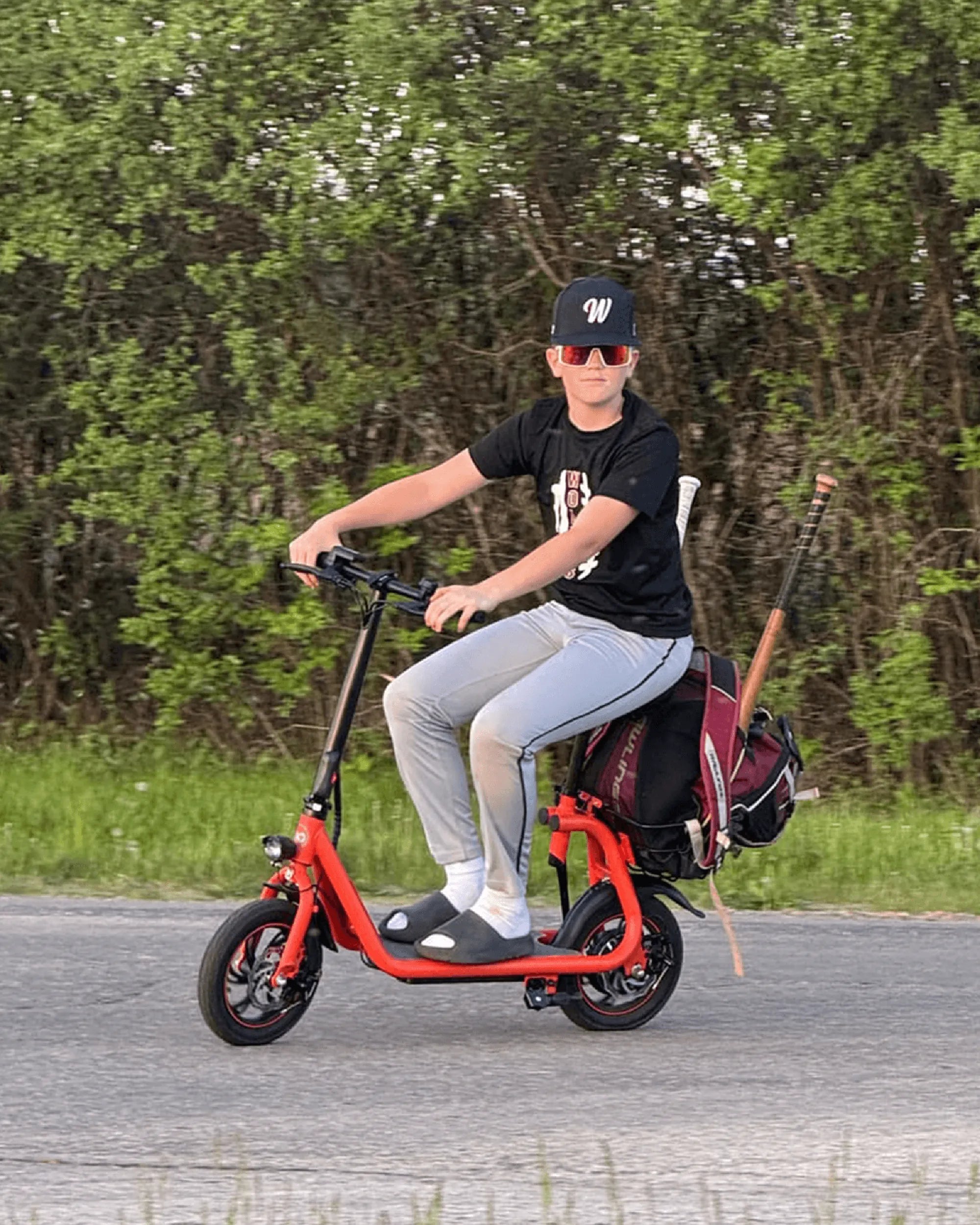
Electric bikes, or e bikes, have revolutionized the way we commute, explore, and stay active. Whether you're a city dweller looking for an eco-friendly alternative to cars or an adventure seeker craving off-road thrills, the best e bike can transform your riding experience. But with so many options available, how do you choose the right one? This guide breaks down everything you need to know to make an informed decision.
Why Choose an E Bike?
E bikes offer a unique blend of convenience, efficiency, and fun. Unlike traditional bicycles, they come equipped with an electric motor that provides pedal assistance, making uphill climbs and long distances far more manageable. This makes them ideal for commuters, fitness enthusiasts, and casual riders alike. The best e bike can help you save money on fuel, reduce your carbon footprint, and even improve your overall health by encouraging more frequent rides.
Key Features to Look For
When searching for the best e bike, several factors should influence your decision:
Motor Power and Performance
The motor is the heart of any e bike. Most models come with either a hub motor or a mid-drive motor. Hub motors are typically found in the rear or front wheel and are great for flat terrains, while mid-drive motors offer better torque and efficiency for hilly areas. Look for a motor with at least 250W of power for casual riding, while 500W or more is ideal for off-road adventures.
Battery Life and Range
A high-quality battery ensures you won't run out of power mid-ride. Lithium-ion batteries are the most common due to their longevity and lightweight design. The best e bike should offer a range of at least 40-60 miles on a single charge, depending on usage and terrain.
Frame and Build Quality
Durability is crucial, especially if you plan to ride frequently. Aluminum frames are lightweight and rust-resistant, while carbon fiber offers superior strength at a higher price point. Pay attention to the bike's weight, as heavier models can be harder to maneuver when the motor isn't engaged.
Comfort and Ergonomics
A comfortable saddle, adjustable handlebars, and suspension systems can make a huge difference in your riding experience. Test-riding different models is the best way to gauge comfort.
Types of E Bikes
E bikes come in various styles, each designed for specific purposes:
City/Commuter E Bikes
Perfect for urban environments, these bikes prioritize comfort, efficiency, and practicality. They often include features like fenders, lights, and racks for carrying belongings.
Mountain E Bikes
Built for rugged terrains, these models come with robust suspension systems, knobby tires, and powerful motors to tackle steep inclines and rough trails.
Folding E Bikes
Ideal for those with limited storage space or who need a portable option, folding e bikes are compact yet still pack a punch in terms of performance.
Cargo E Bikes
Designed for hauling heavy loads, these bikes feature extended frames and reinforced components to handle groceries, packages, or even children.
Cost Considerations
The best e bike for you will depend on your budget. Entry-level models start around $1,000, while high-end options can exceed $5,000. Consider the long-term savings on transportation costs and maintenance when evaluating the price.
Maintenance Tips
To keep your e bike running smoothly, regular maintenance is essential. Clean the chain and gears frequently, check tire pressure, and store the battery in a cool, dry place. Most importantly, follow the manufacturer's guidelines for charging cycles to prolong battery life.
Ready to find the best e bike for your lifestyle? With the right combination of power, comfort, and style, your perfect ride is just a decision away. Whether you're commuting to work or hitting the trails, an e bike can open up a world of possibilities—so why wait?
250 Dirt Bike: The Ultimate Guide to Power, Performance, and Adventure
Best E-Scooter Under 1000: Top Picks for Affordable Electric Commuting