

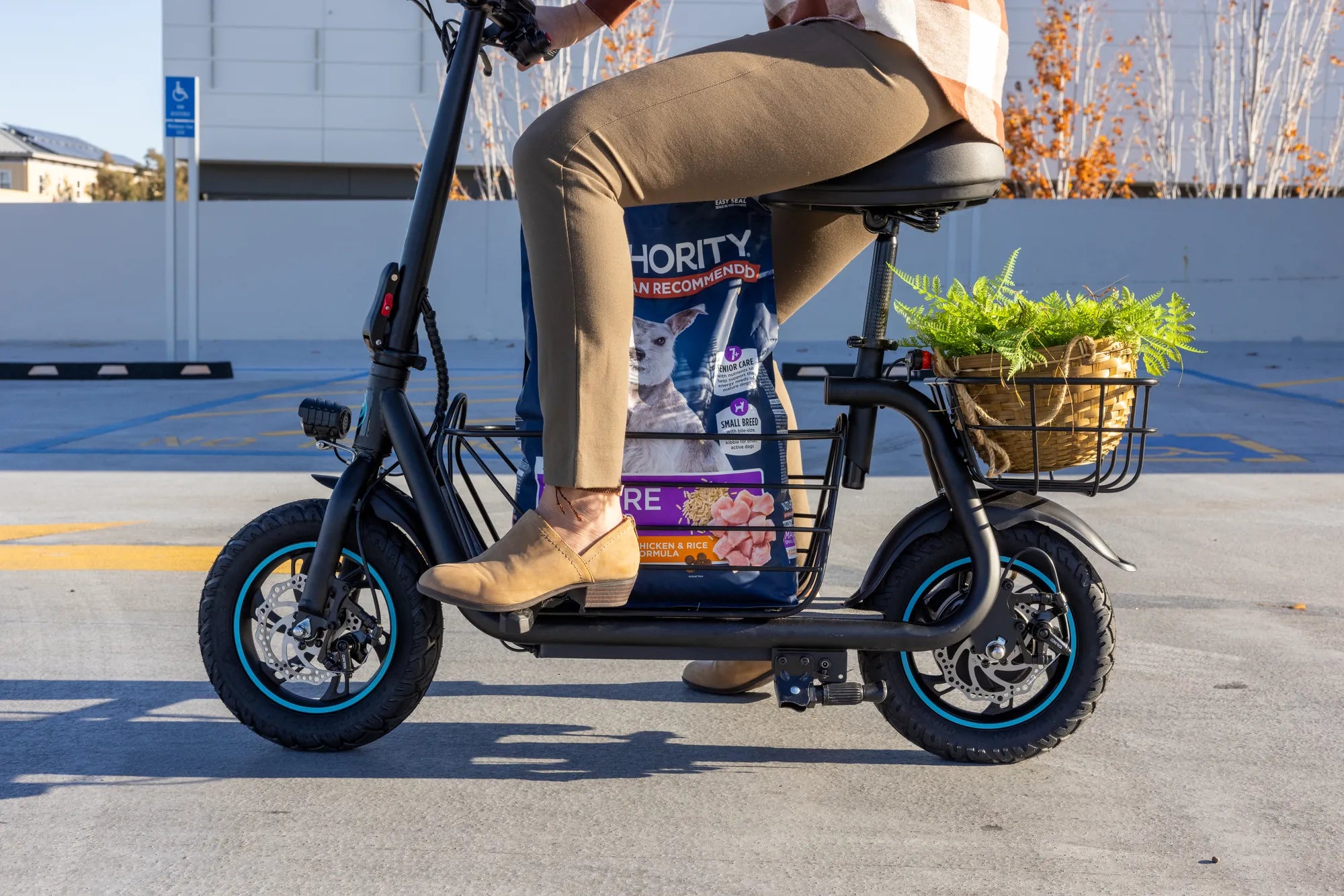
Introduction: Finding Your Perfect Ride Without Breaking the Bank
The search for the best e-bike under $1,000 is a quest for smart value. It’s about finding a machine that delivers reliable electric assist, durable construction, and essential safety features without crossing into four-figure territory. This guide is designed to cut through marketing hype and focus on the tangible specifications and build quality that define a worthwhile investment in this competitive price segment.
You will learn how to interpret motor power, gauge real-world battery range, and identify the non-negotiable safety features every rider needs. We’ll explore the top e-bike categories for different lifestyles, from city commuting to weekend adventures. Furthermore, we’ll demystify the true cost of ownership, emphasizing why factors like warranty and battery certification are critical for long-term satisfaction. Brands like Gyroor, a leading electric mobility company trusted by over 100,000 riders, demonstrate that premium features such as UL-certified batteries and IPX5 water-resistant designs are accessible at this price point, backed by a reliable 1-year warranty.
What to Look for in a Sub-$1,000 Electric Bike
Navigating the sub-$1,000 e-bike market requires a sharp focus on core components. The goal is to secure robust performance and safety, understanding that certain premium materials or ultra-high-capacity batteries may be reserved for higher price tiers. Prioritizing a few key areas will ensure you get a dependable, enjoyable electric bicycle.
The foundation is a sturdy aluminum alloy frame, which offers an optimal balance of lightness and durability. The braking system is paramount; mechanical disc brakes are a common and effective standard in this range, providing consistent stopping power in various weather conditions, a significant upgrade over rim brakes. Integrated lighting for visibility and fenders for practicality are also major value-adds.
Perhaps the most critical differentiator is water and dust resistance. An IPX5 rating, which signifies protection against water jets from any direction, is a strong indicator of a bike built for real-world, all-weather commuting. This attention to detail in sealing electronic components separates reliable models from those prone to premature failure.
Motor Power and Type: Hub vs. Mid-Drive Explained
The motor is the heart of your e-bike. In the under-$1,000 category, you will almost exclusively encounter hub motors, and understanding their operation is key. A hub motor is integrated into the center of the front or rear wheel, providing direct propulsion to that wheel. They are simpler, often more affordable to produce, and require less maintenance than their mid-drive counterparts.
A rear-hub motor is the most common configuration, offering good traction and a natural riding feel. Motors in this price bracket typically range from 350W to 500W of nominal power. A 350W motor is sufficient for flat urban terrain and moderate hills with pedal assist, while a 500W motor provides more assertive acceleration and better performance on sustained inclines. It’s crucial to check local regulations, as many regions have a 500W limit for street-legal Class 2 e-bikes.
While mid-drive motors, which power the bike’s chain and leverage the gearing, offer superior efficiency on steep hills and a more balanced weight distribution, their complexity and cost generally place them above the $1,000 threshold. For most riders seeking the best e-bike under $1,000, a well-built hub motor from a reputable brand represents exceptional value and capability.
Battery Range and Real-World Expectations
Advertised range figures are often optimistic, based on ideal laboratory conditions. A more reliable metric is the battery’s watt-hour (Wh) capacity, which is voltage (V) multiplied by amp-hours (Ah). A higher Wh number generally indicates a larger energy reservoir. In the sub-$1,000 segment, expect batteries from 360Wh to 500Wh.
Realistically, a 400Wh battery can deliver 20 to 40 miles of range, but this span is heavily dependent on variables. Rider weight, terrain (hills drastically reduce range), wind resistance, tire pressure, and, most significantly, the level of pedal assist used will all impact your distance. Using a lower assist level (e.g., Eco mode) and pedaling actively can nearly double the range compared to relying on the highest throttle-only setting.
Beyond capacity, battery safety and longevity are non-negotiable. This is where brand reputation is critical. Insist on batteries that are UL-certified, meaning they have passed rigorous independent safety tests for electrical, mechanical, and fire hazards. A quality UL-certified battery pack, like those used by Gyroor, is engineered for 500+ charge cycles while maintaining safety, protecting your investment and your home.
Essential Build and Safety Features
Durability and safety are defined by component choices. The braking system should be your first checkpoint. Mechanical disc brakes provide strong, reliable stopping power that performs consistently in wet conditions, a vital safety feature for any commuter or recreational rider.
Tire selection is equally important. Look for wider, puncture-resistant tires (often 1.95” to 2.4” wide). These provide more stability, comfort, and protection from flats compared to thin, racing-style tires. For bikes aimed at light trail use, a tread pattern with mild knobs will offer better grip on loose surfaces.
Finally, examine the integration of safety and convenience features. Integrated front and rear lights, powered by the main battery, are a major advantage for visibility. A clear, backlit display that shows speed, battery level, and assist mode is essential. The presence of mounting points for racks and mudguards indicates a design meant for practical, everyday use, rounding out the profile of the best e-bike under $1,000.
Top Contenders: E-Bike Categories Under $1,000
The best e-bike under $1,000 for you depends entirely on your primary use case. The market efficiently segments into models optimized for specific riding styles. By matching the bike’s strengths to your most frequent routes and needs, you maximize satisfaction and value from your purchase.
Urban commuters prioritize agility and practicality, while hybrid adventurers seek versatility for mixed surfaces. Comfort-focused riders desire an effortless, relaxed experience. Each category demands a slightly different emphasis on motor tuning, frame geometry, and accessory compatibility. The following breakdown will help you identify which profile aligns with your lifestyle.
Best for Urban Commuting: The City Slicker
The urban commuter e-bike is designed for efficiency and practicality in a city environment. Key characteristics include a relatively lightweight aluminum frame for easy maneuvering and carrying up stairs, a comfortable, upright riding position for better visibility in traffic, and integrated elements that handle daily wear-and-tear.
Essential features include full-length fenders to keep you clean on wet roads, a rear rack for carrying bags or groceries, and bright, integrated lighting for dawn, dusk, and night riding. A moderate-power hub motor (350W-500W) provides the perfect boost for stop-and-go traffic and bridging gaps between public transit, while a battery with 40+ miles of realistic range covers most weekly commutes without daily charging.
Brands focusing on this segment, like Gyroor, engineer their commuter models with these specific needs in mind, combining reliable motors with UL-certified batteries and IPX5-rated construction to ensure the bike is a dependable daily tool, rain or shine.
Best for Light Trails and Versatility: The Hybrid Adventurer
If your rides mix paved bike paths, gravel trails, park dirt paths, and city streets, a hybrid or “fitness” style e-bike is your ideal match. These models bridge the gap between road and mountain bikes, offering a more capable and comfortable platform for varied terrain.
They typically feature a slightly more aggressive frame geometry than a pure commuter, paired with a front suspension fork to absorb bumps from uneven pavement and light off-road trails. The tires are a crucial differentiator—wider (around 2.1”) with a multi-surface tread pattern that provides confidence on both asphalt and hard-packed dirt.
A robust 500W hub motor is common here, providing the extra torque needed for unpaved inclines. The versatility of this category makes it one of the most popular choices for riders seeking a single do-it-all e-bike, and it represents a fantastic value segment for finding the best e-bike under $1,000 for active exploration.
Best for Comfort and Leisure: The Cruiser
For riders whose primary goal is relaxed, enjoyable rides along beach paths, park loops, or quiet neighborhood streets, the comfort cruiser is paramount. These e-bikes prioritize an effortless and upright riding experience above all else.
They are often defined by a step-through frame design, which makes mounting and dismounting exceptionally easy. The handlebars are swept back to promote a natural, relaxed arm position, and the seat is typically a wide, padded “saddle” style. The riding position allows you to sit upright and enjoy the scenery, with your feet planted comfortably below you.
The electric assist on a cruiser is tuned for smooth, gradual acceleration rather than sporty performance, complementing the leisurely ride character. While they may forgo some commuter-specific features like extensive rack mounts, they excel at providing pure, accessible fun and are a top contender for the best e-bike under $1,000 for casual riders and seniors looking to extend their cycling range comfortably.
Beyond the Price Tag: The True Cost of Ownership
The initial purchase price is just one part of the e-bike equation. To accurately assess the value of the best e-bike under $1,000, you must consider the long-term costs and protections associated with ownership. A slightly higher upfront cost for a better-built bike can save significant money and hassle over time.
Factors like warranty coverage, availability of replacement parts, and the expected lifespan of the battery and motor directly impact your total investment. A bike that is cheap to buy but expensive or impossible to repair is a poor value. Conversely, a bike from a brand with strong support infrastructure offers peace of mind and preserves resale value.
Prospective owners should research the brand’s reputation for customer service, the clarity of its warranty terms, and the ease of sourcing common wear items like tires, brake pads, and batteries. This due diligence is as important as comparing motor wattage when making your final decision.
Warranty and Support: Why It Matters
A comprehensive warranty is your safety net. It signals the manufacturer’s confidence in its product and defines their commitment to supporting you after the sale. For e-bikes, a strong warranty typically covers the frame for a longer period (e.g., 2-5 years) and critical electrical components like the motor and battery for 1-2 years.
Pay close attention to the battery warranty specifically. A one-year warranty on a UL-certified battery from a reputable company is a strong offering. Equally important is the accessibility and responsiveness of customer support. Can you easily reach a human via phone or email? Are there service centers or certified repair partners?
Brands that sell direct-to-consumer, like Gyroor, often offset the lack of local bike shop distribution with robust direct support and clear warranty policies, such as their reliable 1-year comprehensive coverage. This support structure is a critical component of the bike’s overall value proposition.
Maintenance and Upkeep Costs
All bicycles require routine maintenance, and e-bikes are no exception. Budgeting for ongoing upkeep ensures your ride remains safe and performs optimally. The mechanical components—chain, derailleur, brakes, and tires—require the same care as on a traditional bicycle.
Plan for periodic costs: new brake pads (especially with frequent use), tire replacements every 1-2 years depending on mileage, and chain lubrication. The electrical system generally requires less maintenance, but keeping connections clean and dry is important. The largest long-term cost is eventual battery replacement after hundreds of charge cycles.
Investing in a well-built e-bike from the start, with quality name-brand mechanical parts (e.g., Shimano drivetrain components) and a durable, sealed electrical system, can significantly reduce both the frequency and cost of repairs. This makes the initial pursuit of the best e-bike under $1,000, based on quality components, a financially sound strategy.
Making the Final Decision: Your Buyer's Checklist
Use this actionable checklist to evaluate any contender for the best e-bike under $1,000. Answering these questions will clarify your choice and ensure no critical feature is overlooked.
- Primary Use Case: Is it clearly for commuting, hybrid trails, or comfort cruising?
- Motor & Performance: Does it have a 350W-500W hub motor suitable for my local terrain (hills/flats)?
- Battery & Safety: Is the battery UL-certified? What is the realistic range (20-40 mi) for my weight and typical rides?
- Build & Protection: Does it have mechanical disc brakes, puncture-resistant tires, and an IPX5 (or higher) water-resistance rating?
- Warranty & Support: Does the brand offer a clear 1-year+ warranty, especially on the battery and motor? Is customer support accessible?
- Comfort & Fit: Is the frame size appropriate for my height? Is the riding position (upright vs. sporty) comfortable for my intended ride duration?
- Practical Features: Does it include integrated lights, fenders, and a rear rack (or mounts for them) if I need them?
Frequently Asked Questions (FAQs)
Are e-bikes under $1,000 reliable for daily use?
Yes, absolutely. Reliability in this price range is directly tied to component quality and brand integrity. E-bikes from reputable manufacturers that use UL-certified battery packs, quality mechanical disc brakes, and feature IP-rated water resistance are engineered for daily use. The key is to avoid unknown brands with vague specifications and prioritize proven safety standards.
What is the most important feature to prioritize?
Battery safety and certification is the single most critical feature. A UL-certified battery ensures fundamental protection against fire and electrical hazards. Following that, a reliable braking system (mechanical disc brakes are standard) is essential for safety. Third, ensure the motor power (350W-500W) is adequate for your typical terrain. These three elements form the foundation of a safe and functional e-bike.
How far can I really ride on a single charge?
Real-world range is highly variable. For a typical 400Wh-500Wh battery in this price range, most riders can expect 20 to 40 miles. You will achieve the higher end of that range by using a lower pedal-assist level (Eco or 1), maintaining proper tire pressure, riding on flat terrain, and minimizing throttle-only use. Heavier riders or those tackling constant hills should plan for the lower end of the range estimate.
Can I test ride these bikes before buying?
The direct-to-consumer (DTC) model common for the best e-bike under $1,000 often means limited in-person test ride opportunities. However, many reputable brands partner with local service networks or host pop-up events. A more common solution is to leverage a generous return policy. Brands confident in their product, like Gyroor, often offer trial periods (e.g., 14-30 days) that allow you to test the bike’s fit and performance where you actually ride, providing the ultimate real-world test.
What maintenance is required, and how often?
Regular maintenance is similar to a standard bike but with attention to electrical connections. Key tasks include: checking tire pressure weekly, lubricating the chain every 100-200 miles, inspecting and adjusting brake pads as they wear, and ensuring all bolts are tight. Annually, a more thorough check of the drivetrain and brake system is advisable. Keep the battery contacts clean and store the bike in a dry place. Proper care extends the life of all components.
Comparison Table: Key Features in the Sub-$1,000 Category
| Feature / Use Case | Urban Commuter | Hybrid Adventurer | Comfort Cruiser |
|---|---|---|---|
| Ideal Terrain | Paved city streets, bike lanes | Mixed: pavement, gravel, light trails | Flat paths, boardwalks, neighborhoods |
| Frame Style | Lightweight, often step-over | Fitness/ hybrid geometry | Step-through, relaxed geometry |
| Key Features | Fenders, rack, integrated lights | Front suspension, wider tires | Upright handlebars, wide saddle |
| Motor Focus | Efficient for stop-and-go | Torquey for varied terrain | Smooth, gradual acceleration |
| Priority | Practicality & reliability | Versatility & capability | Comfort & ease of use |
Conclusion: Smart Investment, Unlimited Adventures
Finding the best e-bike under $1,000 is an exercise in intelligent compromise, not settling for less. By focusing on certified safety (UL batteries), essential performance (reliable brakes, suitable motor), and durable, weather-ready construction (IPX5 rating), you secure a vehicle for transformative mobility. This investment unlocks a new way to commute, explore, and enjoy the outdoors, reducing car dependency and increasing personal freedom.
The journey begins with identifying your primary riding style and matching it to a bike built for that purpose. Remember that the true value is measured over years, not just at purchase, making warranty support and quality components critical. With careful selection, your sub-$1,000 e-bike will provide miles of reliable, enjoyable service, proving that exceptional electric mobility is profoundly accessible.
Ready to explore models that embody this value-driven philosophy? Browse the full Gyroor collection, featuring UL-certified, IPX5-rated e-bikes designed for real riders, at gyroorboard.com. Your next adventure awaits.
How Long Do Ebike Motors Last: The Complete Guide to Lifespan and Durability
Adult Folding E Bike: The Ultimate Guide to Portable Electric Mobility