

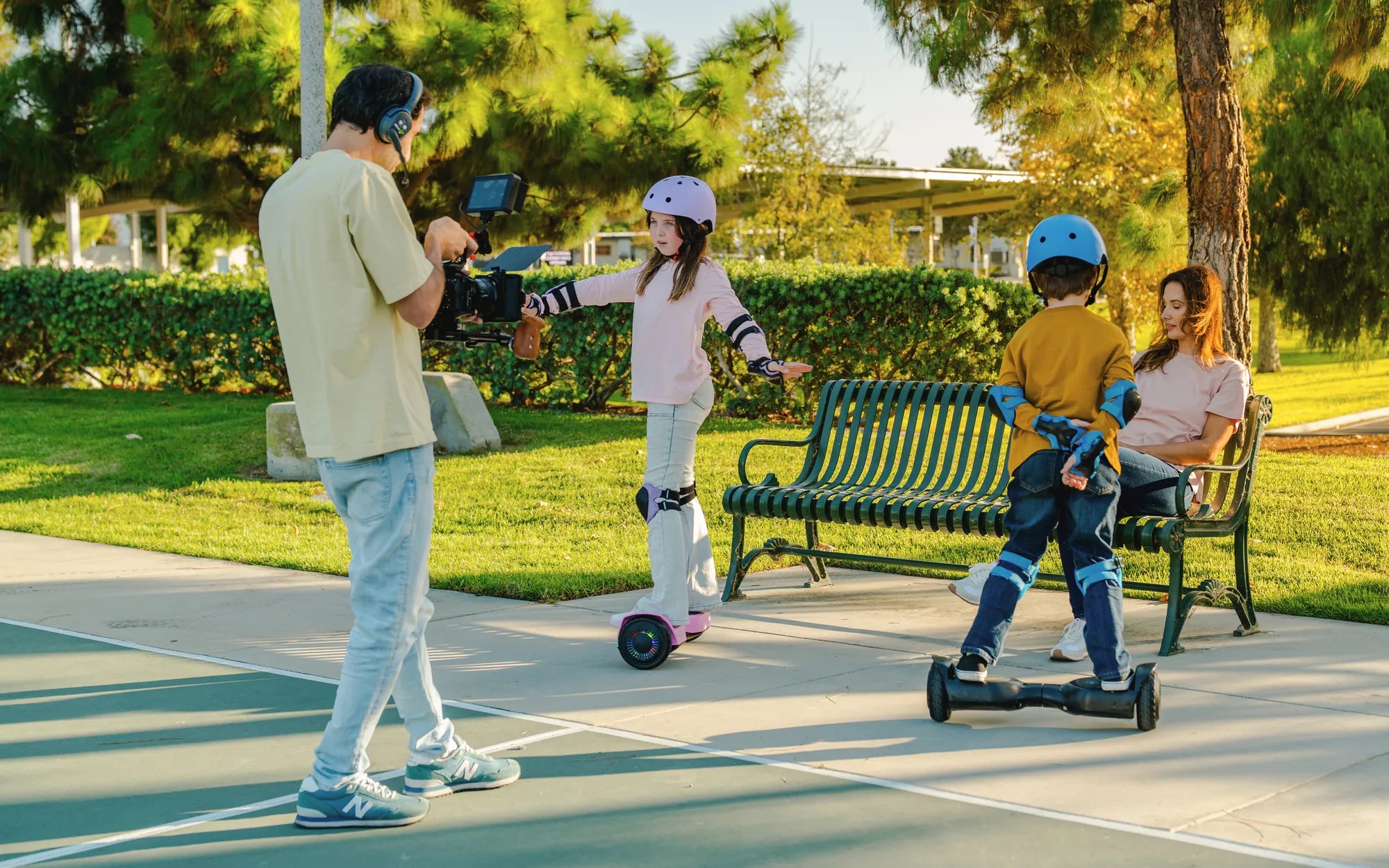
Why the Right Kids' E-Scooter Matters
Finding the best e scooter for kids is about more than just picking a fun toy. It's an investment in your child's independence, outdoor activity, and joy, but it must be underpinned by an unwavering commitment to safety. The wrong choice can lead to frustration, short-lived excitement, or worse, preventable accidents. This guide is designed to cut through the marketing noise and provide a clear, data-driven framework for parents.
You will learn to identify the non-negotiable safety features that protect your child. We'll break down how to match a scooter's specifications to your child's age, skill level, and size. Furthermore, we'll explore the critical importance of build quality and certified components, which are often the difference between a season of fun and a broken scooter—or a safety concern.
Our goal is to empower you with the knowledge to select a vehicle that offers exhilarating freedom while giving you, the parent, genuine peace of mind. The best e scooter for kids seamlessly blends durable construction, intuitive controls, and robust safety systems to create a responsible riding experience.
Key Safety Features Every Parent Must Check
Before considering speed or design, a scooter's safety architecture should be your primary focus. These components are the first line of defense in any riding scenario and are far more critical for young, developing riders than for adults.
A comprehensive safety system integrates multiple redundancies. This means if one system fails or is misapplied, another is immediately available. For children who are still mastering coordination and judgment, this layered approach is not a luxury—it's a necessity.
Braking Systems: Disc vs. Electronic & Foot Brakes
The braking system is the most critical safety feature. There are three main types: electronic (e-brake), disc brakes, and foot brakes. Electronic brakes use the motor to create resistance and slow the scooter, often activated by a lever. They provide smooth stopping power but can fade if the battery is very low.
Disc brakes, similar to those on bicycles, use a caliper to grip a rotor on the wheel. They offer strong, consistent braking performance in various conditions but require occasional adjustment. A simple foot brake, where the rider presses down on the rear fender, is a reliable mechanical backup.
For children, a dual-brake system is highly recommended. A common and effective combination is an electronic front brake paired with a rear foot brake. This gives the child two distinct methods to stop, teaching control and providing a fail-safe. The best e scooter for kids will prioritize this kind of redundant braking.
Speed Modes and Parental Controls
Unrestricted speed is a significant hazard for young riders. Responsible models feature multiple speed modes, typically a beginner mode (5-7 mph), an intermediate mode (8-10 mph), and a sport mode (10-15 mph). This allows skills to develop gradually in a controlled environment.
True parental controls go beyond simple mode switches. Look for scooters with password-protected settings via an app or a physical safety key that must be inserted to access higher speeds. This prevents a child from overriding limits without your knowledge. These features are essential for maintaining the defined parameters of safe operation as your child's confidence grows.
Stability and Design: Wheel Size, Deck, and Weight Limit
Stability is dictated by the scooter's physical design. Larger wheels (8.5 inches and above) roll over cracks and small obstacles more easily, providing a smoother, more stable ride than smaller, solid wheels. Air-filled (pneumatic) tires offer superior shock absorption compared to solid rubber ones.
The deck should be wide enough for both feet to stand comfortably with a slight stance, and it must have a pronounced, grippy surface to prevent slipping. Crucially, always choose a scooter with a maximum weight limit at least 30-50 lbs above your child's current weight. This ensures a safety buffer, accounts for growth, and prevents overstressing the motor and frame, which can lead to premature failure.
Durability and Build Quality: Withstanding Kid-Powered Adventures
Kids test limits, and their scooters will endure bumps, jumps, and the occasional crash. Durability isn't just about longevity; a well-built scooter maintains its structural integrity, which is directly linked to ongoing safety. Flimsy components can bend or break, creating sudden hazards.
High-quality construction uses materials and engineering designed for real-world use. This means reinforced stress points, reliable electrical connections, and components that can handle vibration and impact. Investing in durability means fewer repairs, greater reliability, and a scooter that remains safe throughout its lifespan.
Frame Material and IP Water Resistance Rating
The frame is the scooter's skeleton. Aerospace-grade aluminum alloy is the industry standard for high-quality models, offering an excellent strength-to-weight ratio. It resists corrosion, doesn't rust, and can withstand significant stress without permanent deformation.
Water resistance is vital for a child's outdoor toy. The Ingress Protection (IP) rating indicates protection against solids and liquids. An IPX5 rating, for example, means the scooter can withstand water jets from any direction. This level of protection, a standard for brands like Gyroor, allows riding through puddles or in light rain without worrying about immediate electrical damage, greatly enhancing the scooter's versatility and durability.
Battery Safety and Certification: The UL-Certified Advantage
The battery is the heart of the e-scooter and a paramount safety consideration. Not all batteries are created equal. UL (Underwriters Laboratories) certification is a rigorous, independent safety standard for battery packs. UL-certified batteries undergo extensive testing for overcharge, short circuit, crush, shock, and vibration.
This certification is a critical differentiator. It provides scientific assurance that the battery's design and construction mitigate fire and explosion risks. Brands that invest in UL certification, such as Gyroor, which uses UL-certified battery packs tested for over 500 charge cycles, demonstrate a fundamental commitment to safety that goes beyond marketing claims. For a parent, this offers irreplaceable peace of mind.
Choosing by Age and Skill Level: A Practical Guide
Matching the scooter to the child is the cornerstone of safety and enjoyment. A scooter that's too powerful or large is intimidating and dangerous. One that's too small or slow will be quickly outgrown and lead to boredom. This practical guide uses age as a starting point, but always consider your child's individual height, weight, coordination, and maturity.
Ages 6-8: Beginner Models (Key Specs to Look For)
For first-time riders, simplicity and stability are key. Look for models with a maximum speed capped at 10 mph, with a beginner mode as low as 5 mph. The minimum deck-to-handlebar height should allow the child to stand comfortably without excessive leaning.
Lightweight construction (under 20 lbs) is important so the child can maneuver it and a parent can easily carry it if needed. Adjustable handlebar height is a valuable feature to accommodate growth. A single, easy-to-use braking system (like a foot brake) or a very gentle electronic brake is sufficient, with a focus on intuitive operation over complex controls.
Ages 9-12: Intermediate Riders (Balancing Power and Control)
As skills develop, scooters can offer more capability. Models for this group may have speed caps up to 15 mph, with two or three distinct modes. A more powerful motor (250W-350W) provides better performance on gentle inclines.
Enhanced suspension systems (spring or rubber) become more common to improve comfort on varied terrain. The dual-brake system becomes essential here, as speeds are higher. Parental controls must be robust, as the temptation to test limits grows. Build quality and water resistance (like IPX5) are crucial for scooters that will see more adventurous use.
Pre-Teens and Teens: Advanced Options with Responsibility
For older, responsible riders, scooters can mirror adult models in range and features but must retain appropriate safety limits. Look for longer ranges (15+ miles), higher weight capacities (220+ lbs), and more sophisticated suspension.
Even at this level, a speed limiter (max 15-20 mph) is a wise safety feature. Disc brakes become more important for consistent stopping power at higher speeds. The emphasis shifts to durability, range, and ride quality, but the foundation of safety—through reliable brakes, a stable frame, and responsible speed management—remains non-negotiable.
<Top Picks and What Makes Them Stand Out
The following comparison highlights models that exemplify key principles for safety, durability, and age-appropriateness. This table provides a snapshot of how different scooters cater to specific needs.
| Model Category | Ideal Age Range | Key Safety Features | Max Speed | Standout Durability Feature |
|---|---|---|---|---|
| Young Beginner | 6-9 | Single foot brake, 3-speed modes, low center of gravity | 10 mph | Reinforced steel frame, solid rubber tires |
| Growing Rider | 8-12 | Dual brake (E-brake + foot), app-based parental lock, LED lights | 12.5 mph | IPX5 water resistance, aluminum alloy frame |
| Safety-Focused (Gyroor Example) | 10+ | UL-certified battery, dual disc brakes, password speed lock | 15 mph | Full IPX5 rating, 1-year comprehensive warranty |
Best for Young Beginners (Age 6-9)
A top beginner model emphasizes stability and simplicity. It features a lean-to-steer design that helps with intuitive balancing, a wide deck for confident footing, and a speed that starts very slow. The primary brake is often a large, easy-to-press foot brake. Its lightweight design ensures that spills are less daunting and the scooter is easy to handle, building confidence from the very first ride.
Best for Growing Riders (Age 8-12)
This category demands versatility. A standout model offers adjustable handlebars to grow with the child, a dual braking system for developing skill, and multiple speed modes managed by a parental PIN. Durability features like an IPX5 water-resistant rating (as found on Gyroor scooters) ensure it can handle adventures from sidewalk to park path. This type of scooter is a long-term companion, adapting to increasing skill and stature.
Best for Safety-Conscious Parents: Gyroor C Series
For parents where safety is the absolute priority, a model like the Gyroor C Series exemplifies the highest standards. Its foundation is the UL-certified battery pack, providing certified electrical safety. Coupled with a full IPX5 water-resistant build, it offers protection from the elements. The dual braking system (often disc + electronic) provides reliable stopping power.
These technical features are backed by a clear commitment: a 1-year warranty and accessible customer support. This combination of certified safety components, durable construction, and company accountability makes it a benchmark for the best e scooter for kids from a safety-engineering perspective.
Essential Riding Gear and Safety Rules
The safest scooter is only half of the equation. Proper gear and established rules form the essential behavioral framework that keeps your child safe. Instituting these habits from day one is as important as the purchase itself.
The Non-Negotiable Gear List: Helmet, Pads, and Visibility
A CPSC-certified bicycle helmet is mandatory for every single ride. It must fit snugly, sitting level on the head and covering the forehead. Knee and elbow pads are strongly recommended, especially for beginners; they prevent the most common scrapes and injuries during falls.
For visibility, bright or reflective clothing is key. Adding aftermarket reflective stickers to the scooter's deck or stem, or choosing a model with integrated front and rear LED lights, makes the rider visible to others, a critical factor when riding near driveways or in low-light conditions.
Establishing House and Road Rules
Clear, consistent rules set boundaries. Establish these before the first ride:
- Gear is non-negotiable: No helmet, no ride.
- Practice zones first: Start in empty parking lots, driveways, or smooth park paths away from traffic.
- No public roads: Stick to sidewalks, bike paths, or designated areas. Assume drivers cannot see you.
- Daylight riding only: Absolutely no riding at dusk or night.
- Be a polite pedestrian: On sidewalks, slow down and yield to walkers. Announce your presence politely when passing.
Maintenance 101: Keeping the E-Scooter in Top Shape
Regular, simple maintenance ensures the scooter performs safely and lasts for years. Involving your child in these checks teaches responsibility and mechanical awareness.
Pre-Ride Safety Checks
Make a quick visual and functional inspection a ritual before every ride:
- Brakes: Squeeze levers or press the foot brake. Ensure they engage firmly and the scooter stops smoothly.
- Tires: Check for proper inflation (if pneumatic) and look for cuts or excessive wear.
- Hardware: Gently try to wiggle the handlebars and stem. They should feel tight with no play.
- Lights: Test front and rear lights if equipped.
- General condition: Look for new cracks, loose wires, or damaged components.
Battery Care and Long-Term Storage Tips
Proper battery care maximizes its lifespan and safety. Always use the manufacturer-provided charger. Avoid leaving the scooter to charge unattended for extended periods past 100%. Do not expose the battery to extreme heat or cold for long durations.
For storage longer than a month (e.g., over winter), store the scooter in a cool, dry place. Ideally, the battery should be at a 50-70% charge state, not fully drained or fully charged, to minimize stress on the cells. Consult your manual for specific brand recommendations.
Frequently Asked Questions (FAQs)
What is the right age for a child's first e-scooter?
Most manufacturers design entry-level models for children aged 6 and up. The right age depends less on chronology and more on the child's physical coordination, strength to control the handlebars and brakes, ability to balance, and, crucially, maturity to understand and follow safety rules. A responsible 8-year-old beginner is often better suited than a impulsive 10-year-old.
Are electric scooters safe for kids?
Electric scooters can be safe for kids when the risk is managed through a multi-layered approach: 1) Choosing an age-appropriate scooter with essential safety features (speed limits, good brakes), 2) Mandating full protective gear (helmet, pads), 3) Providing active supervision and training, and 4) Enforcing strict riding rules in safe environments. Safety is the result of informed choices and consistent habits.
How important is the warranty and customer support?
Extremely important. A comprehensive warranty (like a 1-year coverage on frame, motor, and battery) is a direct reflection of the brand's confidence in its product's durability and a safeguard for your investment against manufacturing defects. Accessible, knowledgeable customer support is invaluable for troubleshooting, obtaining replacement parts, and getting guidance, ensuring your scooter remains functional and safe for its full lifespan.
Can my child ride an e-scooter in the rain?
This depends entirely on the scooter's IP water resistance rating. Scooters with a rating of IPX4 or higher (like IPX5) are designed to withstand water splashes and jets, making them suitable for riding through puddles and in light rain. Scooters without a stated IP rating should be kept completely dry, as water can damage electrical components and create a safety hazard. Always dry the scooter after wet rides.
How do I know if the scooter is the right size?
The right size is determined by handlebar height and deck size. When standing on the deck, the handlebars should be between your child's waist and lower chest, allowing a comfortable, slightly bent elbow grip. The deck should be large enough for both feet to stand side-by-side or in a natural forward stance without the heels or toes hanging off dangerously. Always respect the manufacturer's stated minimum and maximum rider height/weight guidelines.
Investing in Fun, Freedom, and Safety
Choosing the best e scooter for kids is a meaningful decision that balances the thrill of independent mobility with the imperative of safety. By prioritizing certified batteries like UL standards, robust braking systems, and water-resistant, durable builds, you select a vehicle built for real-world use. Matching the scooter's capabilities to your child's developmental stage ensures a positive, confidence-building experience.
Remember, the scooter itself is just the beginning. Your commitment to enforcing gear use and safe riding rules completes the safety ecosystem. This comprehensive approach transforms a simple purchase into an investment—an investment in outdoor play, developing responsibility, and creating joyful memories, all within a framework you can trust. The right e-scooter doesn't just provide a ride; it empowers adventure while anchoring it in security.
Ready to explore a range built with these principles in mind? Browse the full Gyroor collection, featuring UL-certified batteries, IPX5 water-resistant designs, and a commitment to safety, at gyroorboard.com.
Christmas Gift Ideas for 20 Year Old Boys: Unique and Trendy Picks for 2024
Christmas Gift Ideas for 20 Year Old Boys: Unique and Trendy Picks for 2024