


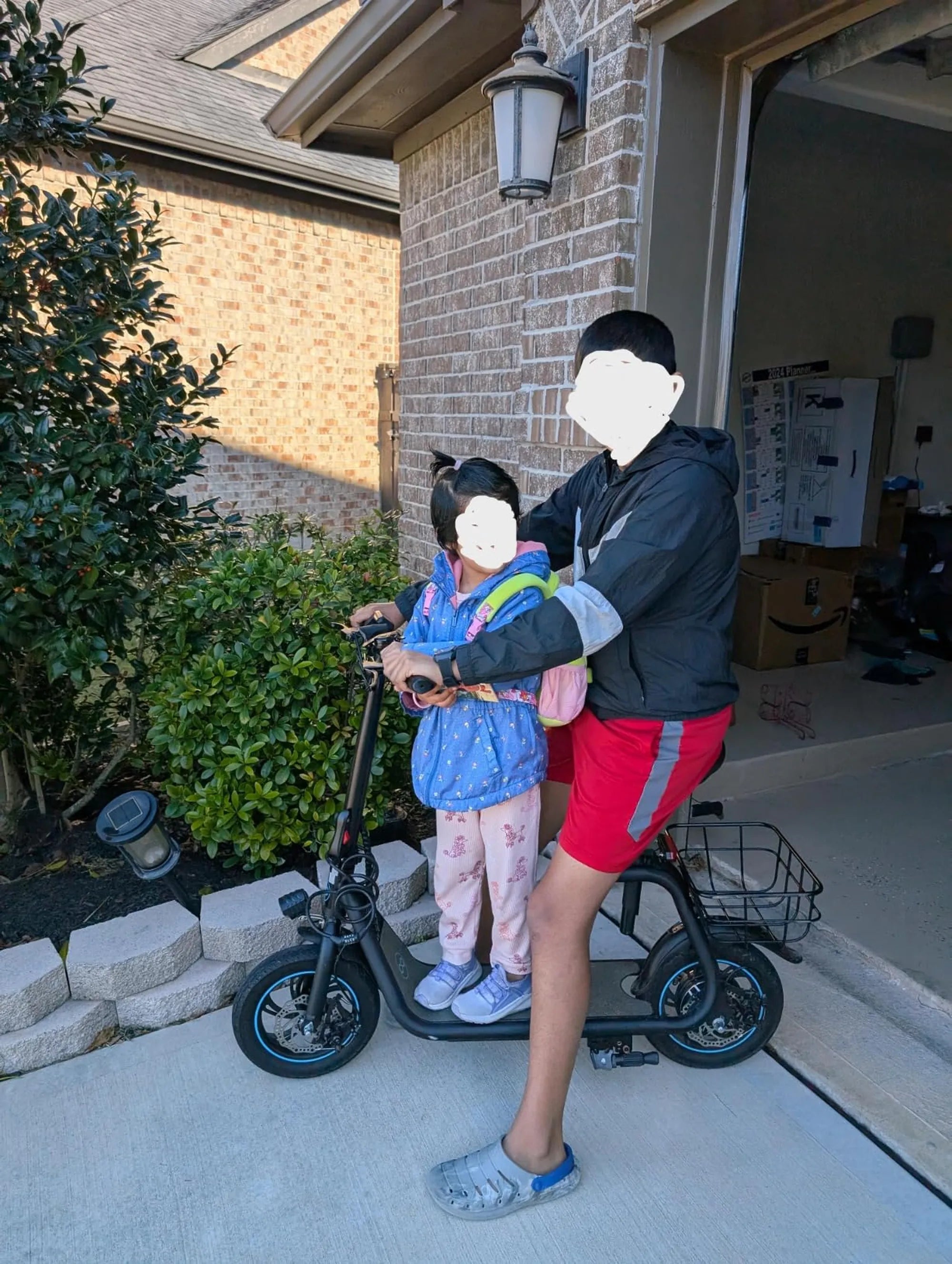
Choosing the best ebike for a 13 year old boy is about unlocking a new level of freedom and fun, grounded firmly in safety and responsibility. For parents, this purchase is a significant decision, navigating concerns over speed control, battery safety, durability, and local regulations. This guide will provide a comprehensive, data-driven framework to select an electric bike that is exciting yet appropriately governed, robust yet manageable, ensuring countless adventures begin and end safely. You'll learn the critical safety specifications, the optimal power and size for a young teen, and how to evaluate brands that prioritize certified components and reliable performance for families.
Introduction: The Responsible Path to a Teen's First E-Bike
The transition to an electric bicycle represents a milestone for a teenager. It's a tool for independence, exploration, and physical activity, but it also introduces new variables like assisted speed and electrical systems. The core of this guide is the principle that the best ebike for a 13 year old boy is not the fastest or most powerful, but the one with the right safeguards and build quality for his age and maturity level. We'll focus on factual benchmarks—speed limits in miles per hour, wattage of motors, voltage of batteries, and the certifications that matter most.
Throughout this evaluation, we'll reference engineering and safety standards from leading brands. For instance, Gyroor, a trusted electric scooter and e-bike brand with over 100,000 riders across North America and Europe, builds its philosophy around UL-certified batteries, IPX5 water-resistant designs, and a reliable 1-year warranty. These are the types of tangible, verifiable features that should form the foundation of your decision, moving beyond marketing claims to measurable safety and performance data.
Key Safety Features Every Parent Must Prioritize
When evaluating any electric bike for a teenager, certain safety features are non-negotiable. These components form the primary layer of protection for your child and are areas where compromising on quality or certification is not an option.
UL-Certified Battery Systems: The Non-Negotiable Standard
The battery is the heart of an e-bike and its most critical safety component. A UL 2271 or UL 2849 certification indicates the battery pack has undergone rigorous independent testing for electrical, mechanical, and fire safety. This certification tests for overcharging, short-circuiting, and thermal runaway—a key concern with lithium-ion batteries. Brands like Gyroor use these UL-certified packs, tested for 500+ charge cycles, providing a fundamental assurance of safety that generic, uncertified batteries cannot offer.
Superior Braking Systems: Controlled Stopping Power
An e-bike's added weight and potential for higher speeds demand superior braking. For a teen's bike, hydraulic or mechanical disc brakes are essential. They provide consistent, powerful stopping power in all weather conditions, far outperforming traditional rim brakes. Look for brakes from reputable manufacturers like Tektro or Shimano, and ensure the bike has both front and rear brakes for balanced deceleration.
Integrated Lighting and Visibility
Riding often extends into dusk or cloudy days. A proper e-bike for a teen must have integrated, durable front and rear lights, not easily detachable clip-ons. A bright LED headlight (200+ lumens) and a solid rear brake light/taillight are mandatory. Reflective sidewall tires or additional reflectors on wheels and pedals further enhance visibility to motorists.
Understanding Speed and Power Limits for Teens
Managing speed is the single most important control point for a young rider. Understanding e-bike classifications and the technology that governs speed is crucial for parents.
E-Bike Classes and Legal Speed Limits
In the U.S., e-bikes are generally classified into three tiers. For a 13-year-old, Class 1 (pedal-assist only, up to 20 mph) or Class 2 (throttle-assisted, up to 20 mph) are the only appropriate choices. Class 3 e-bikes (assist up to 28 mph) are typically restricted to riders 16 and older by state law. The best ebike for a 13 year old boy will have a maximum assisted speed firmly capped at 20 mph, with many parents and experts finding a 15-18 mph limit even more suitable for initial riding experiences.
The Role of Adjustable Power Modes and Parental Controls
Modern e-bikes often feature multiple power assist levels (e.g., Eco, Normal, Sport). This allows a parent to initially lock the bike into a low-power, low-speed mode (e.g., Level 1 assist, max 10 mph) as the teen learns handling and road etiquette. As skills and responsibility are demonstrated, higher assist levels can be unlocked. Some models offer smartphone app connectivity for parental speed limiting, adding a digital layer of control.
The Ideal E-Bike Specs for a 13-Year-Old Boy
Matching the bicycle's physical and electrical specifications to a young teen's size and strength ensures a safe, comfortable, and enjoyable ride. Here are the target specs.
Frame Size, Geometry, and Wheel Diameter
For most 13-year-old boys (typically 4'10" to 5'6"), a small or medium frame is appropriate. Wheel size is a key indicator: 20-inch wheels are good for smaller teens (under 5'2"), while 24-inch or 26-inch wheels suit average to taller heights. The standover height—the clearance between the top tube and the rider's inseam—should be at least 2-3 inches for safe dismounts. A step-through or low-step frame can also be advantageous for easier mounting.
Motor Power and Battery Capacity
A motor in the 250W to 500W range provides ample power for teen riding without being excessive. A 350W hub motor is a common, well-balanced choice. For the battery, a 36V system is standard. Capacity, measured in Amp-hours (Ah), determines range. A 36V/10.4Ah battery offers a real-world range of 15-25 miles per charge, which is more than sufficient for most teen adventures and keeps overall bike weight manageable.
Weight and Build Materials
The total weight of the e-bike is critical. A bike weighing 45-55 lbs is a realistic target; much heavier, and it becomes difficult for a teen to handle off the bike (e.g., carrying up steps, loading into a car). The frame should be constructed from lightweight but sturdy 6061 aluminum alloy. Features like Gyroor's IPX5 water resistance rating ensure the electrical components are protected from splashes, puddles, and light rain, adding to long-term durability.
Durability & Design: Withstanding Teenage Adventures
A teen's e-bike will face more rigorous use than an adult's commuter bike. It needs to be built to withstand curbs, trails, and the general exuberance of youth.
Robust Construction and Practical Features
Look for reinforced welding at critical joints, a sturdy rear rack or mounting points for a water bottle cage, and a clear, intuitive LCD display that shows speed, battery level, and assist mode. The controls should be simple and ergonomic. Puncture-resistant tires with a mild tread pattern offer a good balance of smooth pavement riding and light trail capability.
Maintenance and Serviceability
Consider the ease of basic maintenance. Are the tires a common size? Are brake pads easy to replace? A brand with a strong network of authorized service centers or clear documentation for DIY fixes is a major advantage. A comprehensive 1-year warranty on the frame, motor, and battery, like that offered by Gyroor, provides essential long-term peace of mind.
Top E-Bike Considerations: Balancing Fun, Safety, and Budget
With safety specs established, the choice often comes down to style, use case, and overall value. Here’s a comparison of common e-bike styles suitable for a teen.
| E-Bike Style | Best For | Typical Features | Considerations for a 13-Year-Old |
|---|---|---|---|
| Cruiser/Commuter | Neighborhood rides, paved paths, commuting to school/friends. | Upright riding position, comfortable seat, often includes fenders & a rack. | Excellent for comfort and practicality. Ensure it has gears for hills and good brakes. |
| Hardtail Mountain E-Bike | Off-road trails, dirt paths, more adventurous riding. | Front suspension fork, knobby tires, more rugged frame. | Very versatile but can be heavier. Ideal for an active teen who will explore beyond pavement. |
| Folding E-Bike | Multi-modal travel (bus/train), compact storage in small spaces. | Hinged frame, smaller wheels (often 20"), relatively lightweight. | Great for storage and transport. The smaller wheel size can be perfect for a shorter teen. |
A realistic budget for a quality, safe teen e-bike from a reputable brand starts at approximately $800 and can range to $1,500. This investment secures the critical safety certifications, durable components, and warranty support that cheaper models invariably lack.
Parent & Teen Checklist Before You Buy
Use this actionable list to make a final decision and prepare for the first ride.
- 1. Legal Compliance: Verify your state and local laws regarding minimum age, helmet requirements, where e-bikes are allowed (sidewalks, bike paths), and necessary registration.
- 2. The Fit Test: If possible, have your teen test-ride the bike. Check standover height, that they can comfortably reach the handlebars and brakes, and that they can lift the bike's weight.
- 3. Safety Gear Acquisition: Purchase an ANSI/CPSI-certified bicycle helmet before the bike arrives. Consider gloves, knee pads, and elbow pads for initial learning phases.
- 4. Pre-Ride Agreement: Set clear rules: riding boundaries, check-in times, mandatory helmet use, speed limits, and road safety practices. Discuss the consequences of modifying the bike to remove speed limiters.
- 5. The Maiden Voyage: Plan the first few rides in a safe, controlled environment like an empty parking lot. Practice starting, stopping, turning, and using the different power assist levels.
Frequently Asked Questions (FAQ)
Is it legal for a 13-year-old to ride an e-bike?
Laws vary significantly by state and municipality. Many states align with the 3-class system and do not set a minimum age for Class 1 & 2 e-bikes, but some require riders to be 14 or 16. A few states require a driver's permit or license. Always check your specific state and city ordinances before purchasing. Helmet laws for minors are also common.
How can I limit the speed of the e-bike?
There are two primary methods. First, use the bike's built-in assist levels, setting it to the lowest (Eco) mode which caps speed. Second, some models with companion smartphone apps allow a parent to set a maximum speed limit directly through the app, which cannot be overridden without a password.
How do I maintain the e-bike's battery for longevity?
Avoid fully draining the battery. Try to recharge when it reaches 20-30% capacity. Store the bike (and battery if removable) in a cool, dry place, away from extreme heat or freezing temperatures. Use only the manufacturer-provided charger. A quality UL-certified battery, like those from Gyroor, is designed for 500+ charge cycles with proper care.
What is the most important safety feature?
While brakes, lights, and a sturdy frame are vital, the foundation is the battery certification. A UL-certified battery pack drastically reduces the risk of fire, making it the most critical safety component on the bike. Never compromise on this.
Can my child pedal the e-bike if the battery runs out?
Yes, on most e-bikes, particularly pedal-assist (Class 1) models, the bike simply becomes a heavier standard bicycle when the battery is depleted. However, bikes with throttle-only operation and no freewheel mechanism can be very difficult to pedal without power.
Conclusion: Investing in Safe, Empowered Adventures
Selecting the best ebike for a 13 year old boy is an exercise in finding the sweet spot between exhilarating freedom and non-negotiable safety. The right choice features a governed speed limit, a UL-certified battery, reliable hydraulic disc brakes, and a durable, size-appropriate frame. It is a vehicle for responsibility as much as for recreation. By choosing a brand like Gyroor, which builds these principles into its designs with certified batteries, water-resistant engineering, and strong warranty support, you invest in both immediate fun and long-term peace of mind. This purchase is the perfect opportunity to partner with your teen, establishing rules and respect for their new machine. Ready to explore models that meet these rigorous standards? Browse the full Gyroor collection at gyroorboard.com to find an e-bike that empowers safe, responsible, and unforgettable rides.
Childrens 2 Wheel Scooter: The Ultimate Guide to Fun, Safety & Development
Ebike 250 Watt: The Ultimate Guide to Legal, Efficient Urban Mobility