

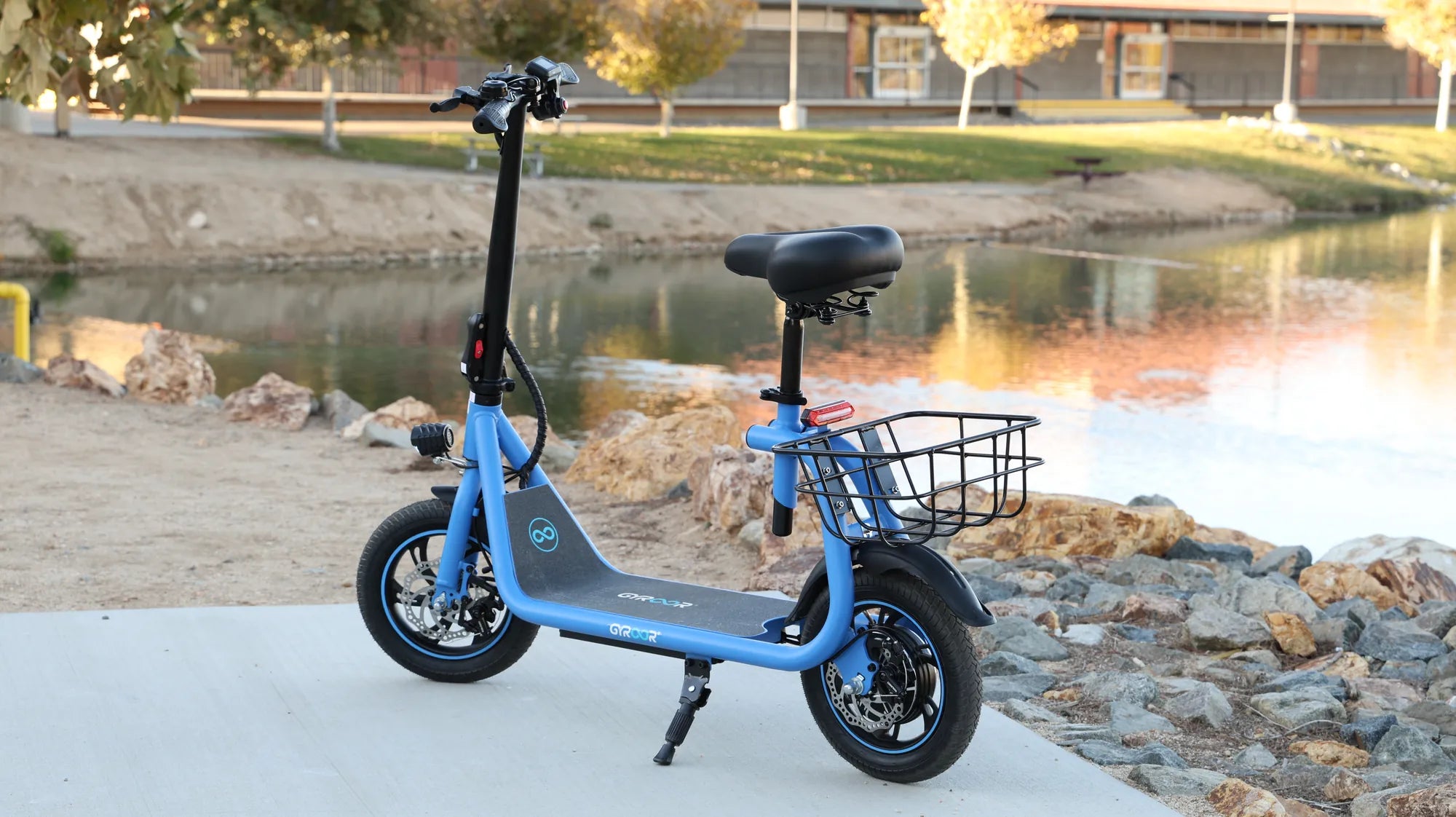
Choosing the best ebike for a 14 year old is about more than just picking a cool ride. It's a decision that grants your teen newfound independence, promotes an active lifestyle, and serves as a practical mode of transportation—all while demanding a serious focus on safety and reliability. With countless models on the market, parents need a clear, factual guide to navigate features, power ratings, and safety certifications. This article provides a detailed framework to help you select an age-appropriate, durable, and fun electric bike that your teenager will love and you can trust.
Key Considerations for a Teen's First E-Bike
Selecting an electric bicycle for a young rider is fundamentally different from choosing one for an adult. The primary factors revolve around controlled performance, physical fit, and built-in safety mechanisms. A 14-year-old is still developing coordination and judgment, so the bike must support safe learning and riding habits.
Parents should prioritize models designed with lower centers of gravity, manageable power delivery, and robust construction. The goal is to find a bike that feels confident and stable, not twitchy or overpowering. It's also crucial to consider the typical riding environment, whether it's suburban streets, park paths, or light trails, as this influences the ideal bike type.
Beyond the bike itself, establishing a budget that includes essential safety gear is vital. The initial purchase price is just one part of the cost of ownership. A holistic approach ensures the riding experience is both enjoyable and secure from the very first ride.
Safety and Build Quality as a Top Priority
When evaluating the best ebike for a 14 year old, safety is the non-negotiable starting point. This begins with the braking system. Hydraulic or mechanical disc brakes are essential, as they provide consistent, powerful stopping power in various weather conditions, far superior to traditional rim brakes.
The frame's construction and geometry are equally critical. Look for a sturdy aluminum alloy frame that can withstand the rigors of teen use. A step-through or low-step frame design can make mounting and dismounting easier, boosting confidence. Integrated front and rear lights are a must for visibility, and fenders help keep the rider clean and dry.
Electrical safety is paramount. Insist on brands that use UL-certified battery packs and battery management systems (BMS). This certification is a rigorous standard that tests for fire and electrical safety. Furthermore, a water-resistance rating of at least IPX5 for the battery and motor compartment protects against rain and puddle splashes, ensuring long-term reliability. Brands like Gyroor build these safety standards into their designs, offering peace of mind that the electrical components are as safe as the mechanical ones.
Age-Appropriate Power and Speed Management
Motor power is a key specification that must be age-appropriate. For most 14-year-olds, a motor in the 250W to 500W range is ideal. A 250W motor provides ample assistance for flat to moderately hilly terrain, helping with acceleration and climbs without being intimidating. A 500W motor offers more torque for steeper hills but should come with a reliable speed limiter.
Speed management is arguably more important than raw power. The best ebike for a 14 year old should have a top speed electronically limited to 20 mph (32 km/h) when using pedal assist. This aligns with Class 1 and Class 2 e-bike regulations in many areas and provides a thrilling yet controllable pace. A throttle-only mode, if present, should ideally have a separate, even lower speed limit to prevent abrupt, uncontrolled acceleration from a stop.
Look for bikes with multiple levels of pedal assist (PAS). This allows your teen to start at a low level (e.g., PAS 1) to get comfortable and gradually increase assistance as their skill and confidence grow. This feature teaches responsible power management and extends battery life.
The Right Fit: Frame Size and Adjustability
An improperly sized e-bike is difficult to control and unsafe. The correct fit allows the rider to place the balls of their feet on the ground when seated, ensuring stability at stops. For most 14-year-olds, wheel sizes of 20 inches or 24 inches are common, corresponding to small or medium frame sizes.
Standover height is the most critical measurement. Your teen should be able to stand over the top tube with at least 1-2 inches of clearance. A frame that is too tall compromises control and increases the risk of injury in a tip-over. Handlebar reach and seat height should also allow for a slight bend in the elbows and knees while riding.
Prioritize models with significant seat post and handlebar adjustability. Teens grow quickly, and a bike that can adapt over 12-18 months provides better value and safety. An adjustable stem can fine-tune the riding position from more upright (comfortable and visible) to slightly forward (efficient), catering to both casual rides and longer commutes.
Recommended E-Bike Types and Features for 14-Year-Olds
Not all e-bike styles are equally suited for teenage riders. The ideal categories balance practicality, durability, and a fun factor that resonates with this age group. The choice often comes down to the primary use case: daily commuting, weekend adventures, or a mix of both.
Focusing on models with purpose-built features for real-world use ensures the bike won't become a garage ornament. Essential accessories like integrated racks for school backpacks, sturdy kickstands, and comprehensive lighting systems should be considered part of the core package, not afterthoughts.
Weight is another crucial factor. While e-bikes are inherently heavier than traditional bikes due to the motor and battery, the best ebike for a 14 year old should not be excessively heavy. A bike weighing between 45-65 pounds is manageable for a teen to maneuver, lift onto a bike rack, or carry up a short flight of stairs if necessary.
Commuter/City E-Bikes: For Daily Reliability
Commuter or city e-bikes are excellent for teens who will primarily ride on paved surfaces to school, friends' houses, or local activities. These models prioritize efficiency, comfort, and practical features. They typically have lighter frames, narrower tires (around 2 inches wide) for low rolling resistance, and an upright riding posture that maximizes visibility in traffic.
Key features to seek include a rear cargo rack, full-length fenders, and integrated lights powered by the main battery. A rear rack allows your teen to securely strap down a backpack, eliminating the strain of carrying it and improving balance. Fenders are a simple but vital addition that keeps clothes clean from road spray.
For the school commute, consider a model with a removable battery. This allows for convenient charging indoors at a desk or locker, without needing to park the bike near an outlet. A commuter e-bike with a 250W-350W motor and a 10Ah-15Ah battery offers a perfect balance, providing a range of 20-40 miles per charge—more than enough for a week of short trips.
Fat Tire E-Bikes: For Adventure and Stability
For the teen drawn to exploration, a fat tire e-bike opens up more possibilities. Defined by tires that are 3.5 inches wide or larger, these bikes offer exceptional stability, traction, and shock absorption. They confidently handle grass, gravel, hard-packed dirt trails, and even sand or snow, making them a versatile four-season option.
The wide tire contact patch inspires confidence, especially for new riders, as it feels more planted and forgiving on uneven surfaces. The increased cushioning also makes for a noticeably smoother ride over cracks and bumps in urban settings. This style often features a more rugged, mountain-bike-inspired aesthetic that appeals to many teens.
When choosing a fat tire model for a young rider, ensure it still has appropriate speed limiting and a manageable weight. The added tire mass can make the bike heavier, so a robust motor (500W is common) is necessary for good performance. Look for models with hydraulic disc brakes to ensure reliable stopping power, which is even more critical with the increased momentum of a heavier bike.
Why Gyroor E-Bikes Are a Smart Choice for Families
When narrowing down the search for the best ebike for a 14 year old, brand reputation and commitment to safety become deciding factors. Gyroor, as a leading electric scooter and e-bike brand trusted by over 100,000 riders, engineers its products with families in mind. The focus is on delivering reliable, safe, and enjoyable mobility solutions that stand up to real-world use.
The brand's philosophy centers on certified quality and user-friendly design. From the selection of components to the final assembly, each step is geared towards creating a product that parents can feel good about and teens can rely on. This approach translates into specific features and policies that directly address the core concerns outlined in this guide.
Investing in a brand with a track record of customer satisfaction and robust support infrastructure means you're not just buying a bike; you're buying into a system designed for long-term ownership. This is crucial for a product that will be used actively by a teenager and needs to remain safe and functional over time.
Built-In Safety with UL-Certification and Water Resistance
The heart of any e-bike is its lithium-ion battery pack. Gyroor's use of UL-certified battery packs is a critical differentiator. UL certification involves rigorous testing for overcharge, short circuit, impact, and extreme temperature performance, significantly reducing any fire risk. These battery packs are also rated for 500+ charge cycles, ensuring long-term capacity and reliability.
Complementing the battery safety is an IPX5 water-resistant design for key electrical components. An IPX5 rating means the bike can withstand water jets from any direction, making it safe to ride in the rain or through puddles. This protection guards the motor, controller, and wiring harness against moisture ingress, which is a common cause of electrical failure in lesser-quality e-bikes.
This dual focus—on both the inherent safety of the energy source and the durability of the electrical system—creates a foundational layer of protection. It allows teens to enjoy their rides without parents worrying about the bike's core systems failing unexpectedly due to a manufacturing flaw or common weather exposure.
Peace of Mind with a 1-Year Comprehensive Warranty
A strong warranty is a testament to a company's confidence in its product. Gyroor backs its e-bikes with a 1-year comprehensive warranty that covers the frame, motor, battery, and controller against manufacturing defects. This warranty provides a clear safety net during the critical first year of ownership, when any issues related to materials or workmanship are most likely to appear.
Beyond the warranty period, access to knowledgeable customer support and available replacement parts is essential. The ability to easily source a new charger, a replacement brake pad, or a specific bolt ensures the bike can be maintained properly for years. This support structure turns the e-bike from a disposable gadget into a maintainable vehicle.
For parents, this warranty and support network translate directly into peace of mind. It means that if a problem arises, there is a clear path to resolution without incurring significant unexpected costs. This makes the initial investment more secure and predictable.
Parent's Guide: Rules, Riding Etiquette, and Gear
Providing the best ebike for a 14 year old is only the first step. Establishing a framework for safe and responsible riding is what turns a great gift into a positive, lasting experience. This involves setting clear rules, educating your teen on local laws, and equipping them with the right protective gear.
Open communication about responsibilities is key. The e-bike is a privilege that comes with expectations for care, safe operation, and respect for others on the road and pathway. Creating a simple rider agreement can formalize these expectations and provide a reference point for ongoing discussions about safety.
Leading by example is powerful. If you ride, demonstrate safe habits. If not, take the time to learn the rules of the road together. Your involvement shows that you take their new activity seriously and are invested in their well-being.
Understanding Local Laws and Helmet Requirements
E-bike laws vary significantly by state, province, and even municipality. Before the first ride, you must research and understand the local regulations. Key questions to answer: What are the age restrictions for operating an e-bike? Is a helmet legally required for all ages or only for minors? Where are e-bikes allowed (sidewalks, bike paths, roads)? Are there specific equipment requirements like a horn or speedometer?
A helmet is non-negotiable, regardless of the law. Invest in a properly fitted bicycle helmet that meets CPSC (U.S.) or CE (Europe) safety standards. It should sit level on the head, with the strap snug under the chin. Consider additional gear like riding gloves for better grip and protection in a fall, and durable, closed-toe shoes.
Education is part of compliance. Ensure your teen understands why the laws exist—for their safety and the safety of others. Explain the differences between e-bike classes (1, 2, 3) and how their bike is classified, as this dictates where it can be ridden legally.
Establishing Ground Rules for Safe Riding
Clear, consistent house rules create a culture of safety. Start with a mandatory pre-ride checklist: check tire pressure, test brakes, ensure lights are functional, and verify the battery has sufficient charge. This ritual builds responsibility and prevents mechanical issues during a ride.
Establish rules for riding behavior: always use hand signals, obey all traffic signs and signals, ride defensively and predictably, never use headphones or a phone while riding, and maintain a safe speed for the conditions. Discuss the importance of being hyper-aware at intersections and driveways, where most collisions occur.
Set boundaries for where and when they can ride. Define approved routes, perhaps using a mapping app together. Establish a check-in policy for longer rides and a strict rule against riding after dark unless absolutely necessary and with high-visibility clothing. Finally, set clear guidelines for where and how to park and lock the bike to prevent theft, and establish safe charging practices (e.g., never charge unattended overnight or near flammable materials).
Comparison of E-Bike Features for Teen Riders
| Feature | Commuter/City E-Bike | Fat Tire E-Bike | Why It Matters for a 14-Year-Old |
|---|---|---|---|
| Primary Use | Paved roads, bike paths, school commute | Mixed terrain, trails, grass, all-weather | Defines the bike's versatility and where it can be ridden safely. |
| Tire Width | 1.75" - 2.5" | 3.5" - 4.0"+ | Wider tires offer more stability and comfort on rough surfaces. |
| Motor Power | 250W - 350W | 500W - 750W | Sufficient power for hills without being excessive; fat tires need more torque. |
| Ideal Top Speed | 20 mph (Limited) | 20 mph (Limited) | A controlled top speed is essential for safety and legal compliance. |
| Key Features | Fenders, rack, lights, lighter weight | Suspension, rugged frame, all-terrain capability | Accessories like racks add practicality; suspension smooths out bumps. |
| Best For Teen Who... | Needs a reliable daily driver for structured routes. | Wants to explore off pavement and values a stable, confident ride. | Matches the bike to the rider's personality and typical activities. |
Frequently Asked Questions (FAQ)
Is an e-bike safe for a 14-year-old?
Yes, an e-bike can be very safe for a 14-year-old when the right model is selected and proper safety practices are followed. The key is choosing a bike with age-appropriate power (250W-500W), a speed limiter (capped at 20 mph), reliable disc brakes, and a sturdy frame that fits the rider correctly. Combining this with a high-quality helmet, rider education, and clear ground rules creates a safe environment for enjoying the benefits of electric mobility.
What is a good top speed for a teen's e-bike?
A top speed of 20 mph (32 km/h) under pedal assist is widely considered the appropriate and safe maximum for a 14-year-old. This speed is fast enough to be fun and practical for commuting but slow enough to allow for reasonable reaction times. Many local laws define Class 1 and Class 2 e-bikes with this 20 mph limit, making it a standard that ensures legal compliance on public paths and roads.
How do I maintain the e-bike's battery?
Proper battery maintenance maximizes its lifespan and safety. Follow these core tips: 1) Avoid letting the battery fully discharge; try to recharge when it reaches 20-30%. 2) Do not leave the battery fully charged at 100% for extended periods (weeks); for storage, a 50-60% charge is ideal. 3) Use only the manufacturer-provided charger. 4) Store and charge the battery in a cool, dry place, away from direct sunlight or extreme temperatures. 5) Periodically check the battery casing and connections for any signs of damage.
Can my child ride it to school? What should they carry?
In most areas, yes, a 14-year-old can ride an e-bike to school, but you must verify specific school district policies and local laws. Many schools have rules about where e-bikes can be parked (often in bike racks). For the ride, they should always carry a U-lock or heavy-duty chain lock to secure the frame and rear wheel. A rear rack with bungee cords or panniers is perfect for carrying a backpack, keeping their hands free and their balance stable. A small tire repair kit and a mini pump are also wise additions.
How important is the weight of the e-bike?
Weight is a very important consideration. E-bikes are heavier than traditional bikes due to the motor and battery. A bike between 45-65 pounds is manageable for an average 14-year-old to control, especially at low speeds and when parking. An excessively heavy bike (over 70 lbs) can be difficult to handle during a sudden stop, when maneuvering in tight spaces, or if it needs to be carried up a curb or stairs. Lighter bikes made with aluminum alloys offer better handling and are generally preferred for younger riders.
Empowering Independence the Right Way
Selecting the best ebike for a 14 year old is a meaningful decision that blends practicality with the excitement of granting new freedoms. The optimal choice prioritizes certified safety features like UL-approved batteries and robust brakes, matches manageable motor power and speed limits to the rider's skill, and ensures a proper, adjustable fit for growing teens. By focusing on reputable brands that stand behind their products with strong warranties and support, parents can invest with confidence.
This investment goes beyond the bike itself—it's an investment in responsibility, outdoor activity, and eco-friendly transportation. A well-chosen e-bike becomes a tool for building confidence, exploring the community, and developing lifelong habits of independent mobility. The framework of safety rules and protective gear ensures this independence is exercised wisely.
Ready to explore models that meet these rigorous standards for safety, performance, and teen-friendly design? Browse the full Gyroor collection at gyroorboard.com to find an electric bike that delivers certified quality, reliable performance, and the fun of the ride your teenager deserves.
Affordable Dirt Bike for Kids Gifts: The Ultimate Parent's Guide to Value & Safety
Best E-Bike for 11 Year Old: The 2024 Guide to Safety, Fit, and Fun