



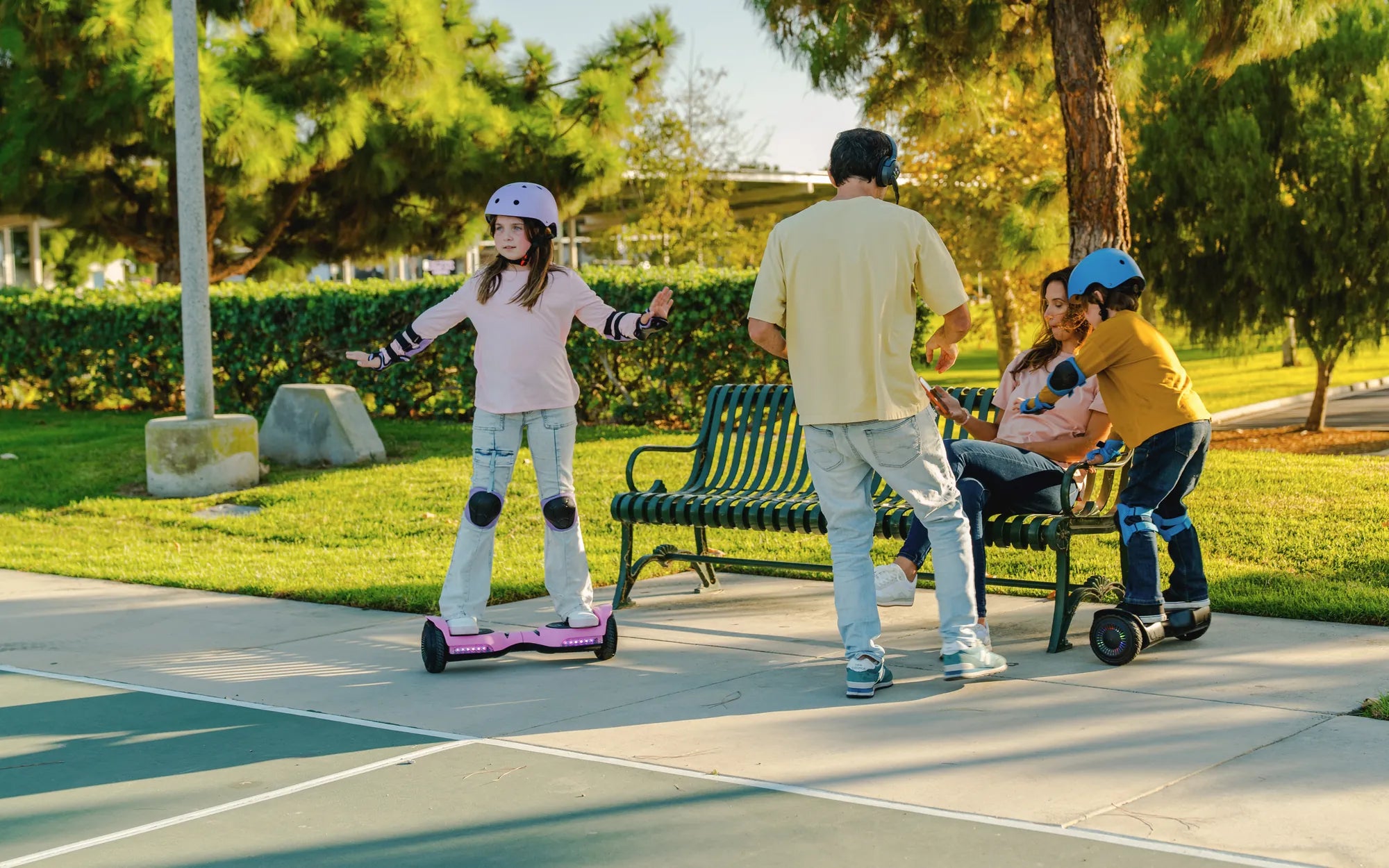
Choosing the best electric scooter for kids is a decision that blends practicality with excitement. Your child sees adventure and freedom; you see potential risks and a significant investment. This guide cuts through the noise, providing a data-driven framework to select a scooter that delivers joy without compromising on critical safety standards. We will analyze the non-negotiable safety features, match scooter specifications to age and skill level, outline essential riding rules and gear, and explain why trust in a brand's engineering is paramount. By the end, you'll be equipped to make an informed choice that lets your child explore with confidence.
Key Safety Features Every Parent Must Check
Safety begins with the scooter's core components. Prioritizing these features separates reliable, durable models from those that pose unnecessary risks. Specifications are not just marketing points; they are direct indicators of a product's safety pedigree and long-term viability.
Look for clear documentation on motor power, battery certification, braking systems, and weight limits. A lack of transparent specs is a major red flag. Established brands build their reputation on these details, providing the foundation for a safe riding experience that grows with your child.
UL-Certified Battery: The Non-Negotiable Foundation
The battery is the heart of an electric scooter and its most critical safety component. A UL-certified lithium-ion battery pack has undergone rigorous independent testing by Underwriters Laboratories for hazards like overheating, short-circuiting, and thermal runaway. This certification is your best assurance against fire risk.
Gyroor, for instance, uses exclusively UL-certified battery packs tested for over 500 charge cycles. In contrast, uncertified batteries from unknown suppliers are a common failure point in lesser-quality products. Always verify this certification; it is a baseline for responsible manufacturing and your family's peace of mind.
Speed Settings and Parental Controls
Adjustable speed modes are essential for matching the scooter's performance to your child's skill level. Beginner modes should cap speed between 5-7 mph, allowing mastery of balance and braking. Intermediate and advanced modes can unlock higher speeds only when the rider is ready.
Effective parental controls go beyond a simple button. Look for features like a dedicated speed-limit key, PIN-code activation, or app connectivity that allows remote locking and speed setting. These controls prevent unauthorized use and let you gradually increase performance as your child demonstrates responsible riding habits.
Braking System: Reliable Stopping Power
A responsive, intuitive braking system is crucial for preventing collisions. For kids, the best systems offer progressive stopping power without being overly abrupt. Common types include electronic (e-brakes), disc brakes, and foot/fender brakes.
Electronic brakes engage the motor to slow down and are often smooth. Disc brakes provide strong, consistent stopping power in various conditions but require occasional adjustment. A foot brake pressed against the rear wheel is a simple, reliable mechanical backup. Many quality scooters, like several in Gyroor's lineup, combine multiple systems (e.g., electronic + disc) for redundancy and enhanced safety.
Build Quality, Weight Limit, and Stability
A scooter's frame material and construction directly impact its stability and durability. Aircraft-grade aluminum alloy frames offer an optimal balance of strength and light weight. The deck should have a textured, non-slip surface, and the handlebars must be securely fastened with a locking mechanism.
Always adhere to the manufacturer's stated maximum weight limit. Exceeding it stresses the frame, motor, and battery, compromising safety and performance. A well-built scooter will have a clear weight capacity, often 20-30% above the target age group's average weight, providing a necessary safety buffer.
Choosing the Right Scooter by Age and Skill Level
Matching scooter specifications to your child's physical development and coordination is the single most effective way to ensure a positive, safe experience. A scooter that's too powerful or large can be intimidating and dangerous, while one that's underpowered will quickly be outgrown.
This age-bracketed guide uses wheel size, motor power, speed, and design features as primary decision factors. Consider your child's prior experience with balance scooters or bicycles as a key indicator of readiness.
Ages 6-8: Beginners Focused on Stability and Control
For first-time riders, stability and ease of use are paramount. Look for models with smaller wheel diameters (6-7 inches), a low deck height for easy foot placement, and a maximum speed capped at 7-10 mph. A wider wheelbase and handlebar improve balance.
The scooter should be lightweight enough for the child to maneuver and carry if needed. Motors in the 100-150W range are sufficient. Features like a kick-start function (requiring a push to start) prevent sudden, jerky acceleration. Parental speed-lock keys are essential at this stage.
Ages 9-12: Intermediate Riders Seeking More Adventure
Kids in this group have better balance and coordination, ready for more capability. Scooters with 8-inch pneumatic (air-filled) tires better absorb bumps and provide traction. Motor power can range from 150W to 250W, with top speeds adjustable up to 15 mph.
Suspension systems (spring or rubber) become valuable for comfort and control on varied surfaces. Braking systems should be more robust, often featuring a combination of electronic and disc brakes. Enhanced durability for more active use is a key consideration.
Teens 13+: Advanced Models for Commuting and Fun
For responsible teens, scooters can serve as legitimate transportation for short commutes. Look for longer range (12+ miles), higher weight capacity (220+ lbs), and motors of 250W or more to handle moderate inclines. Maximum speeds may reach 16-19 mph, making advanced braking and brighter LED lighting systems critical.
Features like app connectivity for ride tracking, cruise control, and customizable settings add appeal. However, the core safety technology—battery certification, robust frame, and reliable brakes—must remain non-negotiable, even as performance increases.
Beyond the Scooter: Essential Gear and Riding Rules
The safest scooter is only one part of the equation. Proper protective gear and established riding rules form an essential ecosystem for child safety. Enforcing these standards from day one sets a precedent for responsible riding behavior that lasts.
Consistency is key. Make gear mandatory for every ride, no matter how short, and be clear about the consequences for breaking established rules. Your vigilance as a parent is the most important safety feature of all.
The Non-Negotiable Safety Kit: Helmet, Pads, and Lights
A CPSC-certified bicycle helmet is an absolute must. It should fit snugly, sitting level on the head and covering the forehead. Consider multi-impact helmets designed for skateboarding for added protection.
Knee and elbow pads are highly recommended, especially for beginners. Wrist guards are arguably the most important pad after a helmet, as falls often involve outstretched hands. For visibility, the scooter should have integrated front and rear lights. Adding reflective stickers or a reflective vest significantly improves safety during dusk or daytime overcast conditions.
Setting Ground Rules: Where and How to Ride Safely
Establish a clear riding protocol. Designate practice zones: empty parking lots, smooth park paths, or quiet cul-de-sacs with adult supervision. Strictly prohibit riding on roads with vehicle traffic, on wet or oily surfaces, or in the dark.
Rules should include: always riding solo (no passengers), keeping both hands on the handlebars, avoiding distractions like headphones, and using hand signals for turns when on shared paths. Teach your child to regularly scan for obstacles like cracks, gravel, and pedestrians.
Why Scooter Specifications Matter: A Comparative Analysis
Understanding how specifications interact helps you decode product descriptions. The table below compares typical specs across age categories and highlights how they translate to real-world use and safety.
| Feature | Ages 6-8 (Beginner) | Ages 9-12 (Intermediate) | Ages 13+ (Advanced) | Safety & Performance Impact |
|---|---|---|---|---|
| Motor Power | 100W - 150W | 150W - 250W | 250W - 350W | Determines acceleration & hill capability. Higher power requires more responsible control. |
| Max Speed | ≤ 10 mph | ≤ 15 mph | ≤ 19 mph | Must be adjustable. Higher speeds demand better brakes, gear, and rider judgment. |
| Wheel Type/Size | 6-7" Solid | 8" Pneumatic | 8.5"+ Pneumatic | Larger, air-filled tires improve comfort, traction, and shock absorption on bumps. |
| Braking System | Electronic + Foot | Disc + Electronic | Dual Disc / Regenerative | Redundant systems (multiple brakes) are safer. Disc brakes offer more consistent stopping power. |
| Battery Range | 6-8 miles | 8-12 miles | 12-18 miles | Teaches range management. Use only the manufacturer-provided UL-certified charger. |
| Key Feature | Speed-lock Key | Shock Absorption | App Connectivity | Beginner: Limits. Intermediate: Comfort. Advanced: Customization & tracking. |
Gyroor's Commitment: Engineering Trust for Your Child's Ride
Trust in a children's product is earned through transparent engineering, rigorous testing, and reliable support. Gyroor's design philosophy centers on building this trust by integrating certified safety components into scooters that are genuinely fun to ride.
With over 100,000 riders across North America and Europe and a 4.5/5 average rating, Gyroor's focus on UL-certified batteries, IP-rated water resistance, and robust warranties addresses the core concerns of safety-conscious parents directly.
IPX5 Water Resistance: Protection Against Everyday Adventures
An IPX5 water-resistance rating means the scooter's electrical components are protected against low-pressure water jets from any direction. In practical terms, this allows riding on damp pavement, through puddles, or in light rain without risking immediate damage.
This engineering spec significantly increases the scooter's durability and reliability, preventing common failures from water ingress. It acknowledges that kids will ride in real-world conditions, and the scooter should be built to handle occasional splashes without compromising electrical safety.
The 1-Year Comprehensive Warranty and Accessible Support
A strong warranty is a manufacturer's vote of confidence in its product. Gyroor's standard 1-year warranty covers the battery, motor, controller, and frame—the core components that matter most. This provides tangible protection for your investment.
Beyond the warranty, accessible customer support is crucial. The availability of US-based support teams means easier communication, faster troubleshooting, and readily available parts, ensuring the scooter remains operational and safe throughout its lifespan.
Maintenance Checklist: Keeping the Scooter Safe and Reliable
Regular, simple maintenance is vital for ongoing safety and performance. A five-minute pre-ride check can identify issues before they become hazards. Involve your child in this process to teach responsibility for their equipment.
Establish a weekly or bi-weekly routine for more thorough checks. Always refer to the user manual for model-specific instructions and only use the provided charger.
Pre-Ride Check (30 Seconds):
- Tires: Visually inspect for excessive wear or damage. For pneumatic tires, check pressure with a gauge.
- Brakes: Squeeze the brake lever to ensure it engages firmly and stops the wheel completely.
- Fasteners: Give the handlebar, stem, and folding mechanisms (if present) a shake to check for looseness.
- Lights: Test front and rear LEDs.
Weekly/Bi-Weekly Maintenance:
- Tighten all bolts and screws with the provided tools.
- Clean the deck and wheels with a damp cloth to remove dirt and debris. Avoid high-pressure water.
- Check the brake pads for wear and adjust brake cable tension if needed.
- Inspect the battery compartment and charging port for any debris or damage.
Parent FAQs: Quick Answers to Common Concerns
Q1: What is the appropriate age for a child's first electric scooter?
Most children are ready between ages 6 and 8, provided they have good balance (often from bicycle experience), the coordination to operate a thumb throttle and brake, and the maturity to understand and follow safety rules. Always assess your individual child's readiness.
Q2: How long does the battery last, and what's the charge time?
Range varies by model, rider weight, and terrain. Beginner models typically offer 6-8 miles per charge, while advanced models can reach 12-18 miles. Average charge time is 3-5 hours. Always use the manufacturer-provided UL-certified charger and never leave the scooter charging unattended or overnight.
Q3: Are Gyroor scooters easy to assemble?
Yes, most require minimal assembly—often just attaching the handlebar to the stem and tightening a few bolts. All necessary tools are included in the box. The process usually takes under 10 minutes, and detailed instructions are provided.
Q4: Can the scooter handle hills?
Motor power and rider weight are the key factors. A 150W motor may handle gentle slopes for a lightweight rider, while a 250W+ motor is needed for moderate inclines. Check the product specifications for hill grade capability (e.g., 15%). Teach your child to reduce speed when approaching hills.
Q5: What is the most important safety feature?
While all features work together, the UL-certified battery is the foundational safety component, mitigating fire risk. Following closely are a reliable braking system and the use of a certified helmet by the rider.
Q6: How do I store the scooter safely?
Store in a dry, cool place away from direct sunlight and extreme temperatures. Do not store it with a fully depleted or 100% charged battery for extended periods; a 50-80% charge is ideal for storage. Keep it away from flammable materials.
The Final Verdict: Confidence is the Best Feature
Selecting the best electric scooter for kids is an exercise in balancing exhilaration with precaution. The right choice empowers your child with independence and outdoor fun while giving you confidence through verified safety engineering, age-appropriate design, and a culture of safe riding habits.
This confidence is ultimately the most valuable feature. It comes from choosing a brand like Gyroor, where UL-certified batteries, IPX5 water resistance, robust construction, and strong customer support are standard. It comes from enforcing helmet use and practicing in safe zones. When these elements align, the electric scooter transforms from a simple toy into a tool for adventure, responsibility, and joyful exploration.
Ready to explore models that put safety and fun on equal footing? Browse the full collection of UL-certified, family-tested electric scooters and e-bikes at gyroorboard.com.
Christmas Gift List for Kids: The Ultimate Guide to Holiday Cheer
Self-Balance Electric Hoverboard: The Future of Personal Transportation