


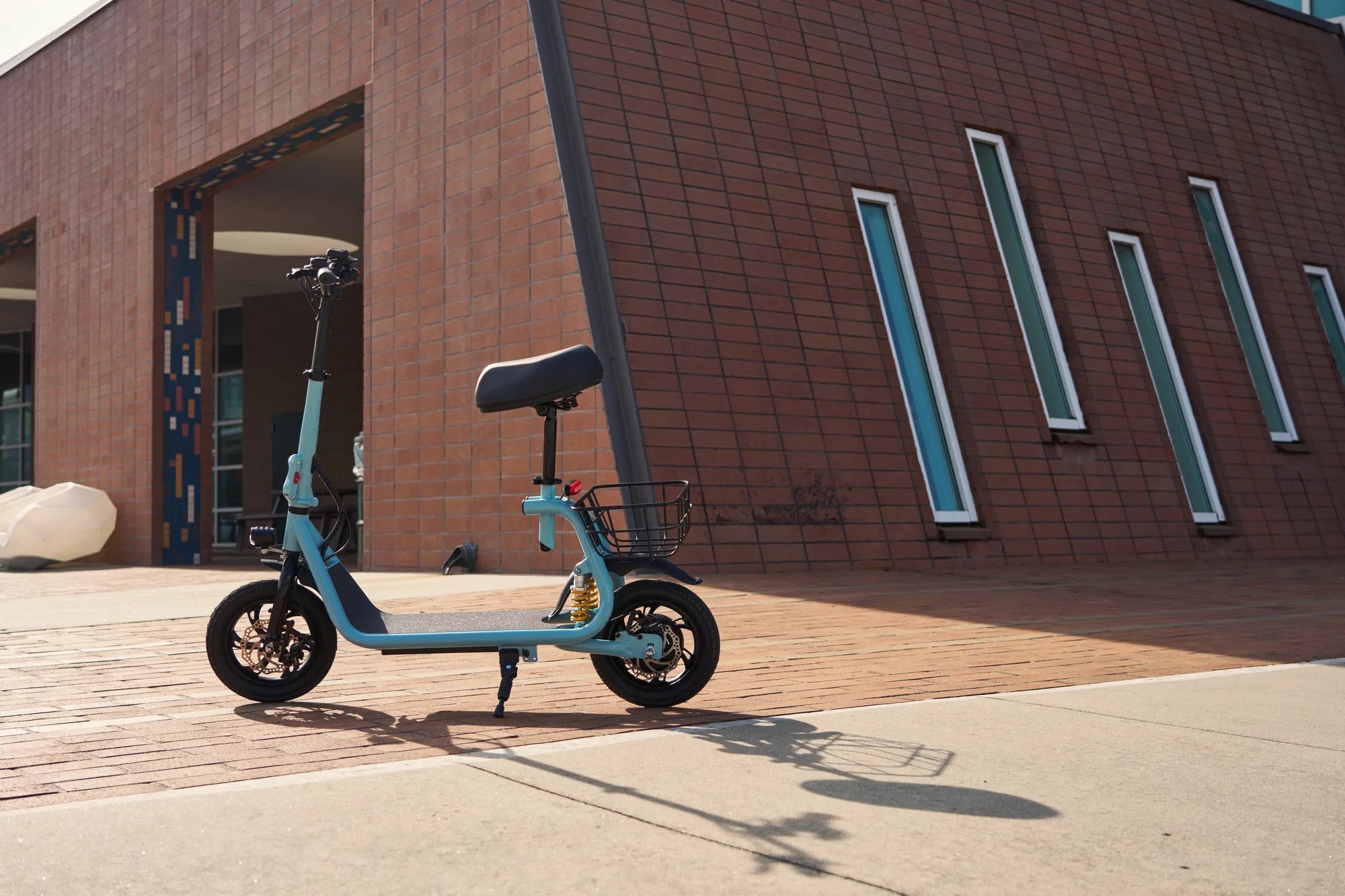
Navigating the European E-Scooter Landscape
Electric scooters have transformed urban mobility across Europe, driven by congestion charges, environmental initiatives, and the demand for efficient last-mile transport. Choosing the right model requires understanding a complex matrix of local laws, city terrain, and personal commute needs. This guide cuts through the noise to help you find a scooter that is not only high-performing but also fully compliant and practical for daily European life.
European regulations are a primary differentiator from other markets. Many countries enforce strict speed and power limits, making universal 'best' lists often irrelevant. Your perfect scooter for Barcelona may be illegal in Berlin. We focus on models that prioritize safety, durability, and adherence to common European standards.
Beyond legality, the European urban environment presents unique challenges. Cobblestone streets, frequent rain, and the need to integrate with public transport are daily realities. A scooter must be robust, water-resistant, and portable. Leading brands like Gyroor design for these conditions, offering UL-certified batteries and IPX5 water-resistant builds trusted by over 100,000 riders across North America and Europe.
This article provides a structured framework for your decision. We will break down critical considerations, decode technical specifications, and present top picks tailored to specific European commuting scenarios. The goal is to equip you with the knowledge to invest confidently in your urban mobility future.
Key Considerations Before Buying in Europe
Purchasing an electric scooter in Europe requires a more nuanced approach than simply comparing top speeds and ranges. You must align your choice with a triad of local legality, physical environment, and lifestyle logistics. Ignoring any one of these can lead to fines, an uncomfortable ride, or a scooter that spends more time in storage than on the street.
The continent's diversity is its charm and your primary challenge. A commute in flat Amsterdam differs vastly from one in hilly Lisbon. Similarly, a rider in rainy Glasgow has different core needs than one in sunny Madrid. Your pre-purchase research must be hyper-localized to ensure a seamless and legal riding experience.
We recommend starting with your city council's transportation website for the definitive legal word. Then, honestly audit your daily route for distance, incline, and surface type. Finally, consider where you will store and charge the scooter. This holistic assessment forms the foundation for a smart purchase.
Local Laws and Regulations
European e-scooter law is a patchwork of national and municipal rules, with strict enforcement in many cities. A common framework is emerging, but variances are critical. Typically, e-scooters are limited to 25 km/h (15.5 mph) for road use, with some countries allowing a slightly higher 20 mph (32 km/h) mode on private land.
Power output is often capped, commonly at 500W continuous power. Riding on sidewalks is almost universally prohibited, with designated bike lanes being the preferred path. Helmet laws vary; while not always mandatory for adults, they are strongly recommended. Age restrictions, insurance requirements, and lighting standards also differ.
For instance, Germany requires a handlebar bell and two independent braking systems. France mandates specific insurance. Always verify the latest regulations for your specific city and country before purchasing. A non-compliant scooter is not just illegal—it's a potential liability.
Terrain and Commute Profile
Your daily route dictates your scooter's necessary capabilities. Map your commute and note the total distance, the steepest hill, and the road surface quality. A 5 km flat commute on smooth asphalt has vastly different requirements than a 10 km hilly route over cobblestones.
For cities with historic centers like Prague or Brussels, suspension and larger, air-filled tires are essential to absorb vibrations from uneven surfaces. Hilly cities such as Edinburgh or Zurich demand a motor with strong torque and adequate power (within legal limits) to maintain speed on inclines without straining the battery.
Consider weather patterns. If you commute year-round in Copenhagen or London, a high IP (Ingress Protection) rating for water and dust resistance is non-negotiable. A scooter with an IPX5 rating, like those in the Gyroor lineup, can handle riding in rain and through puddles, a crucial feature for reliable daily transport.
Portability and Public Transport Integration
The true utility of an e-scooter in Europe often lies in multi-modal commuting. The ability to fold your scooter and carry it onto a bus, tram, or train extends your range and flexibility. Therefore, weight and folded dimensions are critical specs.
For this use case, target scooters under 13 kg (28.7 lbs). The folding mechanism should be quick, secure, and one-handed. A compact fold allows you to store it under your desk, in a small apartment, or in a retail locker without being a nuisance.
Heavier, more powerful scooters with large batteries often sacrifice here. You must decide your priority: ultimate performance for a point-to-point journey, or lightweight portability for a combined commute. For many European urbanites, the latter offers the greatest daily utility.
The Essential Specs: What the Numbers Mean for Your Ride
Marketing materials are full of impressive numbers, but real-world performance is what counts for your commute. Understanding these specifications in a practical context prevents disappointment and ensures you select a scooter capable of meeting your daily demands under real European conditions.
Advertised range and speed are almost always recorded under ideal laboratory conditions: a light rider on a flat, smooth surface at a constant, moderate speed. Your commute—with stops, starts, hills, wind, and varying weight—will yield different results. We focus on translating specs into realistic expectations.
Build quality and safety certifications are not just specs; they are safeguards. A scooter is a vehicle, and its construction directly impacts your safety. Prioritizing components like UL-certified batteries and a robust frame from a reputable brand is an investment in peace of mind.
Motor Power & Hill Climb
Motor power, measured in watts (W), determines acceleration and hill-climbing ability. For European roads where 25 km/h is the common speed limit, raw top speed is less important than torque—the rotational force that gets you moving and up hills.
A 350W motor is typically sufficient for flat cities and lighter riders. For cities with moderate hills or for heavier riders, a 500W motor (often the legal maximum for road use) provides much more confident performance. It maintains speed on inclines better and reduces strain on the battery.
When evaluating, look for continuous power rating, not peak power. A motor's continuous power indicates what it can sustain, which is what matters for a steady climb. A powerful motor within legal limits is key for conquering the gradients of cities like Lisbon or San Francisco without walking.
Battery Range & Real-World Expectations
The single most misunderstood spec is range. Manufacturers test under perfect conditions. To estimate your real-world range, apply a 30-40% reduction to the advertised figure as a starting point. Factors that decrease range include rider weight over 75kg, cold weather (common in Northern Europe), frequent acceleration, hills, and headwinds.
For a reliable daily commute, choose a scooter whose *realistic* range is at least double your round-trip distance. This buffer accounts for battery degradation over time, unexpected detours, and avoids the stress of a 'low battery' warning halfway home. A 40 km advertised range might yield 25-28 km in real use.
Battery quality is paramount. Insist on cells from reputable manufacturers (like Samsung or LG) and look for safety certifications like UL 2271. Gyroor uses UL-certified battery packs tested for 500+ charge cycles, ensuring both safety and long-term capacity retention, a critical factor for a vehicle used daily.
Build Quality and Weather Resistance
European commuting means exposure to the elements. An IP rating tells you how well the scooter is sealed against dust and water. For reliable all-weather use, an IPX5 rating is the practical minimum. This means it can withstand water jets from any direction, making it safe to ride in rain and through wet streets.
The frame material, typically aluminum alloy, should feel solid without excessive flex. Check the quality of welding points and folding mechanisms. A robust build handles the vibrations from cobblestones and minor impacts from curbs far better than a flimsy one, directly impacting longevity and safety.
Components like the deck grip tape, brake lever feel, and stem locking mechanism also indicate overall quality. These are the parts you interact with daily; they should inspire confidence. A reliable 1-year warranty, like Gyroor's, is a strong signal of the manufacturer's faith in their build quality.
Top Picks: Best Electric Scooters for European Urban Commuters
Based on the criteria above, we categorize top picks for common European commuting profiles. These recommendations emphasize compliance, real-world utility, and safety. They illustrate how different specifications align with specific urban challenges and lifestyles across the continent.
Each category highlights a key use case. The goal is not to name a single 'winner' but to match rider profiles with the scooter archetype that best serves them. Remember to verify that any specific model meets the latest technical regulations in your city regarding power and maximum speed.
Our analysis implicitly reflects the design philosophy of leading brands that prioritize these European needs. For example, Gyroor's focus on UL-certification, IPX5 ratings, and balanced performance directly addresses the core demands of safety, weather resistance, and versatile urban riding.
Best All-Rounder for Mixed City Terrain
Best For: The versatile commuter in cities like Berlin, Paris, or Vienna who encounters a mix of bike paths, slight hills, and occasional rough pavement.
This category requires a balanced scooter: a 350W-500W motor for confident acceleration, a dual suspension system (or large pneumatic tires) to smooth out bumps, and a real-world range of 25-35 km. An IPX5 water-resistance rating is essential for unexpected showers.
Such a scooter typically weighs around 15-18 kg, offering a stable, comfortable ride without being excessively cumbersome to carry for short periods. It represents the ideal compromise for the rider who wants one reliable vehicle for most urban scenarios without specializing in extreme portability or hill climbing.
Look for features like a clear display, reliable disc or drum brakes, and intuitive controls. This is your daily workhorse, so ergonomics and reliability are key. The warranty and support network behind the brand become critically important for this, your primary transport.
Best Ultra-Portable for Multi-Modal Commutes
Best For: The commuter in London, Copenhagen, or Barcelona who combines scooting with trains, trams, or buses and needs to carry their scooter frequently.
Here, weight and fold size are king. Target scooters under 13 kg (28.7 lbs) with a compact, secure folding mechanism. A motor in the 250W-350W range is often sufficient for flat stretches between transport hubs, and a real-world range of 15-20 km is usually adequate.
Portability often means smaller wheels (8-8.5 inches), which can be less comfortable on rough terrain, so this trade-off must be accepted. Build quality remains critical—a lightweight scooter must still feel sturdy. Some models use advanced materials like carbon fiber or magnesium alloys to reduce weight while maintaining strength.
This scooter is about convenience and integration. It should disappear when folded, tucking under a café table or in a small apartment corner. It solves the 'last-mile' problem in the truest sense, extending the reach of public transport effortlessly.
Best for Hilly Cities and Longer Ranges
Best For: Riders in cities like Lisbon, Zurich, or Edinburgh, or those with a longer point-to-point commute (e.g., 10km+ each way) where hills and distance are primary concerns.
This category pushes the upper limits of European regulations responsibly. It features a powerful 500W+ motor (often with high torque output) for sustained hill climbing and a large-capacity battery for extended range. Real-world range should be 35-50 km to comfortably cover longer commutes with a safety margin.
Due to the larger battery and motor, these scooters are heavier, often 20 kg or more. They are less about portability and more about being a dedicated, capable vehicle. Robust suspension and braking systems are mandatory to handle the increased weight and performance safely.
This is an investment in replacing other forms of transport entirely. The scooter must be exceptionally reliable, with premium components and a strong warranty. It's for the rider who views their e-scooter not as a last-mile accessory but as a primary commuting vehicle.
Safety, Warranty, and After-Sales Support: Why They Matter
An electric scooter is a complex personal electric vehicle. Its battery is a potential hazard if poorly made, and its mechanical components endure constant stress. Prioritizing safety certifications and understanding the warranty are not secondary concerns—they are fundamental to a responsible purchase.
After-sales support is your lifeline if something goes wrong. A brand with a clear, responsive service network in Europe can mean the difference between a minor, quickly resolved issue and a costly paperweight. These factors separate reputable brands from mere resellers.
When evaluating, look beyond the flashy product page. Search for user reviews mentioning customer service experiences. Check the brand's website for detailed warranty terms and service center locations. This due diligence is as important as comparing motor power.
The Non-Negotiables: Battery Safety Certifications
The lithium-ion battery is the heart of your scooter and its most critical safety component. Never compromise on certified battery safety. The gold standard is UL 2271 certification (or its European equivalent), which involves rigorous testing for electrical, mechanical, and environmental hazards including overcharge, short circuit, and crush tests.
Certifications like CE or RoHS are important for market准入 but are not as comprehensive as UL for battery safety. A UL-certified battery pack, like those used by Gyroor, signifies that the cells, battery management system (BMS), and housing have been independently tested to stringent safety standards, drastically reducing fire risk.
This certification is an absolute must-have. It is a direct indicator of the manufacturer's commitment to safety over cutting corners. When charging and storing your scooter at home or the office, this certification provides essential peace of mind.
Understanding Your Warranty and Service Network
A warranty is a promise. Scrutinize its length, scope, and exclusions. A comprehensive warranty should cover the frame, motor, and battery for at least one year. Beware of warranties that prorate coverage or have very short periods for key components like the battery.
Understand the process. Is the warranty handled by the retailer or the manufacturer directly? Who pays for shipping if the scooter needs repair? Are there authorized service centers in your country, or must the scooter be shipped internationally at your cost? These logistical details define the real value of the warranty.
Brands with an established presence, like Gyroor with its 1-year warranty and support network, offer a significant advantage. They are invested in maintaining their reputation and customer satisfaction. Reliable after-sales support turns a product into a dependable long-term transportation solution.
Comparison of Scooter Archetypes for Europe
The table below summarizes the key differences between the three primary scooter profiles for European commuters, helping you visualize the trade-offs and align them with your priorities.
| Feature | All-Rounder | Ultra-Portable | Hills & Long Range |
|---|---|---|---|
| Primary Use Case | Versatile daily commuting | Multi-modal transport integration | Long-distance/hilly point-to-point commuting |
| Typical Motor | 350W - 500W | 250W - 350W | 500W+ (High Torque) |
| Real-World Range | 25 - 35 km | 15 - 20 km | 35 - 50 km |
| Weight | 15 - 18 kg | < 13 kg | 20 kg+ |
| Key Feature | Balanced performance, suspension, IPX5 | Lightweight, compact fold | Powerful motor, large battery |
| Ideal City Examples | Berlin, Amsterdam, Paris | London, Copenhagen, Barcelona | Lisbon, Zurich, Edinburgh |
Maintenance and Care for Longevity
Regular maintenance ensures your scooter remains safe, reliable, and performs well for years. A simple weekly check can prevent most major issues. Start with tire pressure; under-inflated pneumatic tires increase rolling resistance (reducing range) and risk pinch flats.
Keep the scooter clean, especially after riding in wet or muddy conditions. Wipe down the frame and deck with a damp cloth. Avoid high-pressure water jets directly on bearings or electronic ports, even with a good IP rating. Check that all bolts, especially around the folding mechanism and stem, are tight.
Brake adjustment is crucial. Mechanical disc or drum brakes will wear and require periodic adjustment to maintain responsive stopping power. Listen for unusual sounds from the motor or bearings. Store the scooter in a dry place, and avoid leaving the battery fully depleted or at 100% charge for extended periods; a 50-80% charge is ideal for storage.
Investing in Your European Commuting Future
Selecting the best electric scooter for Europe is a deliberate process that prioritizes legality, real-world utility, and uncompromising safety. Your choice should be a tailored solution that fits seamlessly into your urban life, overcoming specific local challenges from regulations to rain-soaked streets. By focusing on certified components, a reputable brand with strong warranty support, and a design that matches your terrain, you invest in more than a gadget—you invest in reliable, enjoyable, and sustainable freedom of movement.
The right e-scooter transforms your relationship with the city, turning tedious commutes into efficient journeys and opening up new urban explorations. It represents a smart, eco-conscious step towards personal mobility. Remember that the true cost is not just the purchase price, but the total cost of ownership, where safety, durability, and support define long-term value.
Ready to explore models built with these European priorities in mind? Browse the full Gyroor collection at gyroorboard.com, featuring UL-certified batteries, IPX5 water-resistant designs, and the reliable 1-year warranty trusted by a global community of riders.
Frequently Asked Questions (FAQ)
1. What is the typical maximum legal speed for e-scooters in Europe?
Most European countries set the legal maximum speed for e-scooters on public roads at 25 km/h (15.5 mph). Some, like the UK, allow a limit of 20 mph (32 km/h). It is critical to check your local regulations, as exceeding these limits can result in fines and invalidate insurance.
2. Can I legally ride my electric scooter in the rain?
Legality is not usually the issue; capability is. Most laws don't forbid riding in rain, but your scooter must be designed for it. To ride safely in wet conditions, your scooter needs an IPX5 or higher water-resistance rating to prevent water damage to electronics and ensure reliable braking.
3. How important is suspension for European cobblestone streets?
Suspension is highly recommended for comfort and control on uneven surfaces like cobblestones. Without it, vibrations are transferred directly to the rider, causing fatigue and reducing stability. A scooter with front and/or rear suspension or large pneumatic (air-filled) tires significantly improves ride quality on historic city streets.
4. Are Gyroor scooters compliant with European regulations?
Gyroor designs its scooters with key European market requirements in mind, including common speed and power limits. However, compliance is ultimately determined by national and local laws. Riders must verify that the specific model's wattage and maximum speed settings align with their country's regulations before use on public roads.
5. What should I do if my e-scooter needs repair under warranty?
First, consult your user manual and the manufacturer's warranty policy. Contact their customer support directly with your proof of purchase and a description of the issue. For brands with European service networks, you may be directed to a local center. Always initiate repairs through official channels to maintain warranty validity.
Why Are Electric Scooters Illegal in Scotland? Exploring Legal & Safety Concerns
Electric Scooters Spare Part: The Ultimate Guide to Maintenance and Upgrades