

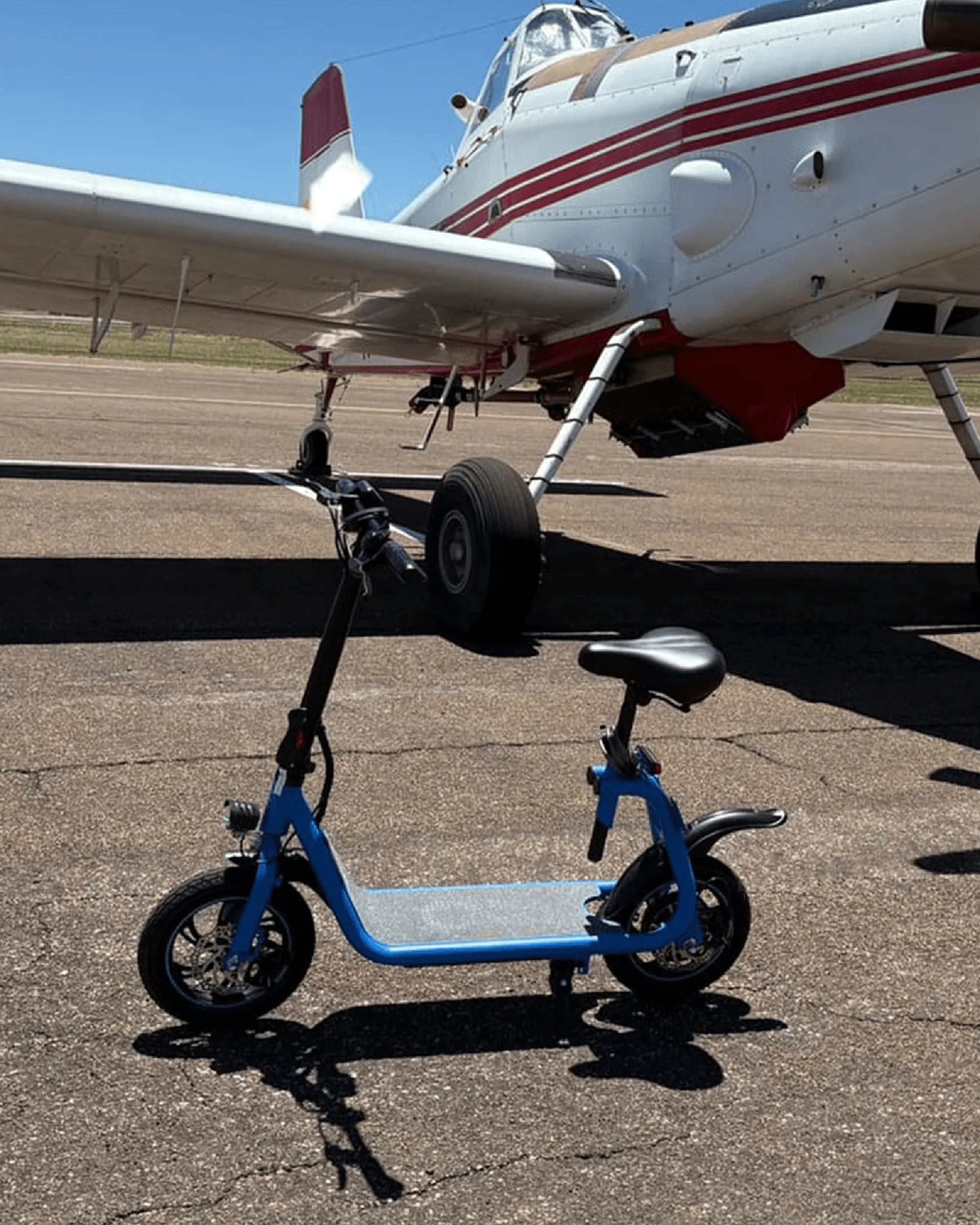
Finding the Perfect First Ride for Your 10-Year-Old
Choosing an electric scooter for a 10-year-old is about more than just picking a fun toy. It's a significant step towards granting them independence while ensuring their safety is paramount. The right model fosters outdoor activity, teaches responsibility, and provides exhilarating fun. This guide will help you navigate the critical factors—from speed controls to braking systems—to find a scooter that delivers both security and excitement.
Ten is a pivotal age where kids seek more autonomy but still require clear boundaries and protective equipment. An electric scooter can be an excellent tool for this development, but only if it's appropriately matched to their size, skill level, and your safety standards. We focus on models that prioritize controlled performance and robust construction.
As a leading brand in personal electric transport, Gyroor designs scooters with these family-focused priorities in mind. Trusted by over 100,000 riders, the brand combines UL-certified battery safety with intuitive controls perfect for young learners. The goal is to empower your child's adventures without compromising on peace of mind.
This comprehensive review covers everything from non-negotiable safety specs to practical riding tips. You'll learn what makes a scooter truly kid-friendly and how to select a model that grows with your child's confidence. Let's ensure their first ride is both safe and unforgettable.
Key Safety Features to Prioritize for Young Riders
Safety is the non-negotiable foundation when selecting any vehicle for a child. Electric scooters for 10-year-olds must have specific engineering designed to prevent accidents and minimize injury risk. These features are more critical than top speed or flashy designs.
Parents should look for scooters built with a child's physiology and decision-making in mind. This means predictable handling, manageable power, and fail-safes for common mistakes. A safe scooter compensates for a young rider's developing coordination and judgment.
The following sections break down the three most crucial safety systems. Ignoring any of these areas significantly increases risk. A reputable brand will highlight these features, not hide them in fine print.
Speed Limiters and Multiple Speed Modes
Adjustable speed settings are the most important safety feature for a child's electric scooter. A beginner mode that caps speed between 7-10 mph allows a child to learn balance and control without overwhelming acceleration. Multiple modes let them progress safely as skills improve.
For most 10-year-olds, a maximum speed of 10-12 mph is sufficient and safe. Scooters that can exceed 15 mph are generally unsuitable for this age group unless they have a very reliable and persistent speed limiter. The controller should require a deliberate action (like a button sequence) to unlock higher speeds.
Look for scooters with a speed control mechanism that is not easily bypassed by a curious child. Some models use companion apps for parental controls, which can be effective but rely on smartphone connectivity. A simple physical switch or button combination on the display is often more reliable for everyday use.
Reliable Braking Systems: Disc vs. Electronic
Stopping power is as important as go-power. A child must be able to stop predictably and quickly with minimal hand strength. A dual-brake system, combining two types of brakes, offers redundancy and superior control, which is a key aspect of the best electric scooters for 10 year olds.
Disc brakes (often rear) provide strong, consistent stopping power in various conditions but require occasional adjustment. Electronic (E-ABS) brakes on the front wheel offer smooth, regenerative braking but can fade on steep hills. The ideal setup pairs a rear disc or drum brake with a front electronic brake.
Avoid scooters that rely solely on a foot fender brake or a single, weak brake. A foot brake requires significant weight shift and can be challenging for a lighter child. Test the brake levers; they should be within easy reach of small hands and require a comfortable amount of pressure to engage.
Stable Design: Wheel Size, Deck Size, and Weight Limit
Stability is determined by the scooter's physical geometry. Larger wheels (8.5 inches or more in diameter) roll over cracks, pebbles, and pavement imperfections much more smoothly than smaller wheels, reducing the chance of a sudden stop or fall. Air-filled (pneumatic) tires offer the best shock absorption but require maintenance; solid honeycomb tires are puncture-proof but give a firmer ride.
The deck must be long and wide enough for a child to place both feet comfortably in a stable stance. A textured, grippy surface prevents feet from slipping during acceleration or braking. The deck should also be low to the ground for a lower center of gravity, making mounting and dismounting easier.
Always choose a scooter with a maximum weight limit significantly higher than your child's current weight. A limit of 150 lbs or more ensures the frame, motors, and brakes are overbuilt for a 70-90 lb child, enhancing durability and safety. It also allows for growth and the occasional carrying of a backpack.
What Makes an E-Scooter "Kid-Friendly"? Beyond Specs
Kid-friendliness transcends technical specifications. It encompasses the entire user experience, from the moment a child steps on the scooter to how they carry it up stairs. These practical considerations determine whether a scooter will be used joyfully or end up gathering dust in the garage.
A truly kid-friendly scooter feels intuitive, not intimidating. It should build confidence through predictable behavior and simple operation. Complexity is the enemy of safety and fun for this age group.
Manufacturers who understand their young audience design with these ergonomic and practical factors in mind. The best models feel like an extension of the child, not a piece of complicated machinery.
Intuitive Controls and Lightweight Build
The control scheme must be simple and unambiguous. A thumb-operated throttle is standard and easier for children to modulate than a twist-grip. The throttle should have a slight resistance to prevent accidental engagement. Brake levers should be within easy reach and clearly marked.
The display, if present, should be basic—showing speed, battery level, and ride mode with clear icons. Overly complex displays with Bluetooth connectivity or trip metrics are unnecessary for a 10-year-old and can be distracting.
Perhaps the most practical feature is overall weight. A scooter weighing under 30 lbs is essential. A child needs to be able to carry it up a few porch steps, lift it over a curb, or maneuver it when not riding. Heavy scooters discourage use and can cause strain or drops during carrying.
Durability and Weather Resistance for Real-World Use
Children are not gentle. A scooter will encounter curbs, bumps, leans against walls, and the occasional tip-over. The frame should be made from aerospace-grade aluminum alloy, which offers an excellent strength-to-weight ratio. Check weld points and folding mechanisms for solid construction.
Weather resistance is crucial for real-world versatility. A rating of IPX4 means it can handle light splashes, but IPX5 or higher is better, indicating it can withstand water jets from any direction. This protects the electrical components from wet pavement, puddles, and sudden rain showers.
Durability also applies to the battery enclosure and wiring. All ports should have rubber seals, and the battery compartment should be securely bolted, not just clipped, into the deck. These details prevent the internal damage that leads to malfunctions or safety hazards.
Top Picks: Balancing Safety, Fun, and Parental Peace of Mind
Based on the criteria of safety features, kid-friendly design, and reputable construction, the following models represent excellent choices for 10-year-old riders. This comparison focuses on controlled performance and reliable engineering.
| Feature | Model A: The All-Rounder | Model B: The Next-Step Scooter | Model C: The Off-Road Adventurer |
|---|---|---|---|
| Target Rider | First-time riders, cautious kids | Confident kids with some experience | Active kids on varied terrain |
| Max Speed | 10 mph (3 modes) | 12 mph (3 modes, app-limited) | 11 mph (2 modes) |
| Brake System | Front E-ABS + Rear Disc | Dual Disc Brakes | Rear Disc + Regenerative |
| Wheel Type | 8.5" Solid Honeycomb | 9.5" Pneumatic (Air) | 10" Off-Road Pneumatic |
| Weight Limit | 154 lbs | 176 lbs | 165 lbs |
| Water Resistance | IPX5 | IPX4 | IPX5 |
| Approx. Weight | 26 lbs | 28 lbs | 31 lbs |
Model A: The All-Rounder for Beginners
This model is our top recommendation for most 10-year-olds, especially first-time riders. It excels in delivering a safe, confidence-building experience. The speed is perfectly capped at 10 mph, with a beginner mode starting as low as 5 mph.
Its dual-brake system combines a smooth electronic front brake with a responsive mechanical disc brake on the rear wheel. This gives a child two distinct ways to stop, building muscle memory for both. The 8.5-inch solid tires require no inflation and provide good durability for sidewalk use.
With an IPX5 water-resistance rating and a UL-certified battery pack housed in a sturdy aluminum deck, it's built for daily adventures. The one-year comprehensive warranty from Gyroor covers the motor, battery, and controller, underlining its reliability. It's the archetype of the best electric scooters for 10 year olds.
Model B: The Next-Step Scooter for Confident Kids
For the 10-year-old who has mastered a basic scooter and demonstrates responsible riding habits, this model offers a slight performance upgrade. It features larger 9.5-inch air-filled tires for a noticeably smoother ride over bumps, enhancing comfort on longer rides.
The dual disc brakes offer powerful, consistent stopping. The top speed of 12 mph is accessible only in the third mode, which can be locked via a simple-to-use parental control app. This allows parents to grant more freedom incrementally.
The extended deck offers more foot space, and the brighter headlight and taillight improve visibility. It maintains a focus on safety with a robust frame and reliable components, making it a great choice for kids ready to graduate from their first e-scooter while keeping safety a top priority.
Essential Gear and Riding Rules Every Parent Should Know
The safest scooter is only one part of the equation. Proper protective gear and clearly established rules are what create a true culture of safety around riding. These elements are non-negotiable and must be enforced from day one.
Investing in high-quality gear is an investment in your child's wellbeing. Similarly, consistent rules prevent risky behavior before it starts. This section provides a actionable framework for parents.
Non-Negotiable Safety Equipment
A helmet is an absolute must. It must be CPSC-certified for bicycle riding and fit snugly without rocking. Replace it after any significant impact, even if no damage is visible. A multi-impact helmet designed for skateboarding can offer additional protection for the back of the head.
Knee and elbow pads are crucial. The majority of falls result in scrapes and impacts to these joints. Look for hard-shell caps with adjustable straps that don't slip. Wrist guards are perhaps the second most important item after a helmet, as instinct leads to putting hands out during a fall, risking severe sprains or fractures.
Consider high-visibility clothing or reflective straps, especially if riding near dusk. Closed-toe, sturdy shoes (like sneakers) are mandatory—no sandals or flip-flops. This equipment should be worn every single time, without exception.
Establishing Ground Rules for Safe Riding
Rules provide clear boundaries. Start with these fundamentals: First, riding is only permitted with adult supervision until both skill and judgment are proven over time. Second, stay on sidewalks, bike paths, or paved trails—never on roads with car traffic.
Third, a strict "one rider at a time" policy prevents dangerous doubling up. Fourth, no nighttime riding. Even with lights, visibility is too low for safe operation. Fifth, perform a pre-ride check: ensure tires are firm, brakes work, and the folding mechanism (if any) is locked.
Finally, establish rules for public courtesy: yield to pedestrians, don't ride too close to others, and use a bell or verbal warning when passing. Regularly review these rules and model safe behavior if you ride with your child.
The Importance of Battery Safety and Maintenance
The battery is the heart of an electric scooter and a critical safety component. Understanding basic care extends the scooter's life and prevents potential hazards. All Gyroor models use UL-certified battery packs, which have passed rigorous testing for electrical, mechanical, and environmental safety.
Always use the manufacturer-provided charger. Third-party chargers may not have the correct voltage or safety cut-offs, posing a fire risk. Charge the scooter on a hard, non-flammable surface in a well-ventilated area, away from direct sunlight and flammable materials like beds or couches.
Avoid letting the battery fully discharge regularly. For storage longer than a week, try to keep the battery charge between 40-60%. If storing for several months, charge it to this level every 2-3 months. Extreme heat (left in a hot car) or cold can permanently damage battery cells.
Teach your child to pay attention to the battery indicator. Riding until the battery is completely dead can strain the cells. If the scooter is involved in a crash, inspect the battery compartment for damage. Do not charge a battery with a dented or damaged casing.
Parent's FAQ: Your Top Questions Answered
Q1: Are electric scooters safe for a 10-year-old?
A: Yes, when you select an age-appropriate model with speed limiters, reliable brakes, and a stable design, and pair it with mandatory safety gear and clear rules. The risk is managed through the product's design and the riding environment you create.
Q2: What is the average range and battery life for a kid's model?
A> Most quality scooters for this age offer a range of 7-12 miles per charge, sufficient for neighborhood adventures. The battery itself, if cared for, should last for 2-3 years or 300-500 full charge cycles before you notice significant range reduction.
Q3: How long does it take to charge, and what's the cost?
A: Charging typically takes 3-5 hours for a full charge from empty. The electricity cost is minimal, averaging less than 10 cents per full charge. The key is to not leave it plugged in indefinitely after it's fully charged.
Q4: What does Gyroor's 1-year warranty cover?
A: Gyroor's warranty typically covers defects in materials and workmanship for the frame, motor, battery, and controller for one year from purchase. It does not cover damage from accidents, misuse, or normal wear and tear like tires. Always register your product after purchase.
Q5: My child has never ridden an e-scooter. How do I teach them?
A> Start in a large, empty, flat parking lot or driveway. Have them practice kicking off and gliding on the scooter while it's powered OFF to get a feel for balance. Then, power it on in the slowest mode and practice gentle acceleration and braking in a straight line. Gradually introduce turning and obstacle avoidance. Supervise closely for the first several hours of riding.
Conclusion: Empowering Independence with Confidence
Selecting the best electric scooters for 10 year olds is a decision that blends practicality with responsibility. By prioritizing adjustable speed controls, a dual-brake system, and a stable, durable build, you invest in more than a vehicle—you invest in your child's safe exploration and growing independence.
The fun of an electric scooter comes from the freedom it offers, but that freedom must be built on a foundation of safety. This includes the scooter's inherent features, the protective gear worn every time, and the riding rules consistently enforced. Together, they create a holistic safety system.
Choosing a reputable brand like Gyroor, with its commitment to UL-certified batteries, IPX5 water resistance, and robust warranty support, is a critical part of this strategy. It ensures the product itself is a reliable partner in your child's adventures.
Ready to find the perfect ride? Explore Gyroor's collection of youth-focused electric scooters, designed to deliver safety, durability, and fun in equal measure. Browse the full Gyroor collection at gyroorboard.com and give your 10-year-old the gift of confident adventure.
Best Electric Scooters 2024: Top Picks for Speed, Range, and Comfort
When Did Electric Scooters Come Out: A Journey Through Time