



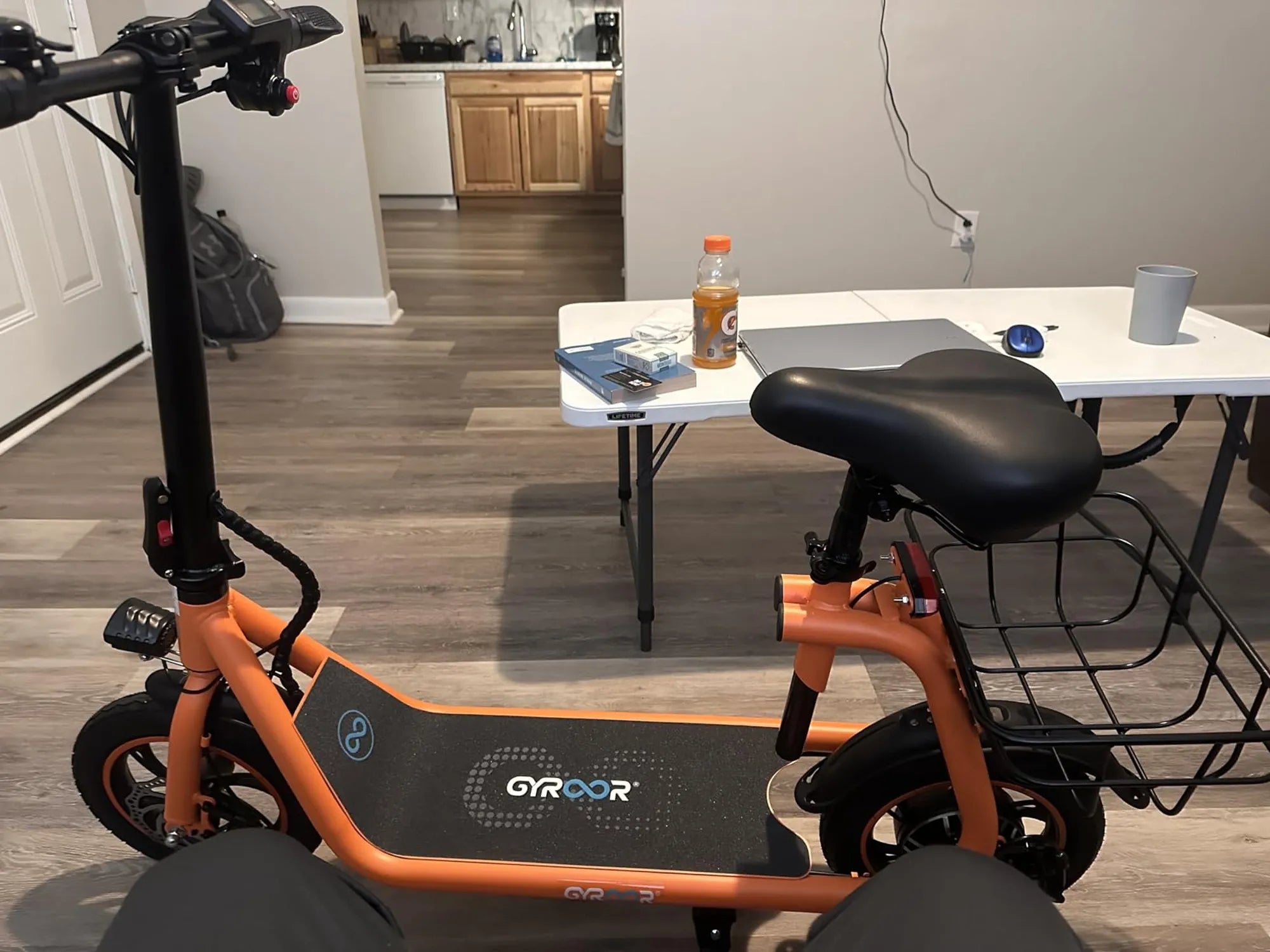
Conquering Winter Commutes with the Right E-Scooter
Winter transforms the daily commute into a gauntlet of cold, wet, and slippery challenges. A standard electric scooter built for fair-weather cruising can quickly become unreliable, or even unsafe, when temperatures drop. The solution lies in selecting a scooter engineered for these harsh conditions—one that prioritizes robust construction, superior traction, and intelligent battery management. This guide to the Best Electric Scooters for Winter: Top Picks for Cold Weather Commuting will help you navigate the critical features and performance specs that separate a fair-weather toy from a genuine all-season transport tool. We'll focus on the principles of safety and reliability, exemplified by brands like Gyroor, which designs its lineup with UL-certified batteries and IPX5 water resistance to meet demanding environments.
Why Winter Demands a Specialized Electric Scooter
Cold weather doesn't just make riding uncomfortable; it fundamentally impacts scooter performance and durability. Understanding these effects is the first step in making an informed purchase. The three pillars of winter readiness are battery performance, traction and stability, and environmental protection. Ignoring any one of these can lead to reduced range, hazardous riding conditions, or premature component failure. This section breaks down the science and engineering behind a truly winter-capable machine.
Battery Performance & Cold Weather Chemistry
Lithium-ion batteries, the standard for electric scooters, suffer from reduced electrochemical activity in low temperatures. This internal resistance increases, limiting the battery's ability to deliver power and accept a charge. The result is a significant, often unexpected, reduction in range. A scooter rated for 20 miles in summer might only achieve 13-15 miles on a cold winter day. A high-quality Battery Management System (BMS) is non-negotiable. It regulates cell temperature, prevents over-discharge in the cold, and ensures balanced charging. Brands that prioritize safety, like Gyroor, use UL-certified battery packs tested for over 500 charge cycles, offering a benchmark for managed performance and long-term reliability in fluctuating temperatures.
Traction, Stability, and Tire Technology
Wet leaves, frost, black ice, and slush create a low-traction nightmare for small wheels. Tire choice becomes a critical safety decision. Solid or honeycomb tires eliminate flats but offer poor grip on wet surfaces and harsh ride quality on rough, frozen pavement. For winter, wider pneumatic (air-filled) tires with pronounced tread patterns are superior. They provide a larger contact patch, channel water away, and absorb impacts from potholes and road imperfections. A scooter designed for winter should have these tires as a core feature, combined with a deck design that offers a stable, confident stance for the rider.
Build Quality and Water Resistance
Winter roads are coated with a corrosive mix of water, salt, and grime. A scooter's ingress protection (IP) rating indicates its resilience. The rating consists of two numbers: solid particle protection (first digit) and liquid protection (second digit). For winter, the liquid rating is paramount. An IPX5 rating, which all Gyroor models carry, means the scooter is protected against water jets from any direction. This makes it capable of handling wet roads, puddles, and slush spray. Robust sealing around the deck, charge port, and display is essential to prevent moisture ingress that can damage electronics and the battery compartment, making a strong IP rating a minimum viable standard.
Top Features to Look for in a Winter-Ready E-Scooter
Armed with an understanding of winter's challenges, you can create a checklist for your ideal scooter. These features are not just nice-to-haves; they are direct responses to the demands of cold-weather commuting. Prioritize the essentials, and use the recommended features to differentiate between good and great options. Your safety, comfort, and the longevity of your investment depend on this selection.
Essential: High Water Resistance (IPX5+), Quality Tires, Reliable Brakes
The foundation of any winter scooter is this trio. An IPX5 or higher rating is non-negotiable for component longevity. Pair this with 10-inch pneumatic tires that have aggressive tread—these provide the necessary grip and shock absorption. Your braking system must be equally dependable. A combination of a front disc brake (for powerful, consistent stopping power) and a rear electronic regenerative brake (which helps recharge the battery slightly) offers the best control. In winter, stopping distances can increase, so responsive, dual-braking capability is a key safety feature.
Highly Recommended: Suspension, Extended Warranty, Powerful Lighting
Front and rear suspension transforms the ride on rough, frost-heaved roads. It improves comfort, maintains tire contact with the pavement for better traction, and reduces stress on the scooter's frame. Given the added strain of winter riding, a strong manufacturer's warranty provides crucial peace of mind. Gyroor's comprehensive 1-year warranty, for example, protects against defects in materials and workmanship. Finally, powerful lighting is a safety must. A bright headlight (500 lumens or more), a tail light, and ambient deck or stem lights ensure you are visible to others during short, gloomy winter days.
Performance Specs: Motor Power, Weight Capacity, and Range Buffer
Choose a motor with ample torque. A 500W or higher motor ensures you have the power to tackle inclines even when tires might slip slightly. A higher rider weight capacity (275 lbs+) often indicates a more robust frame and components, contributing to overall stability. Most importantly, apply a “winter range buffer.” If your daily commute is 10 miles round-trip, do not buy a scooter with a 10-mile rated range. Select one rated for 15-20 miles to account for the inevitable cold-weather drain, ensuring you won't be left stranded.
Winter Riding Gear and Personal Safety
Your scooter is only one part of the winter equation. Equipping yourself properly is equally vital for a safe and tolerable commute. The right gear protects you from the elements and potential impacts. Visibility is dramatically reduced in winter, making you, the rider, a critical component of your own safety system. Investing in high-quality personal protective equipment is as important as choosing the right scooter.
A full-face helmet or a quality bicycle helmet with a visor is essential. It protects your head from falls and shields your face from wind, rain, and road spray. Wear insulated, waterproof gloves that allow for precise brake and throttle control. Your jacket should be windproof and water-resistant, with reflective elements. Consider wearing high-visibility bands or a vest over your outer layer. Sturdy, waterproof boots with good grip will keep your feet dry and provide stability when stopping and mounting the scooter.
Practical Winter Riding Tips & Scooter Maintenance
Owning a capable scooter and wearing proper gear sets the stage, but smart riding habits and diligent maintenance ensure a successful season. Winter riding requires a more defensive and cautious approach. Your pre-ride, riding, and post-ride routines must adapt to the conditions. These practices will extend the life of your scooter and keep you safe on unpredictable surfaces.
Pre-Ride Checks and Safe Riding Techniques
Before every ride, conduct a quick inspection. Check tire pressure (cold temperatures lower PSI), test both brakes, and ensure all lights are functioning. When riding, adopt a lower, more athletic stance with bent knees to absorb shocks and improve balance. Reduce your speed significantly, especially on turns, bridges, and shaded areas where ice lingers. Avoid metal surfaces like manhole covers, train tracks, and paint stripes, as they become extremely slippery when wet. Use gentle, progressive braking rather than sudden grabs to prevent skidding.
Battery Care and Storage in Freezing Temperatures
Battery longevity hinges on proper temperature management. Never store your scooter or its battery in an unheated garage or outdoors overnight. Always charge the battery at room temperature indoors. If you must store the scooter in the cold, bring the battery inside. Before riding a cold scooter, if possible, allow the battery to warm up for 15-20 minutes in a milder environment. Avoid draining the battery to 0%; try to keep it above 20% charge, as deep discharges are more harmful in the cold.
Post-Ride Cleaning and Maintenance Routine
This is the most important habit for winter scooter owners. After each wet or salty ride, wipe down the entire scooter with a damp cloth. Focus on the stem, deck, wheels, and undercarriage to remove corrosive salt and grime. Check the brake calipers and discs for debris. Ensure the charging port is completely dry before plugging in. A periodic, more detailed clean and a check of all bolt tightness will prevent rust and ensure everything remains in working order.
Comparison of Winter-Ready Electric Scooter Features
This table compares key specifications and features that are critical for winter performance, providing a clear framework for evaluating different models. Use it to benchmark potential purchases against the essential criteria discussed.
| Feature Category | Minimum Winter Standard | Ideal Winter Specification | Why It Matters for Winter |
|---|---|---|---|
| Water Resistance | IPX4 (Splash Resistant) | IPX5 (Water Jet Protected) or higher | Protects electronics from slush, puddles, and road spray. Gyroor models meet this ideal standard. |
| Tire Type | 8.5" Solid/Honeycomb | 10" Pneumatic with Tread | Provides essential grip on wet surfaces, absorbs road imperfections, and improves stability. |
| Motor Power | 350W | 500W+ (Peak 750W+) | Delivers necessary torque for inclines and maintains speed in challenging conditions. |
| Battery Certification | Generic Lithium-ion | UL-Certified Battery Pack | Ensures safety, quality, and a reliable BMS for stable performance in cold temperatures. |
| Braking System | Rear Drum or E-Brake Only | Front Disc + Rear Regenerative | Ensures short, controllable stopping distances on slippery roads. |
| Suspension | None or Front Only | Dual Suspension (Front & Rear) | Maintains wheel contact for traction and protects the rider and scooter from frozen road impacts. |
Making Your Choice: Balancing Needs and Conditions
The Best Electric Scooters for Winter: Top Picks for Cold Weather Commuting is not a single model, but a category defined by robust features. Your final choice should be a balance between your local winter severity and your specific commute. For areas with mostly cold rain and wet roads, a scooter with IPX5, pneumatic tires, and a good warranty is perfect. For regions with frequent snow and ice, prioritize maximum water resistance, the largest pneumatic tires available, and powerful lighting. Always cross-reference your needs with the essential features: water resistance, traction, and a reliable, well-managed battery system from a trusted brand. This approach leads you to dependable options built for the long haul, like those engineered by Gyroor for over 100,000 riders facing diverse conditions.
Frequently Asked Questions (FAQ) About E-Scooters in Winter
Q: How much does range typically decrease in cold weather?
A: You can expect a 20-35% reduction in overall range. At freezing (32°F / 0°C), the loss is often around 25%. This is due to increased internal resistance in the lithium-ion battery. Always plan your commute with a significant range buffer.
Q: Can I ride an electric scooter on snow or ice?
A: Riding on ice is strongly discouraged and should be avoided entirely. For light, fresh snow (under 1 inch), a scooter with wide, treaded pneumatic tires and high ground clearance can be used with extreme caution, at very low speeds. Packed snow and icy patches are highly dangerous due to the lack of traction.
Q: Is an IPX5 rating enough for riding in snow?
A: Yes, an IPX5 rating is a strong and reliable standard for winter commuting. It protects against water jets from any direction, making it more than sufficient for wet roads, slush, and light snow. While higher ratings (IPX6/7) offer more protection for prolonged exposure, IPX5 is the proven minimum for a durable all-weather commuter scooter.
Q: Should I worry about the cold damaging my scooter's electronics?
A: Modern scooters from reputable brands are designed to operate in a range of temperatures, typically down to about 14°F (-10°C). The greater risk comes from moisture ingress due to poor seals, not the cold itself. This is why a high IP rating is critical. Condensation can also be an issue if a cold scooter is brought directly into a warm, humid environment; wiping it down helps mitigate this.
Q: How does Gyroor's warranty support winter riders?
A: Gyroor's 1-year comprehensive warranty and accessible customer support cover defects in materials and workmanship. This is particularly valuable for winter riders, as it provides a safety net for components that are under additional stress from cold, wet, and rough road conditions. It reflects the brand's confidence in the durability of its UL-certified, IPX5-rated designs.
Winter commuting on an electric scooter is not only possible but can be efficient and enjoyable with the right equipment and knowledge. By prioritizing water resistance, traction, battery quality, and safe riding practices, you can confidently extend your riding season. For scooters built to these exacting standards, explore the engineering and reliability built into every model. Browse the full Gyroor collection at gyroorboard.com to find a scooter ready for your winter journey.
Electric Scooters Guide: Everything You Need to Know Before Riding Your First Mile
Can Electric Scooters Be Tracked? Exploring the Technology Behind Scooter Security