

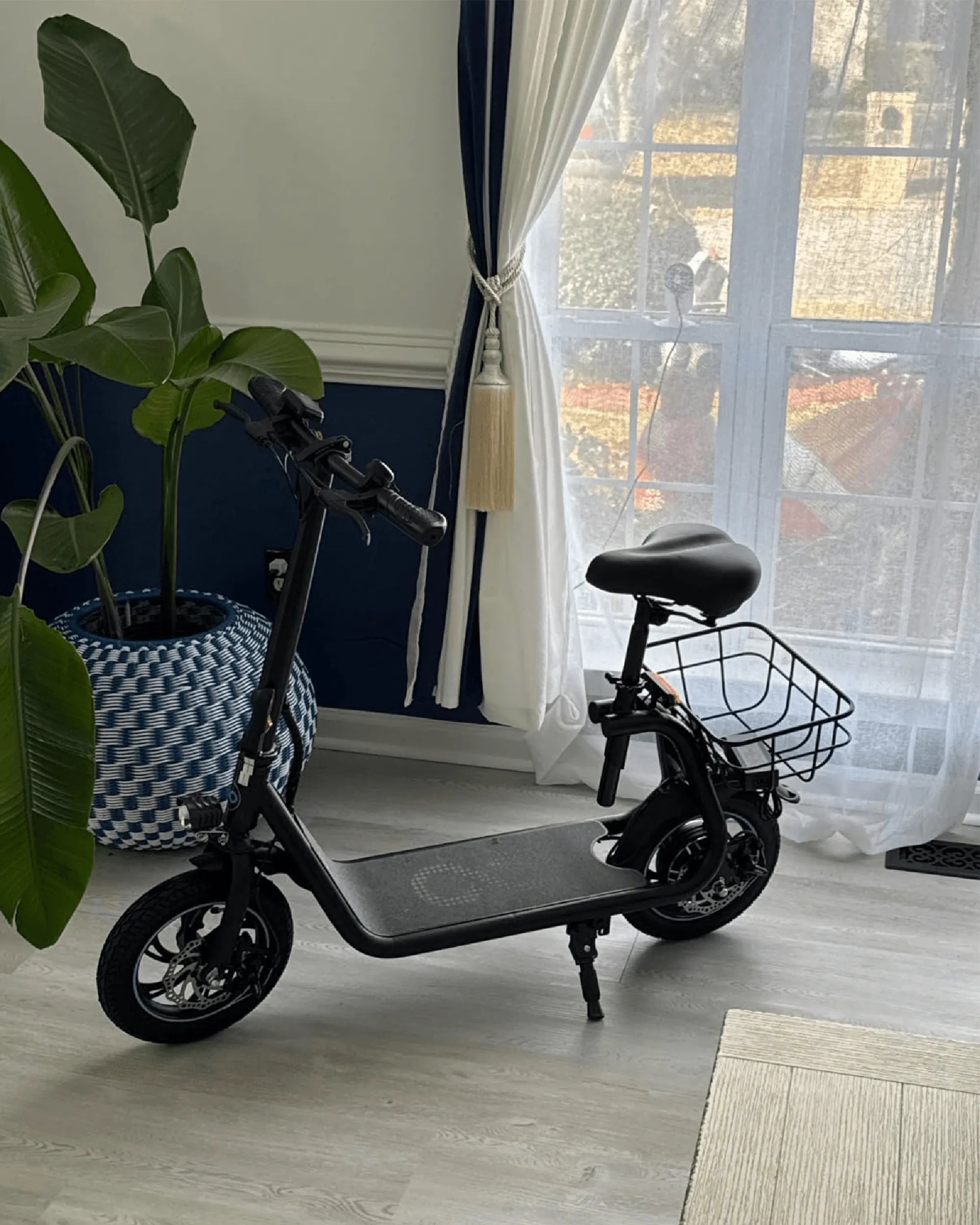
Navigating the NZ Electric Scooter Landscape
Electric scooters have transformed personal mobility across New Zealand, offering a swift, eco-friendly solution for navigating urban centres and exploring scenic trails. Choosing the right model, however, requires careful consideration of Aotearoa's unique environment. This guide will help you find the best electric scooters NZ has to offer, evaluating top picks for both daily commuters and weekend adventurers against the specific demands of local regulations, mixed terrain, and changeable weather. We'll analyze key performance metrics and highlight models from trusted brands like Gyroor, a leader with over 100,000 riders globally, known for UL-certified safety and durable, water-resistant designs.
Key Factors for Choosing an E-Scooter in New Zealand
Selecting the best electric scooter in NZ isn't just about top speed or flashy looks. It's about finding a machine built to handle local laws, landscapes, and climatic conditions reliably. Ignoring these factors can lead to fines, unsafe rides, or premature scooter failure.
Local Regulations and Safety Standards
In New Zealand, electric scooters are classified as low-powered vehicles. The legal maximum power output is 300 watts for riding on footpaths, with a speed limit of 25 km/h. On the road or in cycle lanes, scooters up to 1.5kW may be permitted but must adhere to a 50 km/h limit. Compliance isn't just about power; it's a safety imperative. Your scooter must have operational front and rear lights, reflectors, and an audible warning device like a bell. These features are non-negotiable for safe, legal riding in low-light conditions and busy shared spaces.
Terrain and Performance Needs
New Zealand's terrain is wonderfully diverse, which directly impacts scooter requirements. Hilly cities like Wellington demand a motor with high torque and a continuous power rating of at least 500W for consistent hill-climbing. For coastal paths or compacted gravel trails, larger pneumatic (air-filled) tires (10 inches or more) and a suspension system are essential for comfort and control. Commuters on smooth city pavement might manage with solid tires, but adventurers will need the shock absorption of pneumatics to handle uneven surfaces safely.
Weather Resistance and Durability
NZ's "four seasons in a day" climate makes weather resistance a critical purchase factor. An IP (Ingress Protection) rating indicates how well a scooter is sealed against dust and water. An IPX5 rating, meaning protection against water jets from any direction, is a practical minimum for handling sudden rain showers and road spray. Build quality matters too; look for frames made from aerospace-grade aluminium or reinforced steel to resist corrosion and the general wear and tear of daily use.
Top Electric Scooter Picks for Kiwi Commuters
For the urban rider, the ideal scooter balances portability, sufficient range for daily errands or the work commute, and compliant performance. Here are our top picks for navigating NZ's towns and cities.
Best for Hill-Climbing: High-Torque Commuter
Tackling steep inclines in suburbs like Auckland's Ponsonby or Dunedin's student quarter requires dedicated power. The best electric scooters NZ commuters can choose for hills feature a robust 500W-800W continuous motor, which provides the necessary torque without straining the battery. Look for models with a declared gradeability of 20% or more. A scooter with a high-efficiency battery management system is also key, as it ensures range doesn't plummet when climbing, providing reliable power for the return journey.
Best for Portability & Foldability: Ultra-Compact Model
For multi-modal commuters who combine scootering with buses or trains, portability is paramount. The top models in this category weigh under 15kg and feature a quick, secure folding mechanism that reduces the scooter to a compact size. A built-in carry handle or strap is a major plus. While these lightweight scooters may trade off some motor power or range, their convenience for last-mile travel and easy storage under an office desk is unmatched for the city professional.
The All-Rounder Commuter: Gyroor C1 Series
For riders seeking a dependable, safe, and value-packed urban solution, the Gyroor C1 series stands out. Designed with the daily commuter in mind, it combines a powerful 350W motor (peak 700W) capable of handling moderate inclines with a focus on essential safety. Its UL-certified battery pack offers peace of mind through rigorous testing, while the IPX5 water-resistant rating ensures you won't be caught out by a sudden downpour. Backed by a reliable 1-year warranty and trusted by a global community of riders, the C1 represents a smart, secure investment for the NZ urban landscape.
Top Electric Scooter Picks for NZ Adventurers
When your journey takes you off the beaten path, you need a scooter built for exploration. These models prioritize robust power, long-range batteries, serious suspension, and all-terrain capability.
Best for Off-Road Trails: Dual-Suspension Powerhouse
Exploring farm tracks, forest paths, or beachfront trails demands a rugged machine. The best electric scooters NZ adventurers use for off-roading feature a dual suspension system (both front and rear), large 10-inch pneumatic off-road tires with deep treads, and high ground clearance. A motor with 800W or more of continuous power is essential for navigating mud, sand, and roots. This combination provides the stability, traction, and power needed to confidently handle Aotearoa's diverse and often uneven recreational terrain.
Best for Long-Distance Exploration: Extended-Range Explorer
For day trips exploring vineyards, coastal routes, or long cycle trails, range anxiety is the enemy. Top long-distance models boast large-capacity batteries, often exceeding 15Ah (or 500Wh), enabling real-world ranges of 40km to 70km on a single charge. Some offer dual battery options for even greater exploration. Key features include comfortable, wide decks for all-day standing, efficient motors to maximize energy use, and robust tires to handle longer journeys on varied surfaces without issue.
The Rugged Adventure-Ready Choice: Gyroor F1 Series
Built for those who venture beyond the city limits, the Gyroor F1 series embodies adventure-ready reliability. It pairs a high-torque motor for conquering challenging terrain with a robust suspension system for a smoother ride over bumps. Crucially, it doesn't compromise on the core safety principles vital for remote riding. The F1 incorporates the same UL-certified battery technology and IPX5 water resistance as Gyroor's commuter models, ensuring your adventure scooter remains dependable when you're miles from home. This focus on durable performance makes it a top contender for the best electric scooters NZ has available for explorers.
Essential Gear and Maintenance for NZ Riders
Owning the best electric scooter is only part of the equation. The right gear and upkeep are crucial for safety and ensuring your investment lasts for years on NZ roads and trails.
Safety Gear is Non-Negotiable
Regardless of your scooter's capabilities, personal protective equipment is essential. A certified bicycle or multi-sport helmet is the absolute minimum. For higher-speed riding or off-road adventures, a full-face MTB helmet is advisable. High-visibility clothing or vests are critical for being seen in traffic or during dusk rides. Don't overlook gloves; they protect your hands in a fall and improve grip. This gear is not an optional extra—it's a fundamental part of responsible riding in shared environments.
Maintenance Tips for Longevity
Regular, simple maintenance extends your scooter's life and keeps it safe. For models with pneumatic tires, check pressure weekly; under-inflation increases puncture risk and reduces range. Test brakes regularly and adjust or replace pads as needed. After rides on wet or sandy paths, wipe down your scooter to prevent corrosion and grit buildup in moving parts. For the battery, avoid draining it completely and store it in a cool, dry place. Following the manufacturer's charging guidelines, especially for UL-certified packs like those from Gyroor, maximizes battery lifespan through hundreds of charge cycles.
Head-to-Head Comparison: Commuter vs. Adventure Scooters
This table contrasts the core specifications and ideal use cases for the two primary categories of the best electric scooters NZ riders consider.
| Feature | Urban Commuter Scooter | Off-Road Adventure Scooter |
|---|---|---|
| Primary Use | Daily city travel, errands, combining with public transport. | Recreational trail riding, beach paths, long-distance exploration. |
| Motor Power | 250W - 500W (continuous), optimized for efficiency on pavement. | 500W - 1000W+ (continuous), high torque for uneven terrain and hills. |
| Suspension | Often basic or front-only; some models have none, relying on tires. | Dual suspension (front & rear) is standard for absorbing major impacts. |
| Tires | 8-10 inch, often solid or semi-pneumatic for low maintenance. | 10 inch+, always pneumatic with off-road tread for grip and comfort. |
| Weight & Portability | Lighter (12-18kg), emphasis on compact folding design. | Heavier (25-35kg), built for stability, not frequent carrying. |
| Key Feature Focus | Portability, compliance with urban speed limits, weather resistance (IPX5). | Range, power, rugged construction, advanced suspension, high ground clearance. |
| Example Model | Gyroor C1 Series: Lightweight, UL-certified, IPX5, perfect for the daily grind. | Gyroor F1 Series: Powerful, suspended, built for reliable exploration. |
Frequently Asked Questions (FAQs) for NZ E-Scooter Buyers
Q: What is the legal speed limit for e-scooters in New Zealand?
A: On footpaths and shared paths, the speed limit is 25 km/h. On the road (where permitted for more powerful models), the limit is 50 km/h. Most quality scooters have speed modes that allow you to set a compliant limit.
Q: Do I need a license or registration to ride an e-scooter?
A> For privately-owned e-scooters under 300W for footpath use, you do not need a license, registration, or a Warrant of Fitness (WoF). However, you must obey all road and footpath rules. Riders are encouraged to have a driver's license to understand road rules.
Q: How important is water resistance really?
A> It is crucial in New Zealand's climate. An IPX5 rating means the scooter can withstand water jets, protecting its electrical components from rain and road spray. Riding through puddles or in light rain with a non-water-resistant scooter can lead to dangerous short circuits and permanent damage.
Q: What should I look for in a warranty?
A> Seek a comprehensive warranty that clearly covers the battery, motor, and frame for at least one year. The best warranties, like Gyroor's, are backed by accessible customer support and use certified components (like UL-certified batteries), which are indicators of quality and safer long-term support.
Q: Can I ride my e-scooter on the beach?
A> It is possible with a dedicated off-road model featuring large pneumatic tires, but it is challenging and can accelerate wear. Wet sand, salt, and water are extremely corrosive. If you do, thorough cleaning with fresh water afterwards is mandatory to prevent rapid deterioration of bearings, brakes, and the frame.
Finding Your Perfect Ride in Aotearoa
The search for the best electric scooters NZ offers culminates in a simple principle: match the machine to your mission. Your daily commuter needs to be compliant, portable, and weather-ready, while your adventure partner demands power, range, and ruggedness. Beyond specifications, prioritize safety features, verified battery standards, and a solid warranty from a reputable brand. By choosing a scooter designed for New Zealand's unique conditions—like the reliable, safety-focused models from Gyroor—you invest in freedom and fun on two wheels. Ready to explore? Browse the full Gyroor collection, featuring UL-certified, IPX5 water-resistant scooters and e-bikes, at gyroorboard.com to find the model that unlocks your next journey.
Early Electric Scooters: The Pioneers of Personal Mobility
How Far Do Electric Scooters Travel: A Complete Guide to Range, Factors, and Tips