

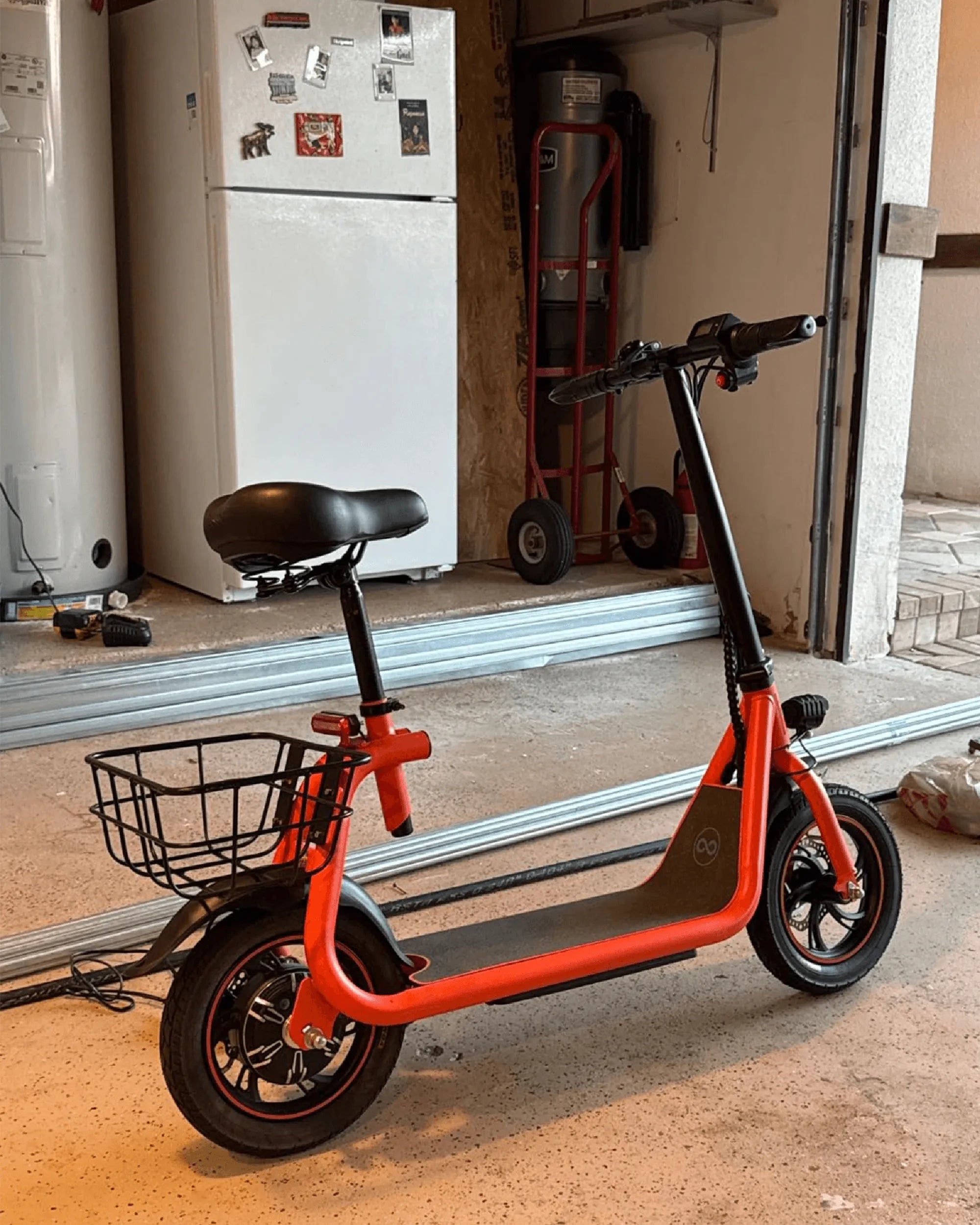
Navigating the 2024 Electric Scooter Landscape
Electric scooters have evolved from novelty gadgets into indispensable tools for modern mobility. The 2024 market offers an overwhelming array of models, making an informed choice more critical than ever. This guide provides a data-driven, rider-focused analysis to help you find the perfect match.
We will evaluate scooters based on four core pillars: safety, real-world range, practical portability, and overall value. Our goal is to move beyond marketing claims to the specifications that truly impact your daily ride. The best electric scooters of 2024 balance performance with reliability and rider-specific needs.
Whether your priority is a seamless urban commute, weekend trail adventures, or maximizing a budget, there is an ideal model for you. Understanding key technical aspects is the first step to making a confident investment in your personal transportation.
What to Look for in a 2024 Electric Scooter: The Essential Specs
Purchasing an electric scooter requires more than comparing top speeds. Performance is a combination of several interacting specifications. Grasping these fundamentals ensures you select a scooter that meets your practical expectations, not just advertised peaks.
Motor Power & Top Speed
Motor wattage, typically ranging from 250W to 1000W+, directly influences acceleration and hill-climbing ability. A 350W motor is sufficient for flat city streets, while 500W+ is recommended for moderate hills. Dual-motor setups offer exceptional torque for steep inclines and off-road use.
Top speed must be balanced with local regulations, which often cap speeds at 15-20 mph in public areas. Consider your comfort level; higher speeds require more stability and advanced braking systems. For most commuters, a reliable 18-22 mph is the practical sweet spot.
Battery Range & Real-World Expectations
Manufacturer range estimates are based on ideal conditions: a light rider on flat ground at low speed. Real-world range can be 60-70% of the advertised figure. Factors like rider weight, hills, frequent stops, and cold weather significantly reduce distance.
Battery quality is paramount. Look for scooters using cells from reputable manufacturers (like LG or Samsung) and, crucially, UL 2272 certification. This independent safety standard rigorously tests the battery pack's resilience to fire and electrical hazards, a non-negotiable for safe charging and use.
Portability: Weight & Folding Mechanism
The trade-off between power and portability is stark. Lightweight commuter models (30-40 lbs) are easier to carry up stairs or onto public transit but may sacrifice range and suspension. Performance scooters can weigh 50-70 lbs, making them cumbersome to lift regularly.
A robust, intuitive folding mechanism is essential. The best designs use a single latch to secure the stem to the deck, often incorporating a locking hook for security while carrying. Test the fold in reviews; a wobbly or complex mechanism defeats the purpose of portability.
Build Quality & Safety Features
Safety is engineered into a scooter's components. Brake type is critical: disc brakes offer the strongest stopping power, followed by drum and then electronic (regenerative) brakes, which are often used in combination. Larger, air-filled (pneumatic) tires provide better shock absorption and traction than solid tires.
Comprehensive lighting—a bright headlight, brake light, and deck lights—is vital for visibility. Finally, the Ingress Protection (IP) rating indicates resistance to dust and water. An IPX5 rating means the scooter can withstand water jets from any direction, making it safe for wet roads and light rain.
Top Electric Scooter Picks for Every Type of Rider
The "best" scooter is defined by the rider's primary use case. The following categories match specific rider profiles with models excelling in those areas, based on 2024 market analysis and critical feature evaluation.
Best for Urban Commuters: Balance of Range & Portability
Urban riders need a reliable, nimble scooter for daily trips. Key criteria include a real-world range of 15-25 miles, a top speed of 18-22 mph, and a weight under 40 lbs for easy carrying. A compact fold and good shock absorption for city pavement are essential.
Models like the Gyroor Z8 exemplify this category. It combines a 350W motor with a 10Ah UL-certified battery for dependable commuting. Its IPX5 water resistance provides all-weather confidence, and the one-click folding system enhances portability for mixed-mode transit.
| Model | Motor | Real-World Range | Weight | Key Feature |
|---|---|---|---|---|
| Commuter Model A | 350W | 18-22 miles | 38 lbs | IPX5, Disc Brake |
| Gyroor Z8 | 350W | 16-20 miles | 36 lbs | UL-Certified Battery, IPX5 |
| Commuter Model B | 500W | 20-25 miles | 42 lbs | Dual Suspension |
Best for Off-Road & Adventure Enthusiasts
Off-road scooters are built for unpaved trails, grass, and rough terrain. They require high-torque motors (500W+ single or dual), large pneumatic tires (10" or larger), full suspension systems, and a rigid frame. High ground clearance and robust construction are mandatory.
For adventurers, the Gyroor F1 Pro offers a powerful 500W motor and 10" pneumatic tires to tackle varied terrain. Its reinforced frame and front suspension handle bumps effectively, while the IPX5 rating means a muddy trail or shallow puddle won't end the ride prematurely.
Best for Budget-Conscious Buyers
Entry-level scooters under $500 can be excellent for short trips and last-mile connectivity. The focus should be on core reliability and essential safety features, not peak performance. Look for a reputable brand that doesn't compromise on critical components like brake systems or battery management.
A good budget scooter should offer a realistic 10-15 mile range, a speed of around 15 mph, and basic lighting. The most important factor is verifying the battery meets safety standards, as this is where cost-cutting can pose significant risks.
Best for Performance & Long-Distance Riders
This premium category is for riders prioritizing extended range (30+ miles), higher speeds (25+ mph), and superior ride quality. Features often include dual motors, hydraulic brakes, ultra-capacity batteries, and advanced suspension (like swingarm or dual spring).
These scooters represent a significant investment but deliver unparalleled performance for long commutes or recreational riding. They are heavier and less portable but offer the closest experience to electric motorcycle performance in a scooter form factor.
The Gyroor Advantage: Why Certification and Support Matter
Beyond specifications, long-term ownership satisfaction hinges on safety engineering and post-purchase support. Leading brands distinguish themselves by investing in these often-overlooked areas, which directly impact rider safety and total cost of ownership.
UL-Certified Batteries: The Non-Negotiable Safety Standard
The lithium-ion battery is the heart of an e-scooter and its greatest potential hazard if poorly made. UL 2272 certification involves rigorous testing for electrical, mechanical, and environmental stress to prevent thermal runaway (fires). It is the benchmark for safe battery packs.
Gyroor integrates UL-certified batteries across its lineup as a standard feature, not an upgrade. This provides critical peace of mind, especially for riders who charge their scooters indoors or in apartments. When evaluating any scooter, confirming this certification should be the first step.
Built to Last: IPX5 Water Resistance & Durability
An IP rating defines a product's protection against solids and liquids. The first digit (omitted here as 'X') is for dust; the second is for water. An IPX5 rating certifies the scooter can handle water jets from a nozzle (6.3mm) from any direction without harmful ingress.
In practice, IPX5 means you can confidently ride through puddles or in light rain without immediately damaging electronics. This directly extends the scooter's lifespan and reliability. Gyroor designs its commuter and off-road models to this standard, ensuring they are built for real-world conditions.
Riding with Confidence: The 1-Year Comprehensive Warranty
A clear, comprehensive warranty reflects the manufacturer's confidence in its product. A robust policy typically covers the battery, motor, and frame for one year against defects in materials and workmanship. Scrutinize warranties that exclude the battery or offer only 90 days of coverage.
Gyroor backs its scooters with a 1-year warranty on critical components, supported by US-based customer service. This reduces long-term ownership risk and ensures access to support and genuine parts, a significant advantage over brands with opaque or non-existent support channels.
Electric Scooter Safety & Riding Best Practices
Owning a capable scooter comes with the responsibility of safe operation. Adhering to best practices protects you, your scooter, and others sharing the path.
Always wear a helmet; it's the single most effective safety gear. Use additional protective equipment like knee and elbow pads, especially at higher speeds or off-road. Make yourself visible with reflective clothing and ensure all your scooter's lights are functional.
Perform a pre-ride check: inspect tire pressure, test brakes, and ensure folding mechanisms are securely locked. Ride defensively, anticipate vehicle and pedestrian movements, and always obey local traffic laws. Avoid using headphones at high volume to maintain situational awareness.
Maintenance Guide: Keeping Your Scooter in Peak Condition
Regular maintenance ensures safety, maximizes performance, and extends your scooter's lifespan. A simple routine can prevent most major issues.
Keep tires properly inflated to the PSI listed on the sidewall; under-inflation increases rolling resistance (reducing range) and wear. Regularly check and tighten bolts, especially on the stem, handlebars, and folding mechanisms, as vibrations can loosen them over time.
Clean your scooter with a damp cloth; avoid high-pressure hoses unless the IP rating specifically permits it. For brakes, periodically check pad wear and adjust cable tension or bleed hydraulic lines as needed. Store your scooter in a dry, temperate place and avoid leaving the battery fully depleted for extended periods.
Electric Scooter FAQs: Your Questions, Answered
Q: How far can I really go on a single charge?
A> Real-world range is typically 60-70% of the advertised maximum. A scooter rated for 25 miles might achieve 15-18 miles with an average-weight rider on a route with hills and stops. Always factor in a safety buffer for your regular commute.
Q: Is it safe to ride an e-scooter in the rain?
A> It depends on the scooter's IP rating. Models with an IPX4 rating can handle light splashing, while IPX5 or higher is required for riding in steady rain or through puddles. Never submerge any part of the scooter, and dry it off after a wet ride.
Q: What maintenance does an e-scooter require?
A> Key tasks include checking and inflating tires monthly, ensuring all bolts are tight, cleaning the deck and frame, and testing brakes regularly. Electrical components generally require little maintenance, but keeping connections dry and clean is important.
Q: Are electric scooters legal in my city?
A> Laws vary widely. Many cities allow them on bike lanes and streets with speed limits under 35 mph but prohibit them on sidewalks. Common regulations include age restrictions (18+), speed limits (often 15-20 mph), and helmet requirements. Always check your local municipal code before riding.
Q: How should I store my scooter for the winter?
A> Store it in a dry, indoor location with a moderate temperature. Before storage, charge the battery to approximately 50-60% capacity. Check the charge level every 4-6 weeks and top it up back to 50-60% if it drops below 20% to prevent deep discharge, which can permanently damage the battery.
Finding Your Perfect Ride in 2024
The search for the best electric scooters in 2024 culminates in a simple truth: the ideal model is the one that aligns perfectly with your individual needs, environment, and safety standards. By prioritizing certified batteries, durable construction, and reliable support, you invest in more than a vehicle—you invest in peace of mind and long-term satisfaction.
Use this guide as a roadmap. Match your primary rider profile—be it urban commuter, weekend adventurer, or value-focused beginner—with the corresponding category and specifications. Let data-driven criteria like real-world range, IP ratings, and warranty terms guide your decision over marketing hype.
Ready to explore a range of scooters built with certified safety and rider-focused design? Browse the full Gyroor collection, featuring UL-certified batteries, IPX5 water-resistant designs, and comprehensive warranties, at gyroorboard.com.
Premium Electric Scooters for Urban Commuting: Your 2024 Guide
Electric Motorcycles and Scooters: The Future of Urban Mobility