

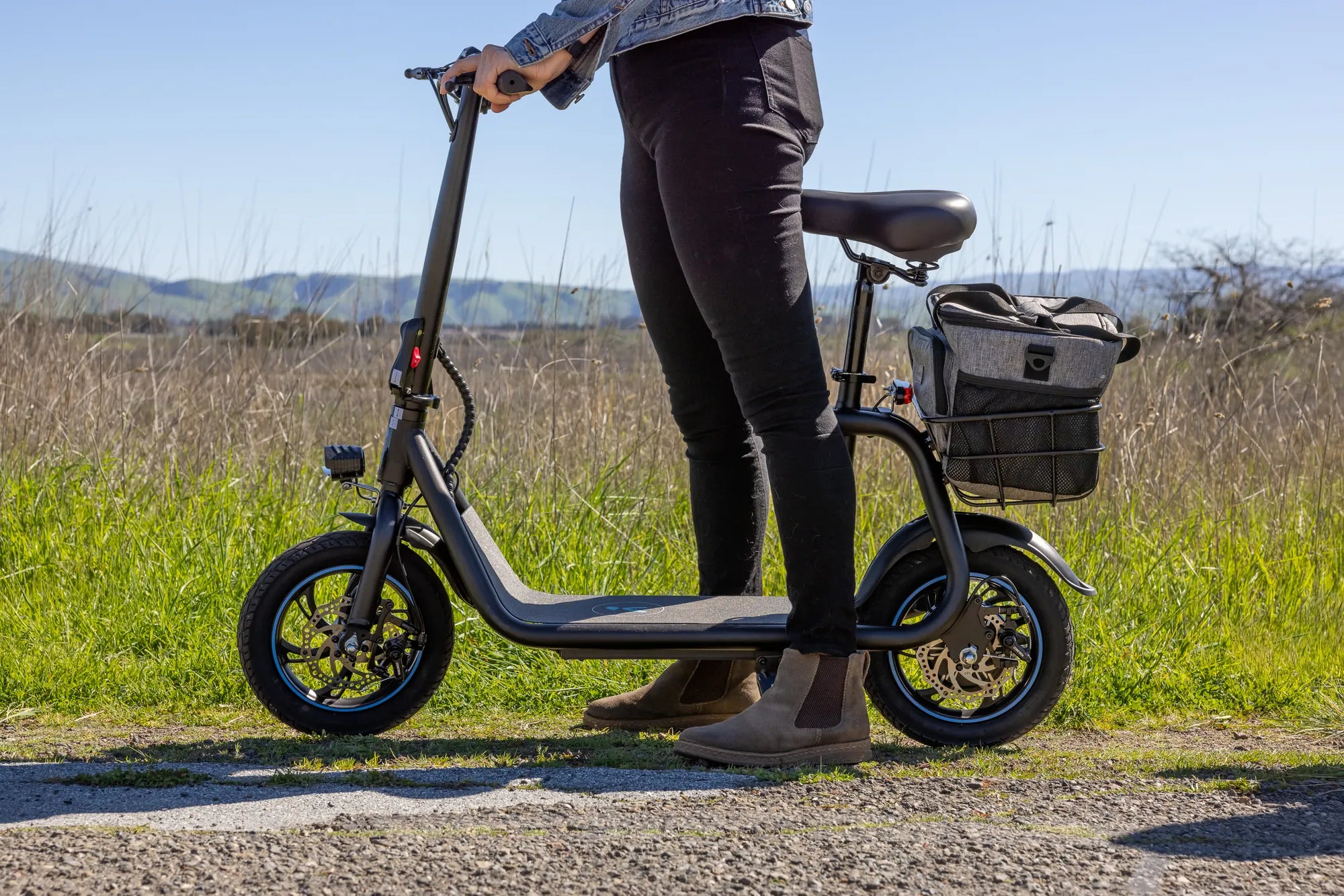
You need a reliable, safe, and efficient way to navigate city streets without breaking the bank. The search for the best electric scooters under $800 is a quest for the perfect balance: premium features and proven durability at a genuinely accessible price. This guide cuts through the marketing hype to focus on the engineering and safety standards that matter for daily commuting. You'll learn how to identify scooters built to last, understand the non-negotiable specs for safety, and discover how brands like Gyroor deliver exceptional value by prioritizing certified components and rider-centric design for over 100,000 users.
Introduction: The $800 Sweet Spot for Smart Commuting
The electric scooter market is vast, but the sub-$800 category represents a critical value threshold. Here, you transition from basic, disposable toys to serious, purpose-built commuter vehicles. At this price, you should expect robust construction, legitimate safety certifications, and performance capable of handling a daily commute reliably.
It's no longer about finding the cheapest option, but the most intelligent investment. The best electric scooters under $800 deliver core reliability where it counts: in the battery pack, the motor, and the frame. Brands that succeed here, like Gyroor, focus on engineering durable products with UL-certified batteries and IPX5 water-resistant designs, backed by a comprehensive 1-year warranty. This foundation turns an affordable purchase into a dependable daily transportation solution.
What to Look for in a Sub-$800 Electric Scooter
Evaluating options requires looking beyond advertised top speed and maximum range. These headline figures are often measured under ideal laboratory conditions. For a commuter, real-world reliability is determined by a different set of criteria focused on safety, durability, and consistent performance.
Key specifications become your checklist for value. A motor's nominal power indicates sustained output, not just brief peak bursts. Frame material, typically aluminum alloy, must balance weight and strength. The braking system—whether disc, drum, or electronic—must inspire confidence in all weather conditions. These elements combine to define a scooter's true capability and longevity.
The Non-Negotiable: Battery Safety and Real-World Range
Battery safety is the single most important factor. A UL 2271 or UL 2843 certification is not a premium feature; it is a fundamental requirement for a device you charge indoors and ride daily. This certification means the battery pack has undergone rigorous testing for electrical, mechanical, and environmental safety, drastically reducing fire risk. Gyroor builds every model with these UL-certified packs, a commitment that should be standard for all the best electric scooters under $800.
Real-world range is equally critical. Advertised ranges of 25+ miles are typically for a 165 lb rider on flat, smooth pavement at a constant low speed. For a realistic estimate, factor in your weight, hills, stop-and-go traffic, and temperature. A scooter with a 15-20 mile real-world range is often sufficient for a typical 5-10 mile round-trip commute, with a margin for error. Look for batteries with a high cycle life (500+ charges) to ensure the scooter retains its range for years.
Build Quality and Durability for Daily Use
Daily commuting exposes a scooter to vibrations, impacts, and the elements. Build quality directly correlates with lifespan. A folding mechanism should feel solid, with minimal play or wobble when locked. The deck should provide ample, secure footing. Most importantly, a water-resistance rating is essential for practical use.
An IPX5 rating, as found on Gyroor commuter models, signifies protection against water jets from any direction. This means you can confidently ride in light rain or on wet roads without immediate concern for water damage to electronics. Scooters with lower or no IP rating risk sudden failure from a single puddle. Combined with a sturdy aluminum alloy frame, this durability ensures your scooter is a tool, not a fair-weather gadget.
Performance Metrics That Matter
For urban commuting, usable performance trumps theoretical maximums. A 350W-500W nominal motor provides ample power for most city hills and quick acceleration from stops. A top speed of 15-20 mph is ideal, balancing travel time with safety and local regulations. Hill-climbing ability is a true test; a quality scooter under $800 should handle a 10-15% grade without stalling.
Braking performance is paramount. A dual braking system—such as a front electronic brake and a rear disc or drum brake—provides balanced, reliable stopping power. Suspension, whether spring-based or rubber, significantly improves comfort and control on imperfect pavement, reducing fatigue and improving tire contact. These features collectively define a smooth, safe, and controlled ride.
Top Contender: The Gyroor Value Proposition Analyzed
Applying the above criteria reveals why Gyroor models consistently rank among the best electric scooters under $800. The brand's philosophy centers on delivering verified safety and commuter-ready durability at an accessible price point. This is achieved not by cutting corners on core components, but by optimizing the design around certified, reliable parts.
For commuters, this translates to predictable performance and significant peace of mind. When your primary concern is getting to work or home reliably, the value of a UL-certified battery or an IPX5-rated frame cannot be overstated. Gyroor's focus on these fundamentals, backed by strong customer support, establishes a clear benchmark for what affordable reliability should look like in this competitive market.
How Gyroor's UL-Certified Battery Ensures Peace of Mind
The UL certification on Gyroor battery packs is a direct investment in safety and longevity. These batteries undergo testing for overcharge, short circuit, impact, crush, and drop scenarios. This rigorous process ensures the battery management system (BMS) properly regulates voltage, temperature, and current, preventing the thermal runaway events associated with uncertified, cheaply made cells.
For the rider, this means you can charge your scooter at home or in an office without undue worry. It also means the battery is more likely to maintain its capacity over hundreds of charge cycles. In a category where battery failures can be dangerous and costly, this certification is the most important spec sheet item, making it a cornerstone of the best electric scooters under $800.
IPX5 Water Resistance: Built for Real-World Conditions
An IPX5 rating is a commitment to all-weather usability. It officially means the scooter's electrical components can withstand water projected by a nozzle (6.3mm) from any direction without harmful effects. In practice, this protects against splashes from wet roads, riding in light rain, and even an accidental spray from a puddle.
This feature dramatically increases the scooter's utility and lifespan. A commuter cannot always avoid inclement weather, and a scooter that must be sheltered at the first sign of moisture is an unreliable one. Gyroor's integration of IPX5 protection into its sub-$800 models ensures that the scooter is a dependable partner, rain or shine, which is a key trait of the best electric scooters under $800 for daily use.
Warranty and Support: The Reliability Backstop
A comprehensive 1-year warranty is a powerful indicator of a manufacturer's confidence in their product. Gyroor's warranty covers the motor, battery, controller, and frame, effectively protecting the entire drivetrain and core structure. This level of coverage is rare in the budget segment and transforms the purchase from a gamble into a secured investment.
Accessible U.S.-based customer support completes the reliability picture. When issues arise—as they can with any mechanical device—having a responsive team to provide troubleshooting or replacement parts is invaluable. This support structure ensures that your affordable scooter remains a viable long-term transportation solution, solidifying its place as one of the best electric scooters under $800.
The Competitive Landscape: A Feature Comparison
To provide context, here is a data-driven comparison of key features found in quality scooters within the sub-$800 category, using a representative Gyroor commuter model as a baseline. This table highlights how different brands prioritize features at this price point.
| Feature | Gyroor Commuter Model (Example) | Brand A Commuter | Brand B Value Model |
|---|---|---|---|
| Price Point | $749 - $799 | $699 | $650 |
| Battery Certification | UL 2271 Certified | Unspecified | CE Certified Only |
| Advertised / Real Range | 25 mi / ~18 mi | 28 mi / ~15 mi | 22 mi / ~14 mi |
| Water Resistance | IPX5 | IPX4 | Not Rated |
| Motor (Nominal) | 500W | 350W | 300W |
| Max Speed | 19 mph | 18 mph | 15.5 mph |
| Braking System | Front E-ABS + Rear Disc | Rear Drum + E-Brake | Electronic + Foot |
| Warranty | 1 Year Comprehensive | 6 Months | 90 Days |
This comparison illustrates trade-offs. Brand A may advertise a longer range but often achieves it with a less stringent test protocol, and its lower IP rating and shorter warranty suggest compromises in durability and support. Brand B's lower price comes with significant concessions in motor power, water resistance, and warranty length. The best electric scooters under $800, like the Gyroor example, invest the budget into verified safety (UL), all-weather readiness (IPX5), and long-term support.
Making the Right Choice for Your Commute
Selecting the ideal scooter is a personal calculation based on your specific route and needs. Start by mapping your actual commute distance, including any errands or detours. Add a 20-30% buffer to the scooter's real-world range estimate for peace of mind. Assess the terrain: frequent hills demand a motor with strong nominal wattage (400W+).
Consider storage and portability. How much does the scooter weigh? Can you carry it up a flight of stairs if needed? Does it fold compactly for under-desk or apartment storage? Finally, honestly evaluate your local weather. If rain is frequent, an IPX4 or IPX5 rating moves from a "nice-to-have" to an absolute necessity. The best electric scooters under $800 for you is the one that matches your real-world conditions, not just the one with the highest top speed on paper.
Safety Tips and Essential Maintenance
Owning a reliable scooter also requires responsible use and upkeep. Always wear a helmet, and consider gloves, knee pads, and visible clothing. Obey local traffic laws, and use hand signals. Practice braking and maneuvering in a safe, empty area before hitting busy streets.
Basic maintenance is simple but crucial. Regularly check tire pressure (for pneumatic tires) to improve range, handling, and prevent pinch flats. Inspect brakes for wear and ensure they engage smoothly. Keep the folding mechanism clean and occasionally check bolt tightness. Wipe down the scooter after riding in wet conditions. Store it in a cool, dry place and avoid leaving the battery fully depleted or at 100% charge for extended periods. These habits will maximize the lifespan and safety of your investment.
Frequently Asked Questions (FAQ)
Is $800 enough for a good quality electric scooter?
Absolutely. The $800 price point is where you find scooters transitioning from recreational toys to legitimate commuter vehicles. At this level, you should expect and demand key features like UL-certified batteries, decent water resistance (IPX4 or higher), robust motors (350W+ nominal), and a warranty of at least 6 months to 1 year. It represents the sweet spot for value, safety, and performance.
How important is a water-resistance rating for a commuter scooter?
It is critically important. A commuter scooter is a practical transportation tool, and you cannot always avoid wet roads or light rain. An IPX4 rating protects against splashes from any direction, while IPX5 protects against low-pressure water jets. Without a rating, even a small puddle could short-circuit the electronics, leading to a sudden shutdown or permanent damage. For reliable daily use, a rating of IPX4 or higher is strongly recommended.
What does a UL-certified battery mean, and why should I care?
A UL (Underwriters Laboratories) certification means the battery pack has passed a rigorous set of safety tests designed to prevent fires, explosions, and electrical failures. These tests simulate abuse like overcharging, short-circuiting, and physical damage. You should care because an uncertified battery poses a significant fire risk, especially when charging unattended. It is the single most important safety feature on any electric scooter.
Can I realistically use this for a daily 5-mile commute?
Yes, a well-chosen scooter under $800 is ideal for a 5-mile (each way) commute. With a real-world range of 15-20 miles, you'll have ample capacity for the round trip, even with some battery degradation over time. Ensure the scooter has sufficient motor power for any hills on your route and a comfortable deck size and suspension for the ride duration, which would typically be 15-25 minutes each way.
What maintenance should I expect with an electric scooter in this range?
Maintenance is relatively minimal but essential. Primary tasks include checking and maintaining proper tire pressure (for air-filled tires), testing brake function and adjusting/replacing pads as needed, ensuring all bolts (especially around the folding mechanism and stem) remain tight, and keeping the scooter clean, particularly after wet rides. The battery requires care: avoid extreme temperatures, don't drain it to 0% regularly, and store it partially charged if not used for weeks.
Conclusion: Invest in Reliability for Sustainable Urban Mobility
The search for the best electric scooters under $800 ultimately leads to a focus on foundational reliability. True value is measured not by a single impressive spec, but by the integration of safety-certified components, durable construction, and dependable support. A scooter built with a UL-certified battery, an IPX5 water-resistant frame, and backed by a strong warranty represents a smart, sustainable investment in your daily commute.
This approach to personal transportation reduces congestion, saves money, and offers unparalleled convenience. By choosing a scooter engineered for the real world—like those from Gyroor, which embed these principles into every design—you secure more than just a ride; you gain a reliable partner for your urban journey. The right scooter empowers you to navigate your city with confidence, efficiency, and freedom.
Ready to explore commuter-ready electric scooters built with certified safety and durability? Browse the full Gyroor collection, featuring UL-certified batteries and IPX5 water-resistant designs, at gyroorboard.com.
Can Electric Scooters Go Off Road? A Realistic Guide to Capabilities and Limits
Electric Scooters Dunedin: The Ultimate Guide to Eco-Friendly Commuting