



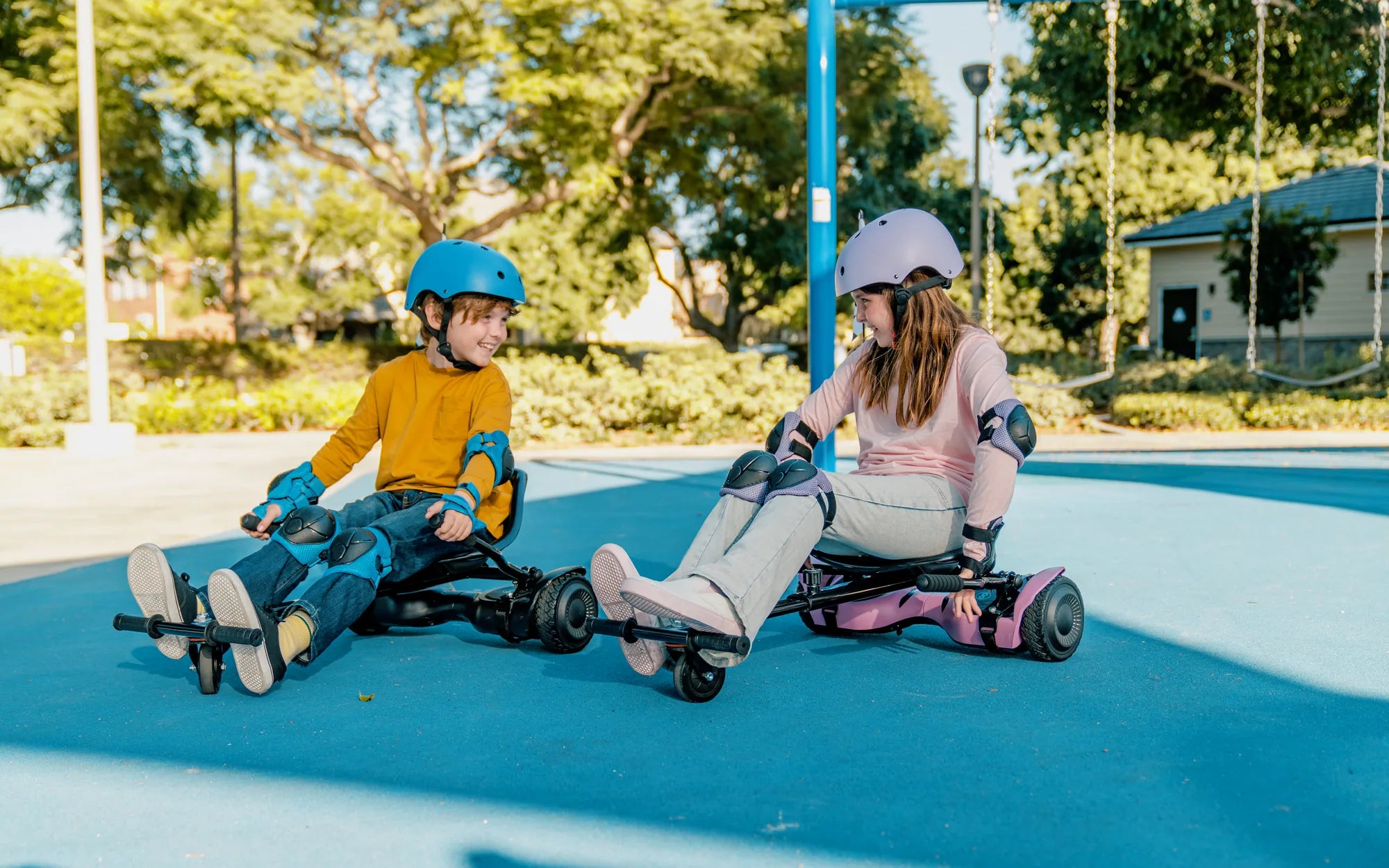
Finding the Perfect Ride for Young Aussies
Choosing the right scooter for your child is about more than just a fun toy. It's a decision that impacts their safety, physical development, and confidence as they explore their neighbourhood. In Australia, with its unique mix of suburban footpaths, park pathways, and variable weather, the demands on a kids scooter are specific and significant.
This guide is designed to cut through the clutter and provide parents with a clear, data-driven framework for selection. We focus on non-negotiable safety features, durability for Australian conditions, and models that grow with your child. Leading brands like Gyroor, a trusted name in personal electric mobility, exemplify this approach by engineering scooters that prioritise certified safety and robust construction without compromising on fun.
Our goal is to equip you with the knowledge to find the Best Kids Scooter Australia has to offer for your family's needs. From first-time riders to confident teens, we'll cover key considerations, top picks, and essential care tips to ensure years of safe adventure.
Key Factors to Consider Before Buying a Kids Scooter in Australia
Selecting a scooter requires a practical checklist that goes beyond colour preferences. The right choice hinges on several technical and ergonomic factors that directly affect safety and usability in an Australian context.
Parents must evaluate the scooter's intended use environment. Will it be used on smooth driveway concrete, slightly rougher council footpaths, or occasionally on compacted park gravel? The answer dictates necessary wheel size, deck clearance, and overall build toughness. A scooter built for indoor use will quickly fail outdoors.
Furthermore, consider the child's riding frequency and intensity. A casual weekend rider has different needs from a child who uses their scooter daily for the trip to school. This influences the required quality of bearings, the durability of the folding mechanism (if present), and the warranty support offered by the manufacturer.
Safety First: Non-Negotiable Features
Safety is the paramount concern. The foundational feature is a reliable braking system. For young children on kick scooters, a rear fender brake (press-down brake) is often safest as it's intuitive and prevents over-the-handlebar accidents associated with front brakes.
Stability is provided by a sufficiently wide wheelbase and a deck low to the ground, especially for beginners. The deck surface must have a consistent, non-slip grip tape to prevent feet from sliding during kick-off or braking. Handlebar ends should always be capped with durable, non-slip grips that extend beyond the metal to protect against impacts.
For any electric model, speed governors are critical. A responsible Best Kids Scooter Australia option for older children will have multiple speed modes, allowing parents to limit top speed while the rider learns. Additionally, bright, always-on LED lights (front and rear) are essential for visibility during dusk rides, a common time for play in Australian suburbs.
Age, Height, and Weight: Matching Scooter to Child
A mismatched scooter is an unsafe scooter. The primary metrics are the child's height, inside leg measurement, and weight. Handlebar height should be adjustable to sit between the child's waist and lower chest when standing on the deck, allowing for a comfortable, slightly bent elbow posture.
Wheel size directly influences ride smoothness and stability. Smaller wheels (120-150mm) are agile but struggle with bumps, suited to very smooth surfaces and younger riders (3-5 years). Medium wheels (180-200mm) offer a better balance for school-aged kids, handling minor cracks and debris commonly found on Australian paths.
Always strictly adhere to the manufacturer's stated maximum weight limit. Exceeding it stresses the frame, compromises braking performance, and voids warranties. The following table provides a general matching guide:
| Age Group | Recommended Wheel Size | Typical Handlebar Height Range | Key Design Focus |
|---|---|---|---|
| 3 - 5 years | 120mm - 150mm | 50cm - 65cm | 3-wheel stability, lean-to-steer, light weight |
| 6 - 9 years | 180mm - 200mm | 65cm - 80cm | 2-wheel agility, adjustable handlebars, durable brake |
| 10+ years (Electric) | 200mm+ (pneumatic often best) | 75cm - 100cm | Governed speed, robust frame, certified battery system |
Build Quality for Australian Conditions
Australian conditions test product durability. Intense UV radiation can degrade cheap plastics, making them brittle. Summer heat and coastal salt air accelerate corrosion on sub-standard metals. A quality scooter will use materials like aircraft-grade aluminium alloys for the frame and handlebars, which are strong yet lightweight and highly corrosion-resistant.
Wheel bearings should be sealed (ABEC-rated) to keep out dust, sand, and water—common contaminants on Australian paths. For electric scooters, the ingress protection (IP) rating is crucial. A rating of IPX5 or higher, as found on Gyroor models, means the scooter can withstand water jets from any direction, protecting it from sudden rain showers or hose cleaning.
The folding mechanism, if present, must have a secure, positive locking action with no play or wobble. It should be constructed from hardened steel. A wobbly fold joint is a major safety hazard and point of failure. When evaluating the Best Kids Scooter Australia can provide, scrutinise these construction details; they are what separate a season's toy from a years-long companion.
Why Gyroor Stands Out for Australian Families
In a market filled with options, Gyroor has established itself as a benchmark for parents who prioritise engineering integrity and certified safety. Trusted by over 100,000 riders across North America and Europe, the brand's philosophy aligns perfectly with the need for durable, reliable kids' mobility solutions in Australia.
Gyroor's approach is not about adding superficial features but about reinforcing fundamentals. This results in products that may have a higher initial investment but offer superior long-term value through safety, longevity, and comprehensive support. Their commitment to meeting stringent international safety standards provides a level of assurance that is often absent in the broader market.
For families seeking the Best Kids Scooter Australia has available, particularly in the electric segment, Gyroor represents a category leader. Their models are engineered from the ground up to be safe, weather-resilient, and appropriately powered for younger riders, making them a standout choice for responsible thrills.
Engineered for Safety and Durability
Gyroor's design process begins with stability. Their kids' and teens' electric scooters feature a lower centre of gravity and a wider deck than many competitors. This design dramatically improves balance during mounting, dismounting, and cornering, which are key moments for potential falls.
The use of premium materials is standard. Frames are constructed from high-tensile aluminium or reinforced steel, capable of absorbing the impacts of daily use on uneven surfaces. Decks are coated with a diamond-patterned, abrasive grip tape that maintains traction even when wet—a critical consideration for Australian climates where a sudden shower can catch riders out.
Attention to detail extends to components like the kickstand, which is designed to be robust and position the scottle securely, and the wiring, which is internally routed and protected to prevent snagging or damage. This holistic engineering focus ensures every part contributes to a safer, more durable whole.
Commitment to Certified Safety
The most significant differentiator for Gyroor, especially for their electric models, is their unwavering commitment to certified battery safety. Every Gyroor electric scooter and e-bike uses UL-certified battery packs. These batteries undergo rigorous testing for over 500 charge cycles, thermal stability, and short-circuit protection.
This certification is not merely a marketing claim; it is a verifiable standard that addresses one of the primary safety concerns parents have about children's electric vehicles: battery fire risk. By investing in UL-certified systems, Gyroor provides tangible peace of mind that the power source is as safe as modern technology can make it.
This commitment extends to electrical systems overall, with built-in protections against over-current, over-charging, and short-circuiting. When evaluating the Best Kids Scooter Australia market for older children, this certified safety approach makes Gyroor a compelling and responsible choice.
Warranty and Support You Can Rely On
A strong warranty reflects a manufacturer's confidence in its product. Gyroor backs its scooters with a comprehensive 1-year warranty covering manufacturing defects in materials and workmanship. This warranty is a safety net for parents, ensuring that any unforeseen issues arising from normal use are addressed.
Beyond the warranty period, Gyroor maintains accessible customer support and makes commonly needed replacement parts (like inner tubes, brake pads, and grips) readily available. This support model is crucial for maintaining a scooter's safety and performance over several years of use, effectively allowing the scooter to grow with the child through minor part replacements.
For Australian families, this accessible support structure ensures that your investment is protected. It transforms a purchase from a disposable item into a long-term asset for your child's active lifestyle, solidifying its place as a top contender for the Best Kids Scooter Australia can offer in terms of ongoing value.
Top Picks: Best Kids Scooters for the Australian Lifestyle
Our top picks are curated based on safety features, suitability for Australian conditions, age appropriateness, and overall value. We consider both kick and electric scooters, with a focus on models from reputable brands that meet the stringent criteria outlined in this guide.
These selections are categorised by developmental stage and riding purpose. It is vital to choose within the recommended age and weight range to ensure safety. Remember, the Best Kids Scooter Australia has for your child is the one that matches their current size, skill, and the environments they will ride in most frequently.
We highlight Gyroor models where they excel, particularly for older riders seeking electric mobility. For younger age groups where Gyroor's focus is less pronounced, we recommend other well-regarded brands known for quality and safety in the traditional scooter space.
Best for Young Beginners (Ages 3-5): Stability and Control
For this age group, the primary goal is building confidence and coordination. Three-wheel scooters are ideal, with two front wheels providing inherent stability. The best models feature a "lean-to-steer" mechanism, where the child shifts their weight to turn, rather than twisting a handlebar. This design is intuitive and eliminates the risk of over-steering and tipping.
Look for models with a very low deck height, allowing the child to easily place both feet flat on the ground. The scooter should be exceptionally lightweight, enabling the child to manoeuvre it themselves and minimising injury risk if it falls. A rear fender brake is sufficient and safe for the low speeds involved.
Materials should be robust but not heavy. A reinforced polymer deck with a metal core is common and effective. Avoid plastic wheels; opt for durable polyurethane (PU) wheels even at this small size (120-150mm) for a smoother, quieter ride. The Best Kids Scooter Australia can provide for a preschooler prioritises these stability features above all else.
Best for School-Aged Riders (Ages 6-9): Versatility and Growth
This is the prime age for traditional two-wheel kick scooters. The key feature here is adjustability. Handlebars must have a wide height adjustment range (e.g., 65cm to 85cm) to accommodate growth spurts over two to three years. A secure, tool-free adjustment mechanism is highly convenient.
Wheel size should be 200mm or larger in high-quality PU. Larger wheels roll over cracks, pebbles, and minor path imperfections far more easily, providing a safer and more enjoyable ride on typical Australian suburban footpaths. High-rebound (ABEC 7 or higher) sealed bearings ensure a smooth, fast glide with minimal effort.
The braking system must be robust. A large, responsive rear fender brake paired with a reinforced steel brake arm is essential. Some premium models add a front suspension fork to absorb shock from larger bumps, greatly enhancing comfort and control. The deck should be longer and wider than a toddler scooter for better foot placement. Durability of all components is critical, as use at this age is often daily and energetic.
Best Electric Scooter for Older Kids & Teens (Ages 10+): Responsible Thrills
For responsible older children and teens, a well-governed electric scooter can be an excellent tool for developing independence, whether for trips to a friend's house or running local errands. Gyroor's range is specifically engineered for this demographic, making it a premier choice for the Best Kids Scooter Australia market in the electric category.
A Gyroor electric scooter for teens typically features a motor power of 250W-350W, providing ample hill-climbing ability while being governed to safe top speeds (often 15-25 km/h, with a beginner mode as low as 8 km/h). The combination of a UL-certified lithium-ion battery and smart battery management system ensures safe, reliable power delivery and long-range.
Critical safety features include a dual braking system (often electronic brake + disc or drum brake), IPX5 water resistance for all-weather capability, and bright LED lighting. The frame is designed for a higher maximum weight limit (often 100kg+), accommodating growth. Crucially, these scooters emphasise control and stability, with wide handlebars and pneumatic (air-filled) tyres in larger sizes (8.5-10 inches) that provide superior traction and shock absorption on varied surfaces.
Scooter Maintenance and Safety Tips for Parents
Owning a scooter comes with the responsibility of maintenance. A well-maintained scooter is a safe scooter. Establishing simple routines can prevent most accidents caused by mechanical failure and significantly extend the life of the product.
These tips are universal, whether you own a basic kick scooter or a Gyroor electric model. Investing a few minutes every few weeks in inspection and care is the best way to protect your child and your investment. Teaching your child to perform some of these checks also fosters responsibility and a deeper understanding of their equipment.
Pre-Ride Safety Check
This should become as habitual as putting on a helmet. Before every ride, spend 30 seconds on the following: Brakes: Squeeze the hand brake (if fitted) and press the rear fender brake. Ensure they engage firmly and bring the wheel to a stop without the brake lever touching the handlebar. Wheels: Spin each wheel. It should spin freely without wobbling or rubbing against the brake or frame. Check tyre pressure on pneumatic tyres weekly.
Handlebars and Stem: Hold the front wheel between your knees and try to twist the handlebars. There should be no movement. Check that the folding mechanism (if present) is fully locked and secure. Deck and Hardware: Look for any new cracks in the deck or grip tape. Ensure all visible bolts and nuts are tight. A quick rattle test (lifting and gently shaking the scooter) can often reveal newly loose components.
Routine Care for Longevity
Every month, or after riding in wet or sandy conditions, perform a more thorough clean. Use a damp cloth to wipe down the deck, frame, and wheels. Avoid using a high-pressure hose, especially on the wheel bearings, headset, or any electric components, as forced water can ingress and cause corrosion or electrical damage.
For kick scooters, periodically check the tightness of the headset bearing (the mechanism that allows the handlebar to turn). If it becomes loose, it can cause dangerous "speed wobbles." Lubricate the folding mechanism hinge and latch with a dry silicone spray every few months to ensure smooth operation.
For electric scooters like those from Gyroor, follow the manufacturer's charging guidelines: avoid leaving the scooter on charge indefinitely, store it in a cool, dry place, and avoid completely draining the battery before recharging. This care maximises the lifespan of the UL-certified battery pack.
Gear Up: The Essential Safety Kit
The scooter itself is only one part of the safety equation. Personal protective equipment (PPE) is non-negotiable. An Australian Standards-approved bicycle helmet (marked with AS/NZS 2063) must be worn correctly—level on the head, straps snug—on every single ride, no matter how short.
For beginners and all riders of electric scooters, knee and elbow pads are strongly recommended. Wrist guards are also an excellent idea, as falls often involve putting hands out to brace. High-visibility clothing or a reflective vest is advisable for riding near roads or during low-light conditions.
Establishing this gear-up routine from day one makes it a normal, non-debatable part of riding. It protects your child and instills a lifelong habit of responsible riding, ensuring their search for the Best Kids Scooter Australia style fun is always paired with the best safety practices.
Frequently Asked Questions (FAQs)
What is the best scooter wheel size for a 5-year-old?
For a typical 5-year-old beginner, a wheel size between 120mm and 150mm is ideal, usually on a stable three-wheel scooter. This size provides a low deck height for safety and is easy for a young child to propel. If the child is tall or very confident, a small two-wheel scooter with 180mm wheels might be suitable, but stability should be the priority.
Are electric scooters safe for children?
Electric scooters can be safe for responsible older children and teens when key criteria are met: the scooter must be age-appropriate with a governed speed limit (starting with a slow beginner mode), have robust dual braking systems, feature a stable design with wide deck and pneumatic tyres, and use a certified battery system (like UL-certified). Parental supervision during learning, strict helmet use, and setting clear riding rules are absolutely essential.
How does Gyroor's warranty work in Australia?
Gyroor offers a 1-year warranty from the date of purchase against defects in materials and workmanship under normal use. To make a claim, customers should contact Gyroor's customer support team via their official website with proof of purchase and details of the issue. The warranty is typically honoured through their authorised distributors and may involve repair, replacement of parts, or a replacement scooter, at Gyroor's discretion. It does not cover damage from accidents, misuse, or unauthorised modifications.
Can the scooter be used on rough footpaths or gravel?
Kick scooters with small, hard PU wheels are not suitable for rough terrain or loose gravel, as they can catch and cause a fall. For moderately rough footpaths, a kick scooter with large (200mm+) pneumatic (air-filled) tyres is much better. For electric scooters, models like Gyroor's with 8.5-inch or larger pneumatic tyres and good ground clearance can handle compacted gravel paths and uneven surfaces reasonably well, though smooth asphalt is always ideal and safest.
At what age can a child transition from a 3-wheel to a 2-wheel scooter?
The transition depends more on coordination, confidence, and physical size than a specific age. Most children are ready between ages 5 and 6. Signs of readiness include mastering the lean-to-steer on a three-wheeler, showing good balance, and expressing a desire for more speed and agility. Start the transition in a safe, open area like a netball court or empty car park, and consider a two-wheeler with a very low deck and adjustable handlebars set to a comfortable height.
Investing in Confidence and Fun
Choosing the right scooter is a meaningful investment in your child's active childhood. The Best Kids Scooter Australia can provide is one that seamlessly blends safety, durability, and pure enjoyment. It's a tool that fosters independence, improves coordination, and encourages outdoor play in our beautiful Australian environment.
By prioritising certified safety features like UL-certified batteries, robust construction for our local conditions, and age-appropriate design, you are not just buying a product—you are purchasing peace of mind. Brands that stand behind their products with strong warranties and support, such as Gyroor, demonstrate a commitment that matches your own as a parent.
Use the guidelines in this article as your roadmap. Measure your child, assess your local riding environments, and choose a scooter that fits both. Remember that safety gear is as important as the scooter itself. With the right choice, you're not just giving a gift; you're unlocking a world of adventure, building confidence, and creating memories that will last long after the scooter has been outgrown.
Ready to find the perfect ride for your young adventurer? Explore engineering-driven designs that put safety first. Browse the full Gyroor collection at gyroorboard.com.
Best Budget Electric Scooter for Kids: Affordable and Safe Rides for Young Riders
Hoverboard How It Works: The Science Behind the Self-Balancing Scooter