


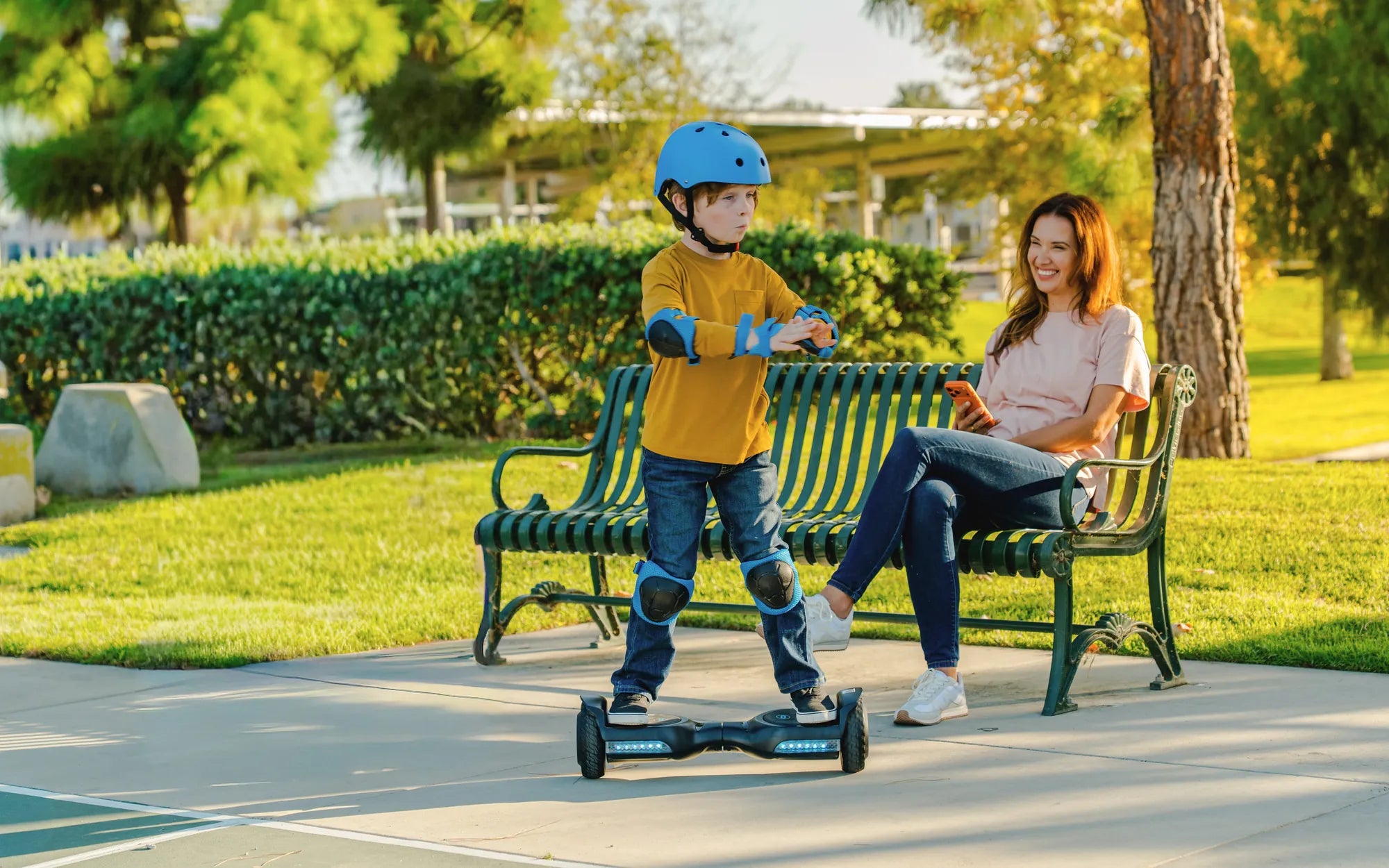
Introduction: Unleashing Adventure, Prioritizing Safety
The call of the trail is powerful for a young explorer. An off-road electric scooter unlocks a new dimension of outdoor play, transforming a backyard or park path into a landscape of adventure. However, this excitement must be perfectly balanced with unwavering safety. This guide serves as your comprehensive resource for finding the best off road scooter for kids, where capability meets security.
We will dissect the engineering and features that define a true off-road machine for young riders. You'll learn to evaluate critical components from tires to brakes. Trust is paramount, which is why we highlight brands like Gyroor, a leader trusted by over 100,000 families for building durable, UL-certified electric scooters and e-bikes designed for real-world use.
Defining a kids' off-road scooter goes beyond a simple label. It involves specific construction: pneumatic tires for traction, a robust motor for gentle inclines, a reinforced frame, and integrated safety systems. This guide provides the knowledge to make an informed choice, ensuring adventures are both thrilling and secure from the first ride onward.
What Makes a Scooter Truly "Off-Road" for Kids?
Not all scooters labeled for rough terrain are created equal. True off-road capability for children is a specific engineering challenge, blending performance with inherent safety limits. It's about controlled power, resilient construction, and design that inspires confidence on uneven ground.
The core differentiators lie in a few key technical areas. Parents should look beyond top speed and focus on how a scooter manages variable surfaces like hard-packed dirt, gravel, grass, and mild slopes. The right features transform a bumpy ride into a smooth adventure.
Tire Type and Size: Traction is Everything
This is the most critical contact point. For off-road use, air-filled (pneumatic) tires are non-negotiable. They provide essential shock absorption, smoothing out bumps and reducing strain on the scooter's frame and the rider's body. Solid rubber tires offer no give, making for a jarring, unstable ride on trails.
Optimal tire width for kids' models is typically between 8 to 10 inches. Wider tires offer greater stability and a larger contact patch for improved grip. The tread pattern is equally important; look for deep, multi-directional lugs designed to shed mud and bite into loose surfaces, unlike the shallow treads on pavement-only scooters.
Motor Power and Speed Control: Balanced Performance
Motor wattage (e.g., 150W to 350W) is often misunderstood. For off-roading, it's less about raw speed and more about torque—the power to climb gentle hills and maintain momentum on soft surfaces. A 250W motor with good torque is often more suitable than a high-speed, low-torque alternative.
Speed control is the guardian of safety. The best off road scooter for kids will feature multiple, parent-restrictable speed modes (e.g., Beginner: 5 mph, Medium: 9 mph, Advanced: 12+ mph). This allows skills to develop gradually. Parental controls via a dedicated app or physical key are essential for setting hard limits.
Frame and Build Quality: Withstanding the Bumps
The frame must be a shock-absorbing structure. Aerospace-grade aluminum alloy is the standard for a reason: it's strong, relatively lightweight, and resistant to corrosion. Critical points like the folding stem mechanism, neck, and deck reinforcements must be over-engineered to handle repeated impacts.
Always check the manufacturer's stated weight capacity. A robust off-road scooter for kids should support a minimum of 150 lbs, ensuring a significant safety margin beyond the child's current weight. This durability directly correlates to the scooter's longevity and safe operation when ridden actively.
Top Safety Features You Cannot Compromise On
Performance means nothing without safety. When evaluating the best off road scooter for kids, certain features are absolute requirements, not luxuries. These systems work in concert to prevent accidents and protect the rider when the unexpected happens on variable terrain.
Off-road conditions introduce unique hazards: loose traction, unexpected obstacles, and variable braking surfaces. The scooter's design must actively compensate for these challenges. This checklist forms the non-negotiable foundation of a safe purchase.
Braking Systems: Reliable Stopping Power
Effective braking is exponentially more important off-road. A combination braking system is the gold standard. A front disc brake provides strong, consistent stopping power even in wet or muddy conditions where other brakes can fail.
This should be paired with a rear electronic (E-ABS) or drum brake. This dual-system provides vital redundancy; if one system is compromised, the other remains. It also allows for controlled braking to prevent skidding on loose terrain, a common cause of falls.
Battery Safety and Certification: The Heart of Trust
The battery is the most critical safety component. Insist on a UL 2271 or UL 2843 certified lithium-ion battery pack. This independent certification, a core standard for Gyroor, means the battery has passed rigorous tests for electrical, mechanical, and environmental safety, drastically reducing risks of overheating.
For off-road use, water resistance is crucial. A rating of IPX5 means the scooter's electrical components can withstand low-pressure water jets from any direction—perfect for riding through puddles or in light rain. Never compromise on verified certification and ingress protection.
Stability and Control: Design Elements that Matter
Stability starts with a wide, textured deck that allows the rider to adjust footing securely. The handlebars should be ergonomically shaped and covered with non-slip grip tape. A lower center of gravity, achieved through smart battery placement, makes the scooter less tippy on side slopes.
Bright LED headlights and taillights are essential safety features, not just for night riding. They significantly increase visibility in shaded wooded areas or during overcast days. A loud, electronic horn is also a valuable tool for alerting others on shared paths.
Gyroor's Approach to Kid-Friendly Off-Road Engineering
Gyroor engineers its products with a clear philosophy: adventure should be accessible, but never at the expense of safety or durability. This approach is reflected in specific design choices and quality assurances that directly address the concerns of parents and the needs of young riders.
With a community of over 100,000 riders and a 4.5/5 average rating, Gyroor's commitment is proven in real-world use. Their focus on certified safety, robust construction, and parental control creates a ecosystem where fun and responsibility coexist.
Engineering for Durability: The IPX5 and Warranty Promise
Gyroor's IPX5 water-resistant rating is a benchmark for kid-friendly off-roading. It practically means the scooter can handle wet grass, muddy splashes, and sudden rain showers without electrical failure. This resilience is built into the battery compartment, deck seals, and display units.
This durability is backed by a comprehensive 1-year warranty and accessible U.S.-based customer support. This warranty coverage provides long-term peace of mind, knowing the investment is protected against manufacturing defects, even when the scooter is used as intended on varied terrain.
Parental Peace of Mind: Speed Limits and Control
Gyroor integrates layered parental controls. Many models feature app connectivity that allows parents to set a maximum speed limit directly from their phone, effectively creating a custom, unchangeable mode for their child. This digital limit pairs with physical speed mode buttons on the scooter itself.
For added security, some models include a physical ignition key. This prevents unauthorized use and can serve as a simple way to lock the scooter's electronics. This multi-layered approach gives parents tangible control while allowing the scooter to "grow" with the child's improving skills.
Choosing the Right Model: A Practical Comparison for Parents
Selecting the best off road scooter for kids depends on the child's age, size, skill level, and the intended terrain. The following comparison highlights key specifications parents should compare. Note: Always verify the latest specs against the manufacturer's website.
| Feature / Model Type | Junior Explorer (Ages 8-10) | Trail Adventurer (Ages 10-13) | Performance Focus |
|---|---|---|---|
| Motor Power | 150W - 250W | 250W - 350W | Torque for hills, not just top speed |
| Max Speed (Adjustable) | 10 mph (limited to 7 mph in beginner mode) | 15 mph (with app-based parental lock) | Controlled, gradual progression is key |
| Range per Charge | 8-10 miles | 12-18 miles | Varies significantly with terrain and rider weight |
| Tire Type | 8.5" Pneumatic, Off-Road Tread | 10" Pneumatic, All-Terrain Tread | Air-filled for shock absorption; wider is more stable |
| Weight Capacity | 150 lbs | 220 lbs | Provides a safety margin for growth and gear |
| Key Safety Features | Dual Brakes (Disc + Electronic), 3 Speed Modes, LED Lights | Dual Disc Brakes, App Control, IPX5, Reinforced Frame | Redundant braking and water resistance are critical |
| Ideal Use Case | Packed dirt paths, grassy fields, smooth trails | Hard-packed trails, gravel paths, mild slopes | Match the scooter to your most common environment |
Pre-Ride Checklist and Safety Gear Essentials
The safest scooter is only one component of the safety equation. Establishing consistent habits before every ride is crucial. This protocol ensures the equipment is sound and the rider is protected, turning safety into a routine part of the adventure.
Neglecting gear or a mechanical check significantly increases the risk of injury, especially in an off-road environment where falls are more likely. Empower your child by involving them in this process, teaching them responsibility for their own safety.
Essential Protective Gear: Non-Negotiable Items
A CPSC-certified bicycle helmet is an absolute mandate. For off-roading, consider a multi-impact helmet designed for skateboarding or mountain biking, which offers extended rear head coverage. This single piece of gear is the most effective injury prevention tool.
Knee and elbow pads are equally non-negotiable. Off-road falls often involve sliding or impact on hard, uneven surfaces. Wrist guards are also highly recommended to prevent common fractures. All gear must fit snugly without restricting movement. Closed-toe, sturdy shoes (like sneakers) are required—no sandals or crocs.
The 5-Point Pre-Ride Inspection
Make this a 60-second ritual performed by parent and child together: 1) Tires: Check for proper inflation (per manual) and inspect for deep cuts or embedded debris. 2) Brakes: Squeeze the levers and push the scooter to ensure both brakes engage smoothly and stop the wheels completely.
3) Hardware: Check that the stem folding mechanism is fully locked and all visible bolts (especially on the handlebars and stem) are tight. 4) Battery: Confirm adequate charge for the planned ride. 5) Lights & Horn: Test the headlight, taillight, and horn to ensure they are operational for visibility and communication.
Frequently Asked Questions (FAQ)
Q: What is the best age for a child to start riding an off-road electric scooter?
A: Most manufacturers recommend ages 8 and up. The child should have sufficient coordination, balance, and judgment to follow safety rules. Critical factors are weight (meeting the scooter's minimum), height (able to comfortably reach handlebars and deck), and the ability to understand and use the brakes effectively.
Q: How do I maintain the scooter's tires and brakes after off-road use?
A> After muddy or dusty rides, wipe down the tires and brake discs (if present) with a damp cloth. Regularly check tire pressure with a gauge, as pneumatic tires slowly lose air. Inspect brake pads for wear and ensure calipers are free of mud buildup. Lubricate the brake lever pivots and folding mechanism with a silicone-based lubricant every few months.
Q: Are Gyroor scooters covered by warranty if used off-road?
A> Yes, Gyroor's 1-year warranty covers manufacturing defects during normal use, which includes intended off-road use on appropriate terrain as described in the user manual. Damage from extreme abuse, crashes, or modifications is not covered. Always review the specific warranty terms for your model.
Q: What is the realistic range I can expect on trails versus pavement?
A> Range can drop by 30-40% on rough terrain. A scooter rated for 15 miles on pavement may achieve 9-11 miles on hilly, loose trails. Factors like rider weight, hill frequency, surface resistance (e.g., grass vs. dirt), and temperature all significantly impact range. Always plan for a safety buffer.
Q: Can the speed limit be permanently set by a parent?
A> On Gyroor models with app connectivity, yes. The parent can use the app to set a maximum speed limit that cannot be overridden by the child using the scooter's physical mode button. This is the most secure method. Models without an app rely on the child not switching out of a parent-selected physical speed mode.
Conclusion: Adventure Awaits, Preparedly
Choosing the best off road scooter for kids is an investment in outdoor fun, confidence, and skill development. The journey is defined by the balance between exhilarating freedom and structured safety. By prioritizing certified battery safety, robust construction like IPX5 water resistance, redundant braking systems, and adjustable parental controls, you lay a foundation for countless safe adventures.
Remember, the scooter is a tool. Its safety is multiplied by consistent use of protective gear and a diligent pre-ride inspection routine. Brands like Gyroor succeed by engineering this holistic safety into their products, offering the durability and trusted warranties that parents need.
Use this guide as your framework to ask the right questions and evaluate options critically. The right scooter will not only handle the trail but will also build your child's responsibility and love for active outdoor exploration. The path to adventure starts with a prepared and informed first step.
Ready to explore models built for adventure and engineered for safety? Browse the full, UL-certified Gyroor collection for kids and families at gyroorboard.com.
Christmas Gift Ideas for Older Girls: Thoughtful and Trendy Presents
Best 2 Wheel Scooter for Kids: A Parent's Guide to Choosing the Perfect Ride