


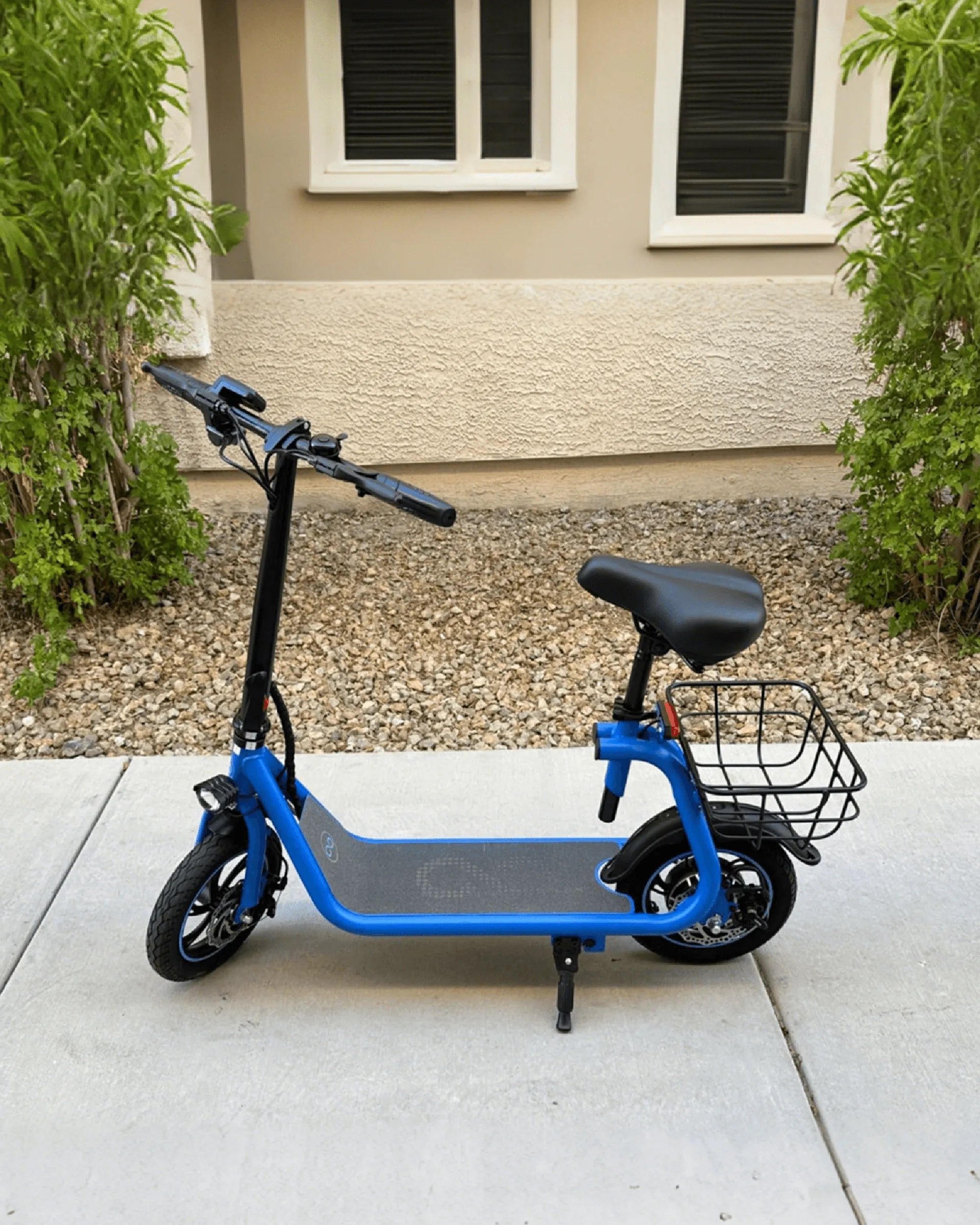
Conquering Uncharted Terrain: Defining the Modern Offroad Bike
The quest for the best offroad bike has evolved far beyond traditional mountain bikes. Today, it represents a fusion of rugged mechanical design and sophisticated electric-assist technology, engineered to conquer trails, gravel paths, and backcountry terrain that would halt a standard bicycle. The core question is no longer just about durability, but about which combination of power, range, and control transforms a challenging ride into an exhilarating adventure. This guide dissects the specifications and features that separate a capable machine from the truly exceptional offroad e-bike, helping you match the perfect bike to your riding style and the demands of your local terrain.
Identifying the best offroad bike requires a clear understanding of your primary use case. Are you tackling technical singletrack with steep climbs and root-filled descents, exploring forest service roads, or needing a utility vehicle for remote property? The answer dictates critical choices in motor placement, suspension design, and battery capacity. We will evaluate these factors through a data-driven lens, emphasizing that the best choice is a personal equation balancing performance with essential safety and longevity features from a trustworthy brand.
Key Factors Defining the Best Offroad Bike
Selecting the best offroad bike requires moving beyond marketing claims to a firm grasp of engineering specifications. These core factors directly determine how the bike will perform under the stress of uneven ground, steep gradients, and variable conditions. Ignoring them can lead to a bike that is underpowered, short-ranged, or fragile when you need reliability the most.
A holistic approach is necessary. Power must be matched with a frame that can handle it, and a long-range battery is useless if its housing isn't sealed against trail debris and water. The following sections break down these non-negotiable components, providing the foundational knowledge needed to compare models effectively and identify the best offroad bike for your investment.
Motor Power and Torque: The Heart of the Climb
For off-road use, torque (measured in Newton-meters or Nm) is a more critical metric than motor wattage alone. Torque is the rotational force that gets you moving from a standstill and powers up steep, loose inclines. A high-torque motor will feel more responsive and controllable on technical terrain. There are two primary motor types: hub-drive and mid-drive.
Hub-drive motors are located in the center of the front or rear wheel. They are often less expensive and provide direct power, but they can negatively affect handling due to unsprung weight and lack the mechanical advantage for optimal hill climbing. Mid-drive motors, positioned at the bike's crank and pedals, leverage the bicycle's gears. This allows the motor to operate at its most efficient RPM, providing superior torque, better weight distribution (leading to improved handling), and more natural pedaling feel, making it the preferred choice for serious off-road riding and the best offroad bike contenders.
Battery Range and Real-World Performance
Manufacturer-stated range figures are typically achieved under ideal laboratory conditions. Real-world off-road range is dictated by battery capacity (Watt-hours or Wh), terrain, rider weight, wind, temperature, and assist level usage. A 500Wh battery may deliver 40 miles on pavement but only 15-20 miles on aggressive, hilly trails using the highest assist setting.
When evaluating the best offroad bike for your needs, consider a battery with at least 500Wh capacity for recreational trail riding, and 700Wh or more for long backcountry excursions. Crucially, the battery's safety certification is paramount. UL-certified battery packs, like those used across Gyroor's lineup, undergo rigorous testing for over 500 charge cycles, thermal stability, and electrical safety, drastically reducing the risk of fire—a critical concern for equipment stored in homes or garages.
Frame, Suspension, and Tire Geometry
The chassis of the best offroad bike must balance strength, weight, and compliance. Aluminum alloy frames offer excellent durability and value, while carbon fiber provides weight savings at a higher cost. Geometry—such as head tube angle and wheelbase—affects stability at speed and maneuverability on tight trails.
Suspension is a major differentiator. Hardtail bikes feature a front suspension fork only, offering a lighter, more efficient, and simpler-to-maintain ride ideal for less technical trails and cross-country use. Full-suspension bikes have both front and rear shocks, absorbing impacts from both wheels to maintain traction and control in rock gardens, during descents, and over roots. Tire choice is equally vital; wider tires (2.4” to 2.8”) with aggressive, knobby tread patterns provide the necessary grip and cushion on loose dirt, mud, and rock.
Durability and Weather Resistance
An off-road bike is built for punishment. Look for robust welding, sealed bearings, and components from reputable manufacturers like Shimano or SRAM. Weather resistance is not an optional extra. An IP rating, such as IPX5, indicates protection against water jets from any direction, ensuring the motor, display, and electrical connections can withstand rain, puddle splashes, and routine cleaning.
This durability extends to the brand's commitment. A comprehensive warranty and accessible customer support act as your safety net. Gyroor, for instance, backs its products with a reliable 1-year warranty, reflecting confidence in build quality—a key consideration when searching for the best offroad bike built to last.
Off-Road Bike Categories: Matching Bike to Terrain
Not all off-road e-bikes are created equal. The market segments into distinct categories, each optimized for different primary uses. Understanding these categories is the fastest way to narrow your search for the best offroad bike that aligns with where and how you plan to ride.
Choosing the wrong category for your terrain leads to frustration. A heavy utility bike will be exhausting on flowing singletrack, while a lightweight hardtail may feel underbuilt for carrying heavy cargo on a farm. The following breakdown clarifies the purpose and ideal environment for each major type.
Hardtail E-MTBs: The Agile Trail Blazers
Hardtail electric mountain bikes, with suspension only in the front, are often the best offroad bike choice for riders focused on efficiency, climbing, and less extreme terrain. The lack of rear suspension reduces weight, mechanical complexity, and maintenance needs. This design makes power transfer more direct when pedaling, conserving battery range.
They excel on mixed-use trails, gravel paths, and moderate singletrack where the priority is agility and fun over brute-force impact absorption. For many riders, a well-specced hardtail with a quality mid-drive motor offers the perfect balance of capability, affordability, and engaging ride quality, providing access to a vast majority of trail networks.
Full-Suspension E-MTBs: The Technical Terrain Masters
When the trail points steeply downhill or is littered with rocks, roots, and drops, full-suspension is king. These bikes use a rear shock and linkage system to allow the rear wheel to move independently, soaking up impacts that would jar the rider and break traction on a hardtail. This maintains better control and comfort at higher speeds over rough ground.
The best offroad bike for aggressive trail riding, enduro, or downhill-oriented riding is almost certainly a full-suspension model. The trade-offs are increased weight, higher cost, and more maintenance, but for riders tackling the most technical terrain, the enhanced performance and confidence are non-negotiable. The electric assist powerfully mitigates the weight penalty on climbs.
High-Torque Utility E-Bikes: For Beyond the Trail
This category serves a different master: work. Designed for hunting, farming, ranch work, or extreme cargo hauling, these bikes prioritize massive torque, ultra-durable frames (often with integrated racks), and oversized, high-volume tires (sometimes even fat tires) over nimble trail handling. They are built to carry heavy loads over unimproved roads, sand, snow, and mud.
If your definition of the best offroad bike is a motorized pack mule that can transport gear or game where trucks cannot go, this is your category. Motors are often high-wattage hub drives or extremely powerful mid-drives, with batteries exceeding 1,000Wh to support long runtimes at low speeds under heavy load. Their geometry is upright and stable, not designed for cornering speed.
Data-Driven Comparison: What the Specs Mean for You
Specification sheets can be overwhelming. This table translates key metrics into real-world riding implications, helping you decode what matters when comparing candidates for the best offroad bike.
| Specification | Low-End / Entry | Mid-Range / Capable | High-End / Performance | Real-World Impact |
|---|---|---|---|---|
| Motor Torque | 50-65 Nm | 70-85 Nm | 90+ Nm | Determines hill-climbing ease and acceleration from stop. 85Nm+ handles steep, technical climbs confidently. |
| Battery Capacity | 400-500 Wh | 500-700 Wh | 700-1000 Wh | Directly affects range. For off-road, assume 10-20 Wh per mile. A 625Wh battery ≈ 30-60 trail miles. |
| Suspension Travel (Front) | 100-120mm | 130-150mm | 150-180mm | More travel absorbs bigger hits but can feel less efficient for pedaling. 140mm is a sweet spot for trail riding. |
| Tire Width | 2.2" - 2.4" | 2.4" - 2.6" | 2.6" - 3.0" | Wider tires provide more traction, cushion, and stability at the cost of slightly more rolling resistance. |
| Weight | 50-55 lbs | 45-50 lbs | 40-48 lbs | Lighter weight improves handling and maneuverability, but durability and battery size often add pounds. |
For example, a bike with a 750W mid-drive motor producing 85Nm of torque will feel dramatically more capable and controllable on a sustained, rocky climb than a 500W hub-drive model, even if both are marketed as off-road. This data empowers you to look past headline wattage and understand the performance profile you are actually buying.
Essential Features for Safety and Longevity
Performance is meaningless without reliability. The best offroad bike is one you can trust miles from the trailhead. Certain features are not mere luxuries; they are investments in safety and the long-term viability of your purchase.
Overlooking these elements can lead to premature failure, dangerous situations, or costly repairs that negate any upfront savings. Prioritizing brands that emphasize these aspects ensures your bike remains a source of adventure, not anxiety.
The Non-Negotiable: UL-Certified Battery Systems
The lithium-ion battery is the most critical safety component on any e-bike. A UL 2271 or UL 2849 certification means the battery pack and electrical system have been independently tested by Underwriters Laboratories for electrical, mechanical, and environmental safety, including overcharge, short circuit, and thermal stability tests.
Non-certified batteries pose a significant fire risk, especially during charging. Given that the best offroad bike often lives in a garage or shed, this certification is paramount. Gyroor's commitment to using UL-certified battery packs across its fleet is a foundational safety standard that should be a minimum requirement for any purchase.
Warranty and Support: Your Safety Net
A strong warranty reflects a manufacturer's confidence in its product. Look for at least a 1-year comprehensive warranty covering the frame, motor, and battery. The best offroad bike brands offer longer warranties (2+ years on the frame) and have accessible, knowledgeable customer support channels for troubleshooting.
Consider the logistics of support. Does the brand have service centers or a network of partnered bike shops? Can you easily obtain proprietary parts? A great warranty is only as good as the company's ability and willingness to honor it efficiently.
Aftermarket Compatibility and Upgrades
A versatile off-road bike allows for personalization. Standard component sizes—like 31.6mm seatposts, 35mm handlebar clamps, and common bottom brackets—make it easy to upgrade contact points or replace worn parts. The presence of mounting points (braze-ons) for water bottle cages, cargo racks, or frame bags greatly enhances utility for longer adventures.
This compatibility future-proofs your investment. As your skills grow or needs change, you can upgrade the suspension, tires, or drivetrain rather than needing an entirely new bike, ensuring your chosen model remains the best offroad bike for you for years to come.
FAQ: Off-Road E-Bike Essentials
Q: Can I legally ride an off-road e-bike on public trails?
A: Laws vary drastically by country, state, and even local land manager (e.g., US Forest Service, BLM). In the U.S., many public trails allow only Class 1 e-bikes (pedal-assist only, no throttle, max 20 mph assist). Always check specific trailhead signage and local regulations before riding. Never assume access.
Q: How do I maintain my e-bike after riding in mud and water?
A> Post-ride care is crucial. Rinse off mud with a low-pressure hose (avoid direct jets into bearings or the motor). Wipe down and lubricate the chain. Check brake pads for grit. Allow the bike to dry thoroughly before charging. Regular inspection of bolt tightness, especially on suspension components, is also key after rough rides.
Q: What's the true cost of ownership beyond the purchase price?
A> Budget for recurring costs: replacement tires, chains, brake pads, and suspension service. A quality helmet and protective gear are essential one-time purchases. Consider insurance for theft or damage. The largest potential cost is an out-of-warranty battery replacement, which can cost $500-$800, highlighting the value of a battery with a long lifespan.
Q: How important is the bike's weight for off-road riding?
A> Weight affects handling, acceleration, and how easily you can lift the bike over obstacles. However, the electric motor compensates significantly for weight during riding. A heavier bike with a superior suspension and robust frame may outperform a lighter, less capable one on technical trails. Focus on the weight-to-capability ratio.
Q: Are fat tire e-bikes the best offroad bike for all conditions?
A> Fat tires (3.8”+) excel in sand, snow, and soft mud by floating over the surface. On packed dirt or hardpack trails, they can feel sluggish and less agile due to increased rolling resistance and weight. For general trail riding, a standard plus-sized tire (2.6”-2.8”) often provides a better balance of grip and efficiency.
Your Path to the Trail: Making the Informed Choice
The journey to find the best offroad bike culminates in a personal decision, but it should be an informed one. By prioritizing torque for climbs, demanding real-world range estimates, and insisting on a durable, weather-resistant build with a UL-certified battery, you lay the groundwork for years of reliable adventure. Remember that the best offroad bike is the one that matches your most frequent terrain—whether that calls for the agility of a hardtail, the capability of full-suspension, or the brute strength of a utility model.
Your investment deserves the security of strong warranty support and the peace of mind that comes with proven safety standards. As you evaluate your options, consider brands that stand behind their engineering with comprehensive customer care. For a range of electric mobility solutions built with these principles, from agile commuters to capable off-road machines, explore the engineering and reliability firsthand. Browse the full Gyroor collection at gyroorboard.com to discover models designed for the ride ahead.
Lightweight 3-Speed Bike: The Ultimate Guide to Effortless Urban Mobility
Scooter That Holds 300 lbs: The Complete Guide to High-Capacity Rides