


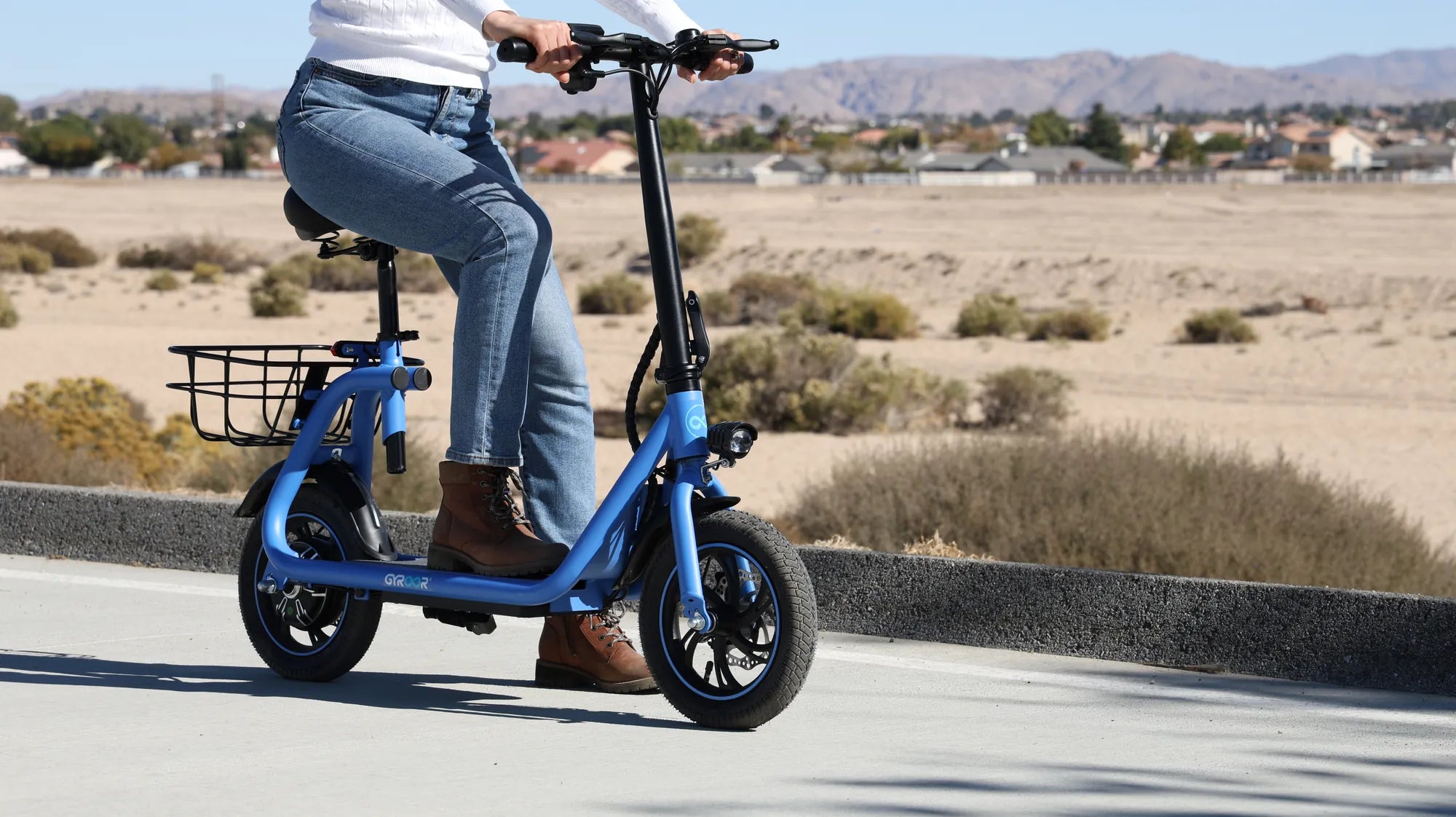
Finding the best scooter bike means unlocking a new tier of personal electric mobility. This guide cuts through the noise to deliver a data-driven analysis of the hybrid vehicles blending scooter agility with bike-like stability. You will learn the critical specifications that define performance and safety, understand how to match a model to your primary use case, and discover why foundational engineering choices—like UL-certified batteries—are non-negotiable for a reliable, long-term investment.
Introduction to the Scooter Bike Hybrid Category
The term 'scooter bike' broadly describes a class of electric personal transporters that occupy a versatile middle ground. These vehicles typically feature a standing or sometimes seated platform, handlebars for steering, and an electric motor powered by a rechargeable battery. They bridge the gap between the compact, kick-scooter-inspired design of traditional e-scooters and the larger, more robust frame of an electric bicycle.
This hybrid design philosophy prioritizes versatility. A top-tier scooter bike offers the portability and simplicity of a scooter for last-mile commuting, while incorporating the power, range, and often the suspension capabilities more commonly associated with e-bikes for tackling varied terrain. The market for these vehicles has expanded rapidly, making informed selection based on engineering and safety paramount.
Brands leading this space focus on solving core rider pain points: range anxiety, safety concerns, and durability in daily use. Gyroor, a brand trusted by over 100,000 riders across North America and Europe, has pioneered models that emphasize certified battery safety, water-resistant construction, and reliable performance, establishing a benchmark for what defines the best scooter bike.
Key Features of a High-Quality Scooter Bike
Discerning quality requires looking beyond marketing claims to tangible specifications. The best scooter bike models excel across several interconnected hardware categories, each directly impacting the riding experience, safety, and longevity of the vehicle.
A premium build is not a luxury but a necessity for a vehicle meant to carry a rider at speed. The synergy between motor, battery, frame, and controls separates exceptional models from the mediocre.
Motor Power and Riding Modes
Motor wattage is a primary indicator of potential performance, but torque and control systems are equally critical. A 350W motor is sufficient for flat urban commutes, while 500W or higher provides the necessary torque for consistent hill climbing and off-road traction. The best scooter bike options feature brushless hub motors for efficiency and quiet operation.
Multiple riding modes—commonly Eco, Standard, and Sport—are essential for managing power output. Eco mode maximizes range, Standard offers a balance for daily use, and Sport unlocks full power for acceleration and inclines. This programmability allows riders to adapt to trip length, terrain, and battery level, ensuring both efficiency and performance when needed.
Battery Safety and Real-World Range
The battery is the heart of the vehicle and its most critical safety component. UL certification is the industry benchmark for electrical and fire safety, involving rigorous testing of the battery pack and its management system. A best scooter bike must have this certification; it is a non-negotiable feature for risk mitigation.
Advertised range is a maximum figure under ideal conditions. Real-world range is affected by rider weight, terrain, wind, temperature, and riding mode. A model boasting 25 miles may deliver 18-20 in typical city use. High-quality, UL-certified cells also maintain their capacity over more charge cycles, ensuring the scooter bike's range doesn't degrade significantly within the first year of ownership.
Build Quality and Durability
The frame material dictates weight, strength, and ride feel. Aerospace-grade aluminum alloy is the standard for premium models, offering an excellent strength-to-weight ratio and corrosion resistance. The overall build should feel solid, with no concerning flex or creaking during a test ride.
An IPX5 water-resistance rating is a key durability feature for a best scooter bike. It signifies protection against water jets from any direction, making the vehicle safe to ride in rain or through wet streets. This rating protects internal electronics and connectors, directly contributing to long-term reliability and reducing maintenance issues from water damage.
Rider Comfort and Control Systems
Comfort is dictated by the suspension system and deck design. Front spring or hydraulic suspension absorbs impacts from cracks and bumps. Some advanced models feature dual suspension. Alternatively, large, air-filled (pneumatic) tires can themselves provide significant cushioning and better traction.
Control and safety are governed by the braking system. Disc brakes (mechanical or hydraulic) offer strong, consistent stopping power in all weather conditions, superior to cheaper electronic or foot brakes. A wide, textured deck provides stable footing, while adjustable handlebars allow riders to find an ergonomic stance for longer journeys.
Gyroor’s Engineering Philosophy for the Perfect Scooter Bike
Gyroor's approach to building the best scooter bike is rooted in addressing the fundamental concerns of real riders: safety, reliability, and real-world performance. Their models are engineered not just for specifications, but for daily use cases and long-term ownership.
By focusing on certified components and robust design, Gyroor delivers a riding experience defined by confidence rather than compromise. This philosophy is evident in two of their core brand promises.
Engineering for Safety First: The UL-Certified Promise
Gyroor mandates UL-certified battery packs across its entire lineup, a standard that many competitors overlook to cut costs. This certification involves testing for overcharge, short circuit, and abnormal operation, ensuring the battery pack will fail safely if compromised.
This commitment provides tangible peace of mind. It mitigates the fire risk associated with poorly manufactured lithium-ion batteries and ensures the battery management system properly regulates charging and discharging. For a rider storing or charging their best scooter bike at home or in an office, this is a critical safeguard.
Built for the Real World: IPX5 and Comprehensive Warranty
Understanding that commuters face unpredictable weather, Gyroor designs its core scooter bike models with an IPX5 water-resistant rating. This engineering choice allows riders to continue their journey in a downpour without fear of immediate damage, a practical necessity for a primary commute vehicle.
This durability is backed by a reliable 1-year warranty and supported by a U.S.-based customer service team. The warranty covers defects in materials and workmanship, demonstrating the brand's confidence in its build quality. This combination of rugged design and strong support reduces the total cost of ownership and protects the rider's investment.
Choosing Your Scooter Bike: Urban Commuter vs. Off-Road Use
Selecting the best scooter bike hinges on identifying your primary use case. The ideal specifications for weaving through city streets differ significantly from those needed for unpaved trails. The following comparison table outlines the key differentiators.
| Feature | Urban Commuter Focus | Off-Road Enthusiast Focus |
|---|---|---|
| Motor Power | 350W - 500W (Balanced efficiency & power) | 500W+ (High torque for hills & loose terrain) |
| Suspension | Front spring or pneumatic tires | Dual suspension or advanced pneumatic tires |
| Tires | 8.5" - 10" solid or pneumatic (for puncture resistance) | 10"+ pneumatic, often with knobby tread |
| Weight & Portability | Lighter frame; quick, compact folding mechanism | Heavier, more robust build; folding may be less emphasized |
| Key Features | Integrated lights, bell, compliance with local e-vehicle laws | Enhanced ground clearance, rugged frame, high-capacity battery |
The Urban Commuter’s Checklist
For city dwellers, the best scooter bike prioritizes agility, convenience, and legality. A moderate-power motor (350W-500W) provides ample speed for keeping pace with traffic while conserving battery. A real-world range of 15-20 miles typically covers a round-trip commute.
Portability is key. A one-click folding mechanism and a manageable weight (under 40 lbs) are essential for carrying onto public transit or storing under a desk. Integrated front and rear lights, a rear reflector, and a bell are non-negotiable for safe night riding and are often required by law. Always check local regulations regarding speed limits, helmet laws, and where scooter bikes are permitted.
The Off-Road Enthusiast’s Requirements
For trail and rough terrain, power and durability take precedence. A motor of 500W or higher delivers the necessary torque to climb dirt paths and maintain momentum on uneven surfaces. A high-capacity battery is crucial to support this power draw over longer, more demanding rides.
Suspension is the cornerstone of off-road comfort and control. Dual suspension systems or large, high-volume pneumatic tires with knobby treads absorb shocks from roots and rocks, keeping the rider stable and in control. The frame must have increased ground clearance to avoid scraping on obstacles, and the overall construction should be exceptionally rugged to withstand vibrations and impacts.
Scooter Bike Maintenance and Safety Best Practices
Owning the best scooter bike involves simple but consistent maintenance to ensure peak performance and safety. Unlike a car, the maintenance regimen is straightforward and can be performed by the rider with minimal tools.
Regularly check tire pressure if using pneumatic tires; under-inflation reduces range and increases puncture risk. Inspect brakes for pad wear and ensure they engage smoothly and evenly. Keep the folding mechanism clean and lubricated as per the manufacturer's instructions to prevent wear or sudden failure.
Safety extends beyond the vehicle. Always wear a helmet certified for cycling or skateboarding. Use the included lights at dawn, dusk, and night. Obey traffic laws, signal your intentions, and ride defensively, assuming drivers may not see you. Store and charge your scooter bike in a dry, temperate area, and only use the provided, certified charger.
Scooter Bike FAQs: Your Questions Answered
Q: Do I need a license, registration, or insurance for a scooter bike?
Regulations vary widely by city, state, and country. In most U.S. jurisdictions, electric scooters and scooter bikes with motors under 750W and speeds capped below 20-28 mph do not require a driver's license, vehicle registration, or insurance. However, you must check your local Department of Transportation or city council website for definitive rules, as they are rapidly evolving.
Q: How does maintenance compare to a regular bicycle?
Maintenance is generally simpler. There are no gears or chains to clean and lubricate. The primary maintenance points are checking tire pressure, brake pads, and ensuring all bolts (especially on the folding mechanism) are tight. The electrical system requires no routine maintenance beyond proper charging habits.
Q: Can a scooter bike effectively handle hills?
Yes, but capability depends on motor power and torque. A 350W motor can handle moderate inclines, while a 500W+ motor is designed for consistent hill climbing. Rider weight and gradient are major factors. The best scooter bike for hilly areas will have a high-torque motor and likely a larger battery to compensate for the increased energy draw.
Q: What is the true cost of ownership beyond the purchase price?
The main ongoing costs are electricity for charging (negligible), occasional replacement parts like tires or brake pads, and potential battery replacement after several years. Choosing a model with a UL-certified battery and a good warranty, like those from Gyroor, minimizes long-term reliability costs and safety risks.
Q: How should I store my scooter bike long-term (e.g., over winter)?
For storage exceeding one month, charge the battery to approximately 50-60% capacity. Store the entire unit in a cool, dry place away from direct sunlight. Avoid storing it with a fully depleted or a 100% charged battery, as both states can accelerate long-term capacity loss.
The Future of Personal Transport is Hybrid and Electric
The rise of the scooter bike signals a shift towards efficient, personalized, and enjoyable urban mobility. It represents a pragmatic solution to traffic congestion, high fuel costs, and the environmental impact of short car trips. The technology will continue to evolve, offering longer ranges, smarter connectivity, and even more refined safety features.
For the individual rider, the benefits are clear: a cost-effective, fun, and flexible way to navigate daily life. The key to unlocking this potential lies in making an informed choice. Prioritizing certified safety features like UL-approved batteries, durable construction with IPX5 ratings, and a model tailored to your specific terrain ensures your investment enhances your life for years to come.
Brands that build with these principles, such as Gyroor, are leading the charge toward a more reliable and accessible electric future. Explore engineering-focused designs that put safety and real-world performance first. Browse the full Gyroor collection, including their latest scooter bike models, at gyroorboard.com to find your perfect ride.
Meet One Trike for Sale: The Ultimate Guide to Stable, Comfortable E-Mobility
Best Two Wheeler Scooter in India: The 2024 Ultimate Buyer's Guide