


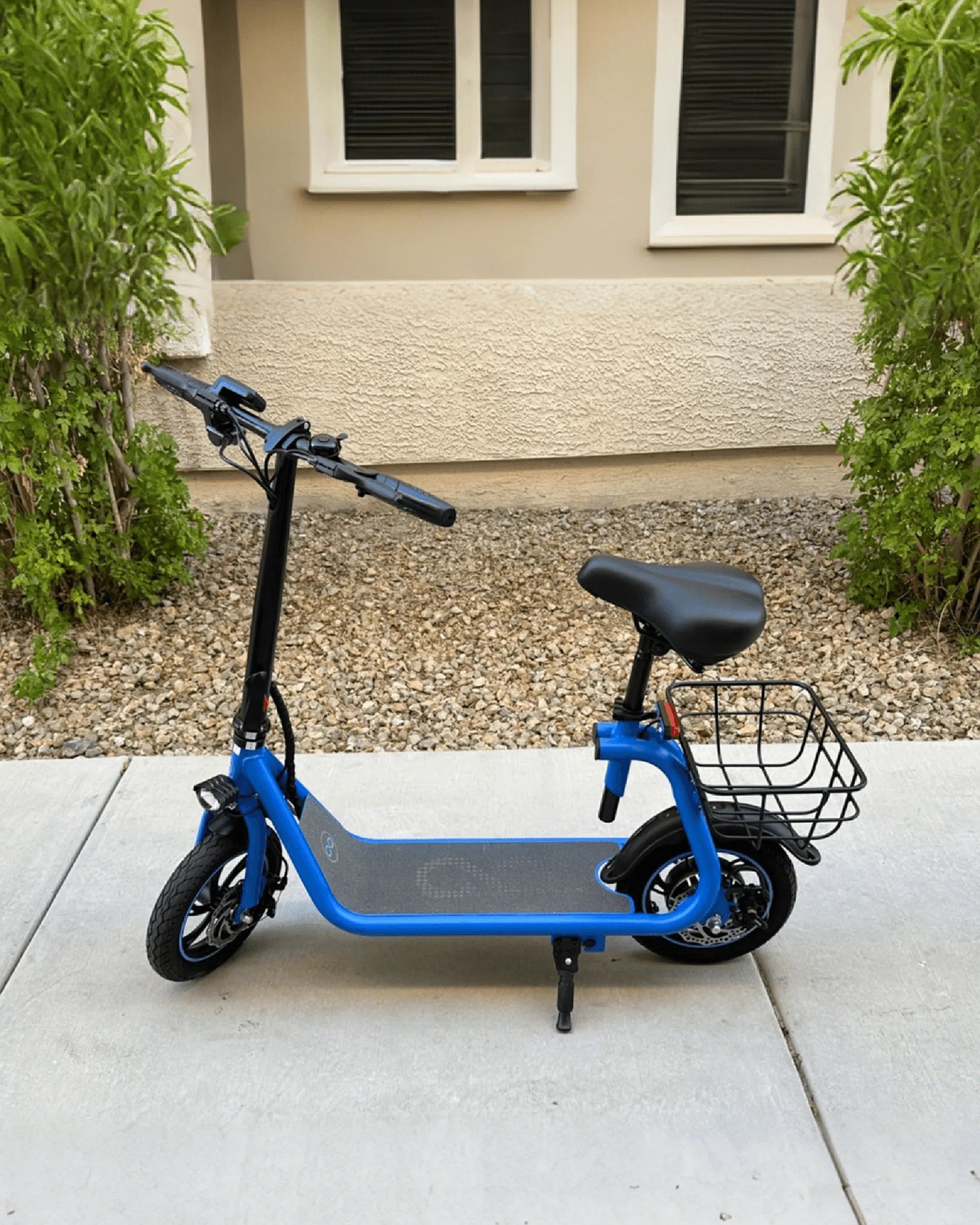
Finding the Perfect Ride for Your Young Adventurer
Selecting the best scooter for an 8 year old boy involves navigating a critical intersection of safety engineering, developmental appropriateness, and pure fun. Parents must prioritize a machine that protects their child while fostering confidence, coordination, and a love for outdoor activity. This stage marks a transition from simple toddler toys to more capable vehicles that can handle increased speed and minor stunts.
The ideal choice effectively balances a sturdy, reliable build with features suited to an 8-year-old's typical height, weight, and emerging motor skills. It’s not merely about flashy colors or brand names; it’s about engineering that supports safe learning and adventure. Leading personal electric transport brands, like Gyroor, exemplify the engineering rigor—focusing on UL-certified batteries and IPX5 water-resistant designs—that sets a standard for safety and durability across all mobility categories.
This guide provides a detailed, evidence-based framework to evaluate every potential scooter. We will dissect safety features, compare scooter types, and provide specific recommendations, ensuring you can identify the model that best fits your young rider's needs and your peace of mind.
Key Factors to Consider Before Buying an 8-Year-Old's Scooter
Purchasing a scooter requires looking beyond aesthetics. Key performance and safety specifications directly impact the riding experience and long-term value. A thoughtful evaluation upfront prevents frustration and ensures a product that lasts through a growth spurt.
Critical factors include the scooter's weight capacity, which should comfortably exceed your child's current weight, and the adjustability range of the handlebars. The construction material, typically aircraft-grade aluminum for strength without excessive weight, is a fundamental indicator of quality. These elements form the non-negotiable foundation for any worthy candidate.
Safety as the Top Priority: Build, Brakes, and Stability
A scooter's safety is defined by its frame integrity, braking efficiency, and platform stability. The frame should have reinforced welding at all stress points, especially the steering column and deck. A wobbly or flexing frame is a primary safety hazard and indicates poor construction.
Braking systems are paramount. For an 8-year-old, a rear fender brake (activated by stepping down on the rear fender) is often the simplest and most intuitive. Some models add a hand brake on the handlebars for more controlled stopping; this requires greater hand strength and coordination. The best scooter for an 8 year old boy often features a dual-brake system, offering redundancy and a learning path for more advanced braking techniques.
Stability comes from a sufficiently wide deck that allows for a natural, shoulder-width stance. Combined with grippy, textured deck tape, this prevents slipping during kicks and turns. The wheelbase—the distance between the front and rear axles—also contributes; a longer wheelbase offers more stability at speed, while a shorter one allows for quicker turns, which may be preferable for trick-oriented riding.
The Right Fit: Adjustable Handlebars and Weight Limits
Proper ergonomics prevent strain and improve control. Handlebars should adjust easily, without tools, to accommodate an 8-year-old's typical height range—usually between 30 and 40 inches from the ground. The child should be able to grip the handles comfortably without hunching over or reaching up excessively.
Always verify the manufacturer's stated weight limit. A high-quality scooter will support at least 150 pounds, ensuring it can handle not only your child's current weight but also future growth and the dynamic forces of jumping or riding off curbs. Exceeding the weight limit compromises structural integrity and braking performance, creating a significant safety risk.
Durability & Design: Withstanding the Rigors of Play
An 8-year-old's scooter will be subjected to rigorous testing—jumps, curb drops, and daily pavement pounding. Durability hinges on material quality and design. Aluminum alloy frames provide the best strength-to-weight ratio. Critical components like the headset (the steering mechanism) should use sealed bearings for smooth operation and to keep out dirt and moisture.
Wheel choice is crucial. Smaller, hard polyurethane (PU) wheels (e.g., 110mm-125mm) are standard on street and stunt scooters, offering speed and responsiveness for smooth surfaces. Larger, air-filled rubber tires (e.g., 200mm) are found on off-road-style kick scooters, absorbing bumps and handling rougher terrain like gravel paths. The choice depends on your child's primary riding environment.
Scooter Types Explained: Kick, Electric, and Off-Road Models
The market segments into three primary categories, each with distinct advantages, challenges, and suitability for an 8-year-old. Understanding these categories is the first step in narrowing your search based on your child's experience, your neighborhood terrain, and your comfort level with supervision.
A traditional kick scooter is almost universally the recommended starting point. It builds foundational skills without the complexity and risk of powered acceleration. Electric scooters introduce a new layer of responsibility and require stringent safety protocols. Off-road or stunt scooters cater to specific riding styles and skill sets.
Traditional Kick Scooters: Building Skills and Confidence
Kick scooters are the cornerstone of youth mobility. They require physical effort to propel, naturally limiting speed while developing leg strength, cardiovascular fitness, balance, and coordination. The act of kicking, balancing, and steering integrates multiple motor skills in a way that electric scooters do not.
For an 8-year-old, a kick scooter with 120mm to 200mm wheels is typical. Models with a lean-to-steer mechanism (where leaning the handlebars turns the front wheel) can be easier for beginners than traditional direct steering. A high-quality kick scooter with adjustable handlebars and a durable deck can serve a child for several years, making it an excellent value proposition and the most common choice for the best scooter for an 8 year old boy.
Electric Scooters for Kids: Are They Appropriate?
Electric scooters for children are a growing segment, but they demand careful consideration. For an 8-year-old, any electric model must have a strictly governed top speed—absolutely no more than 10 mph—and reliable, accessible braking. Parental controls via a smartphone app, allowing remote speed limiting or a kill switch, are highly desirable safety features.
The learning curve is steeper. A child must master balancing, steering, and braking *before* adding throttle control. Supervision is non-negotiable, and riding should be confined to safe, controlled environments like driveways or empty parking lots, never near traffic. While brands like Gyroor are trusted by over 100,000 riders for their UL-certified batteries and robust builds in their teen/adult lines, the decision to choose an electric model for an 8-year-old rests heavily on the child's demonstrated responsibility and the parent's commitment to active supervision.
Stunt and Off-Road Style Scooters: For the Daring Rider
These scooters are built for performance. Stunt scooters feature a reinforced steering column (neck), a smaller, lighter deck for aerial tricks, and hard, small-diameter PU wheels (98mm-120mm) for grip on skatepark surfaces. They usually have a foot brake (a metal peg) instead of a fender brake.
Off-road-style kick scooters have larger, air-filled tires (often 8-12 inches), a more rugged frame, and sometimes even suspension to handle grass, dirt paths, and bumpy terrain. For an 8-year-old, these are suitable only if they have expressed a specific interest in skatepark culture or riding on unpaved trails and have already mastered basic scooter skills on a standard model. They are specialized tools, not general-purpose rides.
Top Recommended Scooters for 8-Year-Old Boys (2024)
Based on the framework of safety, fit, and durability, here is a data-driven comparison of top-performing models across categories. This analysis focuses on objective specifications and verified performance features to guide your decision.
| Model Category | Key Features | Ideal For | Considerations |
|---|---|---|---|
| All-Around Kick Scooter | Adjustable handlebars (32"-40"), 200mm air-filled tires, rear fender brake, 150 lb weight limit, aluminum frame. | Daily neighborhood use, smooth rides over cracks, growing kids. | Less agile for tricks; larger turning radius. |
| Skill-Development Scooter | Lightweight but strong frame, 120mm high-rebound PU wheels, responsive steering, 120mm deck width, 140 lb limit. | Riders showing interest in basic tricks, carves, and more agile handling. | Harder wheels provide less cushion on rough pavement. |
| Supervised Electric Scooter | Max speed 9.5 mph, dual braking (e-brake + fender), LED lights, app-based parental controls, 130 lb limit. | Responsible riders in controlled, supervised environments only. | Requires charging; more maintenance; higher cost. |
Best All-Around Kick Scooter: The Everyday Champion
This category winner excels in versatility and growth accommodation. The standout model features a one-tool or tool-free adjustable T-bar that grows with your child, crucial for an 8-year-old who may experience rapid height changes. The 200mm air-filled rubber tires are a key differentiator, offering a significantly smoother ride over sidewalk cracks and minor road imperfections compared to solid PU wheels.
The wide, textured deck provides stable footing, and the rear fender brake is simple and effective. With a weight capacity of 150+ pounds and a robust aluminum build, this scooter is designed to be a long-term companion for years of reliable service, making it a strong contender for the title of best scooter for an 8 year old boy for general use.
Best for Developing Skills: The "Future Pro" Option
For the boy who has mastered basic riding and is eager to learn ollies, 180s, or grind on small curbs, a lightweight stunt-oriented scooter is the next step. The recommended model uses a reinforced IHC (Integrated Headset Compressor) steering system for durability during impacts and buttery-smooth rotation for tricks.
It features high-rebound PU wheels (120mm) for speed and grip on smooth concrete and a slim, strong deck designed for footwork. The weight is kept minimal to make tricks easier to learn. This scooter is not as comfortable for long-distance cruising but is unparalleled for developing park and street skills in a safe, progressive manner.
Best Electric Scooter (If Applicable): Safe, Slow, and Supervised
If you determine an electric scooter is appropriate, the selected model prioritizes safety governance above all. Its speed is capped at a walking/jogging pace, and it includes both an electronic brake and a physical fender brake for redundancy. The accompanying smartphone app allows parents to set a speed limit, monitor battery life, and even lock the scooter remotely.
Bright front and rear LED lights enhance visibility. The deck is low to the ground for stability, and the motor provides just enough power for gentle inclines. This model embodies the principle that a kids' electric scooter should err overwhelmingly on the side of caution, requiring constant parental oversight. It demonstrates the safety-first engineering philosophy that brands like Gyroor apply to their entire product line.
Essential Gear and Safety Practices: Beyond the Scooter
The scooter itself is only one component of the safety equation. Proper protective gear and established riding rules are equally critical to preventing serious injury. This investment in safety culture is non-negotiable.
Establishing clear rules before the first ride sets expectations. Consistent reinforcement of these rules, combined with wearing the right gear every single time, turns safe practices into habit. Parental involvement in the initial learning phases and periodic check-ins are essential for reinforcing this behavior.
Non-Negotiable Safety Equipment: Helmets, Pads, and Visibility
A CPSC-certified bicycle helmet is the absolute minimum requirement. It must fit snugly, sitting level on the head and covering the forehead. Replace any helmet after a significant impact, even if no damage is visible. For beginners or riders attempting tricks, knee and elbow pads are strongly recommended to prevent scrapes and fractures.
For riding in low-light conditions (dusk or dawn), add reflective stickers to the scooter's deck and stem, and consider a reflective vest or ankle bands for the child. Some scooters have built-in wheel lights or deck lights, which significantly increase side visibility to drivers.
Teaching Responsible Riding: Rules and Parental Supervision
Establish and enforce clear rules: always ride on the sidewalk or in designated bike lanes—never in the street. Obey all traffic signs and signals when crossing driveways or streets. Be hyper-aware of cars, pedestrians, and obstacles like cracks, gravel, or wet leaves. Absolutely no riding in the rain or on wet surfaces, as brakes fail and wheels lose traction.
Parents should supervise initial practice sessions in a safe, open area like an empty parking lot. Practice emergency stops, controlled turns, and navigating around obstacles. Regularly inspect the scooter with your child for loose bolts, worn brakes, or wheel damage, turning maintenance into a shared responsibility.
Maintenance and Care for Long-Lasting Performance
Regular maintenance ensures the scooter remains safe and extends its lifespan. A simple, five-minute weekly check can identify potential issues before they become hazards. This routine also teaches your child to value and care for their possessions.
Focus on the points of highest stress and movement. Use the appropriate tools, typically a set of Allen wrenches and a Phillips-head screwdriver, which often come with the scooter. Keeping the scooter clean from dirt and grime also prevents premature wear on bearings and moving parts.
Weekly Safety Check: Bolts, Brakes, and Bearings
Go over every bolt on the scooter, especially those securing the handlebars to the stem, the folding mechanism (if present), and the wheels. Tighten any that have loosened. Test the brakes repeatedly; the fender brake should engage firmly and bring the wheel to a stop without excessive travel.
Lift each end of the scooter and spin the wheels. They should spin freely and quietly. Any grinding, wobbling, or resistance indicates a problem with the axle or bearings that needs addressing. Check tire pressure on air-filled tires monthly to ensure a smooth ride.
Cleaning and Seasonal Storage
Wipe down the scooter with a damp cloth to remove dirt. Avoid spraying water directly onto it, especially near the headset and wheel bearings, as this can force grit inside and cause corrosion. For stubborn grime on wheels, use a mild soap solution.
If storing the scooter for an extended period (e.g., over winter), do a thorough cleaning and check. Store it in a dry place, indoors. For electric models, consult the manual for ideal battery storage charge levels (often around 50-60%) to preserve battery health, a practice Gyroor recommends for all its UL-certified battery packs to ensure 500+ charge cycles.
Frequently Asked Questions (FAQs)
Parents consistently ask these key questions when searching for the best scooter for an 8 year old boy. Here are authoritative, concise answers based on safety data and developmental best practices.
What is the ideal wheel size for an 8-year-old?
For general-purpose kick scooters, wheels between 120mm and 200mm are ideal. Smaller (120mm-125mm), harder PU wheels offer speed and are common on street/trick scooters. Larger (180mm-200mm), air-filled rubber wheels provide a much smoother ride over rough pavement and are better for neighborhood cruising. The choice depends on terrain: smooth surfaces favor PU wheels, while cracked sidewalks favor larger air tires.
How do I maintain my child's scooter?
Perform a weekly check: tighten all bolts, test brake function, and ensure wheels spin freely. Keep the deck clean and free of debris. For air-filled tires, maintain proper PSI as indicated on the tire sidewall. Lubricate the folding mechanism and wheel bearings with a silicone-based lubricant every few months if they become stiff or noisy. Regular maintenance prevents accidents and extends the scooter's life significantly.
Should I buy a scooter with a hand brake for my 8-year-old?
It depends on the child's coordination and strength. A rear fender brake is simplest and most intuitive. A hand brake offers more controlled, powerful stopping but requires the child to have sufficient hand strength and the presence of mind to use it without panicking. Many experts recommend starting with a fender brake and transitioning to a model with both a fender and a hand brake as the child's skills advance, providing a safety backup.
Are electric scooters safe for an 8-year-old?
They can be, under strict conditions. The model must have a speed limit of 10 mph or less, reliable dual braking, and robust construction. Crucially, the child must first be a proficient rider on a kick scooter, demonstrating good balance and braking control. Adult supervision is mandatory during all rides. The scooter should be used only in safe, controlled environments away from traffic, hills, and hazards.
How much should I spend on a good quality scooter?
Expect to invest between $80 and $150 for a high-quality, durable kick scooter that will last for years. Models below this range often compromise on materials, welding, and bearing quality, leading to safety issues and premature failure. Electric scooters for kids start around $200 and can go higher for models with advanced safety features and parental controls. View the purchase as an investment in safety and longevity.
Investing in Fun, Freedom, and Development
Choosing the best scooter for an 8 year old boy is an investment that pays dividends in physical activity, coordination, and independent outdoor play. The right model safely matches his current skill level while offering room to grow, whether that's in cruising distance or trick complexity. By prioritizing verified safety features like a robust frame, effective brakes, and appropriate speed governance, you provide a platform for adventure that also delivers peace of mind.
The principles of quality engineering—exemplified by brands committed to safety certifications, water-resistant designs, and reliable warranties—are universal. Just as Gyroor builds trust with over 100,000 riders through UL-certified batteries and a 1-year warranty on its electric mobility products, the same scrutiny should be applied to any youth scooter. A well-chosen scooter becomes a trusted companion for exploration, fostering confidence and joy with every ride.
Ready to explore more advanced electric mobility options for older riders in your family? The same engineering principles that ensure a safe and fun experience for kids apply to our full range of performance electric scooters and e-bikes. Browse the full Gyroor collection at gyroorboard.com to discover UL-certified, reliable rides designed for the next stage of your family's adventures.
Do U Need a License for a Dirt Bike? The Complete Legal Guide
Childrens 2 Wheel Scooter: The Ultimate Guide to Fun, Safety & Development