


Finding the Perfect First Wheels for Your Toddler
The moment your child shows interest in their own set of wheels is a thrilling milestone. For a 3-year-old, a scooter represents freedom, adventure, and a significant step in physical development. However, navigating the market to find the best scooter for kids 3 years old can be daunting for parents. This guide cuts through the noise, focusing squarely on safety and suitability.
Your primary goal is to find a scooter that matches your toddler's developmental stage, not one they will "grow into." The wrong choice can lead to frustration, falls, and a loss of confidence. This article serves as your definitive resource, merging safety engineering principles with child development insights.
We will analyze why specific designs are safer, which features are non-negotiable, and how to evaluate brands for quality and reliability. The aim is to empower you with knowledge, ensuring your child's first riding experiences are filled with joy and secure exploration. Let's begin by understanding the foundational design that makes a scooter appropriate for a three-year-old.
Why 3-Wheel Scooters Are the Gold Standard for 3-Year-Olds
Developmental readiness is paramount. At age three, children are developing gross motor skills, balance, and coordination, but their vestibular systems and reaction times are still maturing. A two-wheel scooter requires simultaneous balancing, steering, and propulsion—a complex task that often leads to repeated falls and discouragement.
The three-wheel scooter, specifically the configuration with two wheels in front and one in back, is the unequivocal gold standard for this age group. This design provides a stable tripod base that prevents tipping sideways during stops or slow maneuvers. The enhanced stability allows the child to focus on the fundamental skills of pushing, gliding, and basic steering without the constant fear of losing balance.
Furthermore, the front two-wheel setup is integral to a lean-to-steer mechanism. Instead of turning handlebars, which can be over-steered and cause sudden, sharp turns, the child leans their body weight to guide the scooter. This intuitive system mirrors natural body movements, promoting safer, more controlled direction changes and reducing the risk of jackknifing.
Data from pediatric physical therapists consistently shows that children using stable, age-appropriate scooters demonstrate faster progression in coordination and spatial awareness. The three-wheel design isn't a limitation; it's a developmental tool that builds a foundation of confidence and skill, making it the core of any search for the best scooter for kids 3 years old.
Key Safety Features You Cannot Compromise On
Beyond the three-wheel design, several engineered features are non-negotiable for toddler safety. First is a low-to-the-ground deck. A lower center of gravity dramatically improves stability and allows the child to easily place their feet down for braking and balance. The deck must also have a pronounced, non-slip surface to prevent feet from sliding during kicks.
The wheelbase—the distance between the front and rear axles—should be wide. A wider wheelbase increases lateral stability, making the scooter less tippy. Coupled with this are the wheels themselves: larger, polyurethane (PU) wheels offer a smoother ride over minor cracks and sidewalk imperfections than small, plastic wheels, providing better control.
Speed limitation is critical. Scooters for this age should be solely kid-powered (kick scooters), with no electric assist. The design should not allow excessive speed from downhill use; the lean-to-steer mechanism itself acts as a natural speed governor. Finally, check all contact points: handlebar grips must be ergonomic and non-slip, and any height adjustment mechanisms must be securely locked with no pinch points.
Developmental Benefits: More Than Just a Toy
Selecting the best scooter for kids 3 years old is an investment in development. Physically, scooting strengthens leg muscles, improves core stability, and enhances bilateral coordination as the child learns to balance on one foot while kicking with the other. These actions directly contribute to gross motor skill milestones.
Cognitively, navigating a scooter builds spatial awareness, depth perception, and executive function skills like planning and reaction. The child learns to assess their path, avoid obstacles, and understand cause and effect (e.g., leaning leads to turning). This fosters independence and problem-solving abilities.
Emotionally, mastering a scooter provides a tremendous confidence boost. Achieving small goals, like gliding a few feet or successfully navigating a turn, builds resilience and a "can-do" attitude. This sense of accomplishment is a powerful motivator for physical activity, setting a positive precedent for an active lifestyle.
How to Choose: A Parent's Checklist for the Best Kids Scooter
Armed with an understanding of core design principles, use this actionable checklist to evaluate any potential scooter. This methodical approach removes guesswork and ensures you prioritize safety and longevity.
- Stability Configuration: Does it have three wheels in a 2-front, 1-rear layout?
- Steering Mechanism: Is it a lean-to-steer (weight-shift) system, not traditional handlebar turning?
- Deck Height & Texture: Is the deck close to the ground with a rugged, non-slip surface?
- Adjustability: Does the handlebar height adjust easily to fit your child's height (typically between 22 and 30 inches from the deck)?
- Weight Limit: Does the manufacturer's stated weight limit (usually 44-66 lbs) comfortably exceed your child's current weight?
- Construction: Is the frame made from durable, lightweight aluminum or reinforced steel? Does it feel solid, with no sharp edges or wobbly parts?
- Wheels: Are they made from smooth-rolling PU, not hard plastic? Are the front wheels wide-set for stability?
- Assembly: Is tool-free or minimal assembly required? Complex assembly can lead to improper setup.
- Brand Reputation & Warranty: Does the brand have transparent safety certifications and a reliable warranty? A 1-year warranty is a good benchmark.
Checking each item ensures the scooter is not just fun, but a responsibly engineered product. The best scooter for kids 3 years old will tick every box on this list.
The Gyroor Difference: Engineered for Young Riders' Safety
While Gyroor is renowned for its high-performance adult electric scooters and e-bikes, the brand's engineering philosophy is deeply relevant to children's products. Trusted by over 100,000 riders, Gyroor's commitment to safety is rooted in robust construction, reliable components, and rigorous testing standards.
This safety-first DNA translates into key principles for younger riders: using high-grade materials that withstand impact, ensuring secure mechanical connections, and prioritizing stability in design. For instance, the focus on UL-certified battery safety for adult models reflects a broader corporate ethos of risk mitigation and quality assurance that informs all product design.
When a brand builds products capable of carrying adults at higher speeds, their approach to durability, weld integrity, and component reliability is inherently stringent. Parents can look for these hallmarks of quality—such as reinforced steering columns, secure locking mechanisms, and premium wheel bearings—even in non-electric kick scooters designed for toddlers.
Top Scooter Types & What to Look For: A Comparative Overview
While the 3-wheel kick scooter is primary, understanding the landscape helps contextualize your choice. Here is a comparative analysis of ride-on options suitable for a 3-year-old's ecosystem.
| Type | Best For | Key Safety/Developmental Pros | Considerations |
|---|---|---|---|
| 3-Wheel Lean-to-Steer Kick Scooter | First-time riders; developing balance & coordination | Maximum stability; intuitive steering; builds foundational motor skills. | Ensure deck is low; child must be able to kick effectively. |
| Classic 3-Wheel (1-front, 2-rear) with Handlebar Steering | Children who have mastered balance bikes or seek more traditional control | Stable rear wheel configuration; direct steering control. | Handlebar steering can be over-steered; slightly less stable than 2-front design. |
| Balance Bike (No Pedals) | Developing pure balance and steering for future biking | Excellent for teaching balance and gliding; feet are always down for safety. | Different skill set than scooting; may not satisfy the "scooter" desire. |
| Sit-and-Ride Scooter | Younger 3-year-olds or those cautious about standing balance | Very stable; allows focusing on propulsion and basic steering. | Offers less development in standing balance and core engagement. |
For most 3-year-olds, the 3-Wheel Lean-to-Steer Kick Scooter offers the ideal blend of safety, skill development, and fun. It directly targets the skills needed for this age while minimizing risk factors.
Setting Up for Success: First Rides and Safety Practices
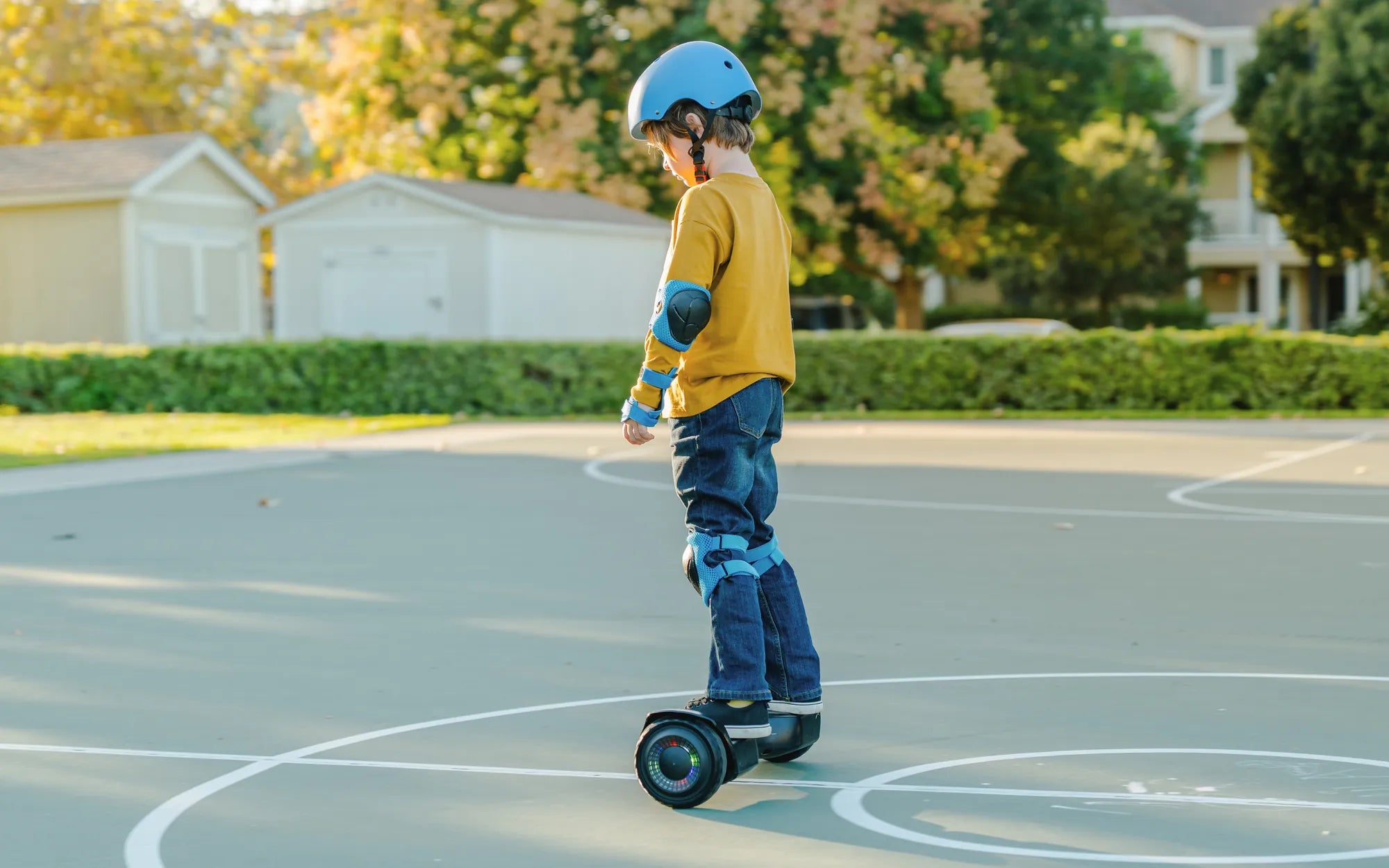
The right scooter is only half the equation. Proper preparation and environment are crucial for safe, positive first experiences. Never allow riding without a properly fitted helmet. It should sit level on the head, covering the forehead, with straps forming a "V" under the ears. Consider knee and elbow pads, especially during the learning phase.
Choose the practice venue carefully. Ideal locations are smooth, flat, paved surfaces away from traffic, slopes, and water. Empty tennis courts, basketball courts, or smooth driveways are perfect. Avoid areas with gravel, sand, or significant cracks that can catch wheels and cause falls.
Start with the basics. Have your child stand on the scooter with both feet and practice simply walking it forward. Then, demonstrate a gentle kick and coasting with one foot on the deck. Teach them to always look ahead, not down at their feet, and to use their feet to brake by dragging them on the ground. Establish clear rules: no riding near roads, always wear gear, and be aware of surroundings.
Maintenance and Longevity: Keeping the Scooter Safe
A well-maintained scooter is a safe scooter. Perform a quick pre-ride check: ensure the handlebar is locked at the correct height, all bolts and connections are tight (no wiggling), and the wheels spin freely without excessive wobble. Listen for unusual sounds from bearings or steering mechanisms.
Regularly inspect for wear and tear. The most common parts to degrade are the grip tape on the deck and the rubber on the handlebar grips. Worn grip tape reduces foot traction, while slick grips compromise control. Also, check wheels for deep cuts or flat spots that can make the ride bumpy and unstable.
For scooters with adjustable components, avoid over-tightening clamps, as this can strip threads. Clean the scooter with a damp cloth to remove dirt and grit that can work into moving parts. Proper maintenance not only extends the scooter's life but also ensures it remains the stable, reliable tool your child learned on, upholding its status as the best scooter for kids 3 years old for the entire season.
Frequently Asked Questions (FAQs) by Parents
Q1: Is my 3-year-old physically ready for a scooter?
A: Most 3-year-olds are ready if they can walk and run steadily, follow simple instructions, and show an interest. The key is choosing a scooter with a stable 3-wheel, lean-to-steer design that matches their current abilities, not future ones.
Q2: How do I know if the scooter is the right size?
A: When standing on the deck, the handlebars should be between your child's waist and lower chest. Their arms should be slightly bent when holding the grips, not fully extended or cramped. An adjustable handlebar is highly recommended to accommodate growth.
Q3: What's the real difference between lean-to-steer and traditional handlebar steering?
A> Lean-to-steer uses body weight to turn, promoting gradual, controlled arcs and making it very difficult to turn sharply and fall. Traditional steering uses hand-turned handlebars, which a young child can jerk suddenly, leading to loss of control. Lean-to-steer is vastly safer for beginners.
Q4: Should a scooter for a 3-year-old have a brake?
A: Most dedicated toddler scooters do not have hand brakes. The primary braking method is using the rider's foot to drag on the ground. This is developmentally appropriate and teaches speed awareness. A hand brake requires significant grip strength and coordination that most 3-year-olds lack.
Q5: Can my 3-year-old use an older sibling's 2-wheel scooter?
A: It is strongly discouraged. A two-wheel scooter requires advanced balance and skill. Using one too early will likely result in frequent falls, frustration, and a fear of riding. It is safer and more beneficial to use a properly designed 3-wheel model until their skills mature.
Prioritizing Joy and Safety on Every Ride
Selecting the best scooter for kids 3 years old is a decision that impacts your child's confidence, development, and love for active play. The journey begins with recognizing that stability is not a compromise but a prerequisite. A well-designed three-wheel scooter with a lean-to-steer mechanism provides the secure platform a toddler needs to explore, learn, and thrive.
By adhering to the safety checklist, prioritizing robust construction from reputable brands, and coupling the scooter with proper protective gear and practice, you create an environment where fun and safety are inseparable. The goal is to foster a sense of achievement and independence that will fuel your child's adventurous spirit for years to come.
Remember, the right scooter is an investment in joyful childhood memories built on a foundation of security. For parents who value engineering integrity and safety-first design in all forms of personal transport, exploring the principles behind trusted brands offers valuable insight. Discover how a commitment to quality and durability shapes better products for every rider.
Ready to explore a range of ride-on options built with a commitment to quality and safety? Browse the full Gyroor collection at gyroorboard.com.
How Much Is the Cheapest Hoverboard: A Budget Buyer's Guide
How to Charge Your Hoverboard: A Complete Guide for Safe and Efficient Charging