

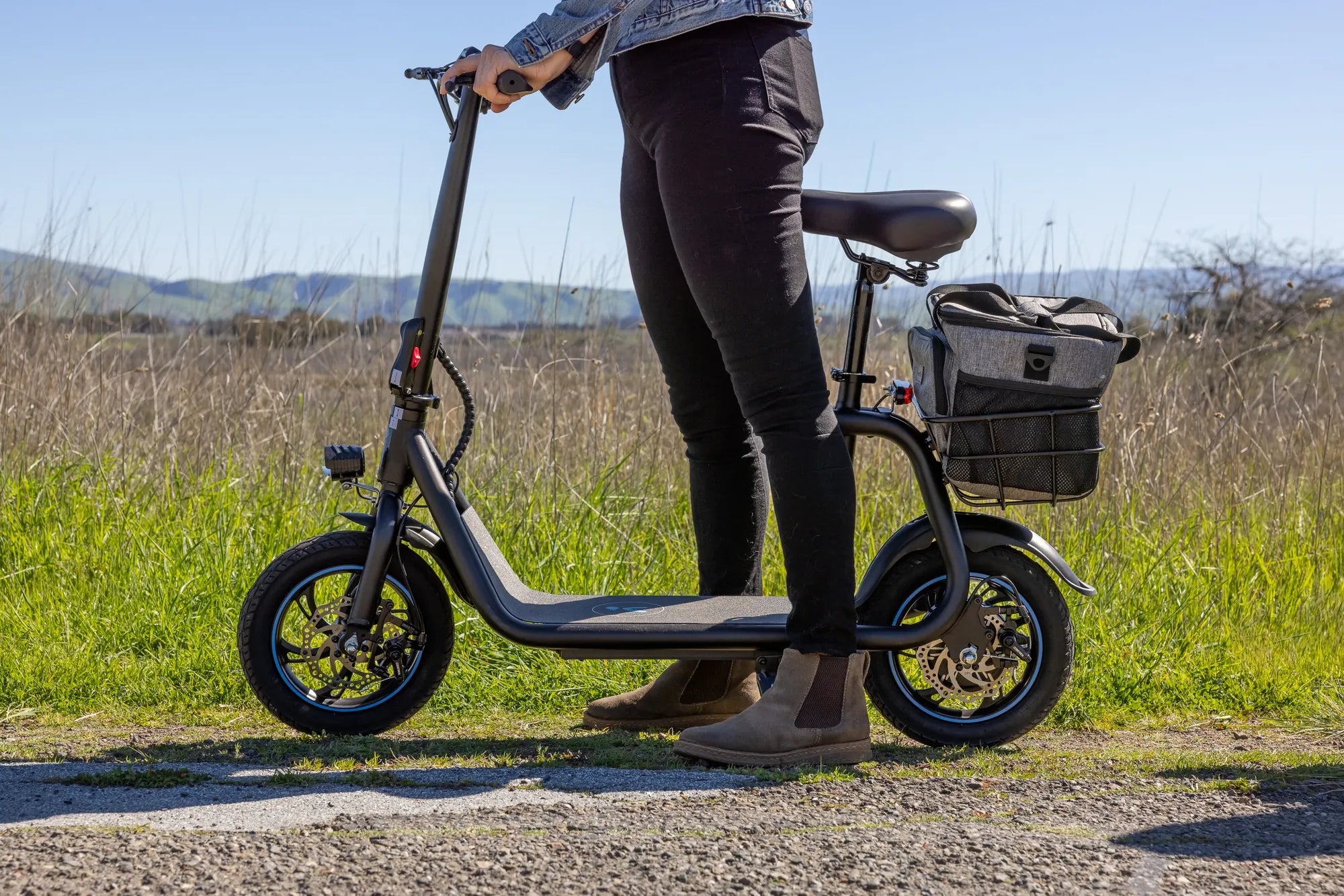
When it comes to enhancing your scooter's performance, the wheels you choose can make all the difference. Whether you're a casual rider or a seasoned pro, selecting the best scooter wheels is crucial for a smooth, fast, and safe ride. But with so many options available, how do you know which ones are right for you? This guide will break down everything you need to consider, from materials and sizes to durability and grip, so you can make the best choice for your needs.
Why Wheel Choice Matters
The wheels on your scooter are more than just round pieces of rubber—they're the foundation of your ride. The right wheels can improve speed, stability, and comfort, while the wrong ones can lead to a bumpy, sluggish experience. Factors like material, size, and hardness all play a role in how your scooter performs, so it's essential to understand these elements before making a purchase.
Materials: What Are Scooter Wheels Made Of?
Scooter wheels are typically made from one of three materials: polyurethane (PU), rubber, or a combination of both. Each has its pros and cons:
- Polyurethane (PU): The most common material for scooter wheels, PU offers a great balance of durability, grip, and shock absorption. It's also lightweight, making it ideal for tricks and stunts.
- Rubber: Rubber wheels provide excellent grip and are often used for off-road or rough terrain. However, they tend to wear out faster than PU wheels.
- Hybrid: Some wheels combine PU and rubber for a mix of durability and traction. These are a good choice for riders who want versatility.
Size Matters: Choosing the Right Diameter
The diameter of your scooter wheels affects both speed and maneuverability. Here's a quick breakdown of common sizes:
- 100mm-110mm: Ideal for street riding and tricks, these smaller wheels offer better control and agility.
- 120mm-125mm: A middle ground for riders who want a mix of speed and stability.
- 150mm and above: Best for off-road or long-distance riding, these larger wheels provide smoother rides over rough surfaces.
Hardness: Understanding Durometer Ratings
Wheel hardness is measured on the durometer scale (A scale). The higher the number, the harder the wheel. Here's what you need to know:
- Soft Wheels (78A-85A): Offer better grip and shock absorption but wear out faster.
- Medium Wheels (86A-95A): A balance of grip and durability, suitable for most riders.
- Hard Wheels (96A and above): Provide less grip but last longer, ideal for smooth surfaces and tricks.
Durability and Maintenance
No matter how great your wheels are, they won't last forever. Regular maintenance can extend their lifespan. Here are some tips:
- Check for cracks or flat spots regularly.
- Rotate your wheels to ensure even wear.
- Clean them after riding on wet or dirty surfaces.
Performance: Speed vs. Control
Your riding style will determine whether you prioritize speed or control. Larger, harder wheels are faster but less grippy, while smaller, softer wheels offer better control at the expense of speed. Think about where and how you ride to find the right balance.
Budget Considerations
High-quality scooter wheels can be an investment, but they're worth it for serious riders. Cheaper options may save you money upfront but could wear out quickly or perform poorly. Consider your budget and how often you ride when making your decision.
Ready to upgrade your ride? The best scooter wheels can transform your experience, whether you're cruising the streets or hitting the skate park. With the right knowledge, you'll be rolling smoother, faster, and with more confidence in no time.
200x50 Scooter Tire: The Ultimate Guide to Performance and Durability
29 ebike: The Ultimate Guide to Choosing the Perfect Electric Bike