


Introduction: The Rise of Self-Balancing Scooters
Self-balancing scooters have evolved from futuristic novelties into legitimate tools for urban mobility and recreation. These devices, powered by gyroscopic sensors and electric motors, offer a unique blend of fun and function for commuting, running errands, or exploring neighborhoods. Finding the best self balancing scooter on the market requires understanding a landscape filled with varying types, specifications, and safety considerations.
This guide cuts through the marketing hype with factual analysis. You will learn how to evaluate motor power, battery safety, and build quality to match a scooter to your specific needs. We provide transparent comparisons and highlight why certifications from organizations like UL Laboratories are non-negotiable for safe operation.
Whether you're a first-time buyer or an enthusiast looking to upgrade, our goal is to equip you with the knowledge to choose confidently. The right model can provide years of reliable service, while a poor choice can lead to frustration or safety hazards. Let's begin by defining the different types of self-balancing personal transporters available today.
What is a Self-Balancing Scooter? Understanding the Types
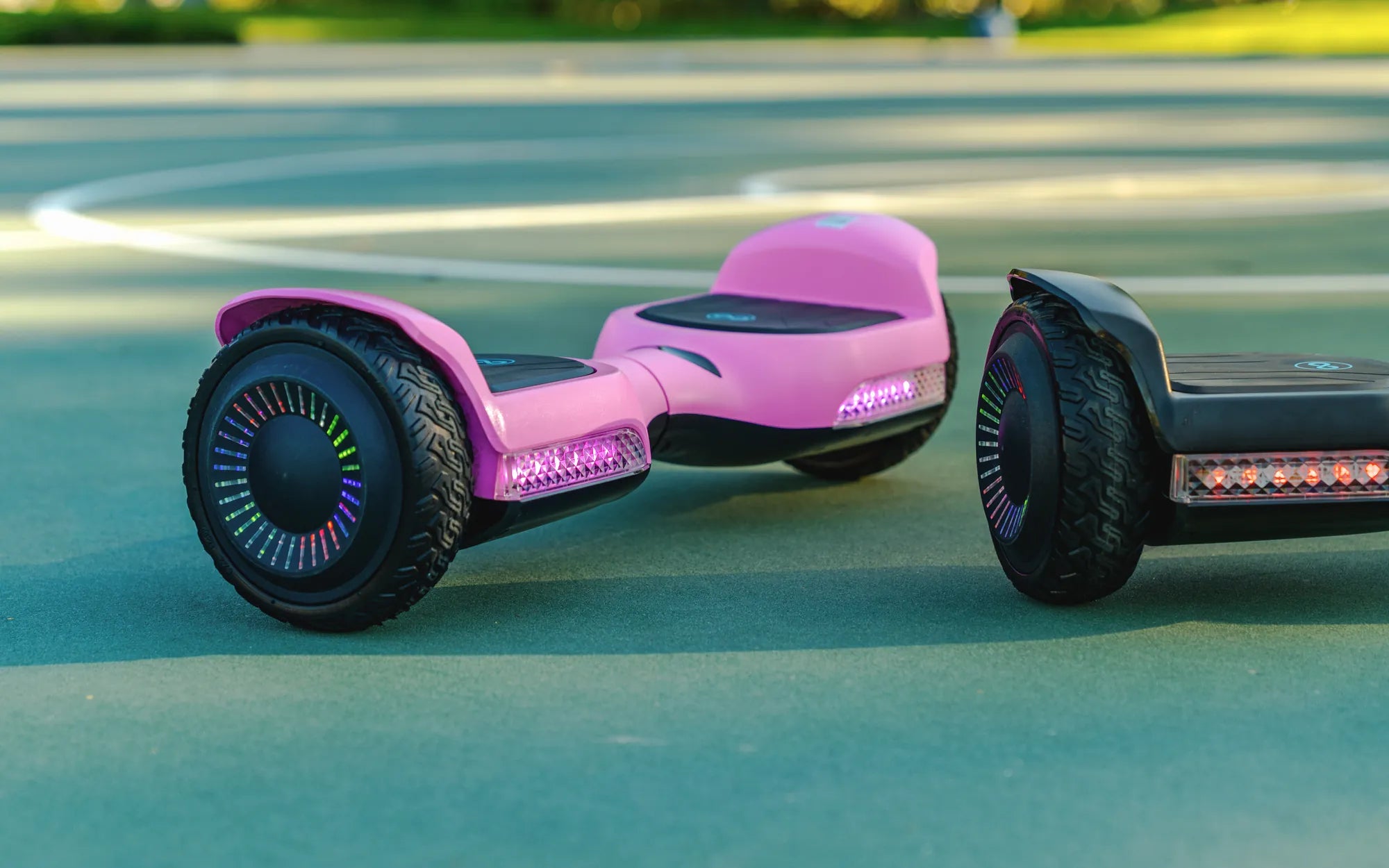
A self-balancing scooter is a battery-powered, personal transportation device that uses gyroscopic sensors and microprocessors to automatically maintain stability based on the rider's lean. The rider controls acceleration, deceleration, and steering through subtle shifts in body weight. This category encompasses several distinct vehicle types, each with its own riding dynamics and use cases.
The most common type is the standard hoverboard, a two-wheeled device with side-by-side wheels and foot platforms. It's intuitive for beginners and highly maneuverable in tight spaces. Electric unicycles (EUCs) feature a single, large wheel between two foot platforms, offering superior range and speed for experienced riders but with a steeper learning curve.
Self-balancing electric scooters, often resembling traditional kick scooters, incorporate self-balancing assist technology to enhance stability at low speeds or when starting. While they may have a tiller for steering, the core balancing technology remains similar. Understanding these distinctions is the first step in narrowing down your search for the best self balancing scooter for your lifestyle.
Core Gyroscopic Technology
The magic behind every device is its inertial measurement unit (IMU). This sensor package, containing gyroscopes and accelerometers, detects the angle and tilt of the foot platforms hundreds of times per second. This data is sent to a central processing unit (CPU), which instantly adjusts power to the electric motors to counteract the tilt and keep the rider upright.
Advanced firmware is crucial for smooth operation and safety. It manages power delivery to prevent sudden cut-offs and includes safety protocols like tilt-back warnings at high speeds. The quality of these electronic components directly correlates with the stability and safety of the ride, making it a critical differentiator between premium and substandard models.
Key Features to Consider Before You Buy
Choosing the best self balancing scooter on the market demands a close look at technical specifications. These numbers and features dictate performance, safety, and long-term satisfaction far more than aesthetic design. A data-driven approach ensures you invest in a device that meets your practical requirements.
Prioritize features that impact safety and durability over superficial add-ons like LED light shows. A robust frame, certified battery, and adequate water resistance are foundational. The following breakdown of key features will serve as your essential checklist during the research and comparison phase.
Motor Power and Speed
Motor wattage determines torque, hill-climbing ability, and top speed. Total wattage is often listed as the combined power of dual motors in hoverboards. A 300W system is sufficient for flat urban terrain and lighter riders, while 500W+ motors are necessary for tackling hills, off-road use, or supporting heavier riders.
Advertised top speeds typically range from 7 mph for beginner models to over 30 mph for performance EUCs. Realistically, most commuter hoverboards cruise between 8-12 mph. Consider your local regulations, as many cities have speed limits for micro-mobility devices on paths and sidewalks. Ample torque from a powerful motor is often more valuable than a high top speed for daily usability.
Battery Life and Range
Battery capacity, measured in Watt-hours (Wh) or Amp-hours (Ah), is the primary factor for range. Manufacturers' range claims are based on ideal conditions: a lightweight rider on flat, smooth pavement at moderate speed. In the real world, factors like rider weight, hills, temperature, and riding style can reduce range by 30-40%.
A quality 36V, 4.0Ah (approx. 144Wh) battery may offer 8-10 miles of real-world range. For longer commutes, look for capacities of 200Wh or more. Charging time typically falls between 2-4 hours for a full charge. The battery's certification is paramount; always insist on a UL 2272 certified battery pack, which has undergone rigorous testing for electrical and fire safety.
Build Quality and Durability
The chassis material defines durability. Aircraft-grade aluminum alloy frames offer the best strength-to-weight ratio and resistance to flexing. High-quality ABS plastic is used for housings, but the core structure should be metal. Check the maximum weight rating carefully; exceeding it stresses motors, batteries, and structural joints.
Tire choice is critical. Smaller, solid rubber tires (6.5-8.5 inches) offer maintenance-free operation on smooth surfaces. For comfort and traction on varied terrain, larger air-filled (pneumatic) tires (8.5-10 inches+) are essential. They absorb bumps better but require occasional pressure checks. The Ingress Protection (IP) rating indicates resistance to dust and water. An IPX5 rating means the unit can withstand water jets from any direction, making it suitable for riding in wet conditions and through puddles.
Safety and Stability Features
Beyond core engineering, specific features enhance safety. A beginner or training mode limits top speed and acceleration for the initial learning period. Bright LED headlights and taillights, along with side ambient lights, are vital for visibility in low-light conditions.
Non-slip foot pads with textured surfaces provide secure footing. Audible warnings for low battery, excessive speed, or motor overload are important alerts. Finally, look for models with redundant battery management systems and firmware designed to maintain power for safe, controlled deceleration even when the battery is low, rather than cutting off abruptly.
Portability and Weight
Portability is a key advantage of personal electric vehicles. Standard hoverboards weigh between 20-30 lbs. While carryable, this weight can become burdensome over distance or up stairs. Some models integrate a telescoping trolley handle, transforming the device into something you can roll alongside you like luggage.
Electric unicycles, while heavier due to their large battery packs, often feature built-in trolley handles. Consider your daily routine: will you need to carry the scooter onto public transit, lift it into a car trunk, or store it under a desk? The weight and form factor should align with these logistical needs.
Top Picks: Best Self Balancing Scooters for Every Rider
The best self balancing scooter on the market for one person may not be right for another. Our top picks are categorized by primary use case, focusing on performance benchmarks, safety credentials, and overall value. The following comparison table provides a high-level overview of recommended categories and their key specs.
| Category | Best For | Key Specs to Look For | Typical Price Range |
|---|---|---|---|
| Beginner & Urban Commuter | New riders, sidewalk travel, short commutes | 300W+ motors, UL-certified battery, IPX4/5 rating, 8-12 mi range | $300 - $500 |
| Off-Road & Adventure | Trails, grass, gravel, variable terrain | 500W+ motors, 8.5"+ pneumatic tires, robust suspension, IP55+ rating | $500 - $900 |
| Performance & Long Distance | Experienced riders, long-range commuting | 1000W+ motor (EUC), 500Wh+ battery, 25+ mph speed, advanced BMS | $1,200 - $3,000+ |
| Ultra-Portable | Last-mile logistics, multi-modal commuting | Lightweight (<25 lbs), compact design, optional trolley handle | $250 - $450 |
Best for Beginners & Urban Commuters: Gyroor S1 Pro Hoverboard
For those seeking a reliable entry point, the Gyroor S1 Pro stands out. Its balanced 300W dual-motor system provides smooth acceleration and enough torque for moderate inclines, perfect for navigating city sidewalks and park paths. The device emphasizes safety from the ground up, featuring a UL 2272 certified battery pack and an IPX5 water-resistant design for all-weather confidence.
The S1 Pro includes practical features for commuters: a built-in Bluetooth speaker, bright LED headlights, and non-slip foot pads. Its intuitive responsiveness makes the learning curve manageable for most adults and supervised teenagers. With a real-world range of approximately 9-12 miles and a robust frame supporting riders up to 220 lbs, it represents a comprehensive package for safe, everyday urban travel.
Best for Off-Road Adventure: All-Terrain Hoverboard Options
Moving beyond pavement requires specialized hardware. The best self balancing scooter for off-road use features high-torque motors (500W minimum, 700W+ ideal), large pneumatic tires (typically 8.5 or 10 inches), and enhanced shock absorption. These tires provide the traction needed for dirt, grass, and gravel, while the extra motor power ensures consistent performance on uneven ground.
Gyroor's off-road series models exemplify this category, built with reinforced frames and higher ground clearance. A rigorous IP rating, such as IP56, is critical here to protect internal components from dust and mud. These models are heavier and less portable but unlock a significantly wider range of riding environments, from forest trails to sandy beaches.
Best for Performance & Long Distance: Electric Unicycles (EUCs)
For the experienced rider prioritizing range and speed, high-performance electric unicycles are in a class of their own. These devices house massive battery packs (often 1,000Wh to 3,000Wh) enabling ranges of 50 to over 100 miles on a single charge. Coupled with motors exceeding 2,000W, they can achieve speeds over 30 mph and climb steep hills with ease.
Modern EUCs feature advanced technology like customizable riding modes, regenerative braking, sophisticated battery management systems, and even suspension. The learning investment is substantial, and protective gear is mandatory, but for a skilled rider, they represent the ultimate in efficient, long-range personal electric transport. Brands like Gotway and King Song are prominent in this high-end segment.
Best for Portability & Compact Design
If your primary need is a device that easily integrates with public transit or fits in a small apartment, compact hoverboards are the answer. These models often feature 6.5-inch solid tires and a streamlined design, keeping weight under 25 pounds. Some incorporate a pop-out trolley handle, a feature that greatly enhances convenience when the device is not in use.
Trade-offs include a slightly rougher ride on uneven surfaces due to smaller solid tires and generally shorter range from smaller battery packs. However, for the "last mile" of a commute—riding from a train station to the office—this category offers an unbeatable combination of function and portability. Look for models that maintain UL certification and a robust build despite the smaller size.
The Gyroor Advantage: Why Trust Matters
In a market saturated with look-alike products, trust is built on verifiable safety standards and reliable customer support. Gyroor distinguishes itself by engineering this trust into every product. As a leading electric scooter and e-bike brand trusted by over 100,000 riders across North America and Europe, their focus is on certified safety and durable performance.
The cornerstone of this approach is the use of UL-certified battery packs in all models. These batteries undergo extreme testing—including overcharge, short circuit, and crush tests—far exceeding the requirements for basic CE or FCC marks. This commitment virtually eliminates the risk of battery fire, the most serious hazard associated with low-quality personal electric vehicles.
Furthermore, Gyroor's standard IPX5 water-resistant rating is a practical advantage. It means riders don't need to panic at a sudden rain shower or avoid damp roads. This design integrity, backed by a reliable 1-year warranty and accessible U.S.-based customer support, provides peace of mind that the investment is protected. For a rider seeking the best self balancing scooter, these factors transform a purchase from a gamble into a confident decision.
Buying Guide: How to Make the Right Choice
Armed with feature knowledge and category insights, follow this step-by-step framework to select your ideal model. First, define your primary use case. Is it for a 2-mile daily commute, weekend recreation in the park, or off-road trail exploration? Your answer will point you toward the appropriate category (commuter, off-road, performance EUC).
Second, set a realistic budget that includes essential safety gear—a helmet is non-negotiable, and wrist guards/knee pads are highly recommended. Within your budget, prioritize models with UL 2272 certification and a reputable brand history. Never compromise on battery safety to save money.
Third, match the specifications to your physical needs. Ensure the scooter's weight limit exceeds your body weight by a comfortable margin. If you have hills on your route, opt for higher-wattage motors. If you'll ride in variable weather, confirm a minimum IPX4 rating, with IPX5 being the recommended standard. Finally, read independent customer reviews focusing on long-term reliability and after-sales service experiences.
Frequently Asked Questions (FAQ)
Are self-balancing scooters difficult to learn?
Most adults can learn to ride a standard hoverboard proficiently within 30-60 minutes of practice in a safe, open area. The key is to start by using a wall or railing for support, focusing on mounting, dismounting, and finding the "balance point." Electric unicycles have a significantly steeper learning curve, often requiring 5-10 hours of dedicated practice to achieve basic competency. Patience and protective gear are essential for both.
How safe are they? What are the main risks?
When using a certified device from a reputable brand and wearing proper safety gear, riding can be quite safe. The main risks are falls due to loss of balance, encountering unexpected obstacles, or mechanical failure. The latter risk is drastically reduced by choosing a scooter with a UL-certified battery and robust firmware to prevent sudden power loss. Always obey local traffic laws and avoid high-speed traffic.
Can I ride them in the rain?
This depends entirely on the device's IP rating. A model with an IPX5 rating, like those from Gyroor, is designed to withstand water jets from any direction. This makes it safe to ride in light to moderate rain and through puddles. However, it is not submersible. Avoid deep standing water, and never charge the device if it is wet. Models without a stated IP rating should be kept completely dry.
What is the average lifespan of a self-balancing scooter?
With proper care and maintenance, a quality self-balancing scooter can last 2-5 years. The battery is typically the first component to degrade, with UL-certified packs rated for 500+ full charge cycles while retaining significant capacity. Factors that shorten lifespan include frequent overloading (exceeding weight limit), riding on harsh terrain without appropriate tires, improper charging habits, and exposure to extreme temperatures.
Do I need a helmet or other protective gear?
Yes, absolutely. A certified bicycle or multi-impact skate helmet is the minimum requirement every time you ride. Wrist guards are also highly recommended, as falls often result in instinctive hand placement to break the fall. For higher-speed devices like EUCs or for off-road riding, full protective gear—including knee pads, elbow pads, and even a full-face helmet—should be considered essential, not optional.
Conclusion: Finding Your Perfect Ride
Identifying the best self balancing scooter on the market is a process of aligning technical specifications with your personal needs and safety standards. The ideal model seamlessly integrates into your life, providing reliable, enjoyable transportation. Remember that the lowest upfront cost often carries hidden long-term risks in terms of safety and durability.
Investing in a device from a trusted brand that prioritizes certified components, water resistance, and solid construction is the surest path to satisfaction. Whether you choose a user-friendly hoverboard for city errands or a high-performance EUC for long-range exploration, let verified data—on battery certification, motor power, and build quality—guide your final decision.
Ready to experience the confidence of riding a professionally engineered self-balancing scooter? Explore a range of UL-certified, IPX5 water-resistant models designed for real-world use. Browse the full Gyroor collection at gyroorboard.com to find your perfect match and join over 100,000 riders who prioritize safety and performance.
Christmas Gift Ideas for Girls 10-12: Creative and Fun Presents They’ll Love
Best Electric Scooter for Kids Age 12: A Complete Guide to Safe, Fun Rides