

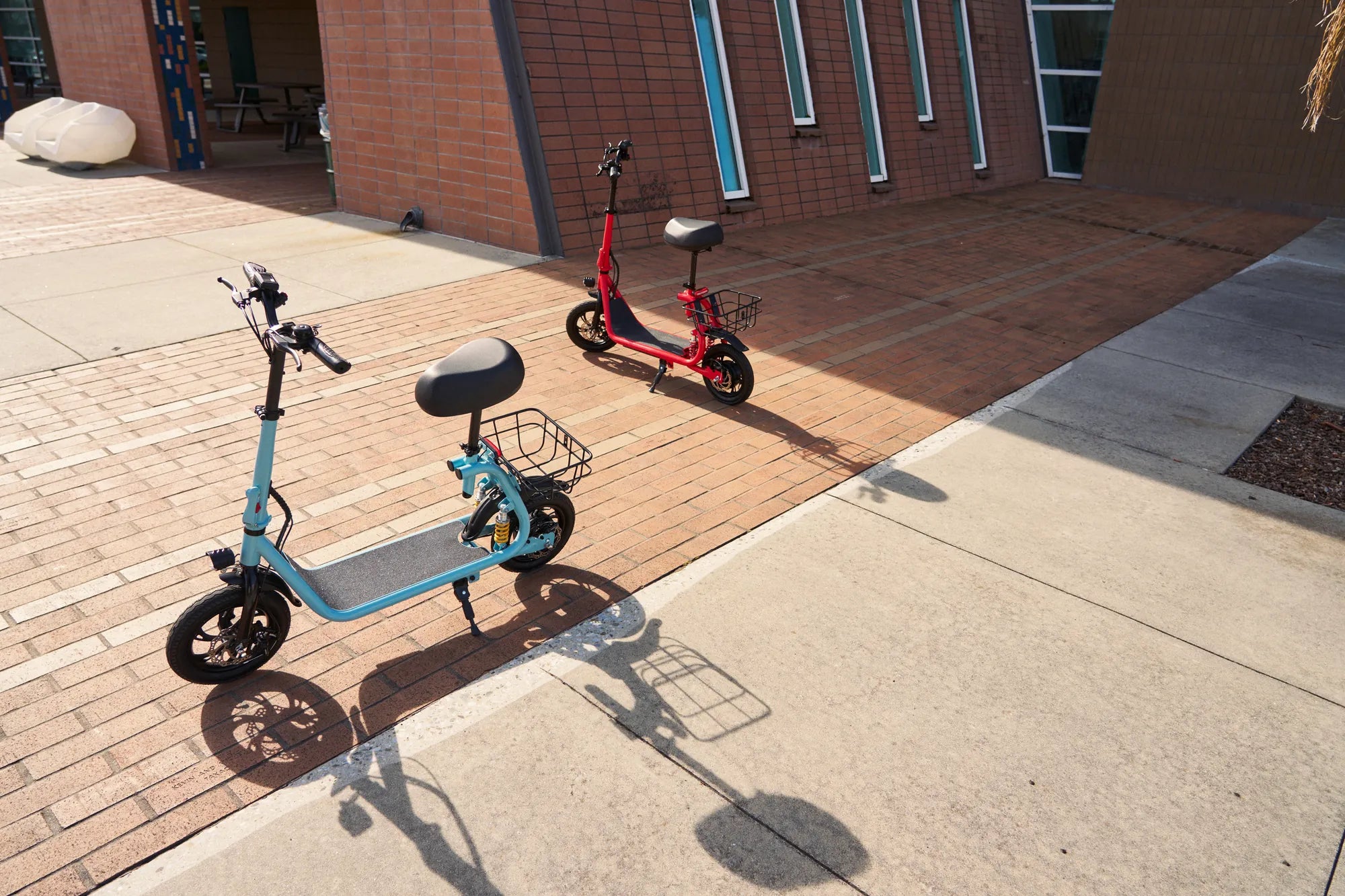
Self-balancing scooters have become a popular mode of transportation for commuters and hobbyists alike. But before you hop on one, it's crucial to understand the best self-balancing scooter weight limit to ensure safety and optimal performance. Ignoring this factor could lead to accidents, reduced battery life, or even damage to the scooter. Let's dive into everything you need to know about weight limits and how they impact your ride.
Why Weight Limits Matter for Self-Balancing Scooters
Self-balancing scooters rely on precise sensors and motors to maintain stability. Exceeding the weight limit can strain these components, leading to slower response times, reduced speed, or even sudden shutdowns. Manufacturers set these limits based on rigorous testing to ensure safety and longevity. A rider who exceeds the recommended weight may experience:
- Decreased battery life
- Reduced speed and acceleration
- Increased wear and tear on motors
- Higher risk of falls or malfunctions
How to Determine the Right Weight Limit for You
Not all self-balancing scooters are created equal. Some models are designed for lightweight riders, while others can handle heavier loads. Here's how to find the best self-balancing scooter weight limit for your needs:
- Check the manufacturer's specifications: Always review the product details to confirm the maximum weight capacity.
- Consider your daily usage: If you plan to carry a backpack or other items, factor that into the total weight.
- Look for reinforced designs: Some scooters feature stronger frames and motors for heavier riders.
Common Weight Limits for Self-Balancing Scooters
Most self-balancing scooters fall into one of these weight categories:
| Weight Limit Range | Recommended Rider Type |
|---|---|
| Up to 220 lbs (100 kg) | Teens and lightweight adults |
| 220-265 lbs (100-120 kg) | Average adults |
| 265+ lbs (120+ kg) | Heavier riders or those carrying additional weight |
Tips for Heavier Riders
If you're close to or exceed the weight limit of standard models, don't worry—there are options available. Look for scooters with:
- High-torque motors for better power delivery
- Wider decks for improved stability
- Larger wheels to handle uneven terrain
Choosing the right self-balancing scooter isn't just about style or speed—it's about safety and performance. By paying attention to the best self-balancing scooter weight limit, you'll enjoy a smoother, more reliable ride every time. Ready to find your perfect match? Start by checking the specs and riding with confidence!
Three Wheeler Electric Scooter Price in India: A Comprehensive Guide
72v Electric Scooter for Adults: The Ultimate Guide to Power and Performance